Crinear Daybreak
A refined “new meta” tuning at a compelling price
I’m a bit late publishing this review. I was helping Crinear with Protocol Max EQ support and, in the process, kept listening to the Daybreak instead of writing about it. After a month of daily use, I’m confident saying this is one of the best IEMs you can buy under $200.
At a typical price of $169.99, the Daybreak brings a modern tuning with a tasteful sub‑bass lift, smooth midrange, and extended, clean treble—largely aligned with a JM‑1 “new meta” style balance. It also feels like Crinear has made some quiet improvements post‑launch, because the pair I’ve spent time with sounds remarkably cohesive for a complex hybrid.
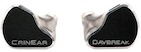
I would like to thank Crinear for providing the Daybreak for the purposes of this review.
If you are interested in finding more information about this product, you can find it at the official product page, and on Amazon.
The Daybreak typically retails for $169.99.
Unboxing and Build Quality
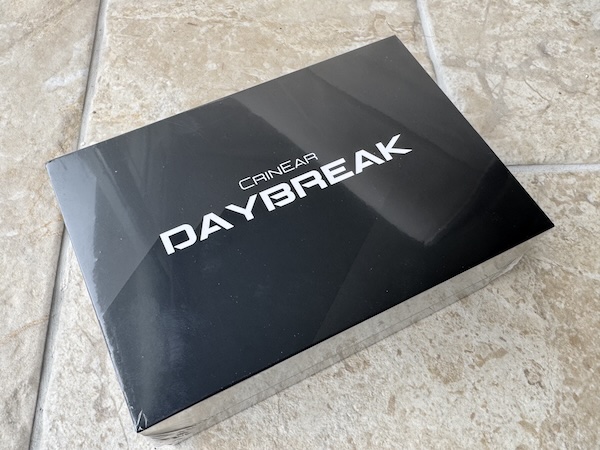
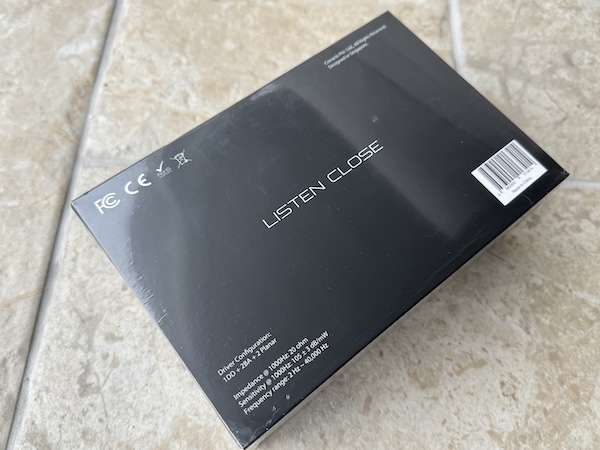
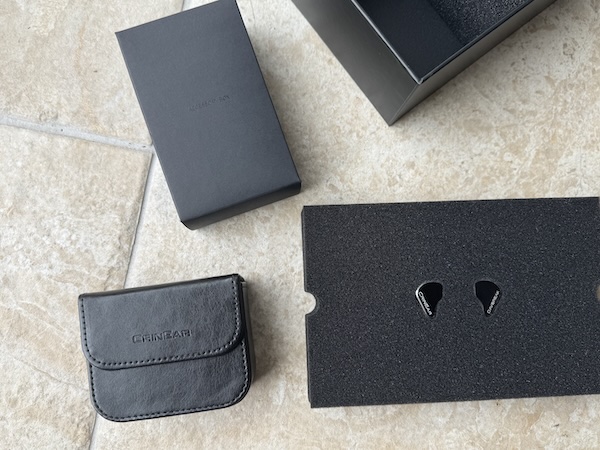
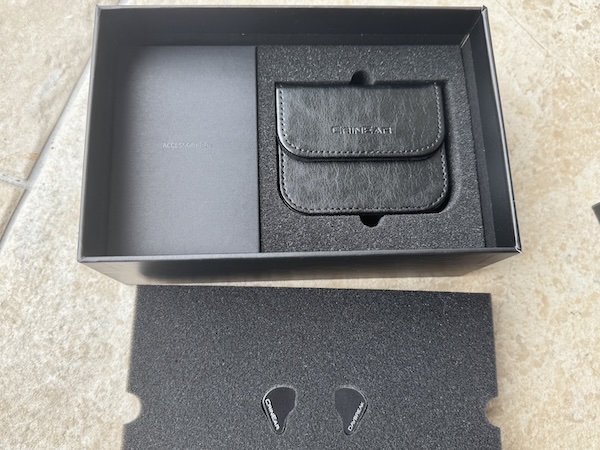
The Daybreak ships in neat, protective packaging with a sensible accessory loadout. The presentation is clean and functional rather than flashy, and everything is well protected in transit.
 |
 |
 |
 |
 |
 |
Included in the box:
- Daybreak IEMs
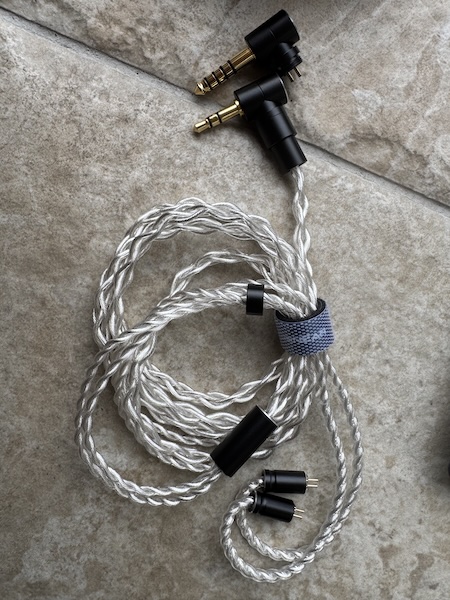
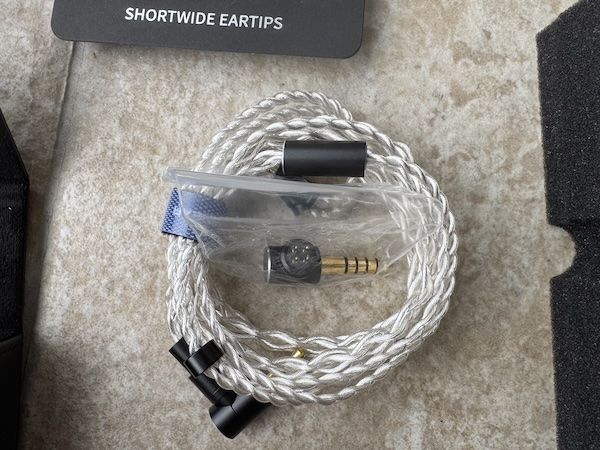
- Silver‑plated copper cable
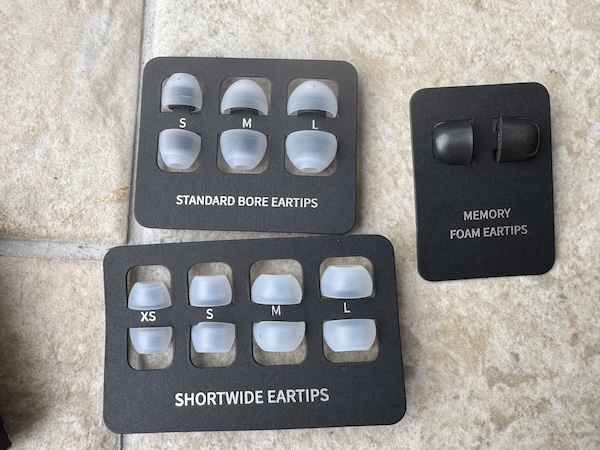
- Multiple sets of eartips (improved selection, including shallow options)
- Carry case
- Documentation
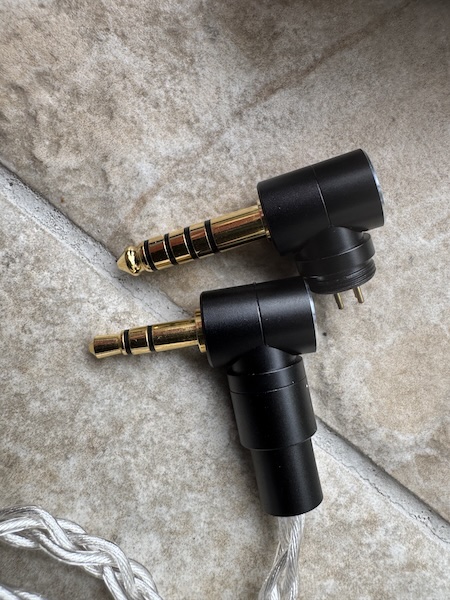
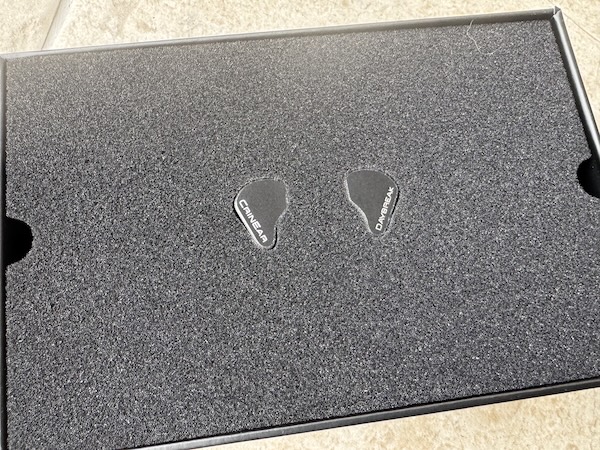
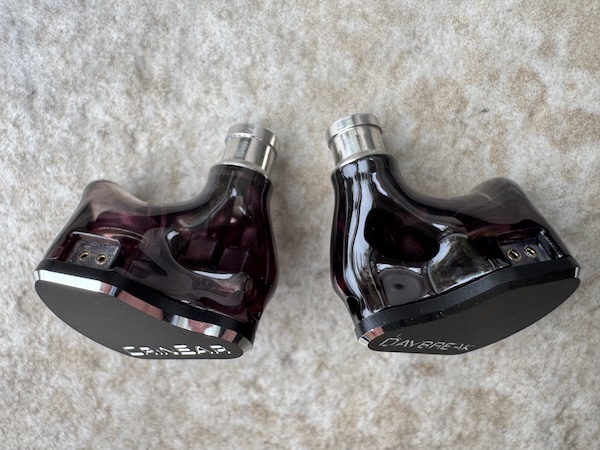
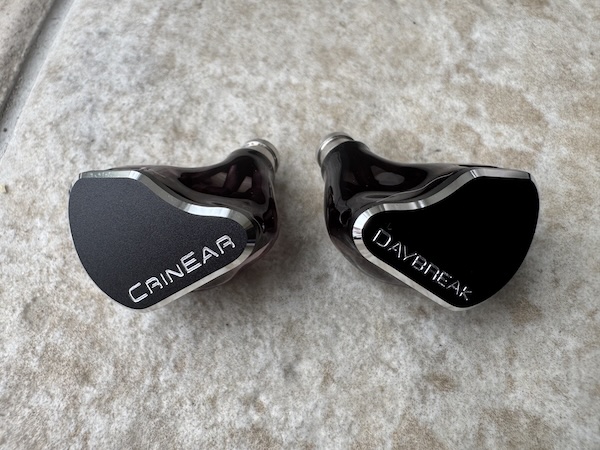
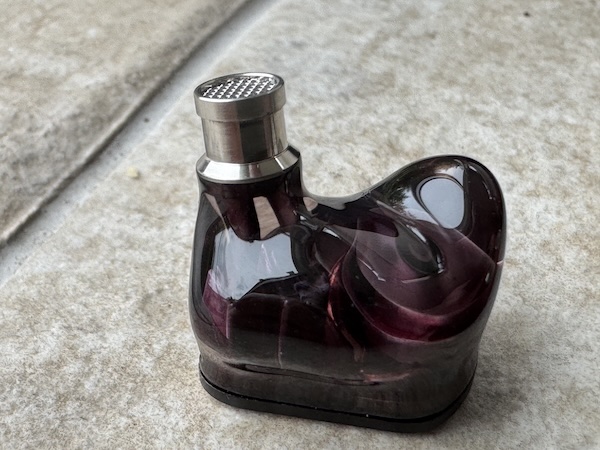
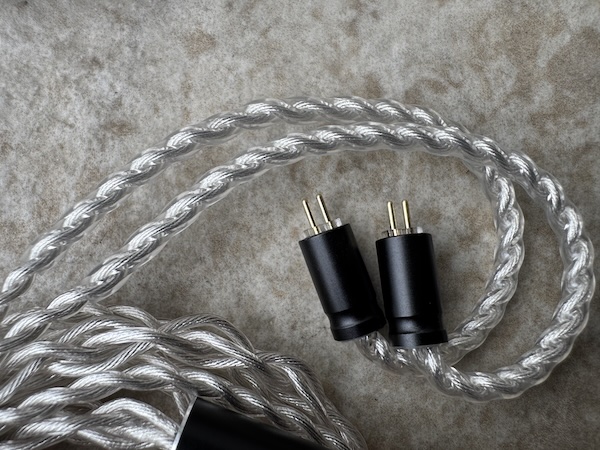
Build is excellent for the price: a substantial but well‑finished shell, smooth seams, robust 2‑pin sockets, and a well‑defined nozzle lip (6.0 mm). The cable is soft, low‑microphonic, and doesn’t tangle easily.
 |
 |
 |
 |
Fit and Comfort
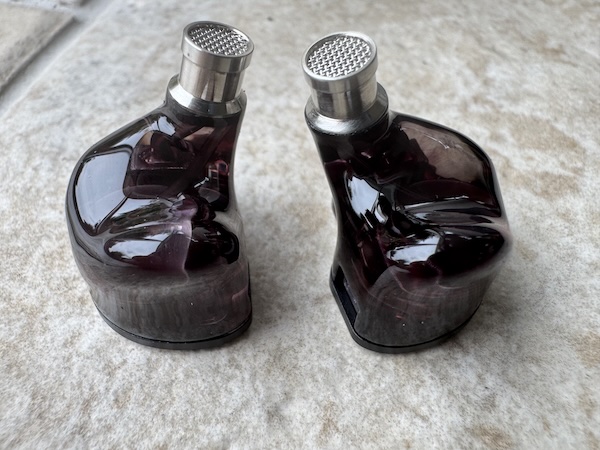
Although the shells are on the larger side, the insertion angle is excellent. With the updated eartip selection, once you find the right size, the Daybreak is stable and comfortable for long sessions. The 6.0mm nozzle lip holds tips securely; medium‑depth insertion worked best for me. If you have smaller ears, try the narrower‑bore tips first—they improve seal without adding pressure.
Features and Performance
Hybrid driver system
- 1 dynamic driver for bass
- 2 balanced armatures for mids
- 2 micro‑planar tweeters (mPT) for treble
This configuration provides punchy sub‑bass, clean midrange detail, and airy, well‑extended treble. Driver integration is very good; crossover transitions are smooth with no obvious tonal discontinuities.
Connectivity and usability
- Standard 0.78mm 2‑pin cable interface
- Sturdy, low‑resistance cable included (silver‑plated copper)
- Easy to drive: 105 dB/mW sensitivity, 20 Ω impedance—works well from phones/DAC dongles; scales with desktop sources
 |
 |
Real‑world use
- Isolation is above average for a vented dynamic hybrid
- Low cable microphonics
- Comfortable over‑ear routing; good for commute and office
Sound Impressions
The Daybreak follows a modern neutral tilt with a clear sub‑bass focus, relaxed upper‑mid energy, and extended treble. Below are a few concrete listening examples that map to how it behaves with music.
Bass — Jennifer Warnes, “Way Down Deep”
Sub‑bass comes in with excellent depth and pressure, delivering that “floor drops out” sensation without mid‑bass bloat. The kick has clean attack and natural decay. Texture remains intact on layered passages—no mud creeping into the lower mids.
Midrange — Elton John, “Sweet Painted Lady”
Piano has convincing weight and body without sounding thick. There’s a natural wood-and-string timbre to the instrument, and Elton’s vocal sits forward enough to be intimate without stridency. The region around 3 kHz is controlled, so consonants are crisp but not sharp.
Treble — Michael Jackson, “Billie Jean”
Hi‑hats and upper cymbal energy are present and airy with fine “spray” detail but kept smooth; no fizz or glassiness. The micro‑planar tweeters appear to provide extension without etch. Room ambience on the snare comes through clearly.
Soundstage & Imaging — Dido, “My Life”
The stage projects just outside the ears with above‑average width and good depth layering. Imaging is precise—backing vocals and reverb tails are easy to place, and center focus remains stable even during denser passages.
Overall, the subjective picture is a slightly elevated sub‑bass, neutral mids, and extended treble—coherent and fatigue‑free for long listening.
Comparisons
Versus EPZ P50
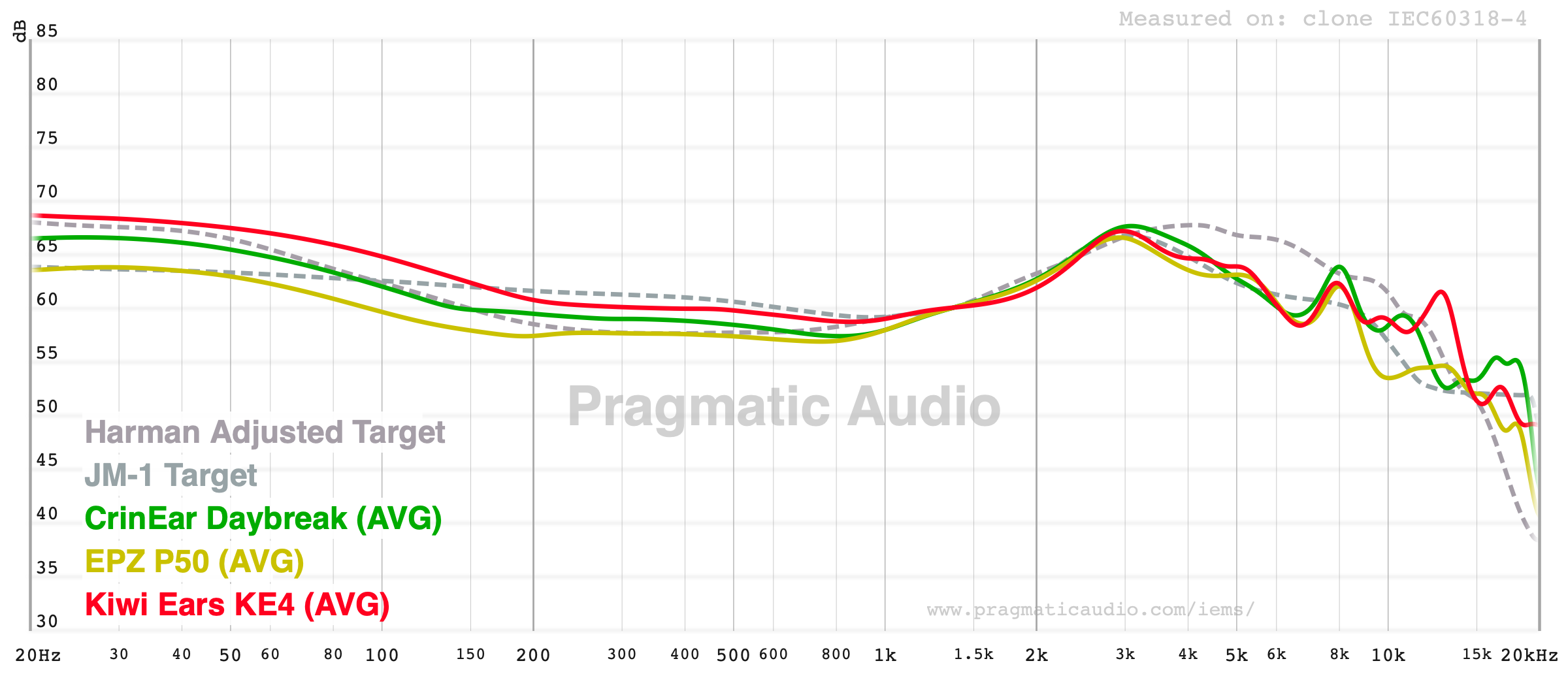
These two share almost the same driver idea (1DD+2BA+2 planar‑type tweeters) and a very similar tuning. The Daybreak has a touch more sub‑bass lift and a hair more upper‑treble air, which can make it feel a bit more “open.” The P50 counters with a slightly smaller shell and a spectacular stock cable plus adapters. Purely on sound, they trade blows; factoring price, Daybreak now edges it on value.

Versus Kiwi Ears KE4
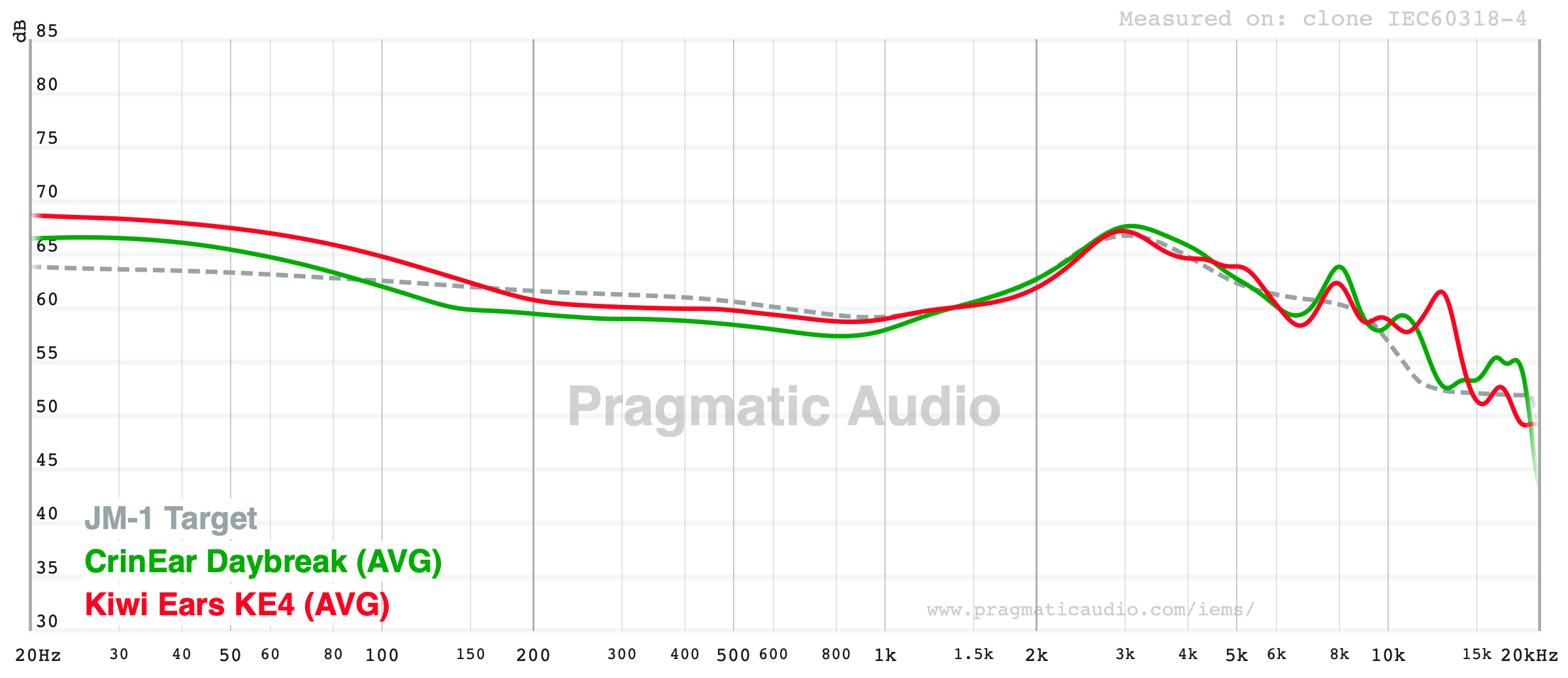
KE4 tracks the “new meta” balance but with dual dynamics and fewer drivers up top. KE4 is slightly leaner in sub‑bass and a touch drier through the presence region. Daybreak gives you more sub‑bass authority and a bit more air, sounding fuller and a shade smoother in the upper mids. KE4 counters with exceptional consistency and a super‑competitive price when discounted.
Specifications and Measurements
Technical Specifications
| Spec | Value |
|---|---|
| Driver configuration | 1DD + 2BA + 2 mPT (Micro‑planar Tweeters) |
| Impedance | 20 Ω @ 1 kHz |
| Sensitivity | 105 dB/mW @ 1 kHz |
| Frequency response range | 2 Hz – 40,000 Hz |
| Nozzle width | 6.0 mm (lip) |
| Cable material | Silver‑plated Copper |
Frequency Response
I measured the Daybreak on my standard IEM measurement rig. The measurements can be viewed on my measurement database here.
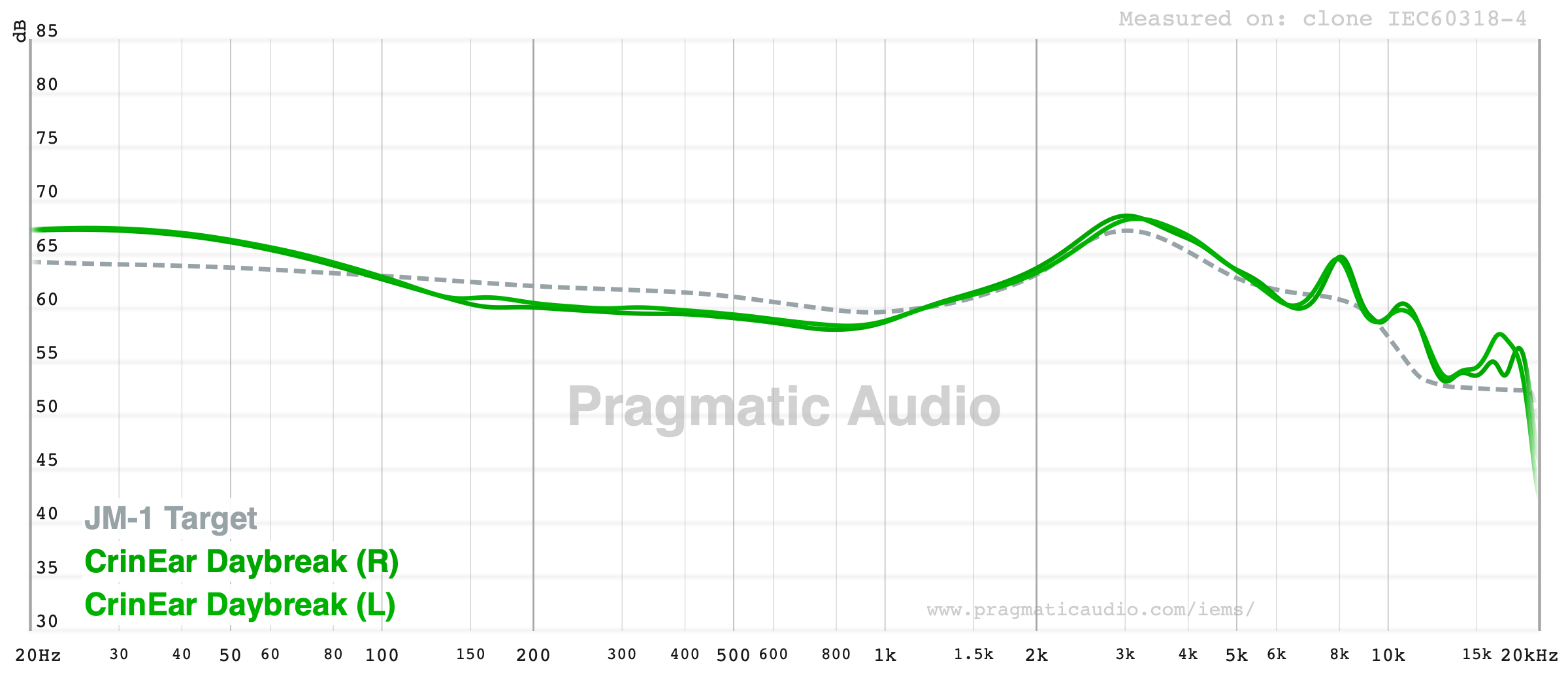
Below is the measured FR showing the tasteful sub‑bass emphasis, well‑controlled ear‑gain, and extended treble consistent with a refined JM‑1 tilt:
Here’s the Daybreak compared against some other popular IEMs in this price range:
And another comparison view showing how the Daybreak fits within the modern “new meta” tuning philosophy:
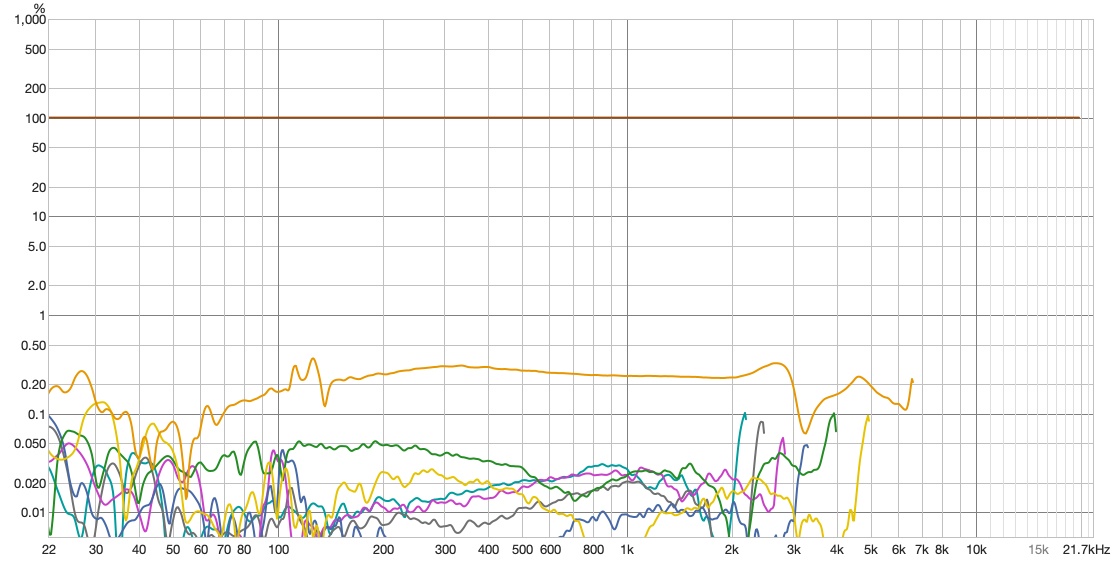
Distortion
Distortion remains low across the band, with excellent control through the upper mids and treble from the micro‑planar tweeters. Bass distortion stays well managed even at elevated listening levels.
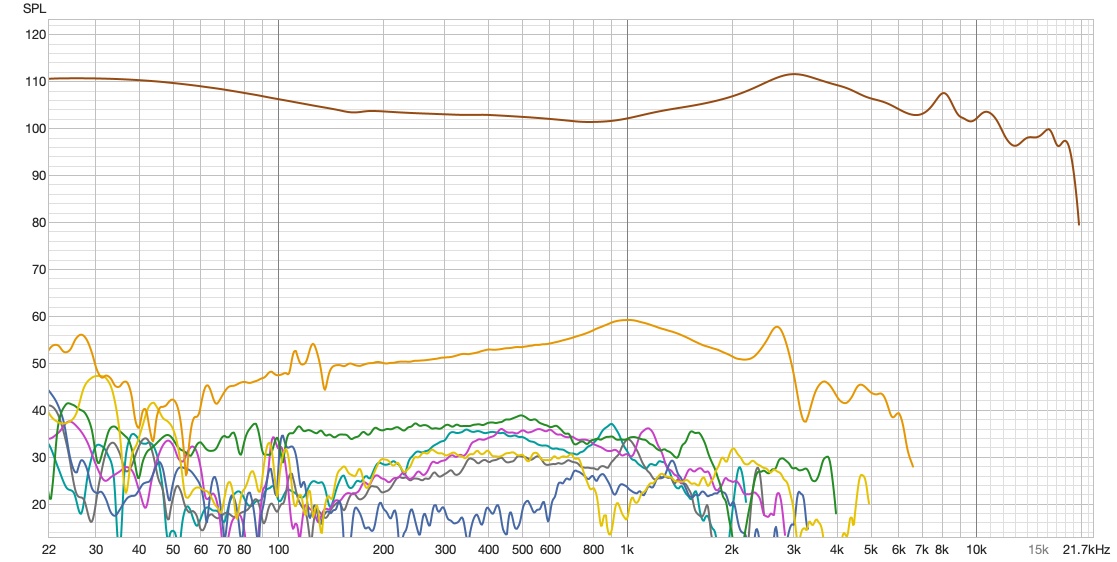
Here’s the distortion expressed as a percentage, showing the excellent control across the frequency spectrum:
Measurement methodology: standard coupler rig with consistent insertion depth across channels, compensated to a transparent reference curve for comparability.
Suggested EQ (optional)
If you want a slight mid‑bass fill and touch more upper‑mid bite:
- +2 dB Q 0.8 at 120 Hz
- +1.5 dB Q 1.0 at 2.8 kHz
- −1 dB shelf above 10 kHz if you’re treble‑sensitive
Rating Explanation
- Strengths: impactful yet clean sub‑bass; natural mids; extended, smooth treble; cohesive hybrid integration; great comfort once tipped correctly; excellent value at $169.99.
- Limitations: shells are large; the included cable is good but not “flagship” level; tip selection is improved but still benefits from rolling for some ears.
Who is it for:
- Listeners who enjoy modern neutral with extra sub‑bass weight
- Those who want extended, airy treble without sharpness
- Anyone considering EPZ P50/KE4 and prioritizing value
Final pragmatic rating: 5/5 for overall execution, value, and everyday usability.
Conclusion
Crinear’s Daybreak nails the current “new neutral/new meta” brief with a bit of extra sub‑bass and air that many will love. After living with it for a month, I keep reaching for it—both for casual listening and as a reference for where sub‑$200 IEMs are going. With its tuning, comfort (once tipped right), and very solid build, it’s an easy recommendation and, right now, one of the best values in the category.
It’s late, but worth the wait—Daybreak feels like the point where the hype and real‑world listening finally match.