NiceHCK Octave
Clean power, modern DAC, and a simple app — a well‑rounded daily driver
The NiceHCK Octave is a compact USB DAC/amp (“dongle”) built around the ES9039Q2M DAC chip with a dual SGM8262 output stage, offering both 3.5 mm SE and 4.4 mm balanced outputs. On paper it brings exactly what I look for day‑to‑day: enough balanced power (rated up to 550 mW @ 32 Ω BAL), a physical gain switch with precise volume steps, and a straightforward Android app that lets you apply EQ quickly without fuss. It’s not trying to be a pocket DAP — it’s a small tool that gets the fundamentals right.
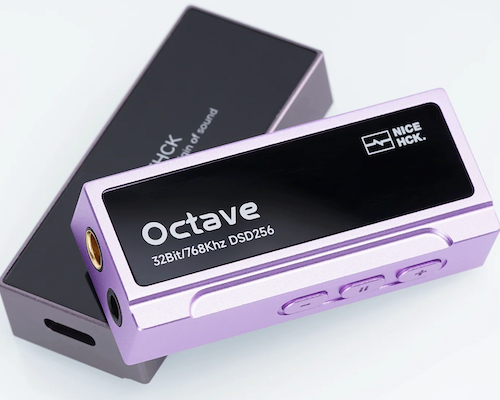
If you’ve read my recent dongle pieces (FiiO Snowsky Melody and Hidizs S8 Pro), you’ll recognise the structure here: simple unboxing, build tour, key features, subjective listening, a few comparisons, specs, and a pragmatic rating.
Unboxing and Build Quality
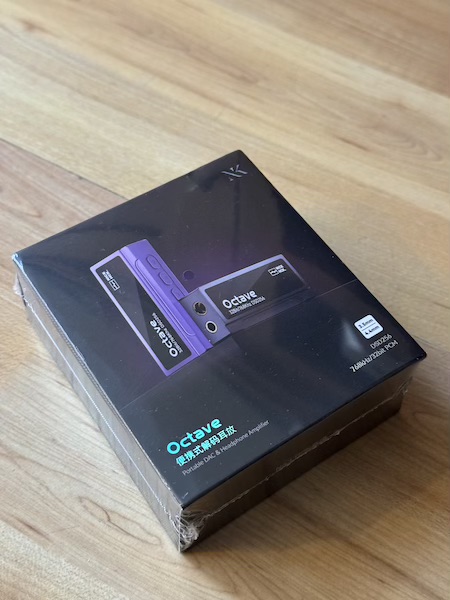
The Octave’s packaging is neat and purposeful, with everything clearly arranged.
Front of the box:
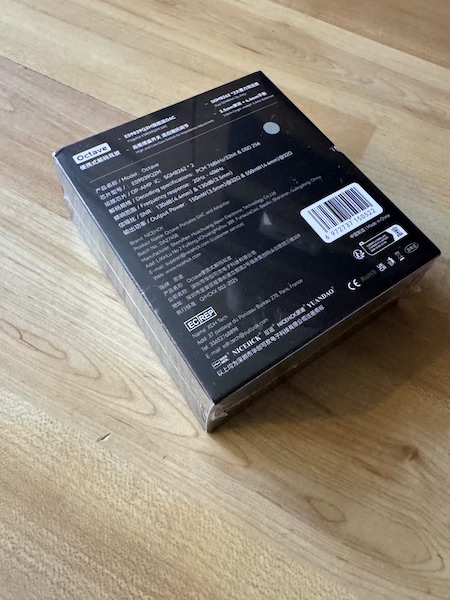
Back of the box with key information:
Inner presentation:
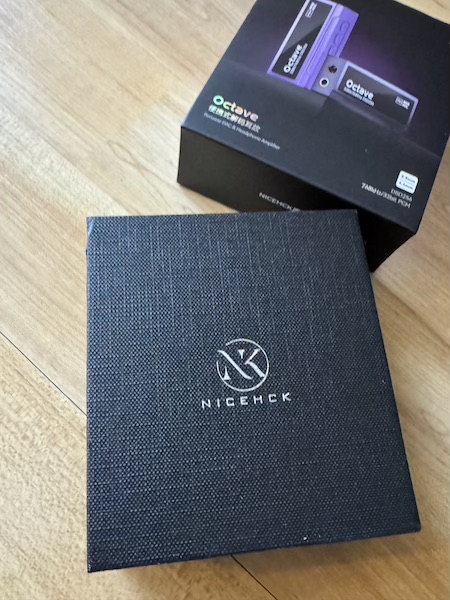
Opening the box:
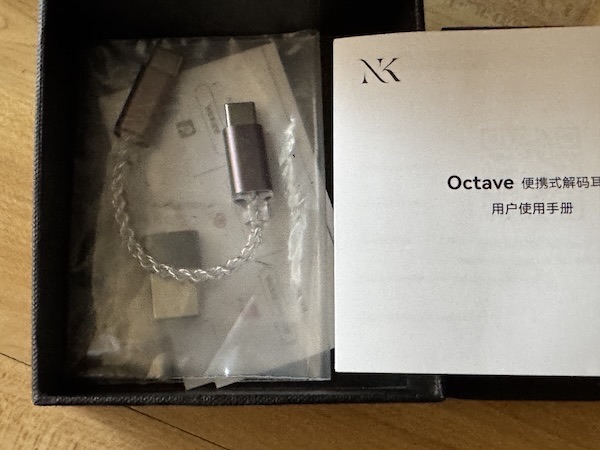
Accessories under the tray:
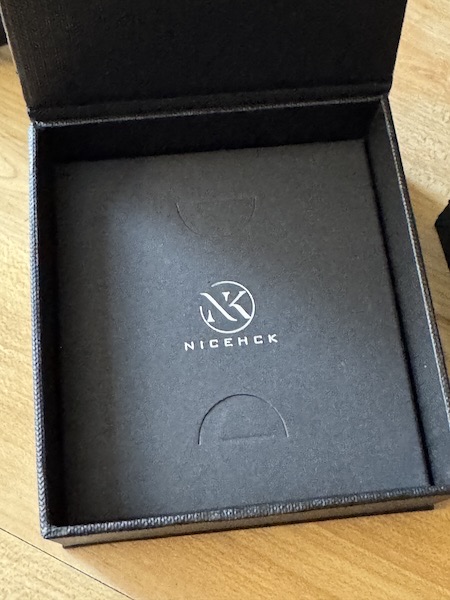
Unit in the box:
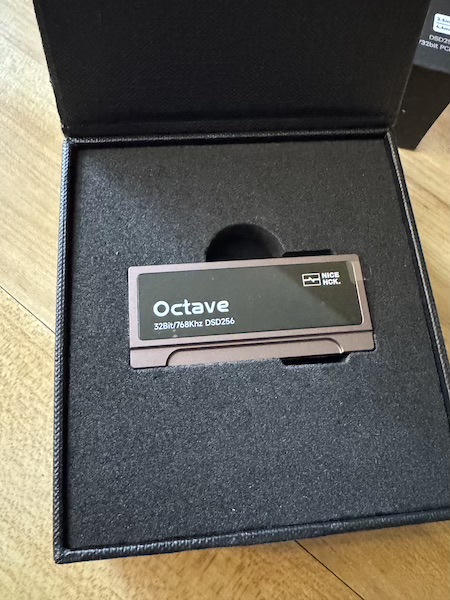
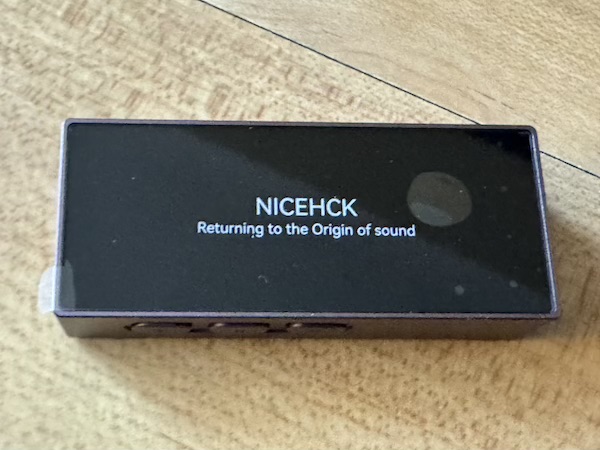
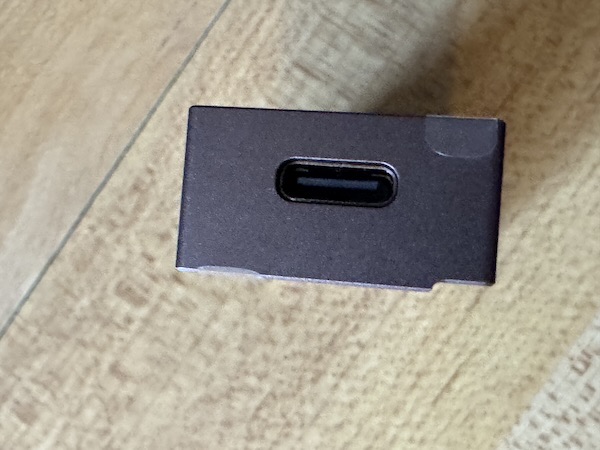
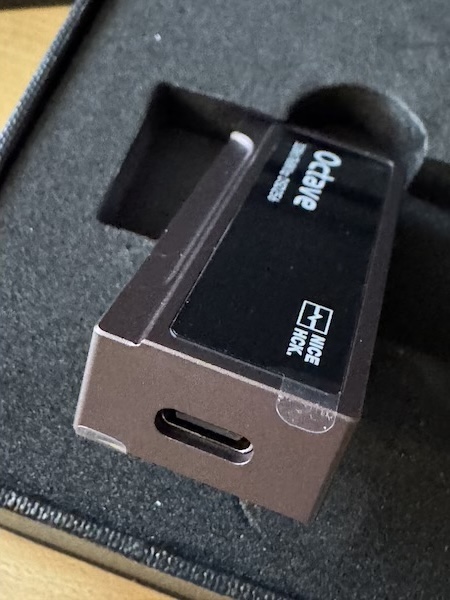
Hardware tour
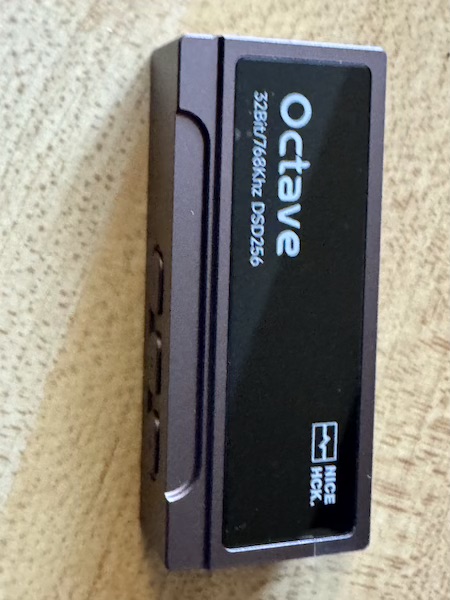
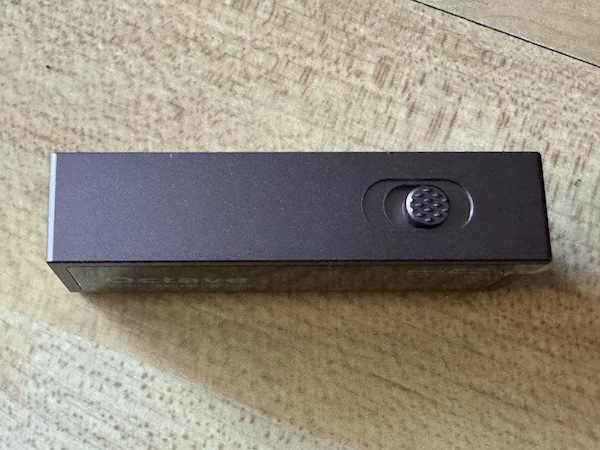
Here are a few angles that show the overall design and I/O clearly:
 |
 |
 |
 |
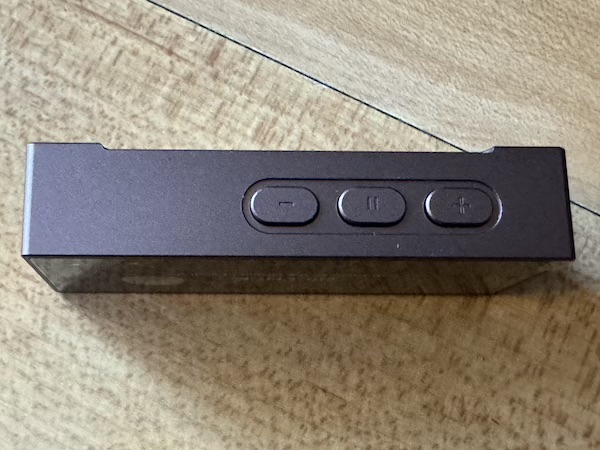
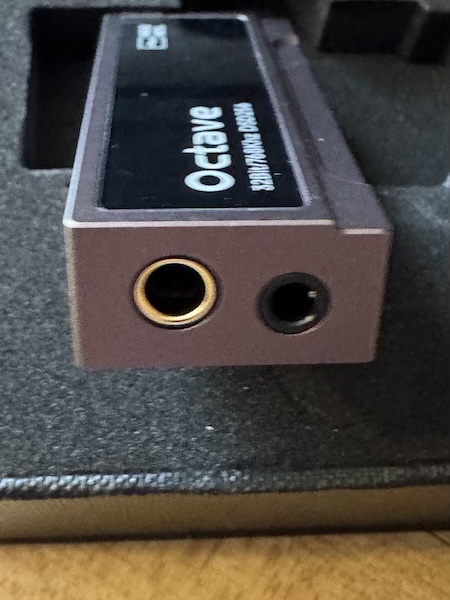
Controls and outputs:
 |
 |
 |
|
Features and Performance
The Octave focuses on the right things for a modern portable DAC/amp:
- ES9039Q2M DAC with a clean, neutral presentation
- Dual SGM8262 output stage with healthy current delivery
- 3.5 mm single‑ended and 4.4 mm balanced outputs
- Rated up to 550 mW @ 32 Ω (balanced)
- Physical gain switch and precise volume steps for fine control
- Android app with EQ profiles and custom tuning (see below)
App and quick EQ
NiceHCK mobile app (Android)
NiceHCK provides a simple Android‑only companion app which supports basic EQ profiles and user tuning. It’s intentionally lightweight: pick a preset, nudge a few bands, save, and you’re done. That simplicity is a feature when you just want a quick tonal adjustment on the train or sofa without diving into menus.
I’ll add a walkthrough with screenshots in a follow‑up update, but for now here’s the QR code included with the unit to get the app:

Planned additions for this section (incoming images):
- App home screen and connection flow
- Preset selection and custom EQ editing
- How to save/recall profiles quickly
DevicePEQ integration and measurement databases
For deeper PEQ workflows, I use my DevicePEQ tool alongside public measurement databases like Super* Review’s squig.link and Crinacle’s graph.hangout.audio. The flow is straightforward: select a headphone/IEM and a target from the same rig/compensation, generate a set of parametric filters, and push them to compatible devices on your network.
Why this matters: matching a measurement and target from the same rig avoids systematic offsets and gives you a more faithful correction. DevicePEQ helps automate the boring bits so you can A/B quickly and iterate pragmatically.
I’ll add screenshots soon showing DevicePEQ running in the browser with an example profile pulled from squig.link and graph.hangout.audio, along with before/after graphs and the push‑to‑device flow.
Sound Impressions
These impressions are subjective and based on pairing with a mix of IEMs and a few easy‑to‑moderate headphones.
- Bass: Clean, well‑controlled, and appropriately weighty when the music calls for it. The balanced output brings convincing grip and keeps low‑end lines tidy without bloom.
- Midrange: Natural and coherent; vocals sit with convincing focus. The Octave avoids the overly etched “hi‑fi” mid glare some ESS implementations can have when not executed well.
- Treble: Extended with a slight sweetness at the edge — enough air for cymbals and room cues, without getting splashy or brittle. Poor recordings are not exaggerated.
- Soundstage & imaging: Solid center image with clean lateral placement. Depth layering scales with the transducer, as expected for a dongle.
Overall, the Octave gets out of the way and lets the transducer’s character come through. On sensitive IEMs the noise floor is quiet, and on 4.4 mm there’s enough headroom for many portable headphones.
Comparisons
A quick look at size and I/O alongside other recent dongles I’ve covered:
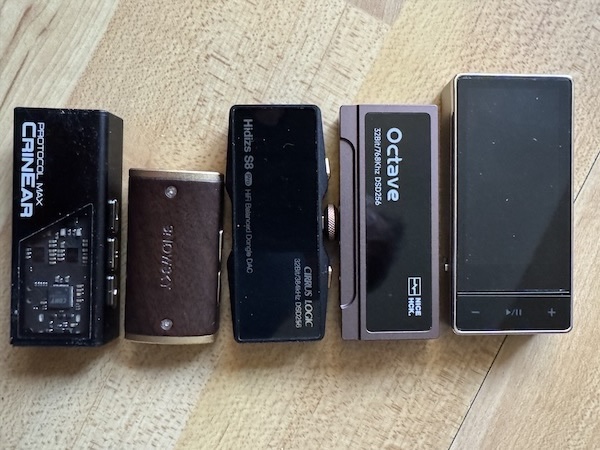
Quick spec/feature comparison across the models shown above:
| Model | DAC | Outputs | Rated Power @ 32Ω | Notable features | Typical price |
|---|---|---|---|---|---|
| NiceHCK Octave | ES9039Q2M | 3.5 mm SE, 4.4 mm BAL | 550 mW (BAL) | Dual SGM8262; gain switch; precise volume; app EQ | — |
| Hidizs S8 Pro (Robin) | Dual CS43131 | 3.5 mm SE, 4.4 mm BAL | 160 mW (BAL), 80 mW (SE) | Hardware buttons, RGB rate LED; no onboard PEQ | $43.99 |
| Crinear Protocol Max | Dual CS43198 | 3.5 mm SE, 4.4 mm BAL | up to 500 mW (BAL, Boost), 125 mW (SE, Boost) | devicePEQ workflow; UAC 1.0/2.0 | $89.99 |
| FiiO Snowsky Melody | Dual CS43131 | 3.5 mm SE/SPDIF (shared), 4.4 mm BAL | 250 mW (BAL) | Wooden shell; app support; on‑device PEQ | $39.99 |
| FiiO QX13 | ES9027PRO | 3.5 mm SE, 4.4 mm BAL | 900 mW (BAL, Desktop), 310 mW (SE, Desktop) | 1.99″ screen; on‑device PEQ; magnetic case | $219+ |
- Versus FiiO Snowsky Melody: Both offer SE + BAL, but the Octave aims higher on balanced power and adds a physical gain switch with very fine volume steps. Melody counters with excellent value and a compact wood‑trim design. If you drive full‑size portables more often, Octave’s extra headroom is welcome.
- Versus Hidizs S8 Pro (Robin): S8 Pro is a clean, neutral performer with great ergonomics and tactile buttons, but it’s showing its age on features. Octave brings stronger balanced output and an Android app for EQ — handy if you want quick voicing changes without external tools.
- Versus Crinear Protocol Max: Protocol Max pushes the performance/value envelope with high output and deep PEQ workflows (devicePEQ). Octave feels more streamlined — less about tinkering, more about “plug in and go” with a simple app when wanted.
Specifications and Measurements
Key specifications
| Specification | Details |
|---|---|
| DAC | ESS ES9039Q2M |
| Output stage | Dual SGM8262 |
| Outputs | 3.5 mm single‑ended; 4.4 mm balanced |
| Rated power (balanced) | up to 550 mW @ 32 Ω |
| Gain | Hardware gain switch |
| Volume | Precise stepped control |
| App | Android‑only; EQ profiles and custom tuning |
| USB | USB‑C |
Measurements and deeper analysis will be added in an update (AP plots, power sweeps, and any load interactions). For now, the on‑paper capability lines up with what I heard: clean output, low noise, and ample balanced headroom for a dongle.
Rating explanation
Pragmatic Rating: 5/5
In daily use, the Octave hits that sweet spot of “small tool, big utility.” The ES9039Q2M implementation is clean, the dual SGM8262 stage provides confident grip on the 4.4 mm output, and the hardware gain switch plus precise volume steps make it easy to dial in level on everything from sensitive IEMs to portable over‑ears. Add the Android app for quick EQ touch‑ups and it becomes a pragmatic pick I kept reaching for—no ceremony, just the right features that speed up getting to good sound. That combination of power, control, and convenience is why it earns a full 5/5 here.
Strengths:
- Modern DAC implementation with competent output stage
- Strong balanced power for the size
- Practical gain switch and precise volume control
- Simple EQ via Android app without extra fuss
Trade‑offs:
- App is Android‑only at present and more limited than the Walkplay App
- No display or advanced device controls (by design), so heavy tweakers may prefer something like Protocol Max or QX13
Who it’s for:
- Listeners who want a compact, powerful dongle with 4.4 mm and quick EQ access
- IEM and portable headphone users who value low noise and clean headroom
Conclusion
The NiceHCK Octave checks the boxes that matter in 2025: a current‑gen DAC, confident balanced power, real volume and gain controls, and a simple app for fast EQ. It doesn’t chase flash — it aims to be a reliable everyday tool, and in my use that’s exactly how it behaves. If you’ve been considering a step up from ultra‑budget dongles (or want something with more balanced headroom than the value champs), the Octave is an easy recommendation to shortlist.