FiiO EH11
Retro-Futurism Meets Wireless On-Ear
FiiO has distinguished itself over the past few years by championing retro and retro-futuristic product design, marrying nostalgic aesthetics with genuinely modern internals. Their CP13 tape deck revival remains a design icon, and their warmer R2R DAC—one of my personal favourites—proved that retro styling could deliver authentic sonic character.
Their Snowsky subbrand has taken this concept further, applying retro visual language across a range of fully featured products that happen to sound remarkably good, but with their fun bright designs are designed to appeal to the next generation of audiophiles.
The EH11 feels like their most refined execution of this formula yet. I’m not an on-ear headphone enthusiast from a pure audiophile standpoint, they feel like fun rather than serious listening instruments. But the EH11 surprised me. Its on-ear form factor, paired with FiiO’s internal engineering, delivers markedly better sound to me than either the Koss Porta Pro or my original Sennheiser HD414 from decades past.
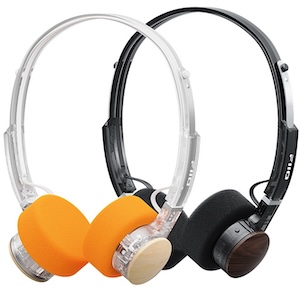
I suspect retro-inspired audio products—both genuinely retro-sounding designs with R2R DACs and tube topologies, as well as retro-futuristic devices that sonically benefit from modern internals—are poised for a significant year ahead.
I would like to thank FiiO for providing the EH11 for this review.
If you are interested in finding more information about this product, you can find it at the official FiiO product page, and it is available on AliExpress.
The EH11 typically retails for $35 USD (tested at $32.59). It is available in five colours: Burgundy, Off-white, Cyan, Transparent Black, and Transparent.

Over the past month, I’ve spent considerable time with the EH11 in my shared office workspace, partly to showcase it to colleagues, but genuinely to experience its convenience in a real working environment where I could enjoy music while remaining present with my team.
I’ve also used it extensively around my house and in the garden. The lightweight combined with the wireless convenience is genuinely liberating, and the battery life claims hold up well in daily use.
Before diving into the sound, let’s take a look at what’s in the box.
Unboxing and Build Quality
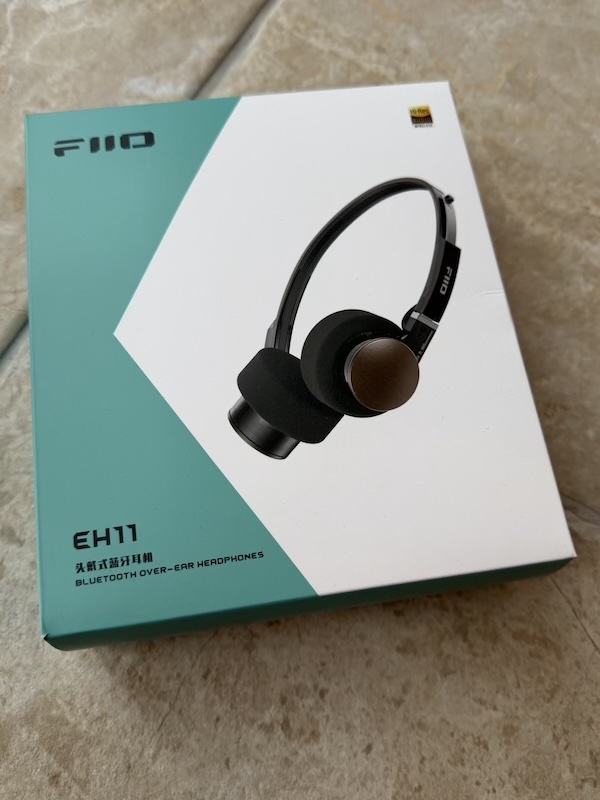
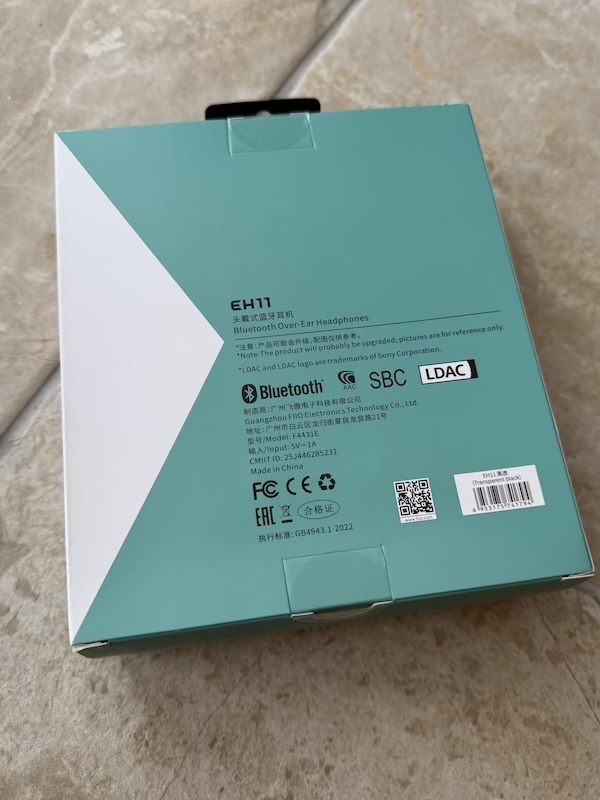
The EH11 arrives in relatively unadorned packaging compared to the more ornate Snowsky designs you see elsewhere in their range. The box is straightforward, with minimal specifications listed on the back—a pragmatic approach that lets the contents speak for themselves.
 |
 |
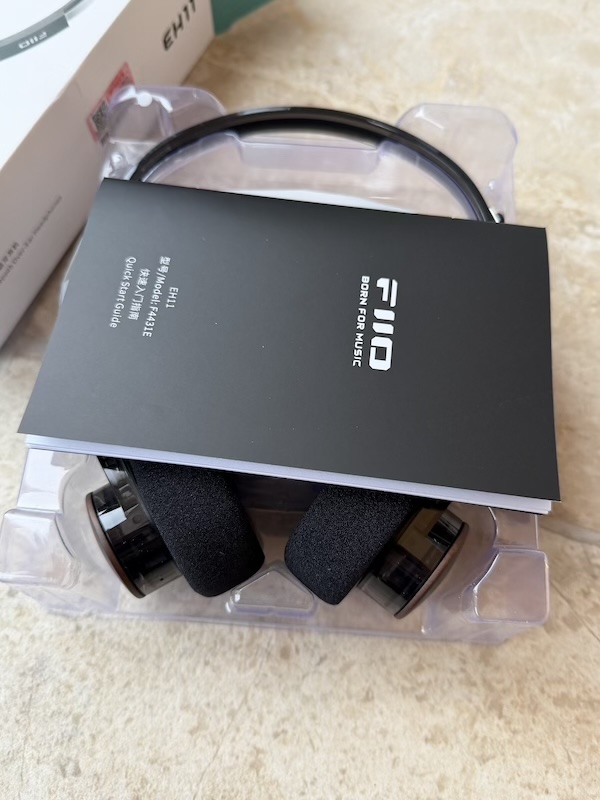
Opening it, you’re greeted immediately by the headphones themselves, nestled under the manual and protected by clear plastic. An accessories box sits within, housing the supplied cables and spare earpads. The immediate impression is one of care and presentation without excess.
 |
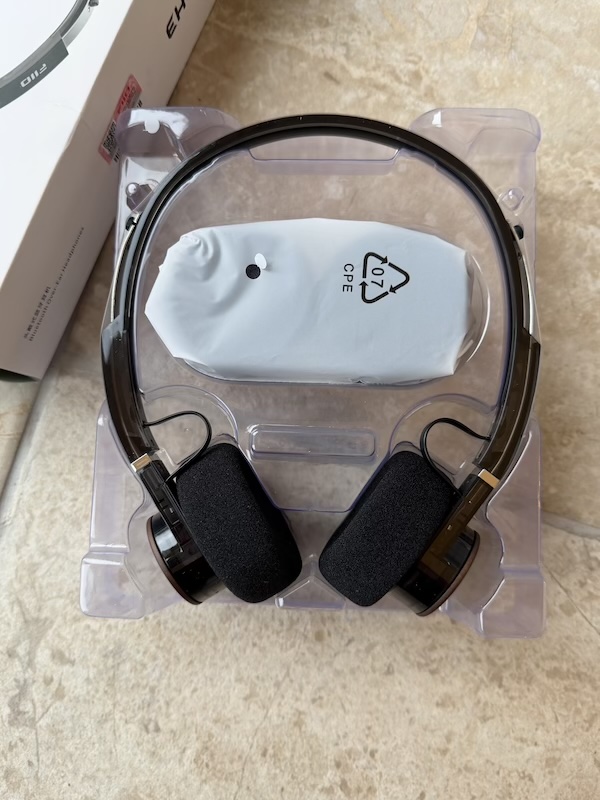 |
What’s particularly impressive is what FiiO includes in the box. You get a second pair of earpads in a different colour, which demonstrates genuine commitment to value. Budget headphone earpads can easily cost more than the entire EH11 itself, so having replacements included is a real highlight.
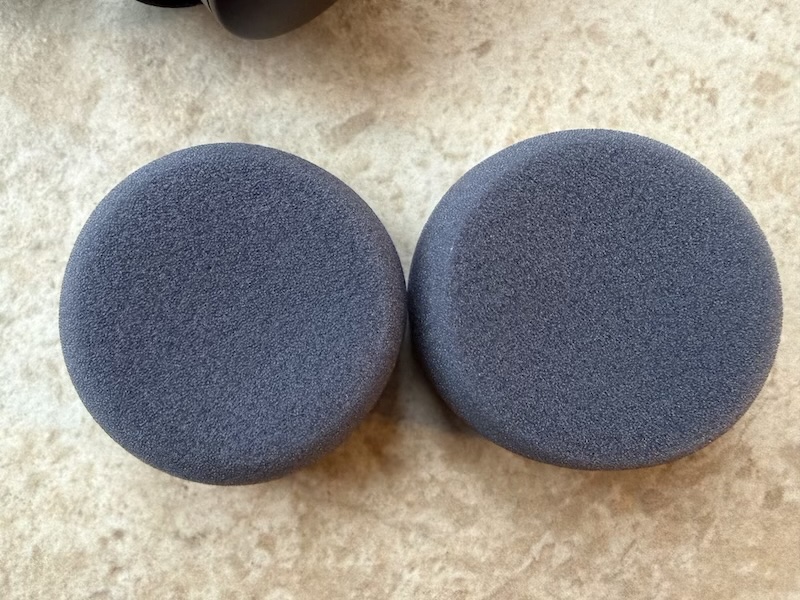
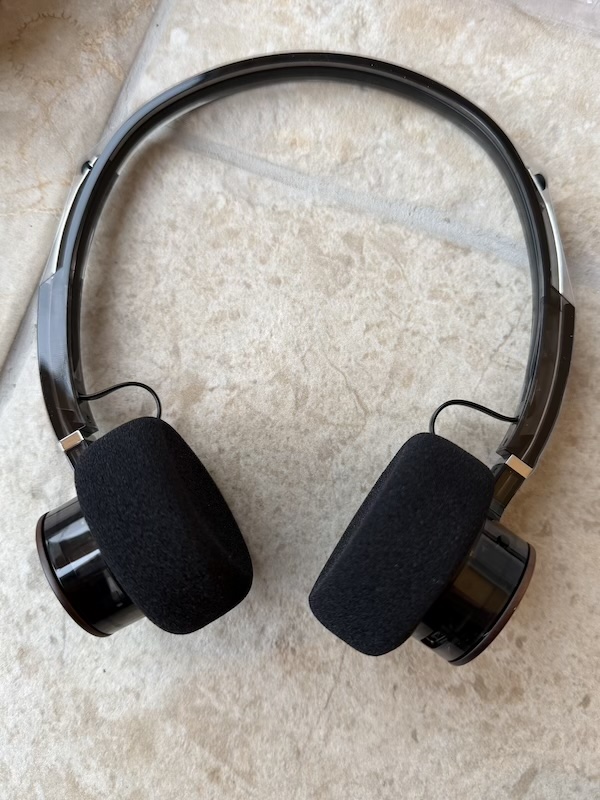
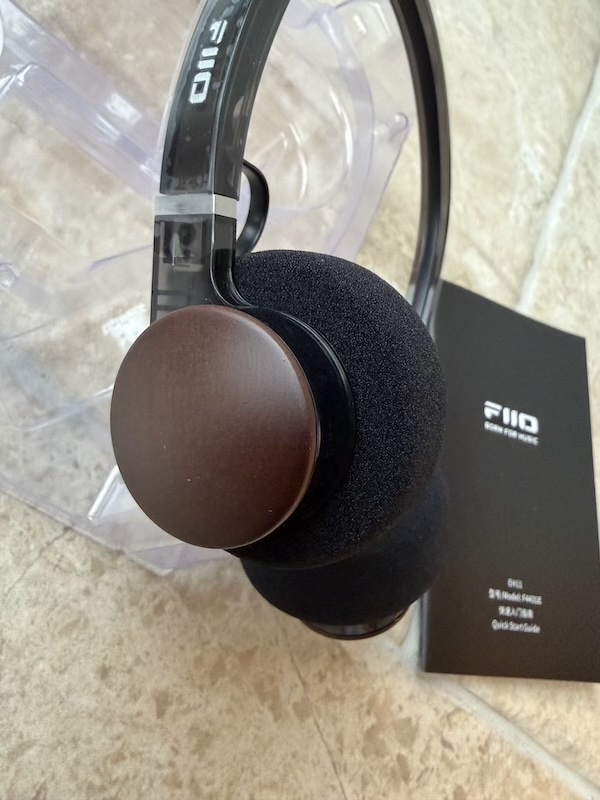
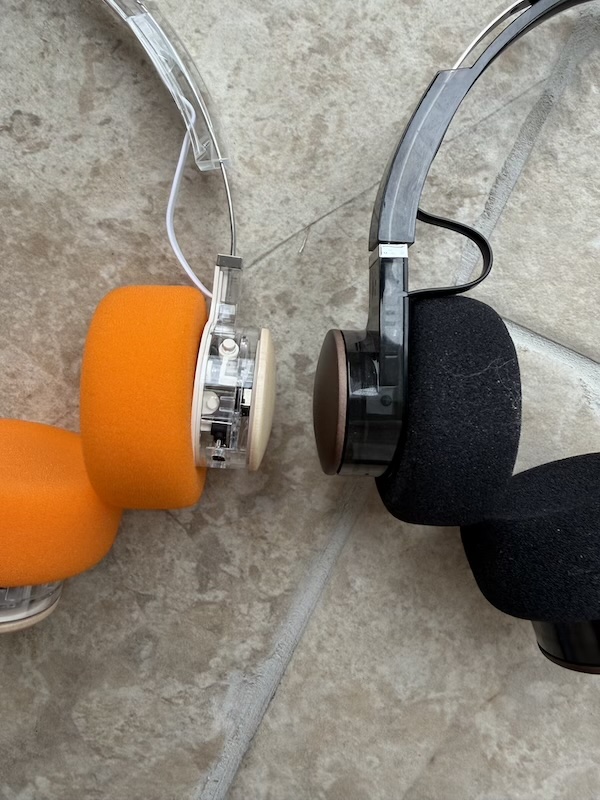
What strikes you first on unboxing is the finish on the wooden earcups. They’re genuinely lovely—warm, well-crafted, and immediately suggest quality despite the sub-$35 price tag. The transparent black variant I primarily used shows the finish beautifully, though I also had the pleasure of comparing it with the transparent model, where you can see directly through the plastic housings to the internals. The included accessories are thoughtfully curated: spare earpads (a genuine relief, given these are proprietary and not standard Koss units; finding replacement earpads for budget headphones can easily cost more than the headphones themselves), charging cable, and documentation.
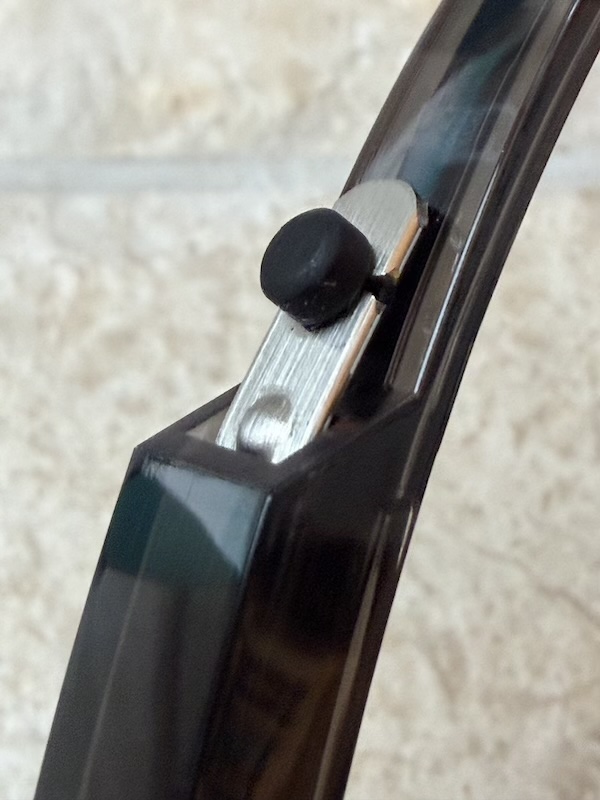
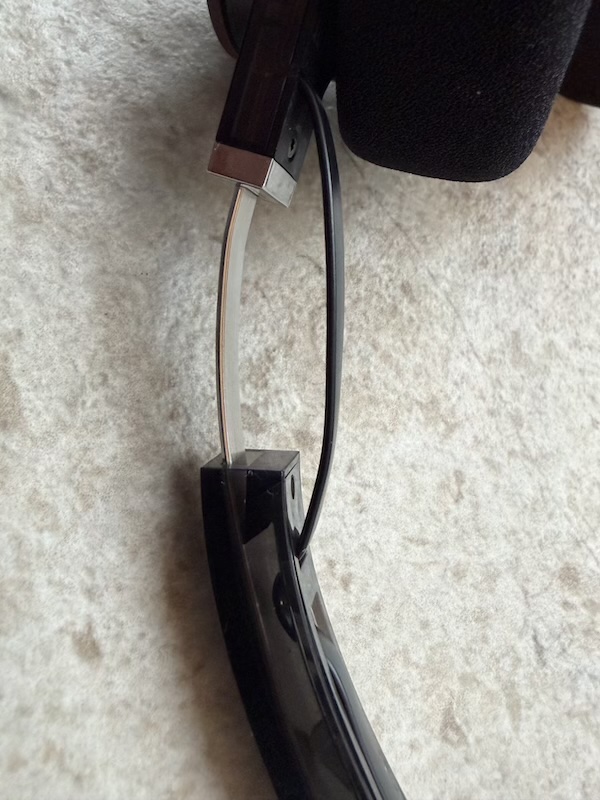
The build quality is solid throughout, with one caveat worth mentioning. The headband extension mechanism is smooth and offers good range—no concerns for larger head sizes—but the plastic components do feel like they could be a weak point if you were to, say, accidentally sit on the headphones. It’s the sort of thing that would snap first under direct pressure. Beyond that, the construction feels appropriately durable for portable use.
 |
 |
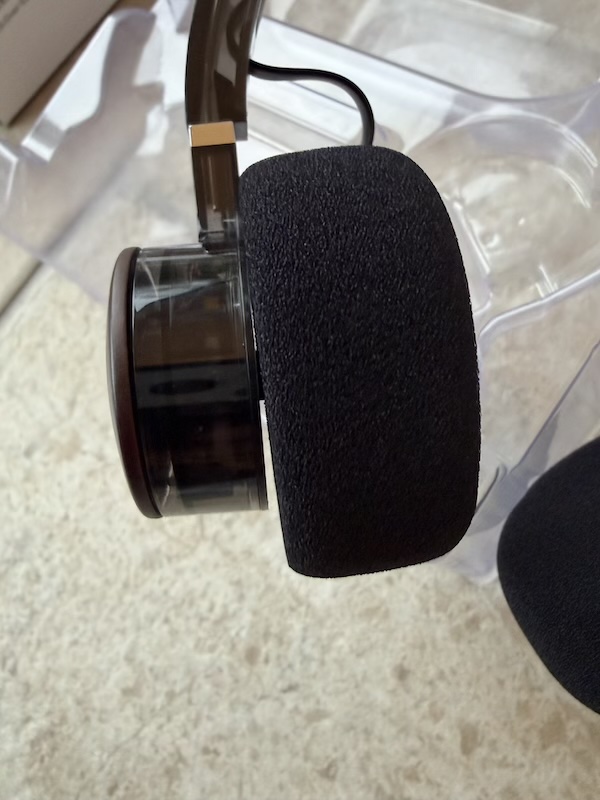
The earpads themselves are notably deep and genuinely comfortable for an on-ear design, though they’re not particularly wide. I found them suitable for extended listening sessions, though users who prefer larger, flatter pad designs (as I do) might find the Moondrop Old-Fashioned’s wider earcups slightly more comfortable. The whole assembly weighs only 92 grams, making it genuinely lightweight—something you’ll appreciate during hours of use.
 |
 |
Design and Controls
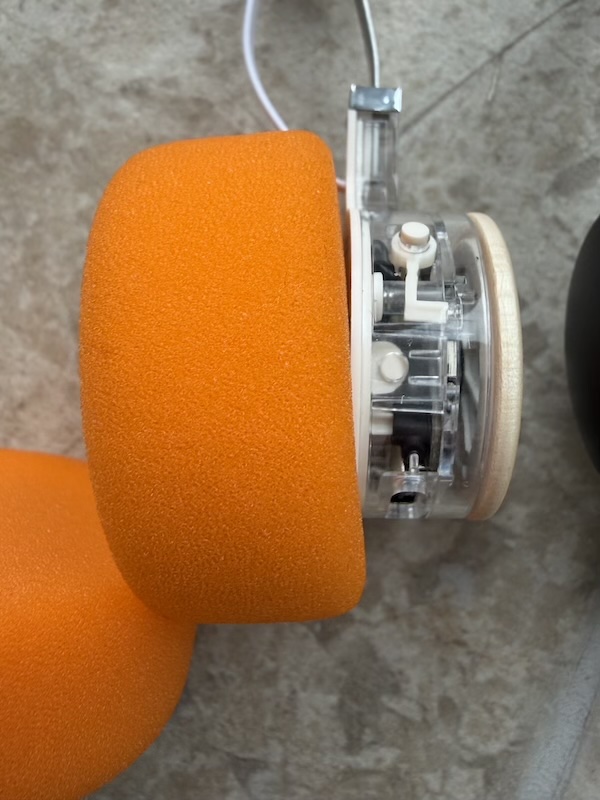
The wooden earcup design isn’t purely aesthetic. FiiO has engineered them as functional volume controls—rotating one earcup adjusts volume, rotating the other skips forward and back through tracks. This approach is elegant and eliminates the need for fiddly +/- buttons. After a brief acclimation period (admittedly, I did initially mix up which earcup controlled volume versus track navigation), the system feels intuitive. The tactile feedback is precise, and I experienced no accidental adjustments during normal wear.
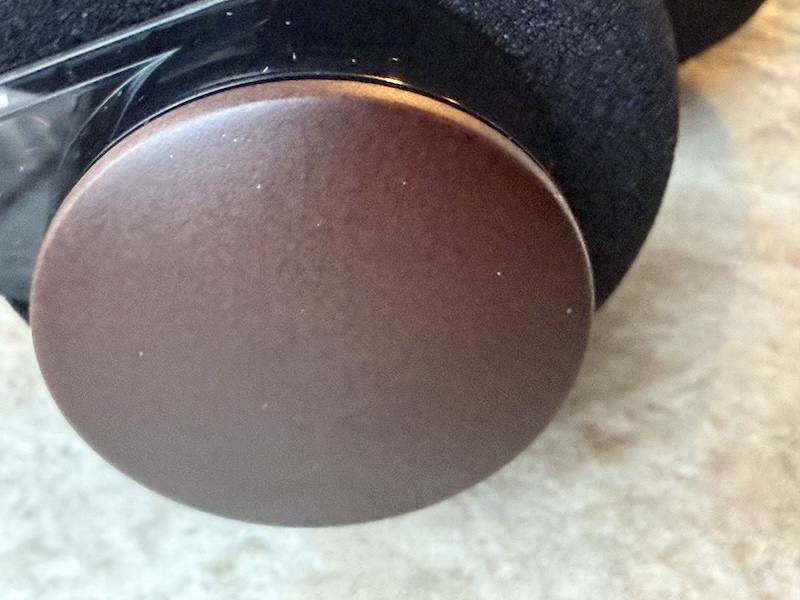
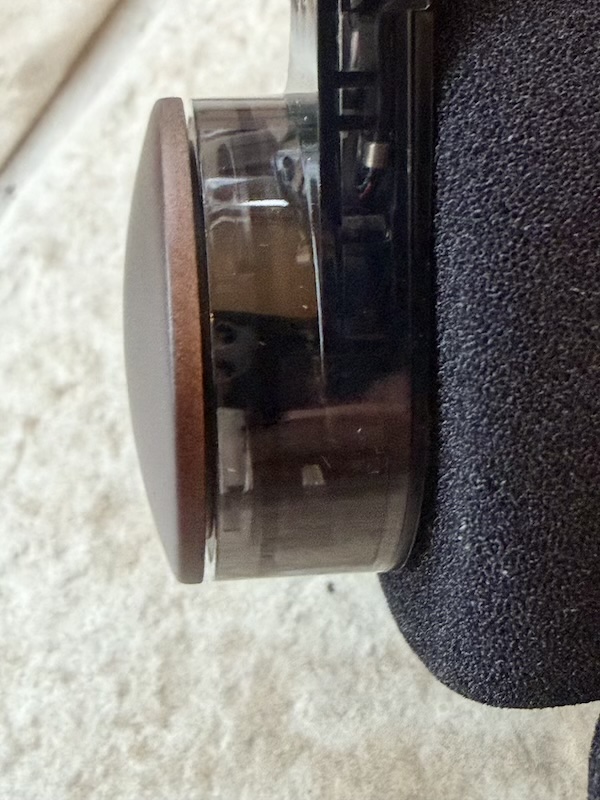
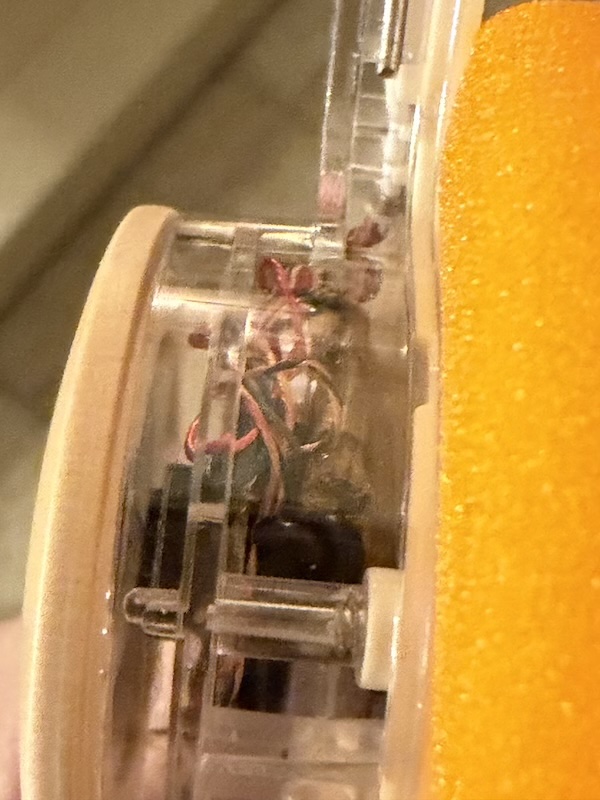
You can subtly see the internals through the plastic housings, which speaks to the manufacturing quality and gives the design a hint of the engineering inside. This visual transparency is even more pronounced on the all-transparent colour option. The contrast between retro styling and visible modern electronics is precisely what makes the retro-futuristic aesthetic work.
 |
 |
 |
 |
Features and Bluetooth Performance
The EH11 ships with Bluetooth 6.0 and support for both SBC and LDAC codecs (with unofficial AAC support as well). In practice, the Bluetooth connection proved remarkably stable across both LDAC and standard streaming to my iPhone. Range was solid, and I encountered no dropouts during normal use. The battery life specification of 30 hours holds up in real-world testing, offering genuinely multi-week intervals between charges with casual daily use. Charging takes around two hours, which is reasonable.
The parametric EQ implementation via the FiiO Control app is where the EH11 truly distinguishes itself. Rather than offering a simple preset library, you can layer multiple parametric filters to shape the sound to your preferences. This is where the default tuning becomes crucial: FiiO has applied internal DSP shaping out of the box, resulting in a signature that’s measurably better than applying no EQ at all. The app includes preset curves from various sources, including one from MRS (Super Review), though my measurements suggest some unit-to-unit variation in how these presets perform—something to keep in mind if you’re chasing a specific sonic target.
Sound Impressions
I tested the EH11 across a variety of genres and sources, using both the default out-of-box tuning and experimenting with custom parametric adjustments. The headphone’s openness—a natural consequence of its on-ear design—means you’re always aware of your environment, which is either a feature or limitation depending on context.
Bass
The bass signature out of the box shows noticeable roll-off in the sub-bass region, which is typical for on-ear designs. Tracks like Jessie Ware’s “Limit to Your Love” reveal this limitation immediately: the deep sub-bass extension doesn’t fully materialize until you apply some targeted sub-bass EQ. That said, where the bass is present, it carries quality and articulation. The mid-bass has good texture and doesn’t bloom unnaturally. With even modest parametric adjustments in the sub-bass region, you can restore the presence that makes bass-heavy material feel grounded. Try Jennifer Warnes’ “Way Down Deep” to hear how the EH11 handles both sub-bass depth and mid-bass texture once EQ’d appropriately.
Midrange
The midrange is genuinely excellent. This is where the EH11 shines and why I found it so engaging during working hours—vocals and instruments carry melodic texture and tonal density that pulls you into the music. There’s a smoothness to the upper midrange that avoids the nasal quality you sometimes encounter in budget headphones. Joni Mitchell’s “A Case of You” showcases the vocal intimacy and harmonic richness the EH11 can deliver; the piano weight and her vocal body feel present and natural.
Treble
The treble is reasonably extended and, importantly, not sibilant—a genuine achievement at this price point. You get decent air and shimmer without the glassiness that plagues many budget on-ears. That said, treble remains the area where on-ear headphones struggle most, and the EH11 is no exception. The upper-harmonic resolution is competent but not exceptional. Eagles’ “Hotel California” (acoustic version) is a good test: the guitar pick attack comes through cleanly, and cymbal air is present, but you won’t mistake it for the shimmer and transient speed of higher-end designs. On-ears inherently sacrifice some treble refinement due to their openness, and the EH11 doesn’t fundamentally change that equation—it simply does it well.
Soundstage and Imaging
The soundstage feels appropriately open and diffuse, which is what you expect from an on-ear that doesn’t seal around your ears. There’s a sense of space and breath to the presentation. However, precise imaging and instrument localization are not strong suits. The inherent openness works against the kind of pinpoint stereo imaging you’d get from a sealed over-ear or in-ear. This is less a limitation of the EH11 specifically and more a characteristic of the on-ear form factor itself. Radiohead’s “How to Disappear Completely” illustrates this: you get the ambient layering and depth of the track, but individual instrument placement is less three-dimensional than you’d hear on a more isolating design.
Comparisons
Moondrop Old-Fashioned
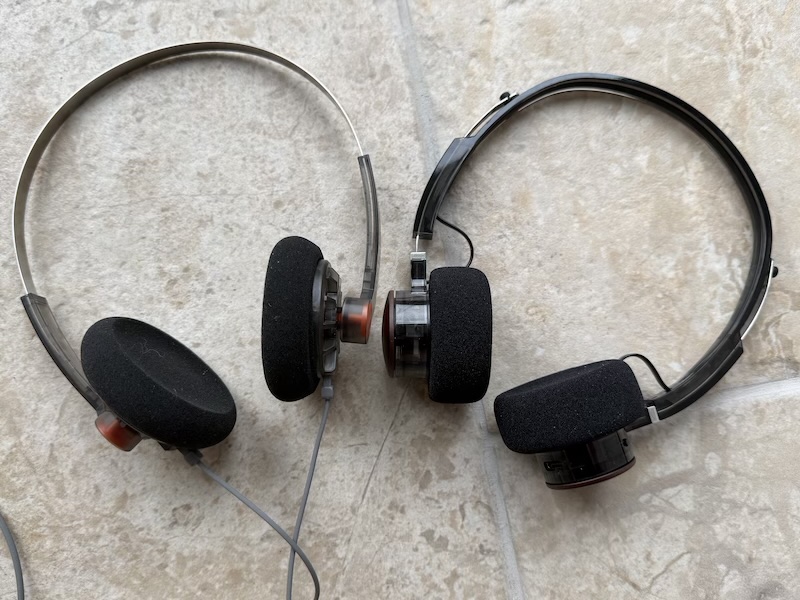
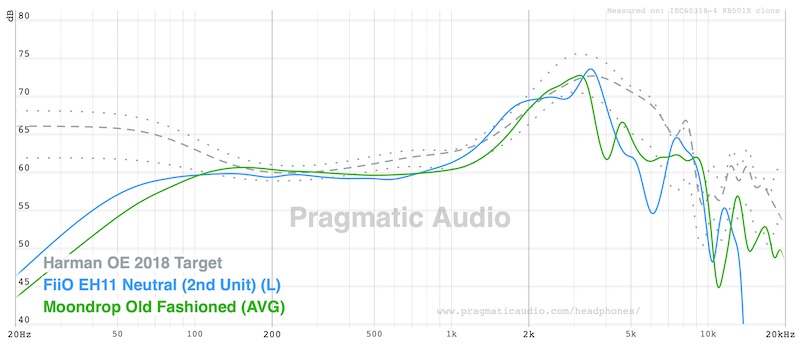
The Old-Fashioned is the obvious comparison—both are retro-styled, both aim for a warm-leaning aesthetic, and both cater to listeners who value design and nostalgia. The EH11’s key sonic advantage lies in its bass response. With the default tuning applied, the EH11 extends lower and sounds more composed in the low end. It also offers a smoother upper midrange with less presence peak. The Old-Fashioned, conversely, is wired (which appeals to some, limits others), and its midrange without EQ application is arguably more textured—it has a character that some listeners prefer. However, here’s where the EH11’s secret weapon emerges: the parametric EQ. Remove the default tuning from the EH11 and apply neutral measurement corrections, and the Old-Fashioned arguably sounds more naturally balanced. But with the EH11’s default DSP shaping enabled, the FiiO product simply sounds better composed and more refined. For a $35 wireless on-ear to outperform a wired reference in default configuration is genuinely impressive.
 |
 |

Koss Porta Pro and Sennheiser HD414
Both of these are spiritual predecessors in the on-ear space. The EH11 is markedly superior in measurable terms and in practical performance. The wireless convenience alone is a massive quality-of-life improvement over wired designs from the 1970s and 1980s. More importantly, the on-ear performance itself—bass extension, tonal balance, clarity—is significantly better. The Koss remains a design icon and still a decent value proposition at its current price, but the EH11 is simply a more capable listening device.
Specifications and Measurements
| Specification | Value |
|---|---|
| Driver | 40mm dynamic, composite diaphragm |
| Frequency Response | 17 Hz–40 kHz |
| Impedance | 160 Ω |
| Weight | 92 g |
| Bluetooth Version | 6.0 |
| Codecs | SBC, LDAC, AAC (unofficial) |
| Battery Life | ~30 hours |
| Charging Time | ~2 hours |
Measurements
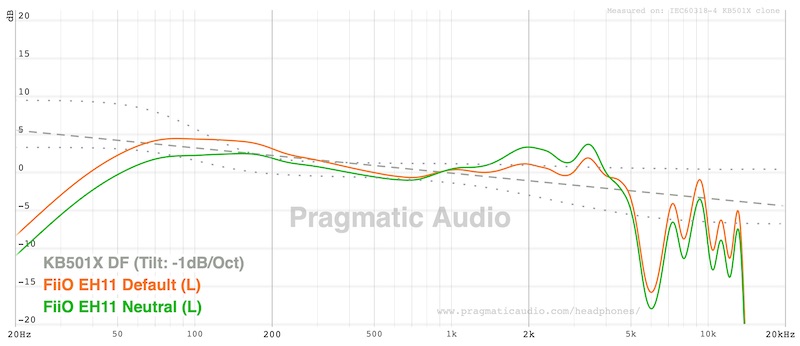
The default out of the box tuning on the EH11 is superb for an on-ear headphone:
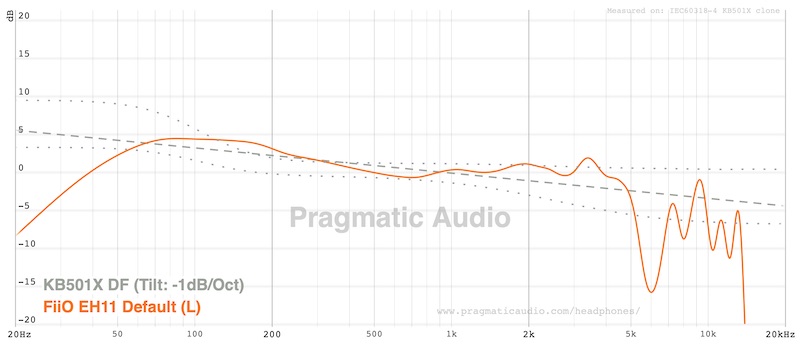
With only that sub-bass roll-off (1) really being something I would try and correct with the PEQ availalbe via the FiiO Control app, though maybe that peak in the treble (2) might need to be investigating via Tone Gen to see if you really have that peak on your head:
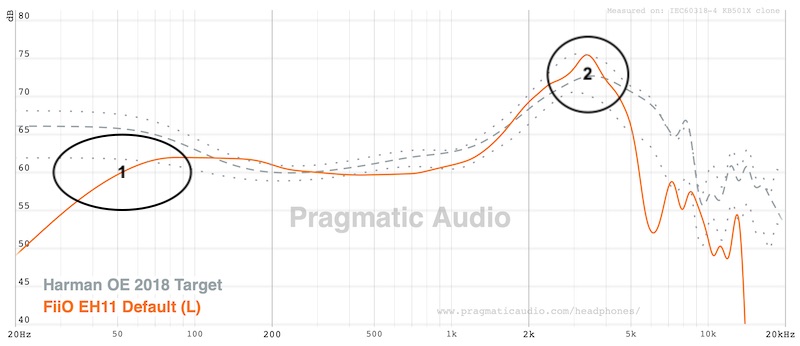
Channel matching is exceptionally tight, indicating solid manufacturing control. You’re getting a headphone that measures like something at a significantly higher price point.
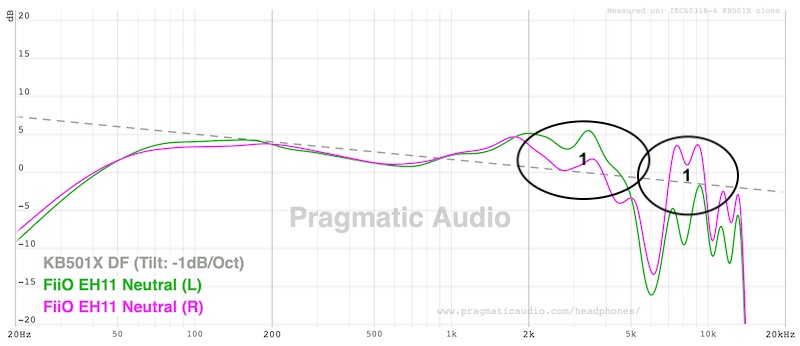
One thing to bear in mind, FiiO utilise their PEQ with the default tuning, so if you reset the PEQ to ’neutral’ you will get a different response. The ’neutral’ curve shows a gentle elevation in the mid-bass and a subtle presence peak in the upper midrange that, while visible on graphs, translates to engaging, non-fatiguing listening in practice.
When compared directly to the Moondrop Old-Fashioned, the EH11’s default signature shows better bass extension and a more refined upper midrange. Without the default tuning (measuring the neutral, unEQ’d response), the Old-Fashioned arguably wins in terms of natural balance—the EH11’s midrange becomes more recessed. This comparison underscores how critical FiiO’s tuning work is to the EH11’s appeal.
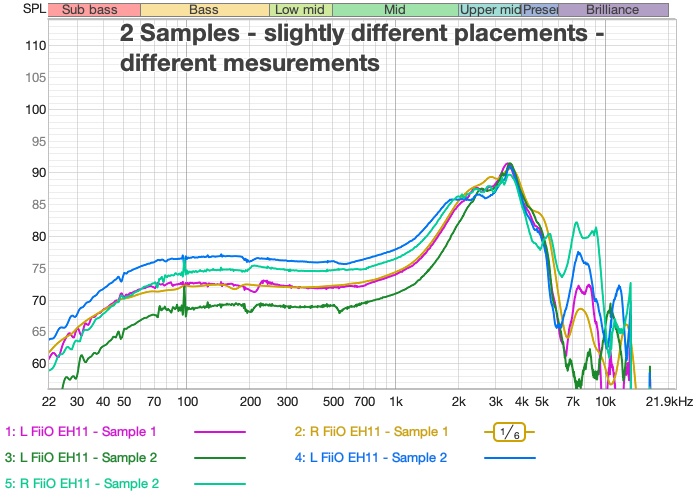
The EH11 measures remarkably well for an on-ear headphone, showing mostly good consistency across different wearing positions. When you position the headphones at various angles on your head—something that typically causes significant frequency response shifts on cheap on-ears—the EH11’s FR remains mostly consistent as you can see in the following various positional measurements:
Testing two units revealed minor treble variations between individual samples, which is fairly normal in manufacturing but worth being aware of if you’re considering purchasing two units:
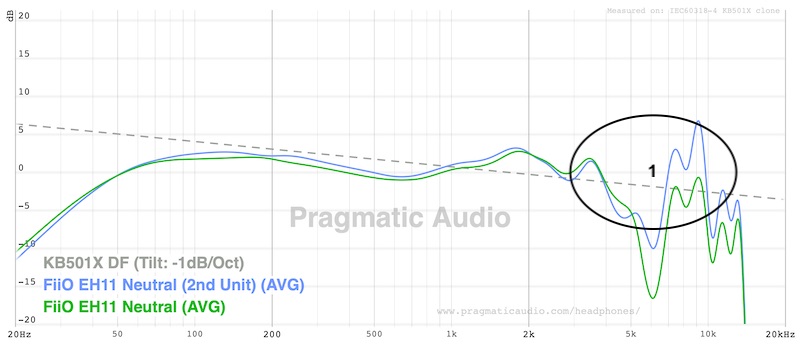
The MRS (Super Review) parametric preset available in the app shows measurable differences from what one might expect, suggesting some unit-to-unit variation exists. This is something to keep in mind when chasing specific measurement targets—your particular unit may vary slightly in treble response. That said, the variation is modest and unlikely to be audibly significant for most listeners.
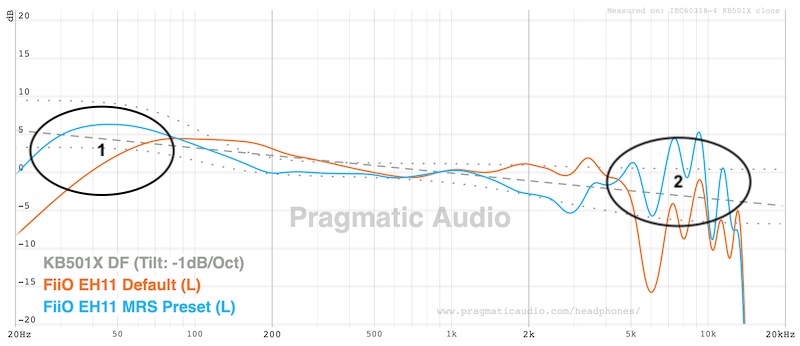
This Preset adds that useful sub-bass boost, but probably because of the treble variation between units does seem to increase the treble when measured on mine.
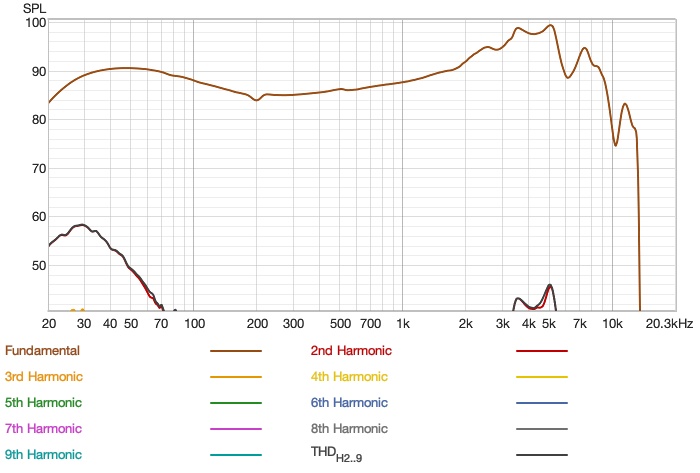
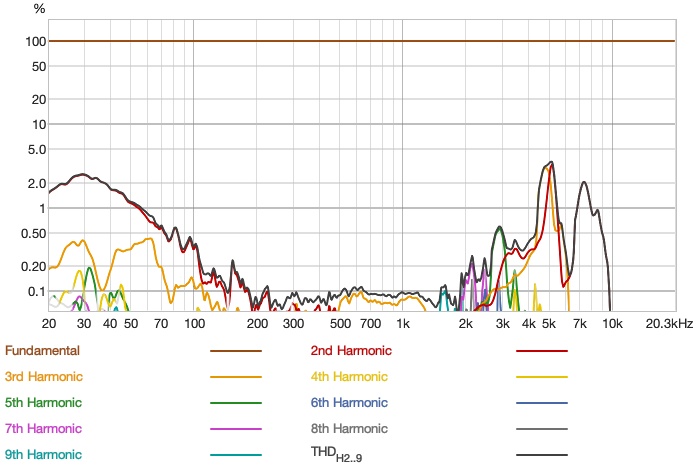
Distortion levels are impressively low across the frequency range, including in the sub-bass region where dynamic headphones typically struggle. This means you can apply aggressive sub-bass EQ without introducing audible distortion—a critical feature for a headphone that ships with sub-bass roll-off.
 |
 |
Rating Explanation
The EH11 earns a 5-star Pragmatic rating because, at $35, it executes its mission flawlessly. It’s a wireless, comfortable, well-engineered on-ear headphone with excellent build quality, smart controls, and surprising sound performance out of the box. Does it have limitations? Absolutely—it’s an on-ear, so don’t expect isolation, and the on-ear form factor inherently compromises some of the instrument separation and clarity that serious listeners crave. But if you understand these trade-offs and value the lightweight comfort, wireless convenience, and genuine sound quality the EH11 delivers, you’re getting extraordinary value.
You’re getting LDAC support, parametric EQ, two pairs of earpads, a thoughtful design, and sound quality that rivals wired on-ears costing three times as much.
For whom is the EH11 ideal? Anyone who values lightweight comfort, wireless convenience, and pragmatic sound quality over isolated, analytical listening. If you’ve spent years with portable headphones or worked in environments where you needed to stay connected to your surroundings while still enjoying music—as I did with the Sennheiser HD414 decades ago—the EH11 will feel like a genuine upgrade and a spiritual heir to that tradition.
The retro aesthetic will appeal if you appreciate design that nods to the past while embracing modern technology. And if you’re willing to spend 15 minutes dialing in your preferred EQ curve via the app, you’ll have a headphone that punches significantly above its weight class.
Conclusion
The FiiO EH11 represents everything right about FiiO’s recent retro-futuristic direction: gorgeous, nostalgic design paired with modern engineering that actually delivers on the promise. It’s not a serious audiophile headphone—on-ears simply can’t be, given their inherent acoustic compromises. But it’s a genuinely enjoyable, highly convenient, and remarkably capable casual listening device that will appeal to anyone fatigued by in-ears, uninterested in the weight and isolation of over-ears, or simply nostalgic for the lightweight on-ear aesthetic of decades past.
If you value pragmatism, design, and the freedom to listen wirelessly while remaining aware of your surroundings, the EH11 is an instant recommendation. It’s proof that FiiO’s retro-futuristic vision—marrying nostalgic form with modern capability—can deliver real results.