FiiO SnowSky Disc
A Retro CD-Inspired Player with a Futuristic Touch
SnowSky is FiiO’s “fun” sub-brand, dedicated to bringing retro-futuristic design philosophy into the modern audio world. Known for products like Echo that I recently reviewed (inspired by the tape cassette) and the Retro Nano from last year, SnowSky occupies a unique space in the market — balancing nostalgic aesthetics with genuinely modern, high-quality audio circuitry.
I love this philosophy: retro charm wrapped around professional-grade internals. It’s exactly what we need to draw a new generation into appreciating good-sounding audio products. When I heard that FiiO was releasing a Disc player (taking inspiration from the Sony CD Walkman), I was immediately curious to see if the same care went into both the design and the sound.
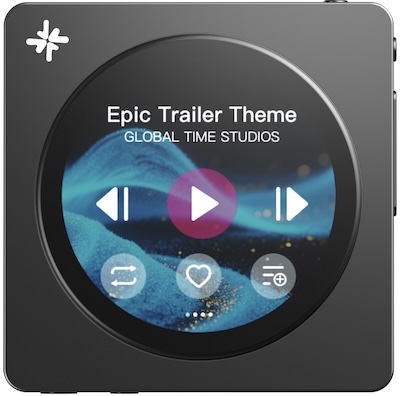
I would like to thank FiiO for providing the SnowSky Disc for the purposes of this review.
If you are interested in finding more information about this product, you can find it at the official FiiO product page, and it is also available on AliExpress.
The SnowSky Disc typically retails for $80, though regional pricing may vary with tariffs and availability.
I’ve been using the Disc for a few weeks now, rotating :grin it alongside the Echo and several other portable DAPs for daily listening and comparisons. The circular glass display is immediately the standout — there’s something tactile and engaging about interacting with it, and it makes navigating menus feel like you’re actually using something rather than just tapping through software, which was a complaint I had about the Echo. But it’s more than music player; it has some internal tricks that make it a versatile audio component that can grow with you from day one.
But first, let’s take a look at what’s in the box.
Unboxing and Packaging
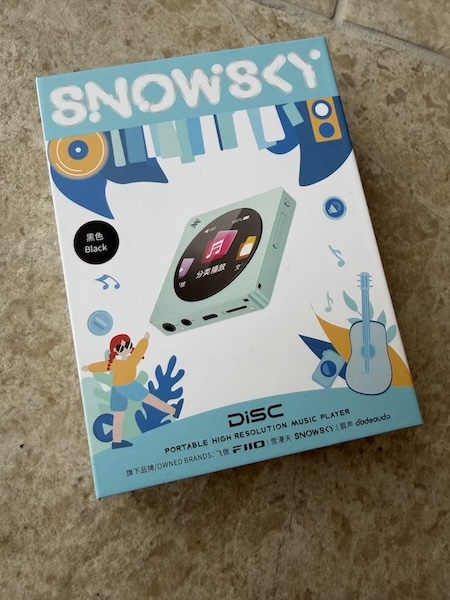
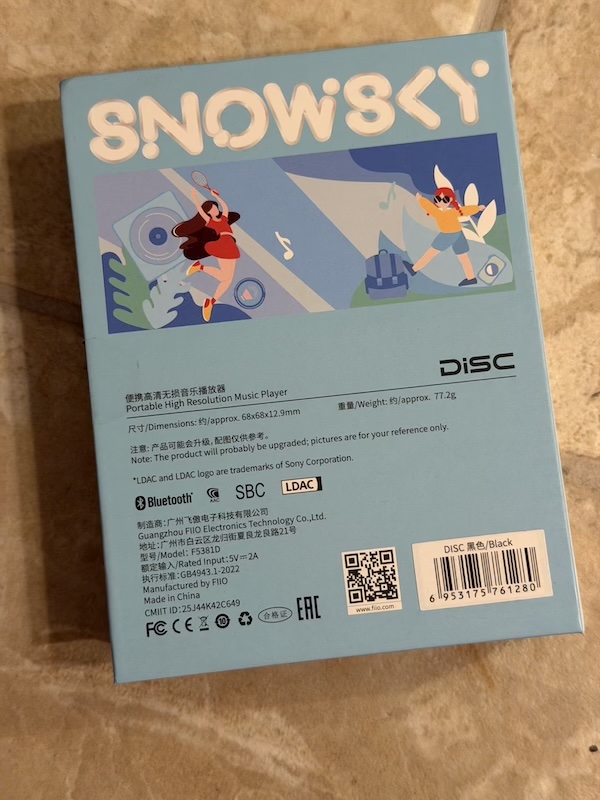
The packaging immediately communicates FiiO and SnowSky’s philosophy. The box has a playful, inviting design that targets a new generation of consumers — people who want products that look cool and fun while still sounding genuinely good. It feels intentional and refreshing compared to the clinical approach of many audio brands.
 |
 |
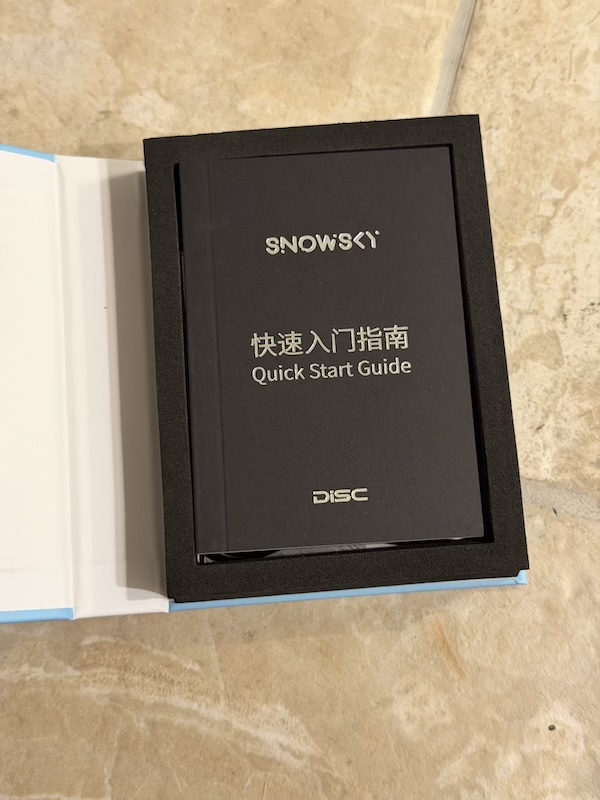
Inside, the layout is clean and practical. Everything is well-organized, and the device itself sits securely in its cradle.
 |
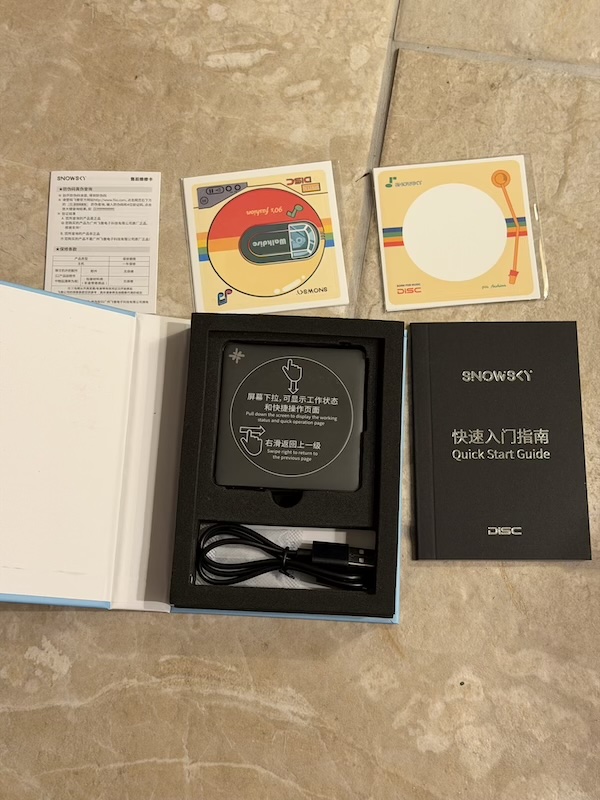 |
The included accessories are minimal but useful: the Disc itself, a USB-C cable, some stickers and documentation. The simplicity reflects a design-first philosophy — you get what you need without unnecessary padding.
Build Quality and Design
The build quality is genuinely excellent. Unlike some competing products in this price range — the otherwise impressive Hiby R1, for instance — the Disc doesn’t compromise with plastic construction. The metal finish is refined and durable, and the circular glass display is robust and responsive. It’s immediately clear that FiiO invested in materials that justify the retro aesthetic.
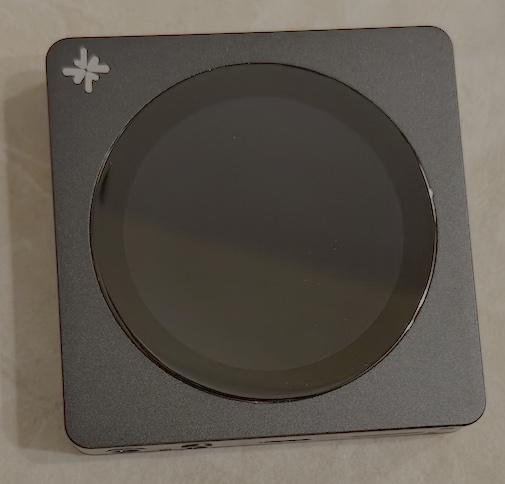
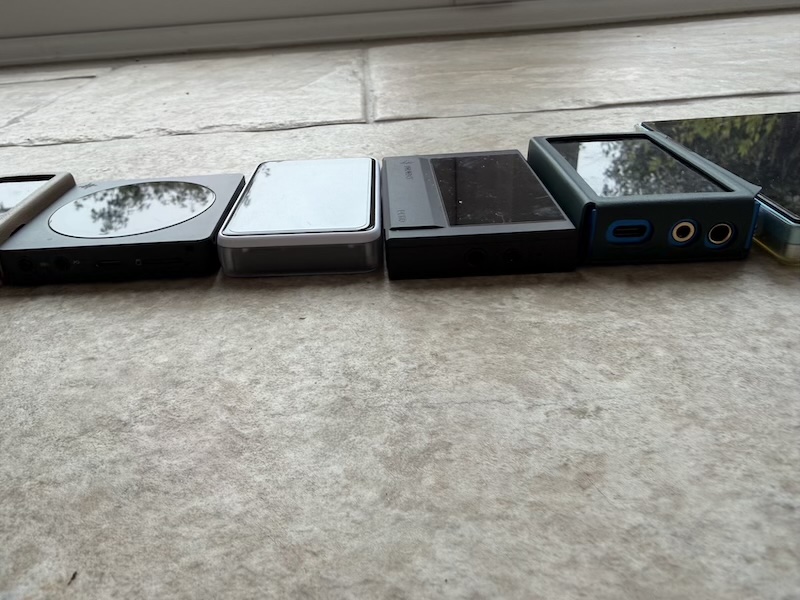
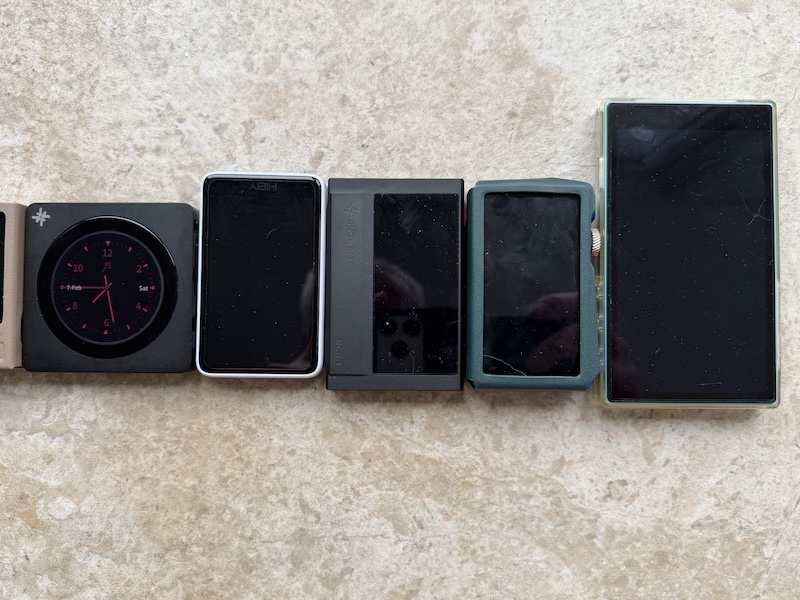
While obviously smaller than the Sony CD Walkman that inspired it, the Disc is slightly larger than some competing ultraportable DAPs. This is actually a strength — it’s pocket-friendly without feeling cramped or toylike. The form factor sits in a sweet spot between portability and usability. The circular touchscreen is the design centerpiece, and it’s not just visual appeal; the implementation is genuinely practical. Swiping left and right navigates between sections, pull-down menus access quick settings like brightness, and the overall interface feels intuitive once you spend ten minutes with it.
 |
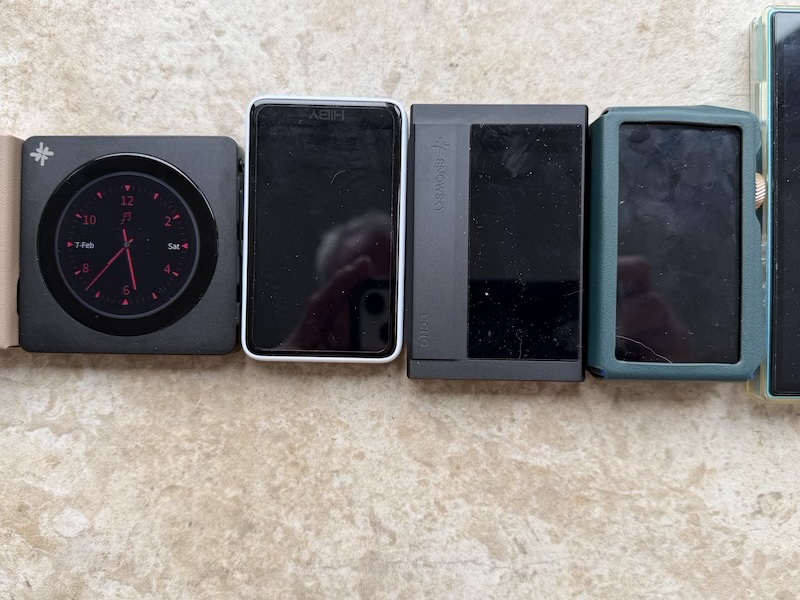 |
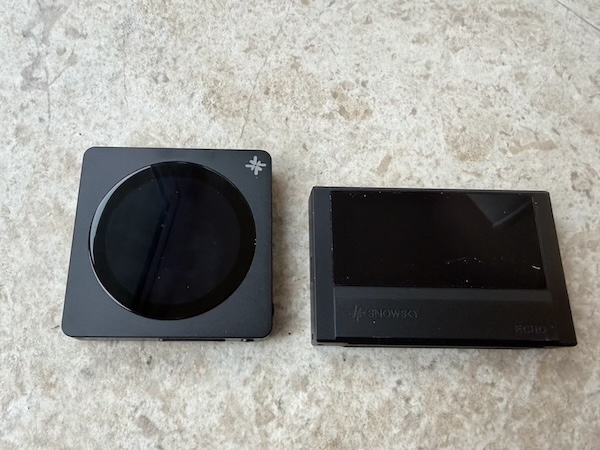
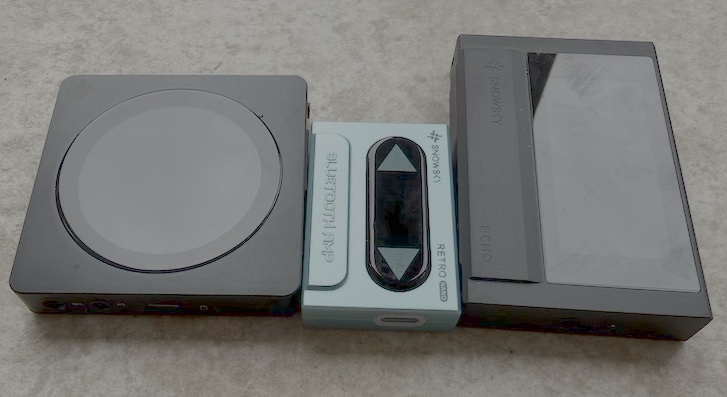
Compared to the SnowSky Echo (which inspired by the tape cassette), the two devices have complementary design. They represent two classic device archetypes from the analog era — the cassette and the CD — yet both house the same commitment to transparent, high-quality audio.
The FiiO JM21, a more traditional Android-based DAP, emphasizes how thoughtfully FiiO has distributed similar audio circuitry across products targeting very different users. The Disc is proof that exceptional sound doesn’t require a complex Android interface or premium positioning.
| With the Retro Nano | And with some other DAPS and the JM21 |
|---|---|
 |
 |
Features and Technical Performance
The Disc operates in four distinct modes: Pure Tone (standalone music player), USB DAC mode, USB Audio mode (two-way, so it can be both audio source and destination), and Storage mode (for drag-and-drop file management). This versatility is quietly powerful and comes down from the more premium DAPs that FiiO offer.
The interface, while not stock Android, is I feel “Android-inspired” but refreshingly different. Pull-down menus feel natural, though a double pull down reveals more settings than the 3 you see by default.
Swiping left and right navigates smoothly, and every aspect of the UI carries small visual and tactile touches that reward interaction, here I am navigating the touch screen ‘Now playing’ screen revealing more options:
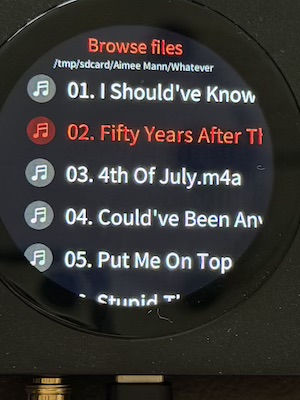
The app screenshots reveal a surprisingly mature feature set. But the Category viewer needs a bit as neiter the Artist list or Album list work the way I would want, by Album Artist first then all the Albums by that artist. I ended up mainly using the “file browser” view instead, as it simply shows the music files organisated in the folders they are on the microSD card, allowing you to browse by artist, album, or folder structure.
 |
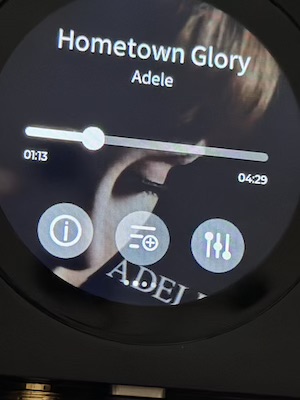 |
Playlists and favorites can be created directly on the device, and the now-playing screen displays album art with smooth, visually appealing animations. The Disc supports microSD cards up to 2TB in capacity (I tested it with a 256GB card without issue), making it capable of holding vast music libraries.
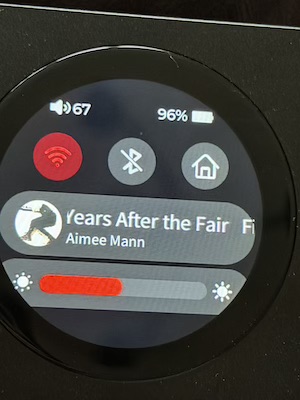
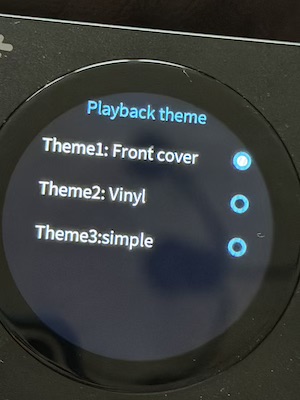
Settings are comprehensive. You can adjust themes, working modes, and general preferences directly on the device.
 |
 |
Volume control is smooth and responsive, and the settings menu reveals that most aspects of the UI (other than the Category viewer) has been thoughtfully designed.
Even screens as simple as the battery charging have a nice fun animation:
Connectivity and Extensibility
The Disc supports Bluetooth streaming, and more importantly, AirPlay — making it an excellent bridge device for those building a home audio stack that is already in the Apple Eco system. It also features optical output, which opens up interesting use cases. You can connect it to powered desktop speakers (like the upcoming Edifier M90 review) that accept optical input, creating a complete AirPlay streaming solution with just two components. Similarly, you could pair it with a full-size headphone amplifier like the FiiO K13R2R, which also accepts optical input, effectively turning the Disc into a high-quality wireless source for a larger system.
Roon endpoint support has been promised in a future firmware update, which will further enhance its role in multi-room audio setups.
But strangely I could not get the FiiO Control app to work with the Disc, though this is not a limitation — the display and touchscreen menus handle all configuration needs, but a dedicated separate app might have been nice.
Equalization
The EQ capabilities are limited compared to some competitors. But the device offers some preset EQ profiles. You can see some measurements of these EQ presets later in the review.
The “Retro” preset is charming — it adds warmth and a subtle retro coloration that makes the Disc sound more forgiving of older 1980s recordings, or modern productions trying to emulate that era (like The Weeknd’s “Blinding Lights”). The two “Sibilance Attenuation” presets are also interesting tools for taming harsh treble in certain recordings. I have measured all these also.
The absence of parametric EQ is probably the limitation, but for a device at this price point and with this philosophy and target market, it’s a reasonable trade-off.
Firmware
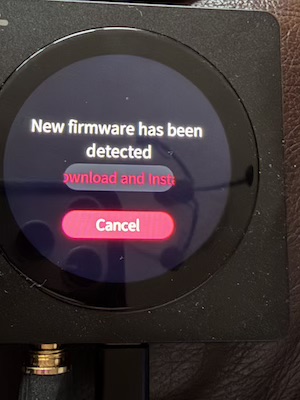
Since the Disc has Wifi, it can receive over-the-air firmware updates directly through the device, without needing a computer or the FiiO Control App.
 |
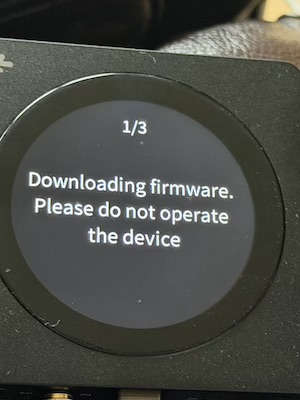 |
The update process is straightforward:
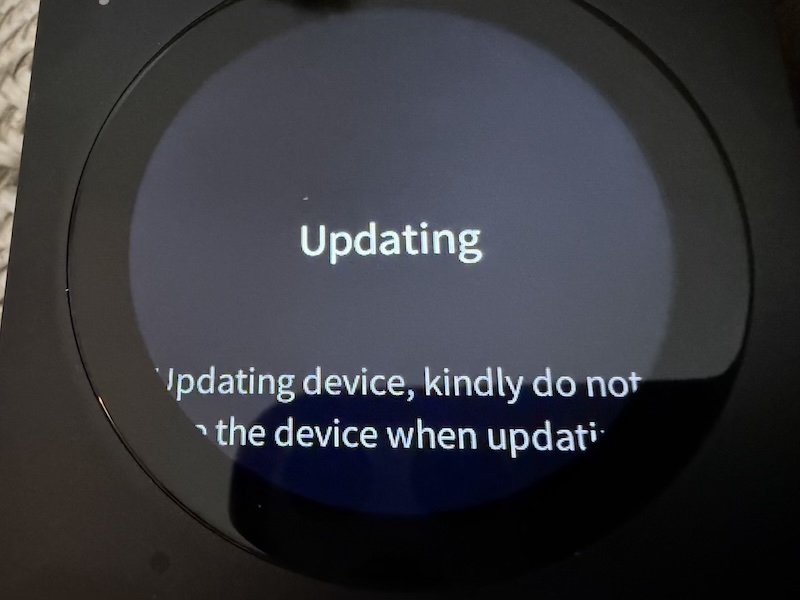
FiiO has included a little humor in this interface — the warning message “Please don’t operate the machine” during updates makes me think this is some industry equipment instead of a charming music player :

Sound Impressions
I tested the Disc with my usual reference headphones — the Sennheiser HD600 — as well as the HiFiman HE600 and several Bluetooth-connected ANC headphones including the FiiO EH11, EH13, and Tanchjim Rita. The 4.4mm balanced output delivers 280 mW of power with a THD+N of less than 0.0004%, specifications that promise clean, transparent reproduction.
Bass: The bass is articulate and well-controlled, never blooming or obscuring the midrange. It has weight and extension without coloration — tight, textured, and revealing of the bass lines in the mix. Try “Aja” by Steely Dan to hear how the Disc handles mid-bass detail and kick drum articulation. The neutrality here is genuinely impressive at this price.
Midrange: Voices and instruments sit with excellent clarity and natural timbre. The midrange is neither recessed nor forward — it occupies that rare sweet spot where vocals feel present without being hyperreal. There’s no tonal density boost or artificial presence peak. Joni Mitchell’s “A Case of You” reveals the Disc’s ability to render vocal body and micro-detail with honesty. The analytical character means every imperfection in the recording is laid bare, but that’s the trade-off for transparency.
Treble: The treble is extended and clean, with good air and shimmer. There’s no harsh bite or sibilance, yet detail is never sacrificed. “Billie Jean” by Michael Jackson showcases the Disc’s ability to render hi-hat sheen and transient leading edges with precision and speed. This is the sound of a DAP that doesn’t color the signal — it just passes it through.
Soundstage and Imaging: The soundstage is intimate rather than expansive, which is appropriate for a portable device. Imaging is precise, and there’s good depth layering. Dido’s “My Life” demonstrates how well the Disc separates instruments across the stereo field and places them in space with coherence.
The overall character is decidedly neutral and analytical. Every frequency band is present and accounted for, with no artificial smoothing or warmth. The Disc is honest to the source material — clean, low-distortion, and transparent. For those who want to hear their recordings as mixed, this is excellent news. For those accustomed to warmer, more forgiving DAPs, the Disc’s neutrality can initially feel a touch clinical.
For fun, during these listening tests I decided to try the “Retro” preset, and it adds a subtle warmth and smoothness that transforms the character without losing too much transparency. It becomes the sound the device’s retro aesthetic deserves — warm, inviting, and forgiving of older recordings.
Comparisons
Against the SnowSky Echo: The two sound remarkably similar in terms of tonal character — both transparent and clean. The Echo, limited to Bluetooth connectivity, is purely a music player. The Disc adds wired audio output options (optical and USB DAC modes), making it more extensible. Sonically, they’re peers. Functionally, the Disc is the more versatile choice if you think you might integrate it into a larger system.
Against the FiiO JM21: The JM21 is the more feature-rich choice, running a modified Android OS with full parametric EQ, Roon endpoint support, and more advanced music management tools. It also delivers more raw power (around 700 mW from the balanced output). Sonically, the JM21 edges ahead with slightly more dynamic impact and deeper control. However, the JM21 costs more and targets a different audience. The Disc is the leaner, more focused solution.
Against the Hiby R1: The Hiby R1 is smaller and runs Hiby’s mature OS, which includes advanced features like MSEB ( Hiby’s parametric EQ). However, the R1’s audio output is less powerful and less transparent than the Disc. Sonically, I prefer the Disc’s cleaner, more extended treble. The R1 trades some transparency for a more forgiving, warmer character. If you need advanced EQ tools and don’t mind slightly less power, the R1 is compelling. If sonic transparency and versatility matter more, the Disc wins.
Specifications and Measurements
| Specification | Value |
|---|---|
| Output Power (4.4mm Balanced) | 280 mW @ 32 Ω |
| THD+N | < 0.0004% |
| Frequency Response | 20 Hz — 20 kHz |
| Connectivity | USB-C, 3.5 mm, 4.4 mm, Optical, Bluetooth, WiFi (AirPlay) |
| Storage | microSD (up to 2 TB supported) |
| Battery | ~11 hours typical playback |
| Operating Modes | Pure Tone, USB DAC, USB Audio, Storage |
The technical specs speak for themselves — the Disc is built to deliver clean, low-distortion audio.
Measurements
To verify the device’s transparency claims, I measured the Disc’s frequency response using the Sennheiser HD600 as the measurement load, at maximum volume in low-gain mode. I also measured the same HD600 without moving it using both my Apple USB-C Dongle and my FiiO JM21 in USB DAC mode for direct comparison:
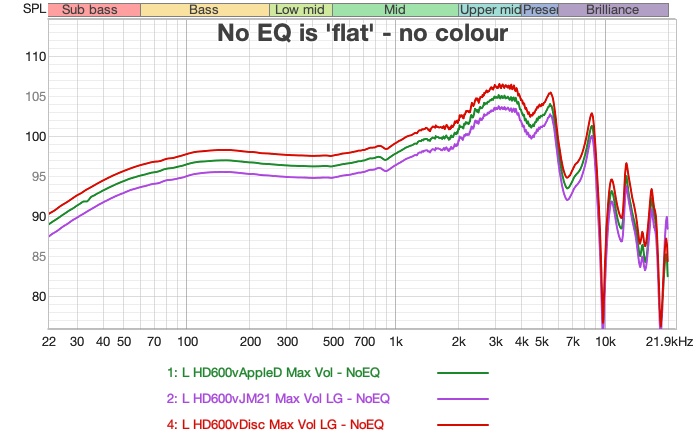
The results are revealing: all three devices show virtually identical frequency response, with only slight differences in absolute SPL levels. This confirms what my ears told me — the Disc is genuinely neutral and transparent, performing exactly as a clean audio device should.
EQ Measurements
Here are the raw measurements of the various presets - again using this Sennheiser HD600.
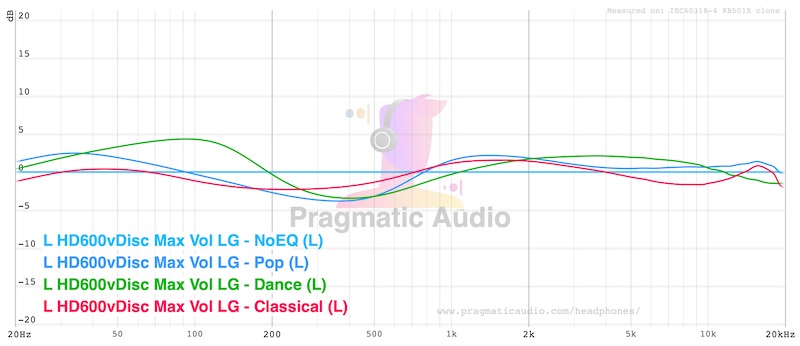
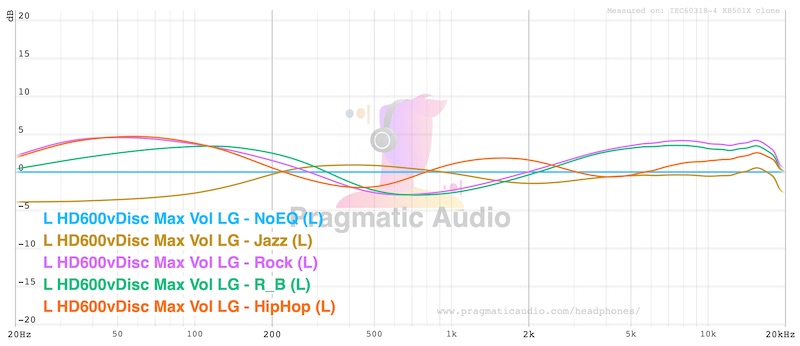
The device offers several EQ profiles: Pop, Dance, Classical, Jazz, Rock, R&B, Hip-Hop, the Retro preset, and two Sibilance Attenuation modes:
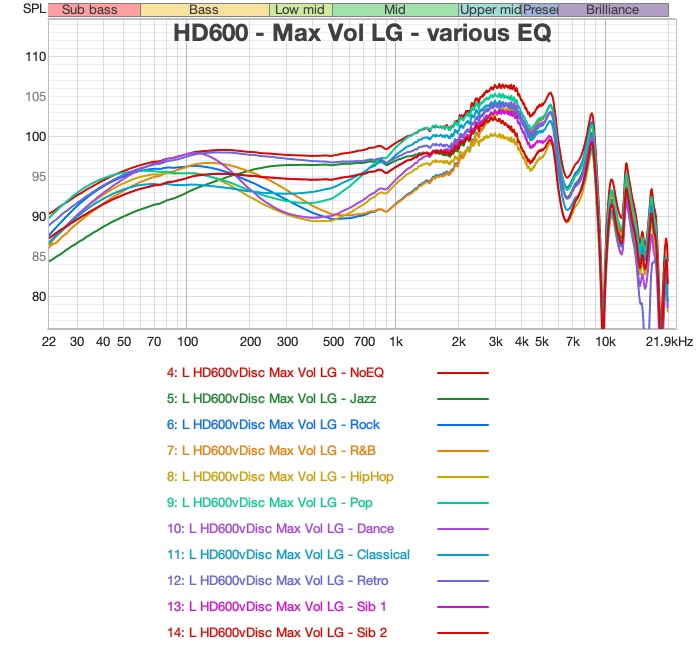
The Pop, Dance, and Classical presets show subtle but purposeful EQ curves. Pop adds a slight presence peak in the upper midrange and a gentle bass lift. Dance is more aggressive, with a deeper bass boost and a treble emphasis for rhythmic clarity. Classical removes some of the warmth to the midrange while slightly reining in treble brightness — designed to make orchestral recordings sound more natural and intimate:
Jazz, Rock, R&B, and Hip-Hop follow similar logic, each optimized for its genre. Jazz introduces a gentle warmth throughout the midrange to enhance vocal presence. Rock emphasizes the lower midrange for guitar body while keeping treble extended. R&B adds bass depth and a gentle presence lift. Hip-Hop brings up the sub-bass and adds upper-midrange presence for vocal projection:
The Retro Preset
The standout is probably the Retro preset, which delivers exactly what subjective listening might suggest a retro product will offer: a warm, forgiving sound reminiscent of vintage audio reproduction:
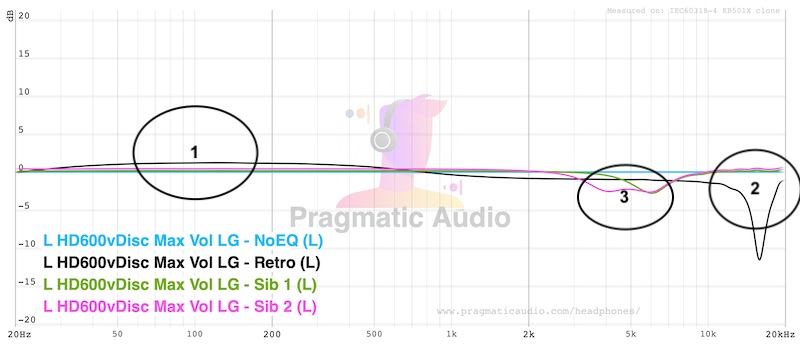
The Retro preset introduces a characteristic warmth (1) by boosting the lower midrange (around 500 Hz) and simultaneously rolling off the treble above 4 kHz and a dramatic cut (2) in the upper treble. This creates the sonic signature of analog audio and vintage CD players — a sound that is forgiving of compression and aged recordings. The treble rolloff is gentle but unmistakable, similar to what you’d encounter with a R2R DAC in NOS (non-oversampling) mode. For someone listening to 1980s recordings or modern production emulating that era, the Retro preset transforms the Disc from analytical tool to charming companion.
The two Sibilance Attenuation presets are also interesting. Rather than broad treble cuts, they target specific regions of the frequency spectrum where sibilance-prone sounds (like “s” and “t” consonants) live.
Sibilance Attenuation 1 and 2 both apply precise, narrow-band cuts in the 6–8 kHz region, where much of vocal sibilance lives. The difference between the two is the depth of the cut — Attenuation 1 is more subtle, while Attenuation 2 is more aggressive. Both preserve the rest of the treble character, allowing you to enjoy extended high-frequency detail without the distraction of harsh sibilance. This is genuinely smart EQ design, far more sophisticated than a simple " treble down" approach.
A Minor Limitation
The one limitation I found with the EQ system is that presets are not combinable. You can’t, for example, apply the Rock EQ profile and then layer in Sibilance Attenuation 1 for a recording that needs both. In an ideal world, FiiO would allow stacking or blending presets, giving users the flexibility to craft custom profiles.
The EQ presets offer meaningful tonal adjustments without the granular control of parametric EQ. While I’d have preferred full PEQ capabilities for maximum flexibility, FiiO’s preset approach is practical and well-executed. For a device at this price point and with this philosophy, the EQ implementation is genuinely thoughtful.
Rating Explanation
The Disc earns a 5/5 Pragmatic rating because it delivers on basically every level for its intended purpose. It sounds excellent, the touchscreen interface is genuinely enjoyable to use, the price is exceptional, and the extensibility ( AirPlay, optical output, USB DAC modes) means this device can be part of someone’s audio setup for years, growing with their needs. It’s not just a novelty retro product — it’s a capable, versatile audio component disguised in a charming package.
The 4/5 Price rating reflects the reality that slightly more money buys significantly more capability. The JM21 is closer in price than it might appear, and it offers parametric EQ, Roon support, more power, and Android’s flexibility. For a new listener on a tighter budget, the Disc is exceptional value. For someone willing to stretch, the JM21 offers more long-term flexibility.
The 4/5 Features rating is due to the lack of parametric EQ — for an analytical device, PEQ would have been the logical companion feature. The limited streaming capabilities (compared to Hiby’s OS-based players or the JM21) and the promised-but-not-yet-implemented Roon endpoint support also factor in. That said, the touchscreen interface and the four distinct operating modes offset these limitations considerably and everything it promises it delivers.
The 5/5 Measurements rating reflects genuine technical competence. The specs are excellent for this class, and my listening confirms transparency, low distortion, and neutral frequency response. This is a device that measures well and sounds like it measures well.
Conclusion
The SnowSky Disc is a gateway into hi-fi for a new generation. It’s cool, tactile, fun to interact with, and it sounds genuinely good. More importantly, it’s not a dead end — the Disc grows with you. Start using it as a standalone player, then integrate it into a home system as an AirPlay target. Connect it to a powered speaker via optical, or use it as a USB DAC for a larger headphone amp. The versatility is hidden beneath the retro design, which makes the value proposition even stronger.
It’s true that the JM21 offers more capability if you have the budget. But the Disc is the product SnowSky should be proud of because it proves that retro design and modern capability aren’t mutually exclusive. It’s the perfect first DAP for someone interested in portable hi-fi — a device that begs to be played with and to play back your music.