FiiO Snowsky Echo
A Cassette Player for the Digital Music Age
FiiO has a long history of putting serious audio engineering into portable devices, from the original iPod-era line of portable amplifiers through their current range of DAPs and DAC/amp hybrids. The Snowsky brand represents their design-forward, aesthetic-focused approach—products that look as good as they sound. When the original Echo Mini arrived a few months ago as a compact, barebones music player, it caught my attention immediately: a device that stripped away notifications, apps, and streaming subscriptions to serve a single, focused purpose. The Echo I’m reviewing here is the larger, more refined sequel, with a bigger aluminum chassis, a more spacious display, and upgraded DAC chips. After spending the last two weeks with both the Echo and its sibling the Snowsky Disc, I was curious to see whether this design philosophy could compete against more feature-rich alternatives at the same price point—and whether that cassette-like aesthetic could actually deliver on its promise of a dedicated, distraction-free listening experience.
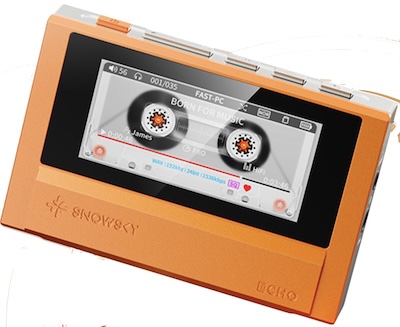
I would like to thank FiiO for providing the FiiO Snowsky Echo for the purposes of this review.
If you are interested in finding more information about this product, you can find it at the official product page.
The FiiO Snowsky Echo typically retails for $72–$100 USD (depending on regional tariffs), and is available in Black, Sky Blue, Orange, and Green. The unit reviewed here is the Black variant.
I’ve been living with the Echo and its companion piece, the Snowsky Disc, for just over two weeks now, both in home listening sessions and paired with various portable headphones on the go. What immediately struck me was how well the Echo’s modest feature set is offset by its ballsy output and transparent sound character—a DAP at under $100 that can drive even demanding headphones like the HiFiman HE600 with the same authority as my desktop amplifiers. But before I dive into sound, let me start with what you’re holding when you take it out of the box.
Unboxing and Packaging
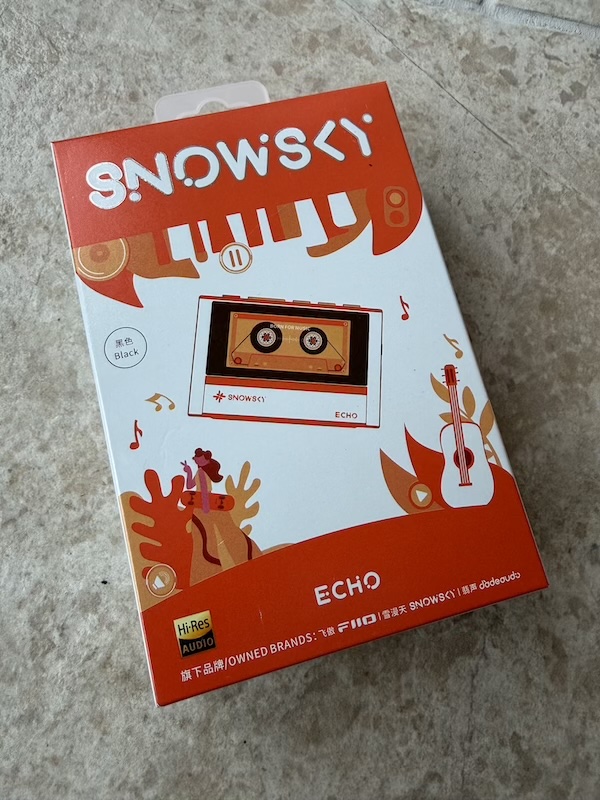
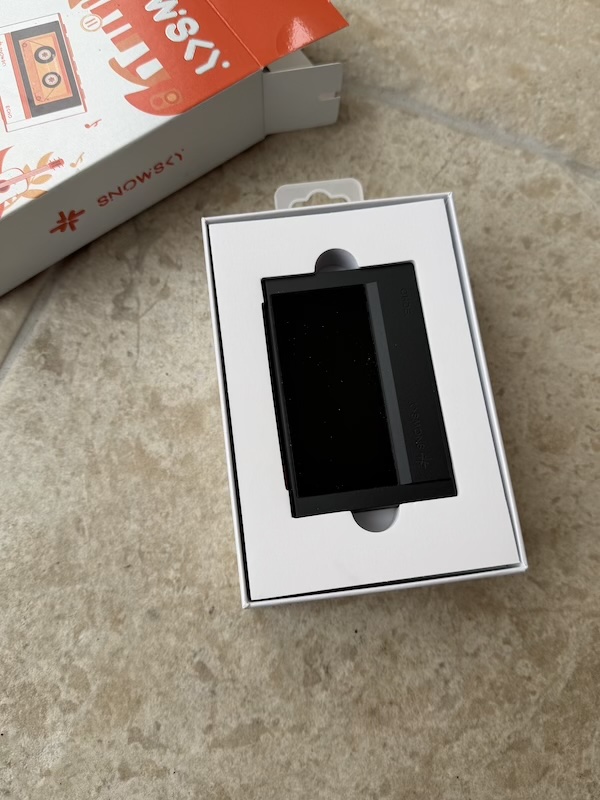
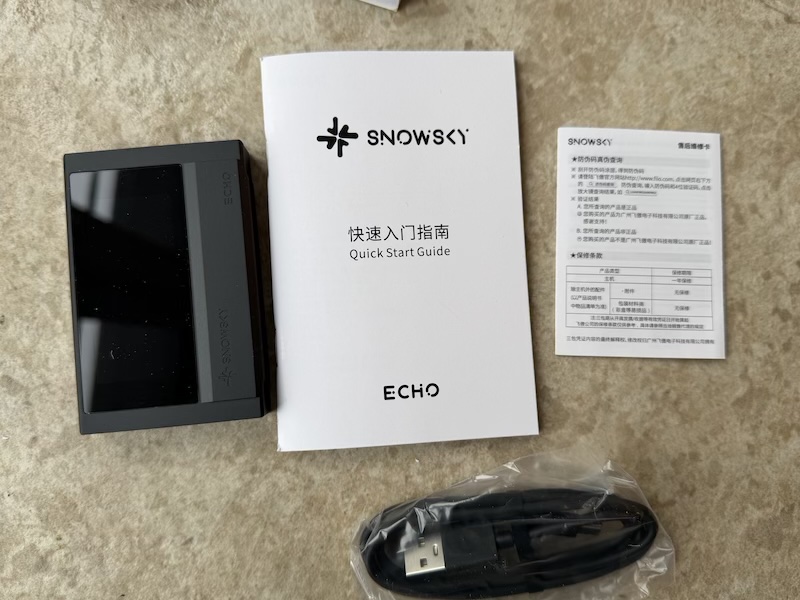
FiiO has carried the playful, premium packaging aesthetic from the Snowsky line across all its products, and the Echo’s box is no exception. Opening it reveals the device itself, a USB-C charging cable, a quick-start guide, and warranty information—minimal but thoughtful. The packaging communicates immediately that this is a design object, not just another DAP spec sheet. The unboxing experience hints at what FiiO is trying to do here: no bloat, no unnecessary accessories, just the player and what you need to get started.
 |
 |
Build and Design
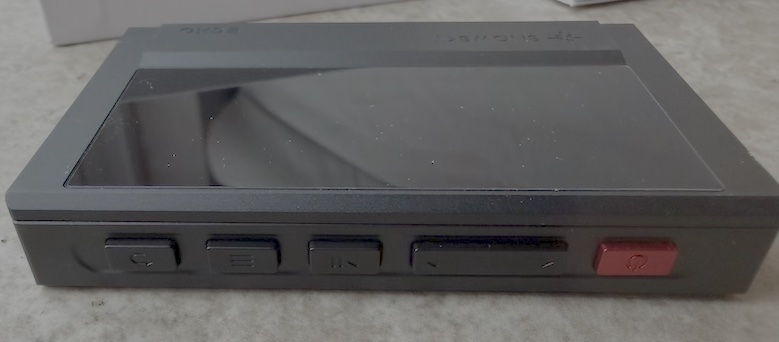
The Echo sits comfortably in the hand—85 grams is light enough to forget about in a pocket, yet substantial enough to feel intentional. The chassis is 6000-series aluminum-magnesium alloy (a step up from the Mini’s ABS/PC hybrid), and the fit and finish are genuinely excellent at this price. The edges are smooth and slightly radiused, the button action is clean and deliberate, and the overall aesthetic is unmistakably retro-inspired: the tapering sides and horizontal ridge details read immediately as a nod to classic portable cassette players from decades past.
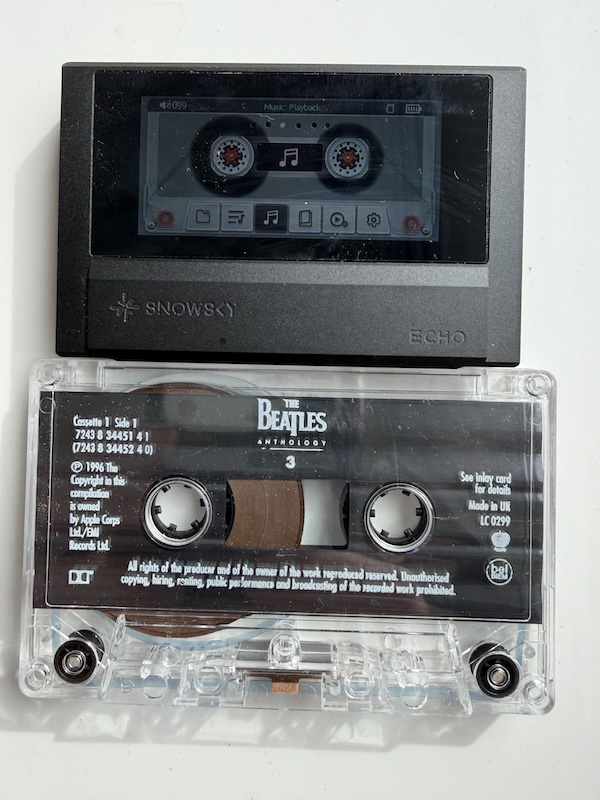
The comparison to an actual tape is more than visual—it’s almost a design statement. Holding the Echo alongside a Beatles cassette from my collection, the proportions, weight, and overall sense of “playable device” feel intentionally aligned. It’s the kind of design choice that could feel gimmicky, but instead it feels earnest: FiiO and Snowsky are making a genuine homage to an era when portable music meant specific music, not infinite choice.
 |
 |
The display is a 2.39-inch, 222×480 IPS panel—bright, color-accurate, and surprisingly vibrant for a device this size. Out of the box, it displays a home screen with album art and playback controls. The button layout is straightforward: navigation is handled by three physical buttons (play, previous, next) plus a scroll wheel. The 4.4mm balanced and 3.5mm single-ended outputs are clearly labeled on the right edge, alongside the microSD slot and a small reset hole.
Features and User Interface
This is where the Echo reveals its design philosophy most clearly. There’s no Android, no app store, no streaming integration. The Echo runs a proprietary, barebones OS optimized for one thing: playing the music files you already own. You load MP3s, FLACs, WAVs, and other lossless formats onto a microSD card (up to 256GB supported), and the Echo catalogs them. That’s it.
The interface is simple but requires patience. Navigation via the three buttons and scroll wheel is functional but not particularly swift—browsing a large library by scrolling through folders can feel sluggish. This is not a device for someone who wants to casually hop between thousands of tracks; it’s a device for someone who has curated a portable collection and wants to replay it with care. That deliberate friction is actually part of the design. If you’re expecting the responsiveness of a modern Android DAP, you’ll be disappointed. If you understand the trade-off—slower navigation in exchange for zero distractions and dedicated hardware—the Echo makes sense.
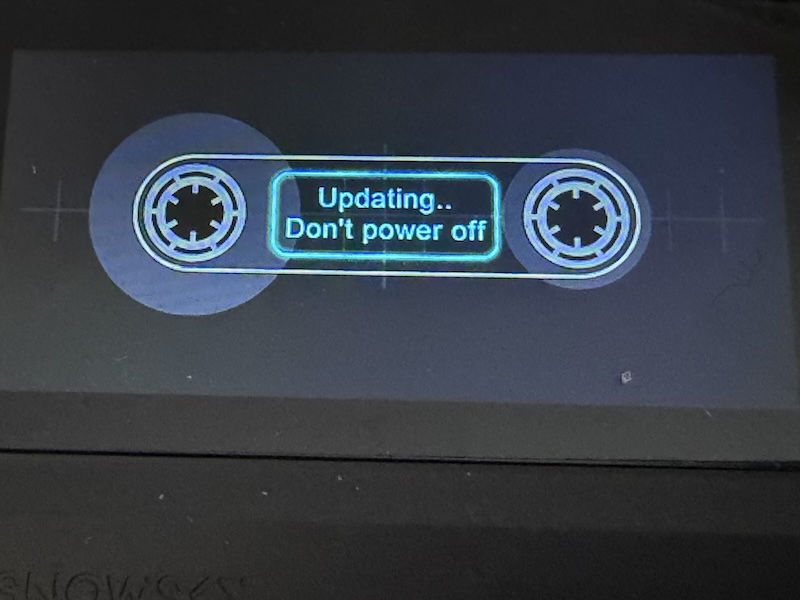
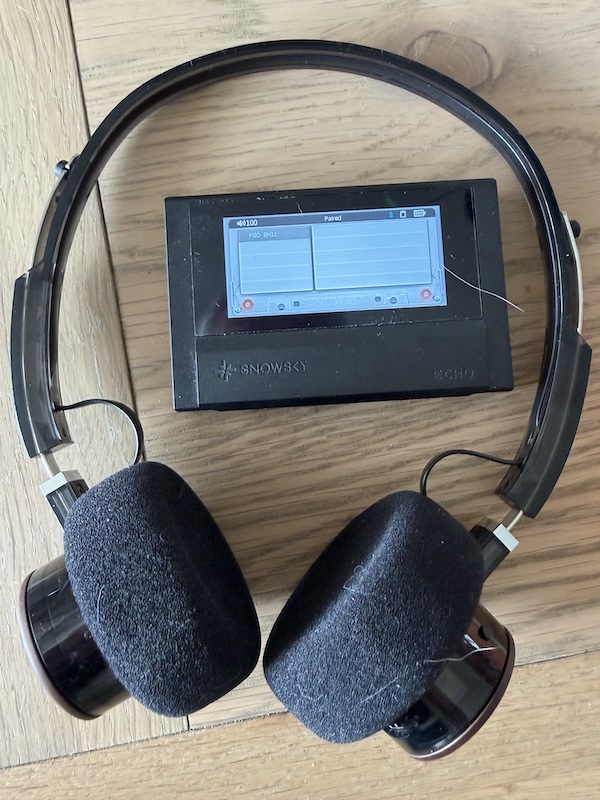
The display also showcases some thoughtful visual touches. There’s a reel-to-reel visualization that appears during firmware updates (of which there can be several, since the Echo accepts firmware upgrades via USB), and the main playback screen includes a VU meter that dances with the music. It’s a charming detail, and when paired with a classic Bluetooth headphone like the FiiO EH11, it becomes almost nostalgic.
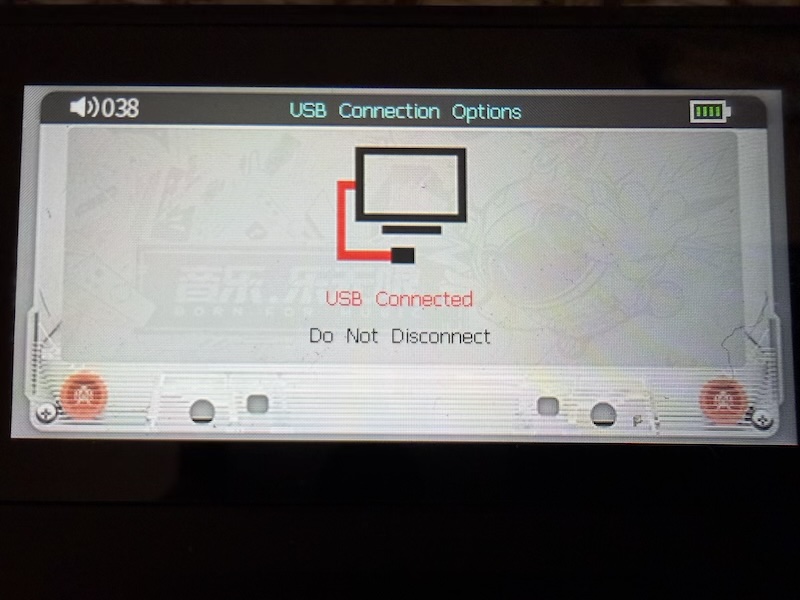
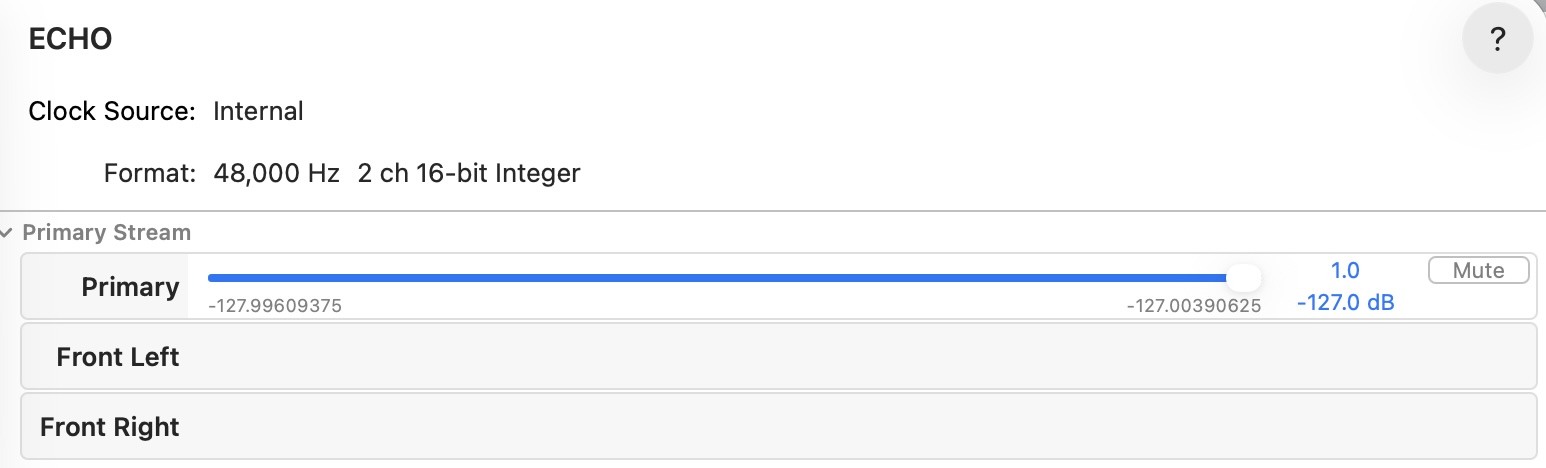
The Echo can also function as an external DAC when connected to a Mac or Windows computer. However, this mode has a significant limitation: it maxes out at 16-bit / 48kHz, which means no hi-res USB audio support. For a desktop DAC/amp setup, this is a step backward compared to the Disc or other FiiO products in this range. If you’re planning to use the Echo primarily as a portable player with your own music files, this limitation is irrelevant; but if external DAC use is part of your workflow, it’s worth knowing.
The feature set is otherwise sparse but purposeful: built-in EQ is limited (far simpler than the parametric EQ available on other FiiO devices), there’s an ebook reader (honestly a gimmick), and Bluetooth connectivity via SBC codec (no LDAC, no aptX—SBC is the baseline). The Bluetooth is stable and clean when paired with compatible devices; I had no dropouts with the EH11, and latency was acceptable for casual listening. For hi-fi-focused listening via wired outputs, Bluetooth becomes irrelevant anyway.
 |
 |
Sound Impressions
I tested the Echo primarily as a standalone music player with two sets of headphones: the HiFiman HE600 (a notoriously demanding 300Ω load) and the classic FiiO EH11 Bluetooth IEM. For source material, I used a mix of my own FLAC library and lossless streaming to a connected Mac.
The Echo’s character is transparent and neutral—it doesn’t color the music, and it doesn’t apologize for being a budget device. What’s impressive is how clean the output is, even at modest volume levels. There’s virtually no noise floor, and the background is remarkably black for a portable device at this price.
Bass
The bass character is tight and articulated, with excellent extension down through the lowest registers. The Echo doesn’t bloat or muddy the low end; instead, it presents each bass note with clarity and definition. Even with demanding headphones like the HE600, which need plenty of current to sound their best, the Echo’s balanced output delivered authoritative, controlled bass that could match the performance of my Topping and Luxsin X9 desktop amplifiers—though admittedly it was closer to their maximum power setting. For casual portable listening, this is exceptional. Try Jennifer Warnes’ “Way Down Deep” to hear how the Echo handles sub-bass extension and low-end texture: the rumble is present and clearly rendered, without any sense of strain.
Midrange
The midrange is neutral with excellent vocal clarity. There’s no artificial warmth or presence peak to please casual listeners; instead, the Echo simply presents the music as recorded. Vocals sit naturally in the mix, neither recessed nor forward, and instrumental separation is clean without feeling edgy. This is where you hear the benefit of the dual CS43198 DAC chips: the tonal density and resolution are simply superior to what you’d expect from a $100 device. Dire Straits’ “Brothers in Arms” showcases this beautifully—the guitar and vocal intimacy come through without any harshness or grain.
Treble
The treble is smooth and lets the headphone shine rather than coloring the sound in any way. There’s no artificial sparkle or artificial air; instead, the upper midrange and treble are rendered with a natural extension that respects the source material. Sibilance is absent, and there’s no fatigue even during extended listening sessions. Michael Jackson’s “Billie Jean” confirms this: the hi-hat sheen and transient leading edge are clear and present, but never aggressive.
Soundstage and Imaging
The soundstage presentation is transparent and neutral. The Echo doesn’t artificially widen the stage or add reverb; it simply presents whatever spatial information is in the recording. With well-mastered material like Miles Davis’ “Kind of Blue,” the intimate, focused space is rendered exactly as intended, with micro-separation and depth cues clearly audible.
The balanced output (4.4mm) is noticeably more powerful than the single-ended (3.5mm) output. With the HE600, the balanced output delivered the headroom and confidence I was looking for; with less demanding headphones, both outputs are more than adequate. The single-ended output is still strong—around 130mW into 16Ω—but the balanced output’s 260mW into 32Ω is where the Echo really flexes.
Bluetooth via SBC codec was clean and acceptable with the EH11, though I wouldn’t recommend relying on SBC for serious listening if you have access to wired outputs. The codec limitation here isn’t a FiiO shortcoming—it’s simply a reality of the $100 price point.
Comparisons
FiiO Snowsky Disc
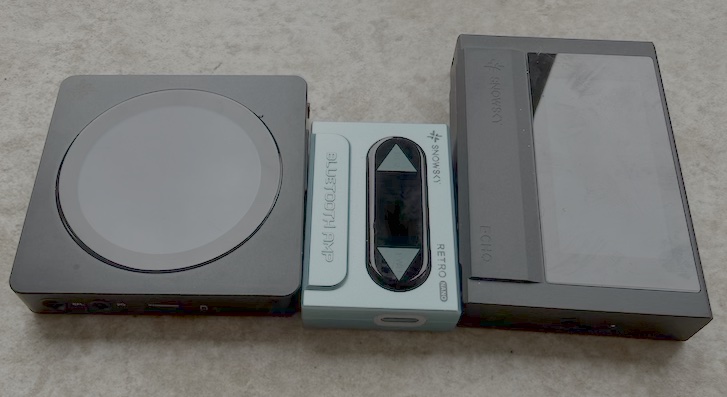
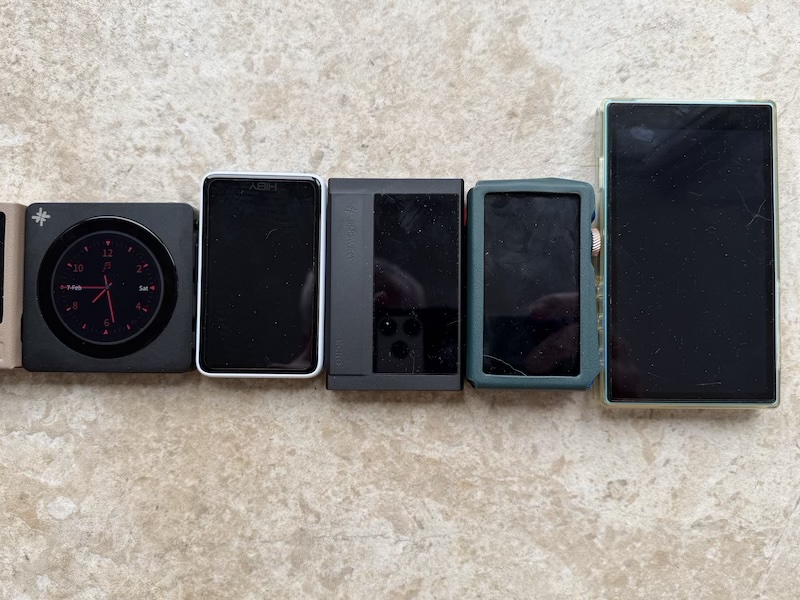
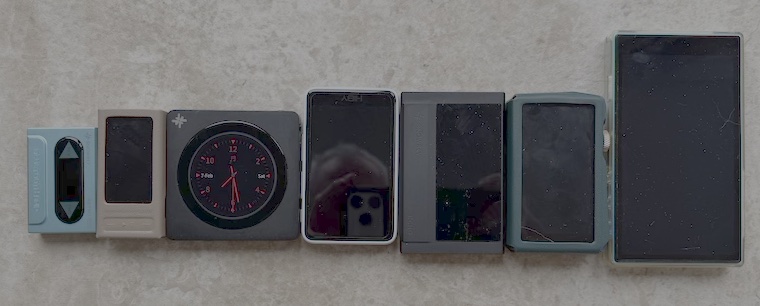
The Disc is the Echo’s sister product, sharing the same barebones OS but in a smaller, circular-screened form factor. The Disc has a touchscreen interface (more responsive than the Echo’s button navigation), a more colorful and playful aesthetic, and sits between the Echo and the R1 in terms of refinement. The choice between them comes down to form factor and interface preference: the Echo is more “cassette-like,” while the Disc is more “portable media player.” Both use the same OS, so the experience is fundamentally similar—the difference is ergonomic and aesthetic.
 |
 |
HiBay R1
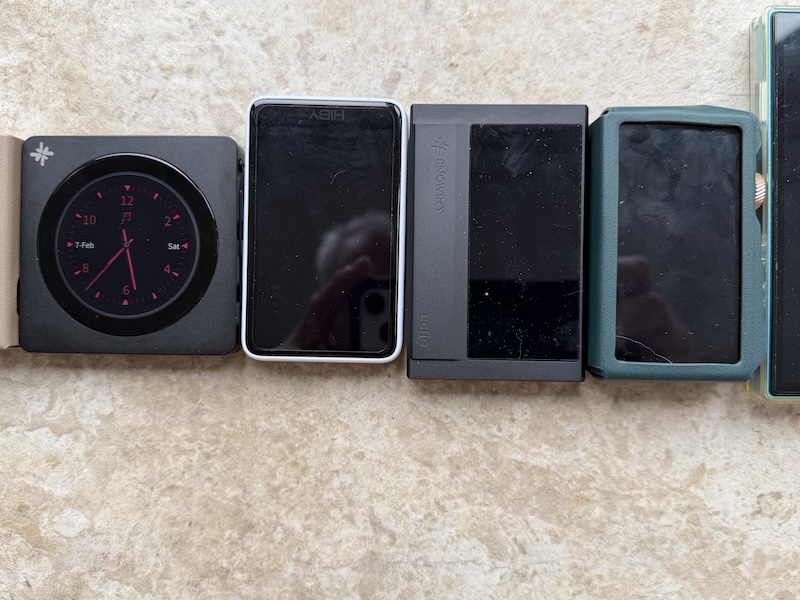
The R1 is more mature in almost every meaningful way. It runs HiBay’s own OS, which supports streaming services (Tidal, Qobuz), has a more polished UI with actual touch navigation, offers a full parametric EQ, and even includes AirPlay streaming. The R1 is more expensive than the Echo and less powerful (no balanced output), but if you want a device that bridges the gap between dedicated offline playback and connected streaming, the R1 is the better choice. The Echo, by contrast, is purely offline-focused—bring your own music, nothing more.
Hidizs AP80 Pro Max
The AP80 Pro Max is nearly double the price of the Echo and offers significantly more power and features—more storage, better display, more comprehensive EQ. But it’s also considerably larger and heavier. The Echo trades capabilities for size and simplicity. If you want the most powerful, most feature-rich small DAP, the AP80 Pro Max is the answer. If you want the smallest, least-complex music player that can still drive demanding headphones, the Echo is the choice.
FiiO JM21
The JM21 is in a different category altogether: a full Android DAP with complete app support, streaming flexibility, and the processing power of a modern smartphone. It’s also considerably larger—it doesn’t have the “portable pocket device” feel of the Echo. The JM21 is for someone who wants a secondary, dedicated music device that still offers the flexibility of Android. The Echo is for someone who wants a single-purpose, distraction-free player that’s small enough to take anywhere. They serve different audiences.
 |
 |
Specifications and Measurements
Technical specifications and detailed performance measurements are sourced from FiiO’s official specifications page.
| Specification | Value |
|---|---|
| DAC Chips | Dual CS43198 |
| Display | 2.39-inch 222×480 IPS, bezel-less HD |
| Dimensions | 85 × 55.5 × 14.3 mm |
| Weight | ~85g |
| Battery | 1100mAh lithium (14 hours typical) |
| Internal Storage | 8GB |
| microSD Support | Up to 256GB |
| Supported Formats | WAV, FLAC, APE, MP3, OGG, M4A, WMA (up to 24-bit/192kHz) |
| 3.5mm Output (Unbalanced) | 130mW+130mW @ 16Ω, 120mW+120mW @ 32Ω, 13mW+13mW @ 300Ω |
| 4.4mm Output (Balanced) | 150mW+150mW @ 16Ω, 260mW+260mW @ 32Ω, 54mW+54mW @ 300Ω |
| Output Impedance | <0.4Ω (3.5mm), <0.7Ω (4.4mm) |
| Frequency Response | 20Hz–20kHz (±0.1dB), 20Hz–50kHz (±0.1dB) |
| THD+N (3.5mm) | <0.0006% @ 32Ω |
| THD+N (4.4mm) | <0.0004% @ 32Ω |
| SNR | 127dB @ 32Ω (3.5mm), 131dB @ 32Ω (4.4mm) |
| Crosstalk | 73dB @ 1kHz (3.5mm), 125dB @ 1kHz (4.4mm) |
| Adaptive Impedance | 16–150Ω (3.5mm), 16–300Ω (4.4mm) |
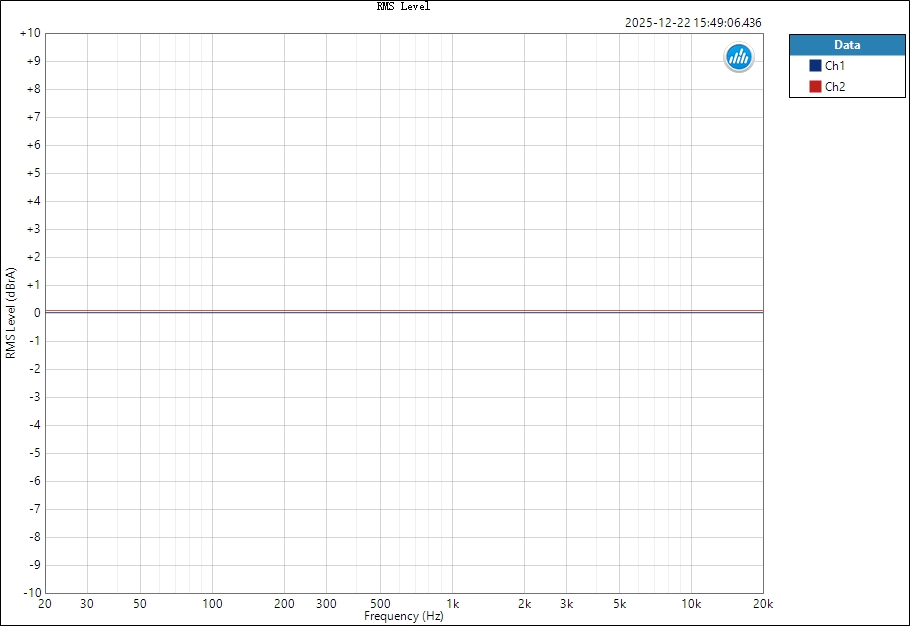
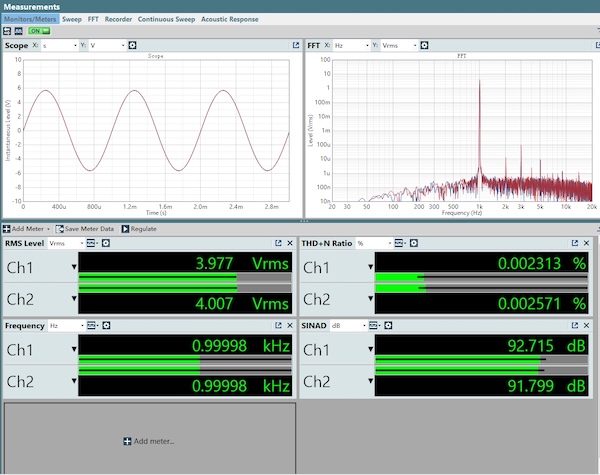
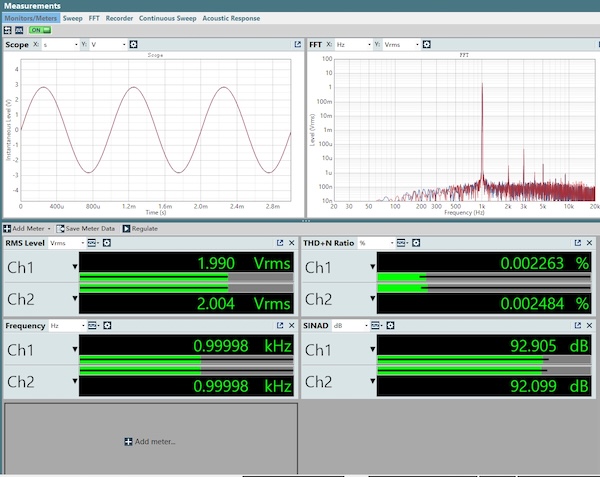
The Echo’s measured performance tells a consistent story: excellent neutral balance with good transparency across the frequency range. The frequency response graph shows a nearly flat, perfectly neutral tuning—there are no artificial coloration or presence peaks. This aligns with what the ears hear: the Echo doesn’t try to “improve” your music; it simply plays it back with honesty and clarity.
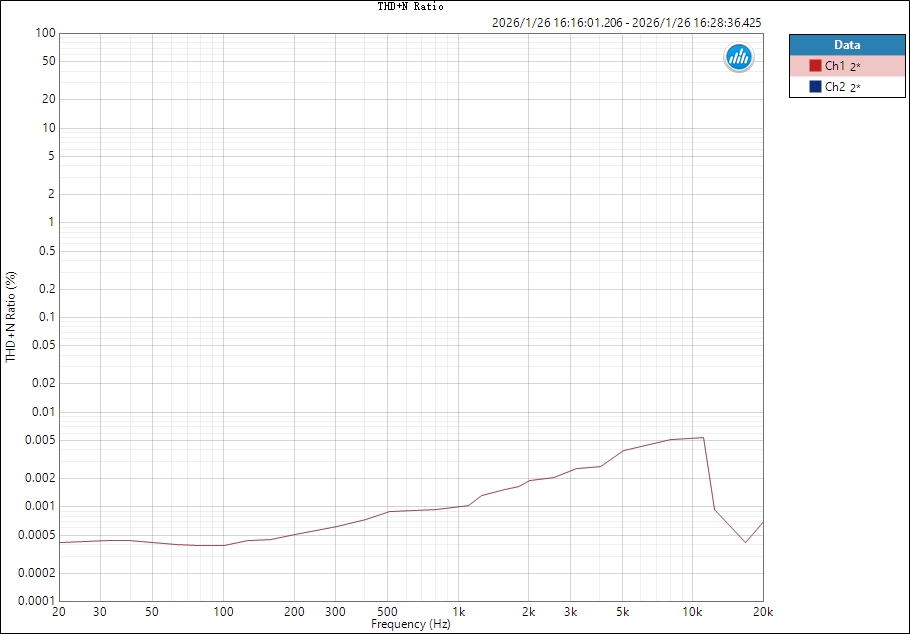
The THD+N performance is good across the frequency range, with no concerning peaks or artifacts. The measurements show that the balanced output (4.4mm) is measurably cleaner than the single-ended output, which explains the audible difference in headroom and confidence when driving demanding loads.
The SINAD measurements show a score of 92dB on both balanced and single-ended outputs—decent performance for a portable device at this price, though it’s worth noting that this is a step back from the original Echo Mini. For context, 92dB SINAD is “good enough” by any practical standard; you won’t hear the noise floor, and dynamic range is ample. This is not extraordinary performance, but it’s more than adequate for the price, and nothing in these measurements should concern a potential buyer.
 |
 |
In practice, the measured performance translates to a device that is transparent, quiet, and honest. The Echo doesn’t mask recording flaws or artificial processing; it simply renders the source material as accurately as its modest price allows. If you’re pairing the Echo with quality headphones like the HE600 or a proper wired IEM like the FiiO FT1, this transparency is a genuine strength.
Rating Explanation
Pragmatic (4/5): The Echo delivers on its core promise as a dedicated, distraction-free music player with enough power to drive demanding headphones. What keeps it from a perfect score is the UI, which feels slightly immature compared to the more polished Disc interface (with its touchscreen) and considerably behind the established HiBay R1. Navigation via buttons is functional but slow, and FiiO clearly still has room to refine the software experience. For someone who is willing to accept a simpler interface in exchange for a smaller device and strong output performance, the Echo is pragmatically excellent. For someone expecting the polish of a mature Android DAP, it will feel unfinished.
Price (4/5): At $72–$100, the Echo sits in a sweet spot: expensive enough to justify quality engineering (those dual CS43198 DAC chips, the aluminum chassis, the balanced output), but cheap enough to be accessible. The HiBay R1 is more expensive and offers more features; the Echo Mini is cheaper but less refined. The Echo’s pricing is fair, though it doesn’t offer breakthrough value—it’s competent pricing for a competent device.
Features (4/5): The Echo’s feature set is deliberately sparse: no streaming, no hi-res USB audio, no advanced EQ, no Android flexibility. But at this price, you’re not going to get all of those things anyway. What the Echo does offer is solid: 14 hours of battery life (impressive for a device with dual DACs and a color display), dual outputs with serious power, up to 256GB of expandable storage, and Bluetooth connectivity. The limited EQ and ebook functionality feel like afterthoughts rather than core features. The core features—playback, power, and storage—are genuinely good for the price.
Measurements (4/5): The measurements are honestly good, not exceptional. The 92dB SINAD is a step down from the Echo Mini, and it’s not the highest we’ve seen at this price. But it’s perfectly adequate, and the FFT and THD+N plots show no concerns. The perfectly flat frequency response is genuinely impressive. The scores reflect measured reality: this is a well-engineered device that doesn’t pretend to be more than it is.
Conclusion
The FiiO Snowsky Echo proves that you don’t need an Android OS, a connected streaming service, or a touchscreen to create a compelling portable music player. What you do need is clean engineering, thoughtful industrial design, and enough output power to drive real headphones—all of which the Echo provides. The cassette-like aesthetic isn’t just decorative; it’s philosophical. It says, “This device is for people who have music they care about, not for people who care about having all the music.”
The Echo is an upgrade over the Echo Mini in almost every practical way: larger display, aluminum construction, more power. It’s also noticeably cheaper than competing DAPs like the R1 or AP80 Pro Max, and considerably smaller than full Android devices like the JM21. If you’re someone who wants to separate your music listening experience completely from your smartphone, has a curated collection of lossless files, and is willing to accept a simpler interface in exchange for serious portability and real power, the Echo is exactly what you’re looking for. It’s the perfect reintroduction to dedicated portable audio without requiring you to spend hundreds on a larger, more capable device.
The main caveat is the UI—it’s simple to the point of being deliberately limited, and that’s fine if you understand the design choice. FiiO should continue refining it; the Disc’s touchscreen interface shows that they’re capable of doing better. But in its current form, the Echo is a genuinely cool, genuinely capable device that looks good, sounds transparent, and gets out of your way. Pair it with a wired headphone like the FT1, load it with your favorite albums, and the Echo becomes what it’s designed to be: a way to carry your music anywhere without distractions, without notifications, and without apologies.