Roseselsa Ceramics MK2
A solid upgrade but maybe it’s time for an upgraded App
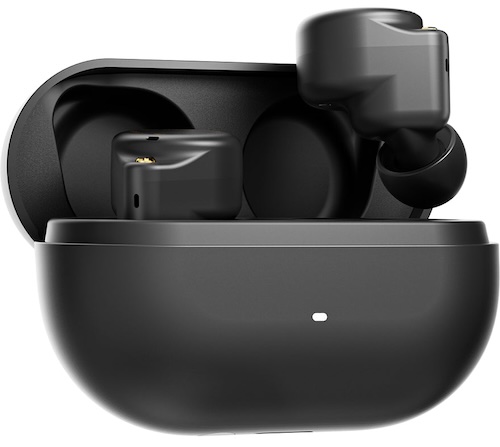
The Rose Technics Ceramics X made a quiet but solid impression when I reviewed it last year, and the MK2 promises to be a refined follow-up. At $32.99 you now get LDAC support, active noise cancellation, Bluetooth 6.0, a 45-hour battery system, and some clever tricks with its tuning including dynamically adjusting to the Equal Loudness Curve.
I would like to thank Roseselsa for providing the Ceramics MK2 for the purposes of this review.
If you are interested in finding more information about this product, you can find it at the official product page.
The Ceramics MK2 retails for $32.99 and is available in White, Black, and Lilac. The unit reviewed here is the Black variant.
I have been living with the Ceramics MK2 for over a month, including taking them on a recent trip to the United States alongside the Roseselsa Cambrian ANC headphone. The Ceramics MK2 is the kind of product that makes you wonder what exactly is justifying the price premium on anything above it at the budget end of the TWS market.
But before I get into the sound, let’s look at the unboxing:
Packaging and Unboxing
The packaging carries a premium feel that is considerably more polished than the price might suggest, though anyone
familiar with Soundcore or EarFun’s retail presentation will find the format immediately recognisable — clean product
imagery on the front, a concise feature breakdown on the rear.
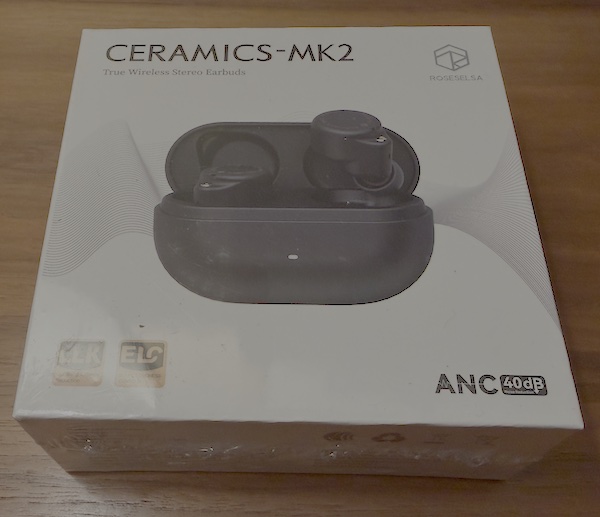
It does not feel cheap, but it is not trying to be an unboxing event either:
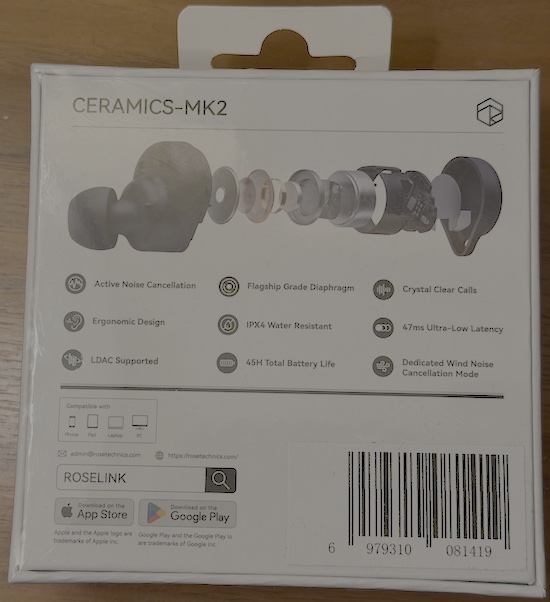
There is an appropriate confidence to it:
 |
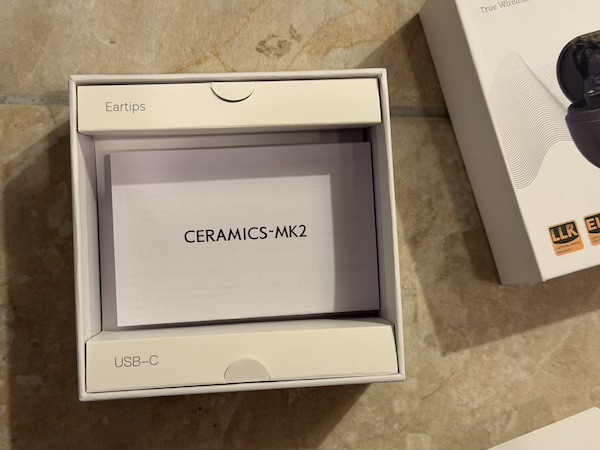 |
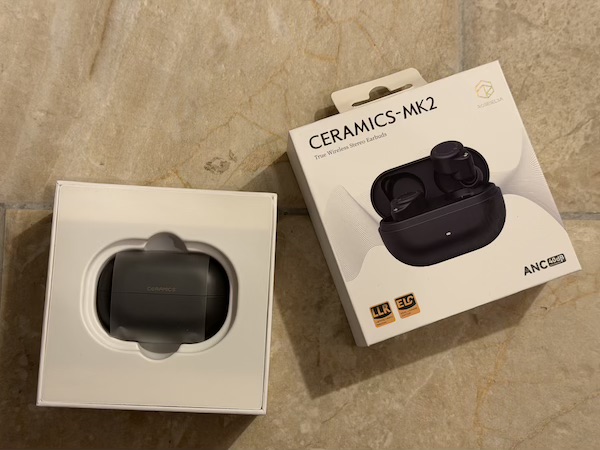
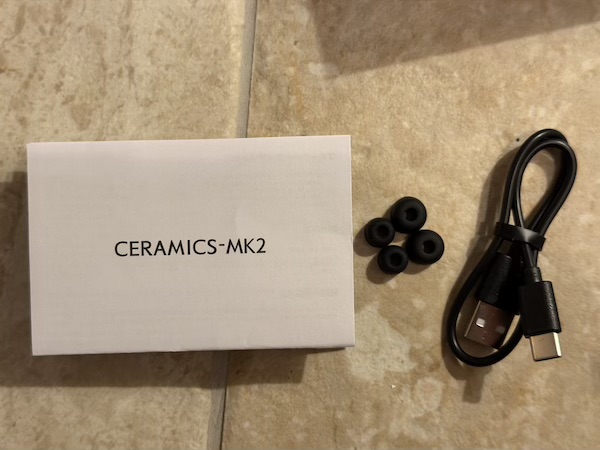
Opening the box, the earbuds and case are presented neatly in the upper tray, with the documentation tucked underneath. In the box you’ll find the Ceramics MK2 earbuds in the charging case, a USB-C charging cable, and a generous selection of silicone eartips in multiple sizes.
Build Quality and Design
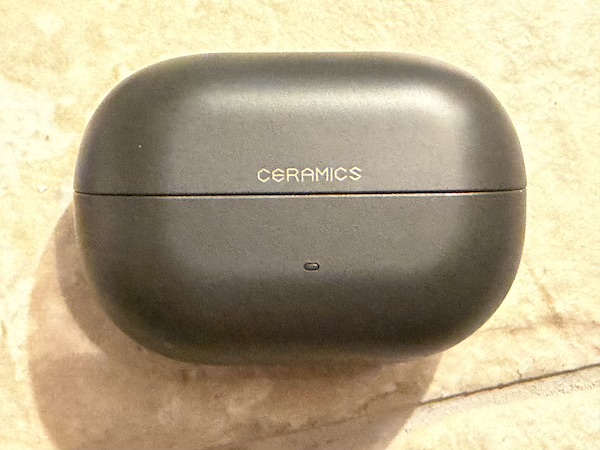
The charging case is one of the Ceramics MK2’s more quietly impressive features:
 |
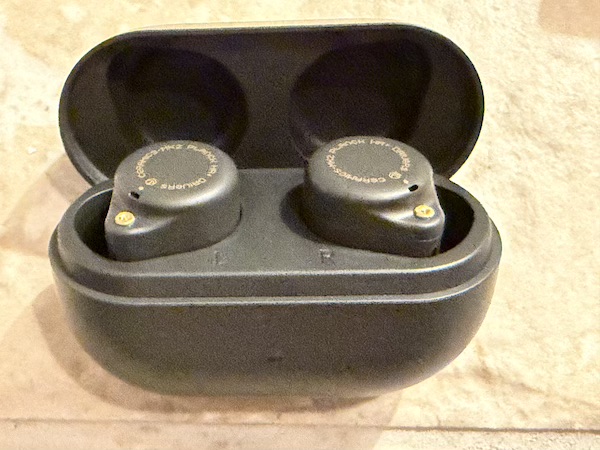 |
Its profile is flat and almost pebble-like — slim enough to disappear into a jeans pocket without any awkward bulk, yet the interior cavity is deliberately wide. Wide enough, in fact, to accommodate noticeably larger third-party eartips than those included in the box.
If you find the stock tips unsatisfying and prefer something like SpinFit CP145s or Final Type-E mediums, you are not locked out of your preferred ear seal by an undersized housing. The case lid snaps shut with a satisfying click, and the overall plastic construction feels solid without any flex or creaking.
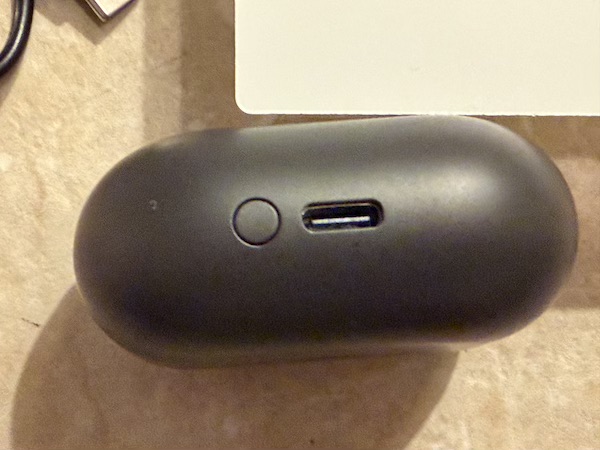
USB-C charging is positioned on the underside of the case. The earbuds themselves feature a ceramic-accented shell with a faceplate texture that offers genuine visual identity — more interesting than the plain gloss or matte plastic that saturates this price category.
Accessories and Eartips
 |
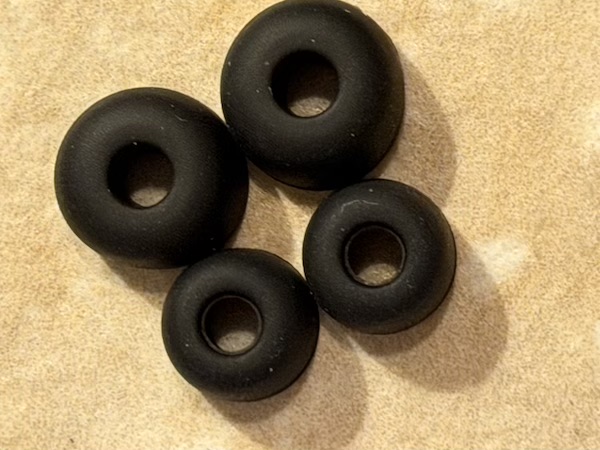 |
The accessory spread is genuinely good for the money. The eartip range covers small through large with enough variation that most ear canals should be well served. Combined with the roomy case interior mentioned above, the practical flexibility around eartip choice is a real and underrated advantage over TWS products that ship with a skimpy three-pair set locked into a tight case.
Comfort and Fit
Comfort is one area where the Ceramics MK2 continues a clear strength of its predecessor.
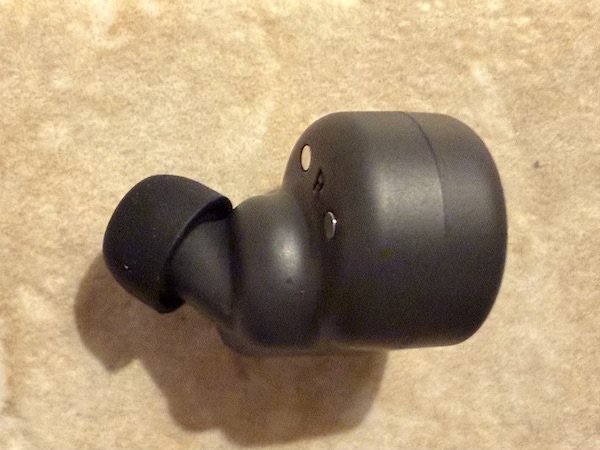
The earbuds sit securely and naturally in the ear without any sense of pressure or fatigue accumulating over extended sessions. Over more than a month of use — including long listening sessions at home, commuting, and a transatlantic trip — I never experienced the dull ache that can build with poorly contoured TWS designs. On long walks they remained stable without re-seating even with moderate movement. The ergonomic shell does its job quietly and consistently, which is exactly what you want from a daily-use earbud.
Features and App
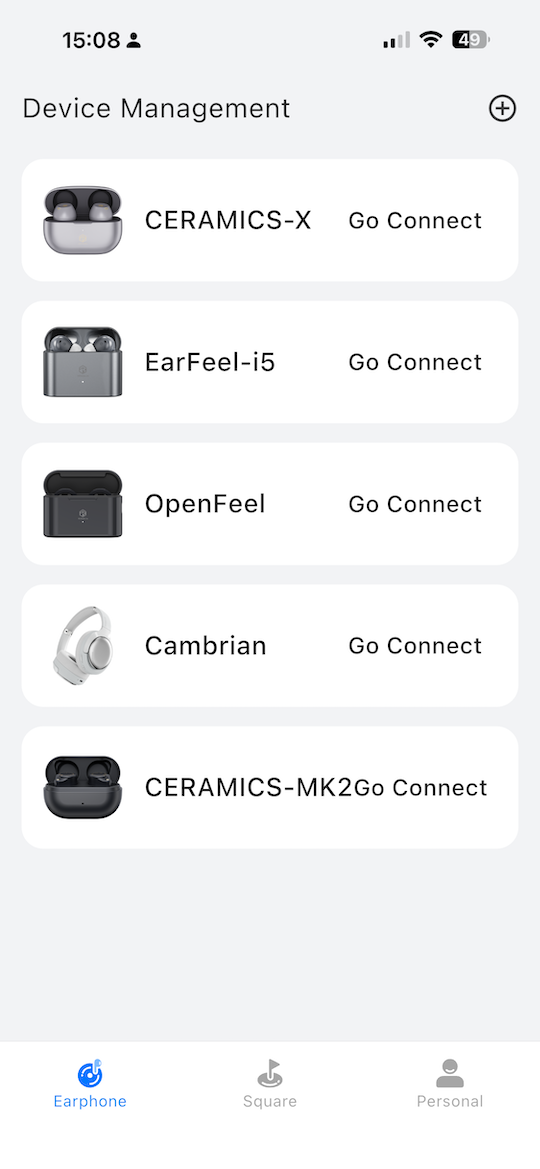
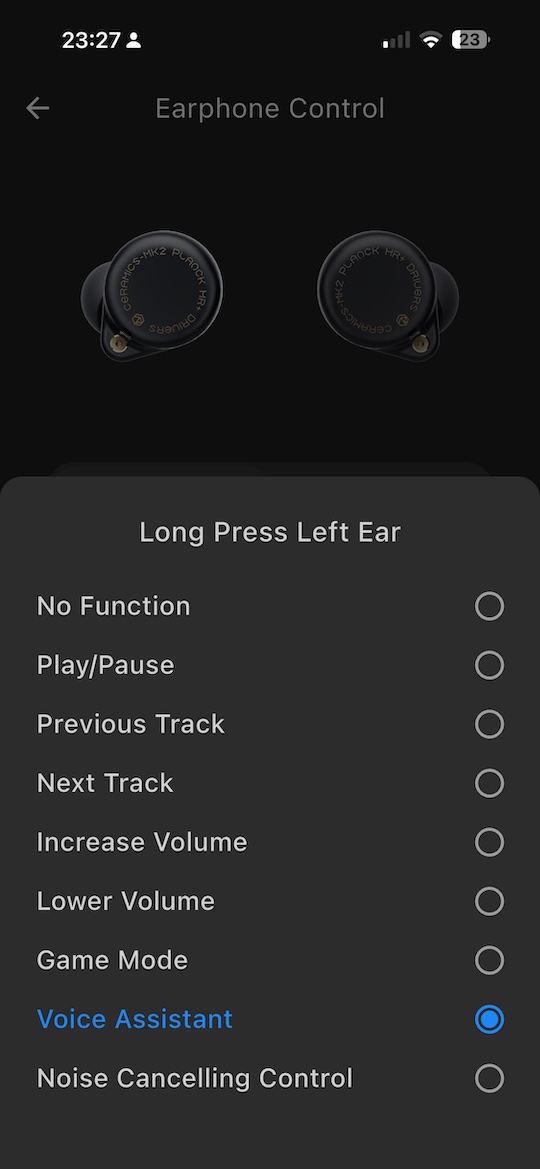
The Roseselsa companion app covers the functional essentials without fuss. From within it you can switch between ANC, Transparency, and Normal listening modes; enable or disable LDAC; configure dual-device multi-point pairing; select from the three available sound profiles; apply firmware updates; and remap the touch controls to taste. It is a clean, purposeful app that does what it needs to do without unnecessary complexity.
 |
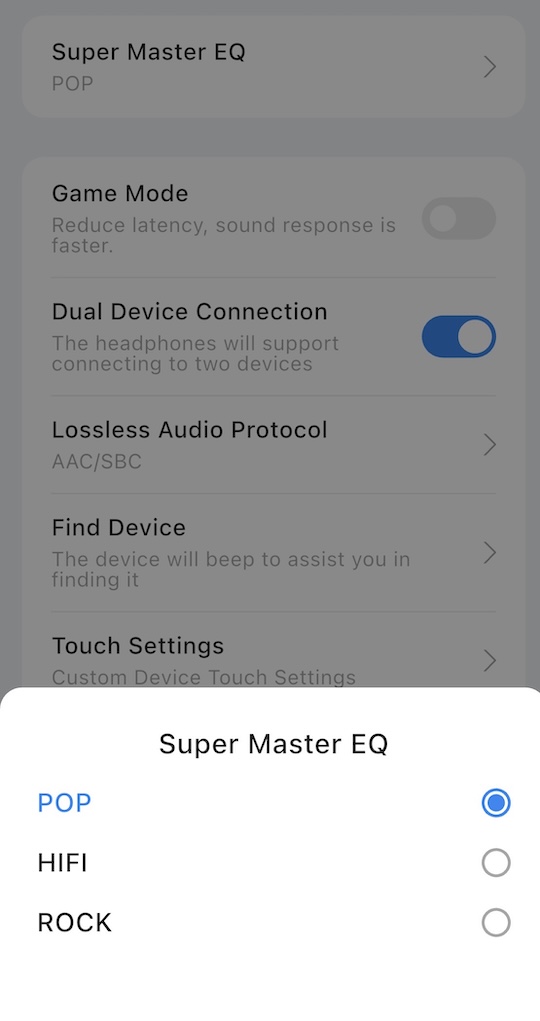 |
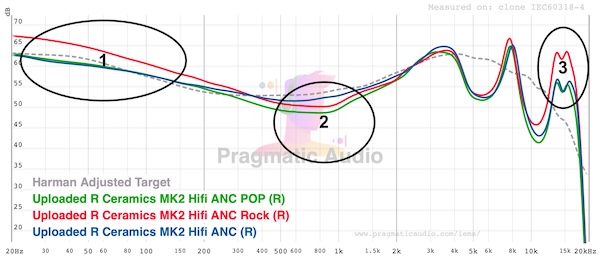
The three sound profiles — HiFi, Pop, and Rock — represent a progression of increasingly V-shaped signatures. HiFi sits closest to neutral with a measured bass shelf and honest midrange presence. Pop adds a gentle boost to the lows and upper frequencies, giving a slightly more energetic consumer presentation. Rock pushes further still, with more aggressive low-end authority and elevated upper-energy sculpt. For critical listening, HiFi is unambiguously the most technically honest of the three, and it is what I used for all subjective impressions in this review.
Equal Loudness Curve
Roseselsa have decided to utilise the ‘fletcher-munson’ Equal Loudness Curve (ELC) for their sound profile tuning. This technique is used to compensate for the reduced sensitivity of human hearing at lower sound pressure levels (SPLs), ensuring that the perceived loudness of audio content remains consistent across different listening environments.
By applying ELC, Roseselsa aims to provide a more accurate representation of audio content, especially in quieter listening conditions:
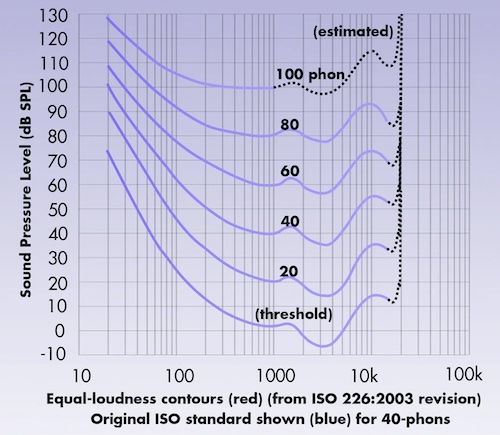
Note: for measurement enthusiasts: the ELC implementation does create a complication when it comes to comparison graphs and recommendation of EQ. Because the curve deliberately tilts the response — boosting bass and treble to compensate for reduced loudness sensitivity at lower SPLs — any IEM or TWS implementing ELC will naturally appear V-shaped on a standard frequency response plot depending of the measured volume.
It is worth keeping in mind that what you see on the graphs is partly a measurement artefact of ELC doing its job rather than any flaw in the underlying tuning — the Ceramics MK2 sounds considerably more balanced in use especially with the Hifi Profile, than a raw ELC-engaged graph might suggest.
Roseselsa would do well to consider adding at minimum a 10-band graphic EQ — ideally full PEQ — in a future app update. The hardware is capable enough that it deserves finer user control, and the absence of any EQ capability is becoming increasingly difficult to justify as competitors at comparable prices begin to offer it.
Game Mode reduces the Bluetooth latency to 47ms, which is low enough to keep video and casual gaming in sync without noticeable lip-sync issues. It does what it promises — worth switching on if you are watching video on a phone or tablet.
Dual-device connectivity worked reliably throughout testing, maintaining connections to both a MacBook Pro and an iPhone 17 simultaneously. Switching between the two is handled gracefully, with the earbuds picking up audio from whichever device becomes active without requiring manual re-pairing.
ANC Performance
The 40dB wideband ANC is effective and noticeably more useful than what you typically find at this price. On the London Underground it cuts the constant low-frequency rumble significantly — not to the point of silence, but enough to reduce your listening volume and ease fatigue on longer journeys. On a transatlantic flight the Ceramics MK2 handled cabin drone well, making it genuinely comfortable for extended periods without the pressure-heavy sensation that cheaper ANC implementations can produce.
One caveat worth flagging: ANC performance is directly dependent on how well the eartips seal in your ear. If you struggle to get a consistent seal with the stock tips, noise rejection will be noticeably reduced. The roomy case makes it easy to swap in aftermarket tips, which improved both the seal and the ANC effectiveness noticeably for my ear shape.
Transparency mode is natural-sounding and useful for brief conversations without removing the earbuds. Wind noise in Transparency mode is obvious in any exposed outdoor environment, which is a common limitation at this price rather than a specific complaint about the Ceramics MK2.
Sound Impressions
All listening was conducted using the HiFi profile, sourced primarily via LDAC from a FiiO JM21 DAP and via AAC from a MacBook Pro and an iPhone 17 Pro Max, with the stock medium silicone eartips providing a consistent seal.
Bass
The bass performance is a genuine highlight, and a meaningful step forward from the Ceramics X. Sub-bass extension reaches with authority into the lower registers — there is a confident physicality to kick drums and synthesised bass lines that avoids the one-note quality common in budget TWS tunings. Mid-bass is controlled and does not exhibit the kind of bloom that can make a warm-sounding earbud feel muddy under pressure. Jennifer Warnes’ “Way Down Deep” is a precise test here: the opening bass note carries both texture and low-end authority, and the Ceramics MK2 handles it with composure genuinely surprising at this price. The bass overall feels tuned with purpose rather than simply elevated for consumer appeal.
Midrange
The midrange sits in a gently recessed position relative to the bass shelf and the upper frequencies, a common and largely acceptable tuning choice for a consumer-facing TWS. In practice this means vocals sit slightly behind the mix rather than front-and-centre, which suits electronic and rock material well while making more intimate recordings feel marginally distant. Acoustic instruments sound natural and retain genuine character rather than flattening into the mix. Dire Straits’ “Brothers in Arms” rewards careful listening — Knopfler’s guitar and vocal are present, textured, and tonally convincing, even if they do not quite command the immediacy that a more midrange-forward tuning might deliver. The ELC mode further recesses the midrange, reinforcing my recommendation to leave it switched off for critical use.
Treble
The treble on the HiFi profile is safe in the best sense of the word — it avoids sibilance and harshness while still offering genuine air and sparkle in the upper registers. Cymbal shimmer has a natural sheen, detail is crisp and clear without any harshness, and extension into the higher frequencies is good for the TWS category. Nils Lofgren’s live recording of “Keith Don’t Go” is a rewarding test: the acoustic guitar shimmer and the fine detail in the audience ambience demonstrate the Ceramics MK2’s upper-frequency capability pleasingly. If there is any refinement to be wished for, it would be a subtle lift in the presence region to bring slightly more definition to cymbal attacks — but this is a refinement rather than a correction.
Soundstage and Imaging
For a sealed TWS at this price, the soundstage and imaging performance is one of the Ceramics MK2’s most impressive attributes. The 10mm titanium-coated driver configuration delivers a more spatially accurate picture than I typically expect from true-wireless earbuds in this bracket. Width is above average for the category, depth layering is convincing enough to give orchestral passages a genuine sense of dimensionality, and instrument positioning is notably more precise and stable than many comparably priced rivals. Supertramp’s “Crime of the Century” is a rewarding test here — the reverb tails, wide stereo panning, and spatial complexity of the mix are rendered with enough coherence to make you appreciate the engineering underneath.
Specifications
| Specification | Value |
|---|---|
| Driver | 10mm Dynamic Driver (titanium-coated dome composite diaphragm) |
| DAC | 24-bit |
| SNR | 113dB |
| Impedance | 32Ω |
| Frequency Response | 20–20,000Hz |
| Bluetooth | 6.0 |
| Codecs | LDAC / AAC / SBC |
| ANC | 40dB Wideband |
| Water Resistance | IPX4 |
| Battery (earbud) | 12 hours |
| Battery (total with case) | 45 hours |
| Weight per earbud | ~4.3g |
| Latency (Game Mode) | 47ms |
| Connection Range | 10m |
| Other | Dual-device connection, game mode, app support |
Measurements
Frequency Response
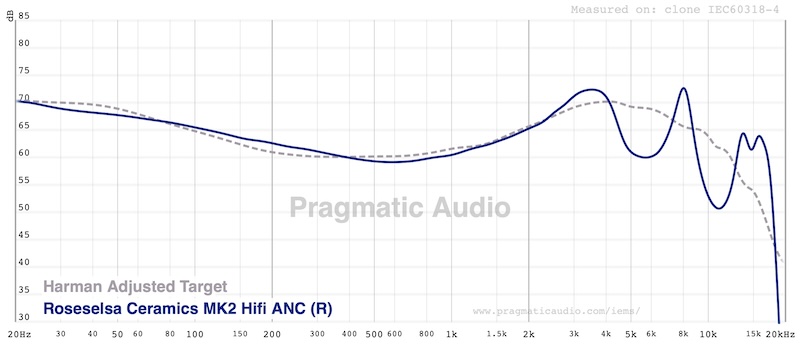
The HiFi profile frequency response is the graph worth focusing on. The bass shelf is present and well-controlled, rolling off cleanly through the midbass without the muddiness that plagues many budget TWS tunings. The midrange sits in a modest recession — visible on the graph but not dramatically so — with the upper-midrange handled with more restraint than many budget competitors who push it into harshness. Treble extension is solid, with the higher frequencies present and open rather than rolling off early.
 |
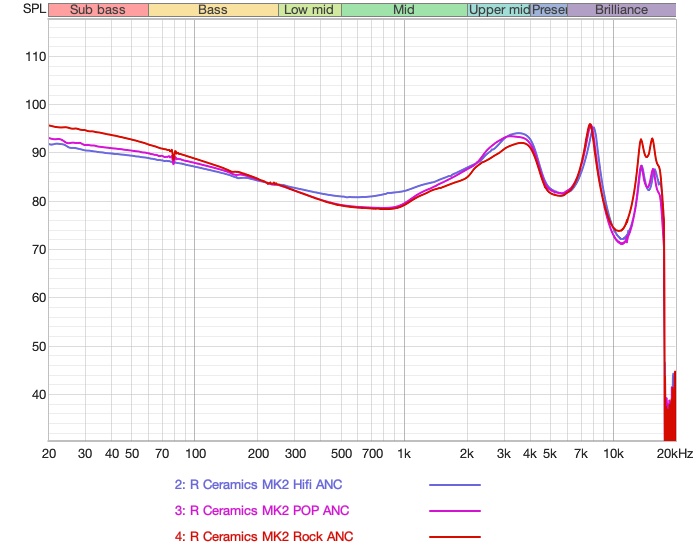 |
The three-profile comparison shows the progression clearly: HiFi is the most balanced presentation, Pop adds a modest V-shape, and Rock pushes the bass and upper-frequency energy considerably further. For serious listening, HiFi is the clear choice. The raw measurements confirm that the smoothed graphs are not flattering the tuning — the underlying response is genuinely well-behaved.
ANC Consistency
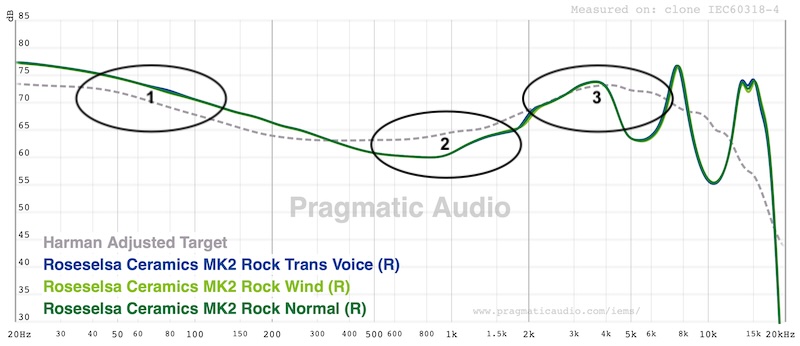
One of the more impressive measurement findings concerns the ANC implementation. Switching between ANC active, Transparency, and Normal modes essentially produces no measurable difference to the frequency response. Here are all three modes measured without moving the Ceramics MK2:
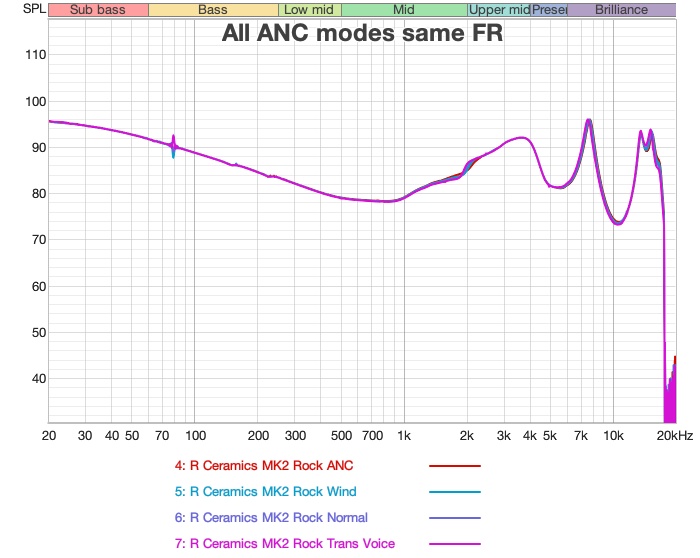
Many budget ANC implementations introduce tonal coloration when noise cancellation is engaged, often creating a hollow or pressure-heavy character.
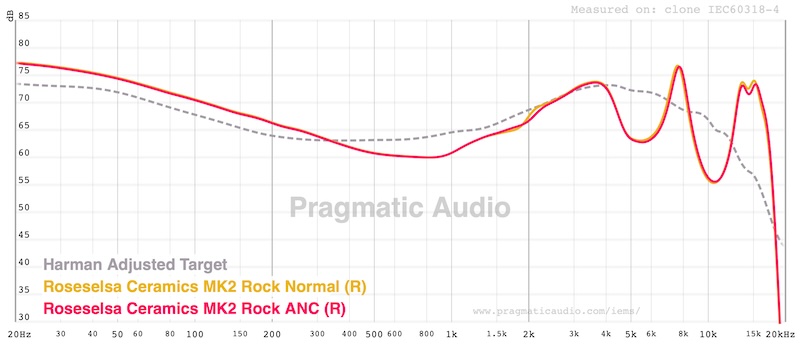
Thankfully, this consistency also lasts when you switch to some of the other profiles:
 |
 |
Comparison with the Original Ceramics X
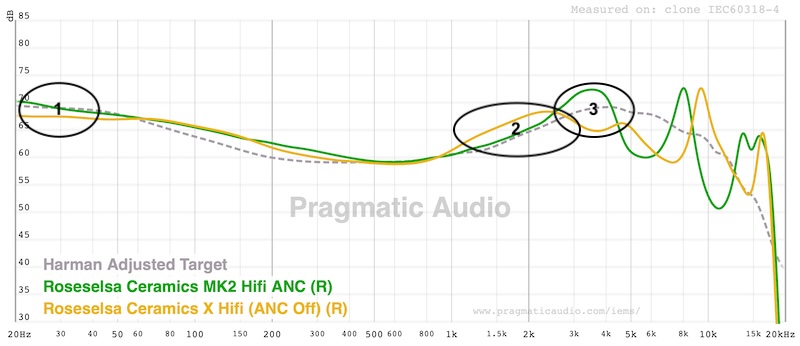
The frequency response comparison tells the story directly: the MK2 delivers better sub-bass extension, a more coherent midrange, and a slight vocal presence lift that brings the overall tuning considerably closer to what most listeners actually want. These are not incremental tweaks — taken together they represent a meaningfully more accomplished sound.
Distortion
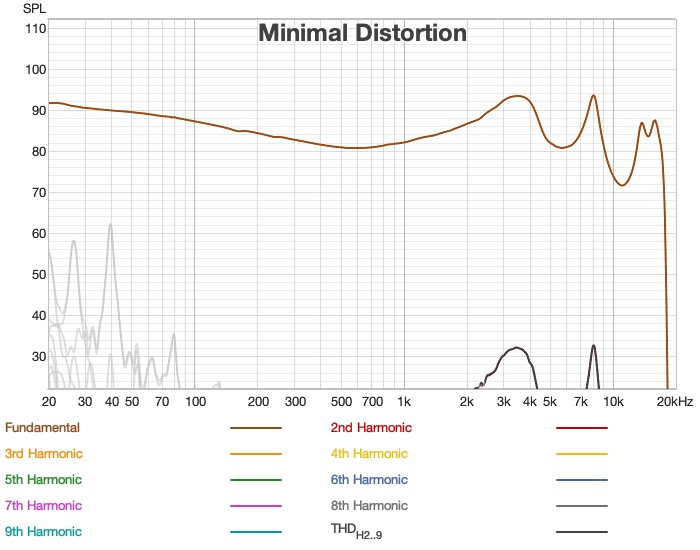
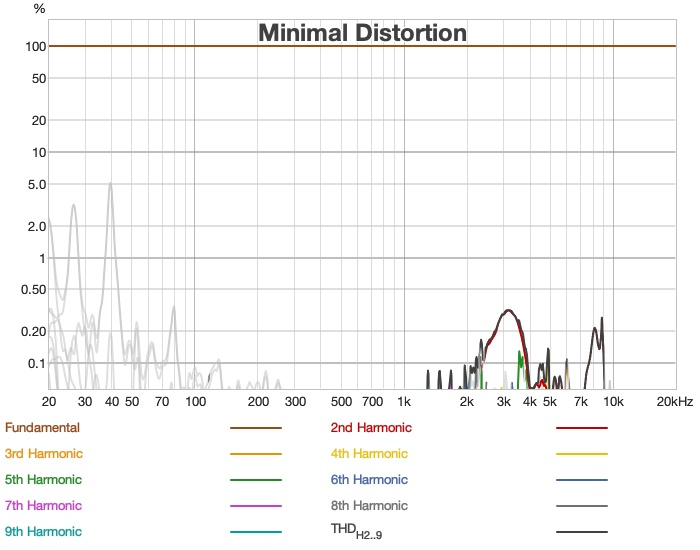
Distortion figures are appropriate for a 10mm dynamic driver TWS at this price point, with no concerning spikes in the midbass or upper midrange that would show up as audible coloration under demanding conditions.
 |
 |
Since the app currently offers no graphic or parametric EQ, the practical recommendation is simple: use the HiFi profile. For listeners who want a little more treble clarity, the hardware has headroom for a gentle boost around 8–12kHz — but this is an optional tweak rather than a fix for any meaningful flaw.
Comparisons
| Feature | Rose Technics Ceramics X | Roseselsa Ceramics MK2 | Moondrop Space Travel 2 |
|---|---|---|---|
| Price | $48.99 | $32.99 | $29.99 |
| LDAC | Yes | Yes | No |
| ANC | 55dB | 40dB | Yes (Wide-band) |
| Bluetooth | 5.3 | 6.0 | 6.0 |
| Battery (earbud / total) | 10H / 50H | 12H / 45H | 7H / 24H |
| EQ / Tuning | 3 fixed profiles | 3 fixed profiles | Full PEQ via app |
| Soundstage & Imaging | Good | Very good | Good |
The Ceramics X was a credible budget TWS, but the MK2 improves on it in every meaningful dimension.
But against the Moondrop Space Travel 2, there is some competition. Since, the Space Travel 2 brings full parametric EQ via the Moondrop app, a feature that I do love for ‘sculpting their own sound’. However, the Ceramics MK2 counters with better ANC (the Space Travel 2 has a single feedforward solution), a substantially larger battery, LDAC on the same Bluetooth 6.0 platform and the ability to easily switch to third party eartips. At $32.99 versus the Space Travel 2’s $29.99, the price difference is negligible, but the Ceramics MK2 represents arguable a more feature-complete daily-use package for listeners. The Space Travel 2 wins for those who want to dial in their own tuning precisely; the Ceramics MK2 wins for almost everything else.
Rating Explanation
The Ceramics MK2 earns its four-star pragmatic rating by delivering genuine competence across every dimension a daily-use TWS should address. The HiFi profile tuning is honest and accomplished — it does not paper over measurement weaknesses with a mid-bass excess or an artificially boosted presence peak. The ANC is effective, is largely transparent to the frequency response, and the battery life is exceptional. LDAC at $32.99 on Bluetooth 6.0 is remarkable regardless of what else comes with it — that it comes with a well-tuned sound signature, reliable fit, and a case designed for practical daily use makes the full package genuinely impressive.
But, I feel only having three fixed profiles with no user-accessible EQ is a constraint that feels increasingly uncomfortable as competitors at comparable or modestly higher prices begin to offer parametric control. The microphone performs well for indoor voice calls and online meetings, but the absence of meaningful wind noise cancellation makes outdoor calls frustrating in any kind of exposed weather — a real-world limitation if you commute outdoors through winter.
Conclusion
A year on from the Ceramics X, Roseselsa has done what a good follow-up should: kept what worked, addressed what didn’t, and resisted any temptation to inflate the price along the way. The Ceramics MK2 is a better-tuned, better-featured, and more technically accomplished TWS than its predecessor in every meaningful way — and at $32.99 it asks very little in return.
The ideal buyer is someone who wants a genuinely competent everyday TWS that sounds right without requiring any app configuration, handles noisy environments with workable ANC, fits comfortably for long sessions, and can be tossed into a pocket on a travel day without a second thought. If precise PEQ curve dialling is your priority, the Moondrop Space Travel 2 will serve you better. But if you want something that simply sounds good from the moment it goes in your ear, and still has battery life left at the end of a long day — the Ceramics MK2 is worth every cent of its asking price.