Sivga Robin SV021
The original SV021 Robin from 2021 still holds up well
The naming here is worth addressing upfront. This is the Sivga Robin SV021, the original model released in 2021. It is not the SV021 Pro I reviewed in March, and it is not the SV021 Pro V2. Sivga has clarified that the original SV021 has not been upgraded or replaced by a V2 version; the SV021 Pro V2 name refers to a later optimisation of the SV021 Pro, not to this headphone. So any earlier reference I made to “V2” here was a naming mistake.
At $149.99 with genuine wood earcups, memory foam pads, and a detachable cable, the question is simpler: does the original SV021 still make sense today? For me, the answer is yes, especially if you are willing to use a little EQ. I do think this sample measures better than some of the early SV021 reviews suggested, but that should be understood as better-refined manufacturing of the same model and possibly those early reviews were not the final production units.
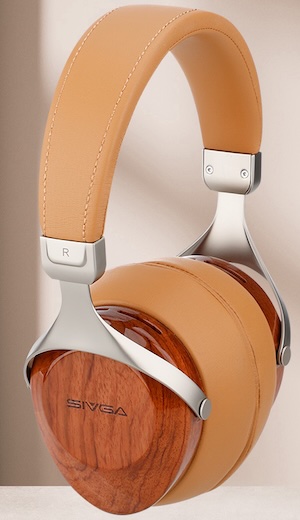
I would like to thank Sivga for providing the Robin SV021 for the purposes of this review.
If you are interested in finding more information about this product, you can find it at the official Sivga product page.
The Sivga Robin SV021 typically retails for $149.99.
After three weeks of daily use, I have been very impressed with what you get with the Robin, it does need a little bit of EQ in the midrange, but otherwise I think it is one of the best tuned Sivga headphones and pretty great at this price point. My wife (who cares more about comfort and looks) also loved it. At 275g with those memory foam pads, the SV021 sits very gently on smaller heads in a way that not every closed-back manages, and that earpad material is very comfortable. What is interesting is how its sonic profile compares against more recent closed-backs at this price.
But before I get into the sound, let’s take a look at what’s in the box.
Unboxing and Packaging
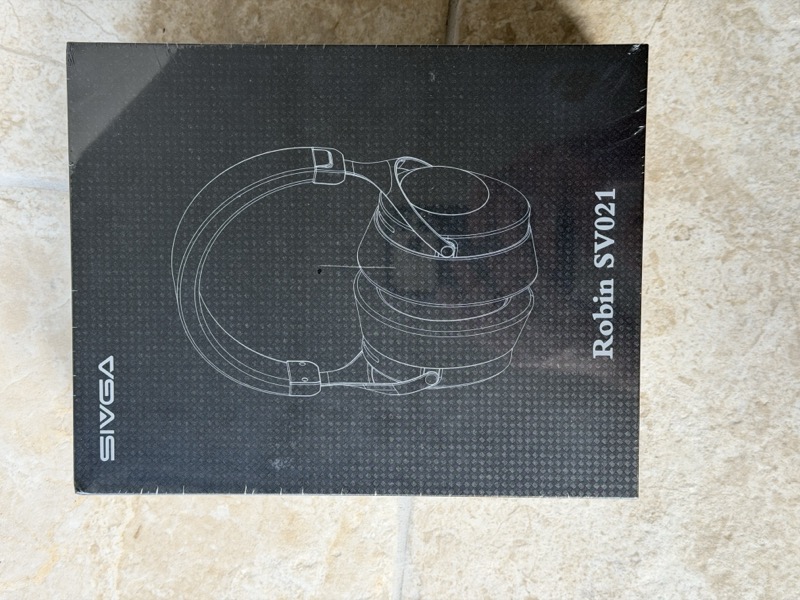
The SV021 arrives in clean, practical outer packaging with the Robin branding clearly presented:
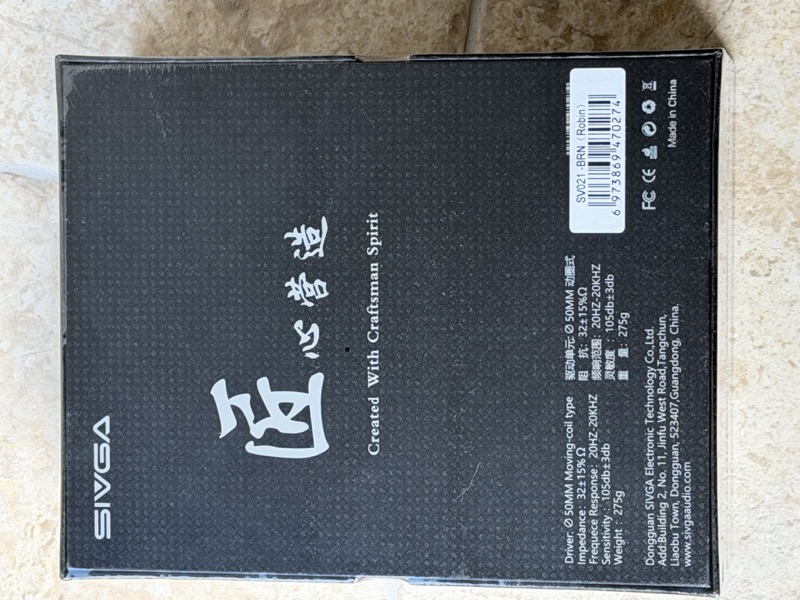
A separate driver information inserts positions the SV021 as a considered product and gives a preview of the driver technology — a nice touch that not every headphone at this price includes:
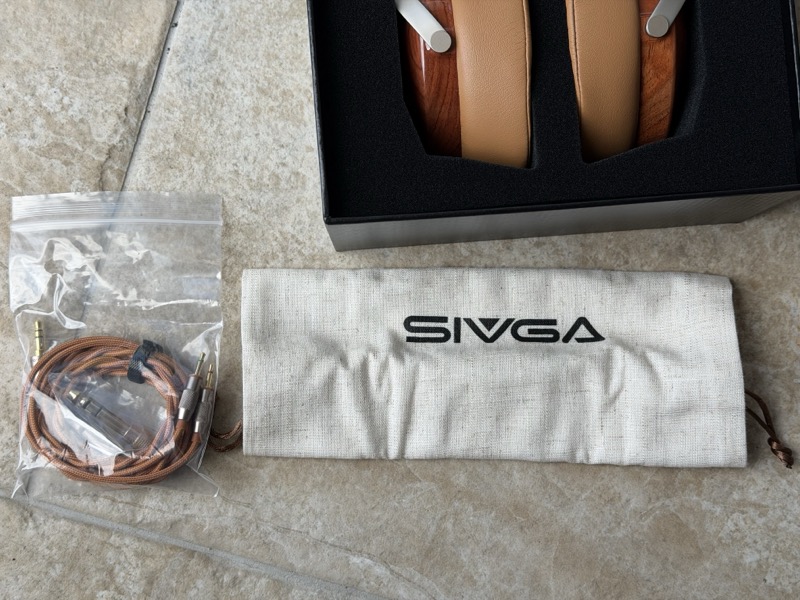
Inside, the contents are presented well. The box includes the headphone, a detachable cable, a 6.35mm adapter, and an accessory pouch. There is no hard carry case, which is a genuine omission for a headphone this well-built:
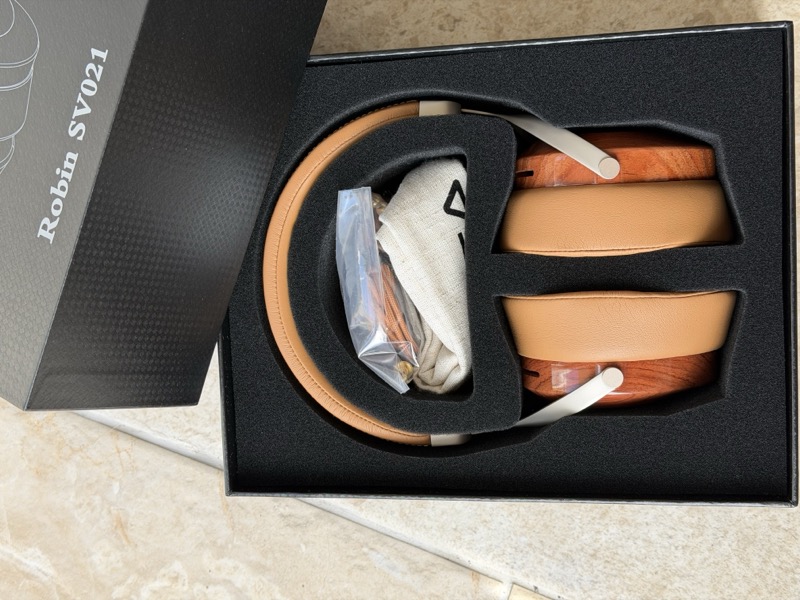
The soft accessory pouch holds the earpads and cable but will not protect the headphone for travel. The SV021 looks good enough that a case would have been a meaningful inclusion:
Design and Build Quality
The real wood earcups are the headline feature, and they deliver. Each cup has a warm, natural finish that gives the SV021 a visual quality that stands out at this price — this does not look like a $149 headphone:
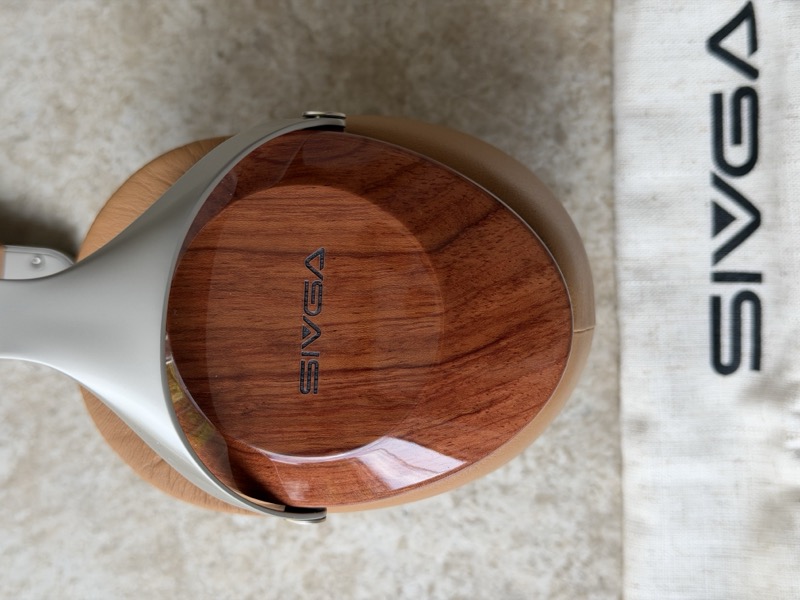
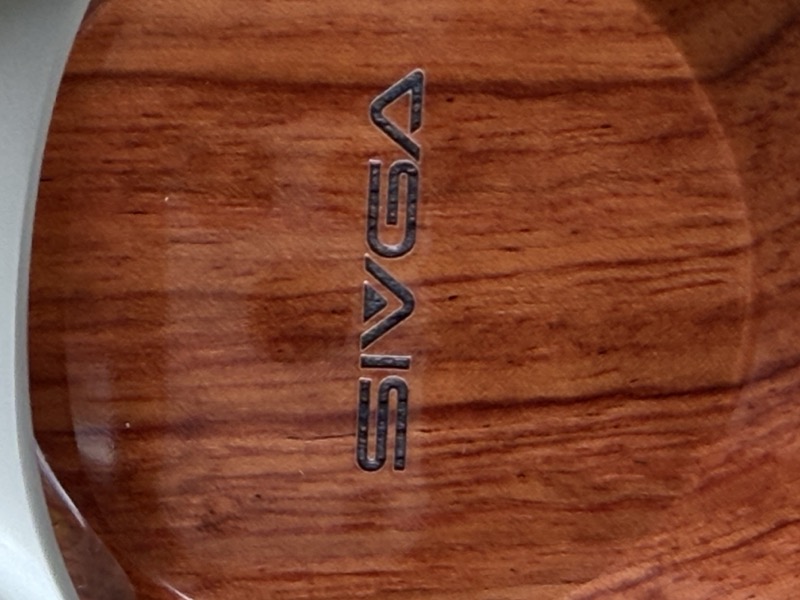
The Sivga branding sits cleanly on the wood surface without crowding it:
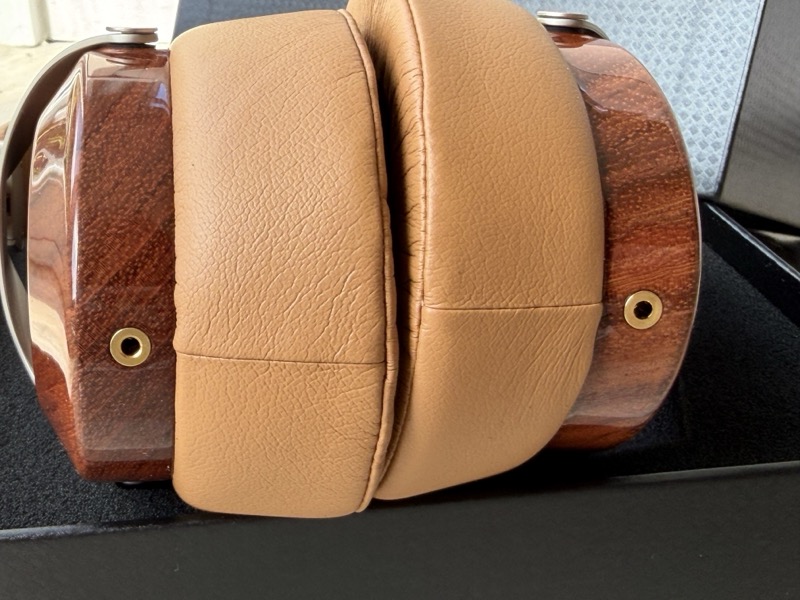
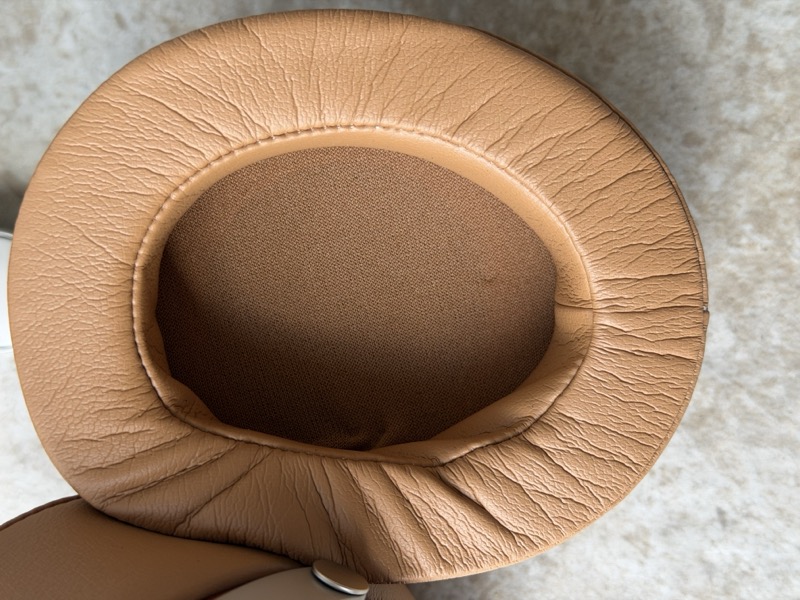
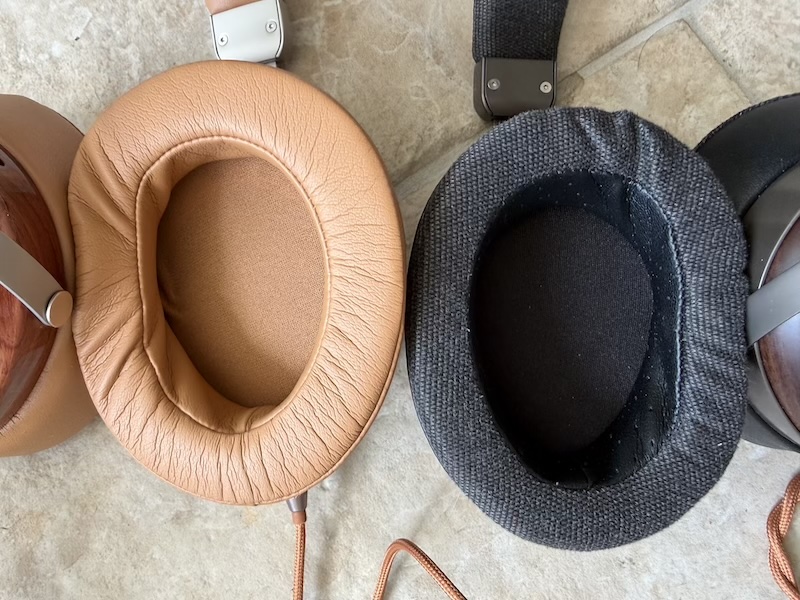
The earpads are a genuine strength. The memory foam layer covered in what Sivga calls delicate earpad leather provides real comfort — soft, yielding contact that makes the headphone feel lighter than its 275g on the head:
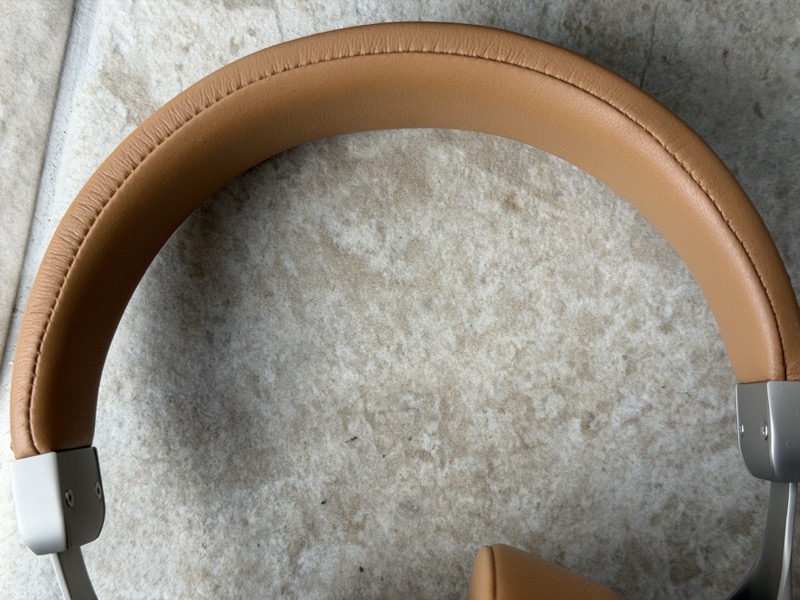
The wood cups with earpads installed, and the earcup interior — both are well-finished and make a strong overall impression:
 |
 |
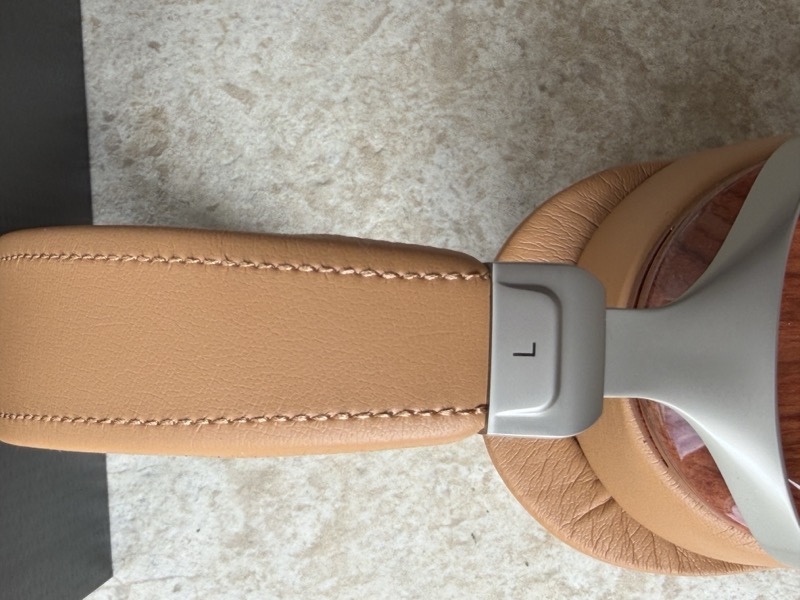
The side panel and grip area show how cleanly the wood integrates with the structural elements — seams are tight and the assembly feels solid:
Driver Technology
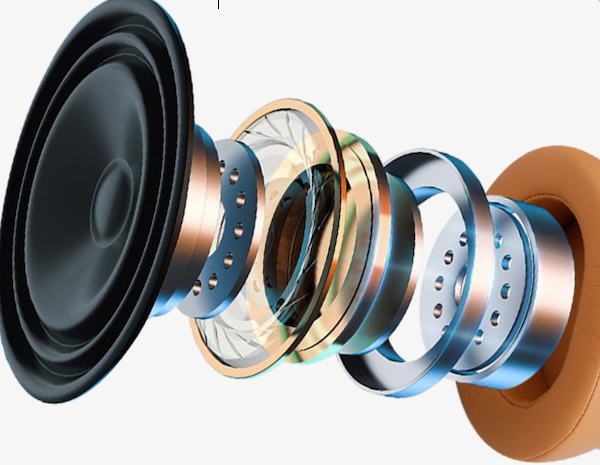
So according to Sivga the SV021’s 50mm dynamic driver is an in-house Sivga diaphragm made from polycarbonate and fibre — a combination Sivga describes as providing good elasticity and dynamic performance with a natural character. The following is Sivga marketing diagram from their website which looks more like a speaker driver than a headphone driver:
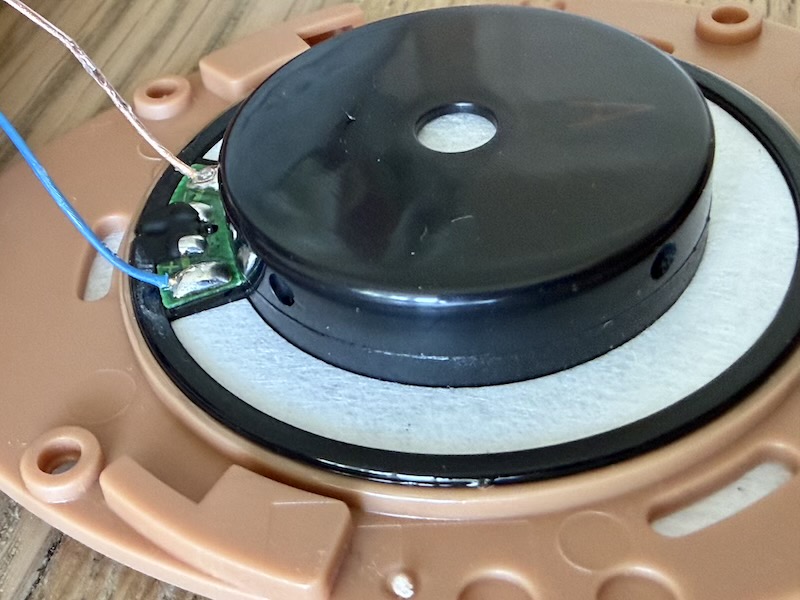
I opened up the earcups on this SV021 to check the driver and compare it with earlier teardown photos. This is not because I think this is a new driver; Sivga has clarified it is the same original SV021 model. I found a TechPowerUp review of the original SV021 where they had opened up the earcups. Here is that image:
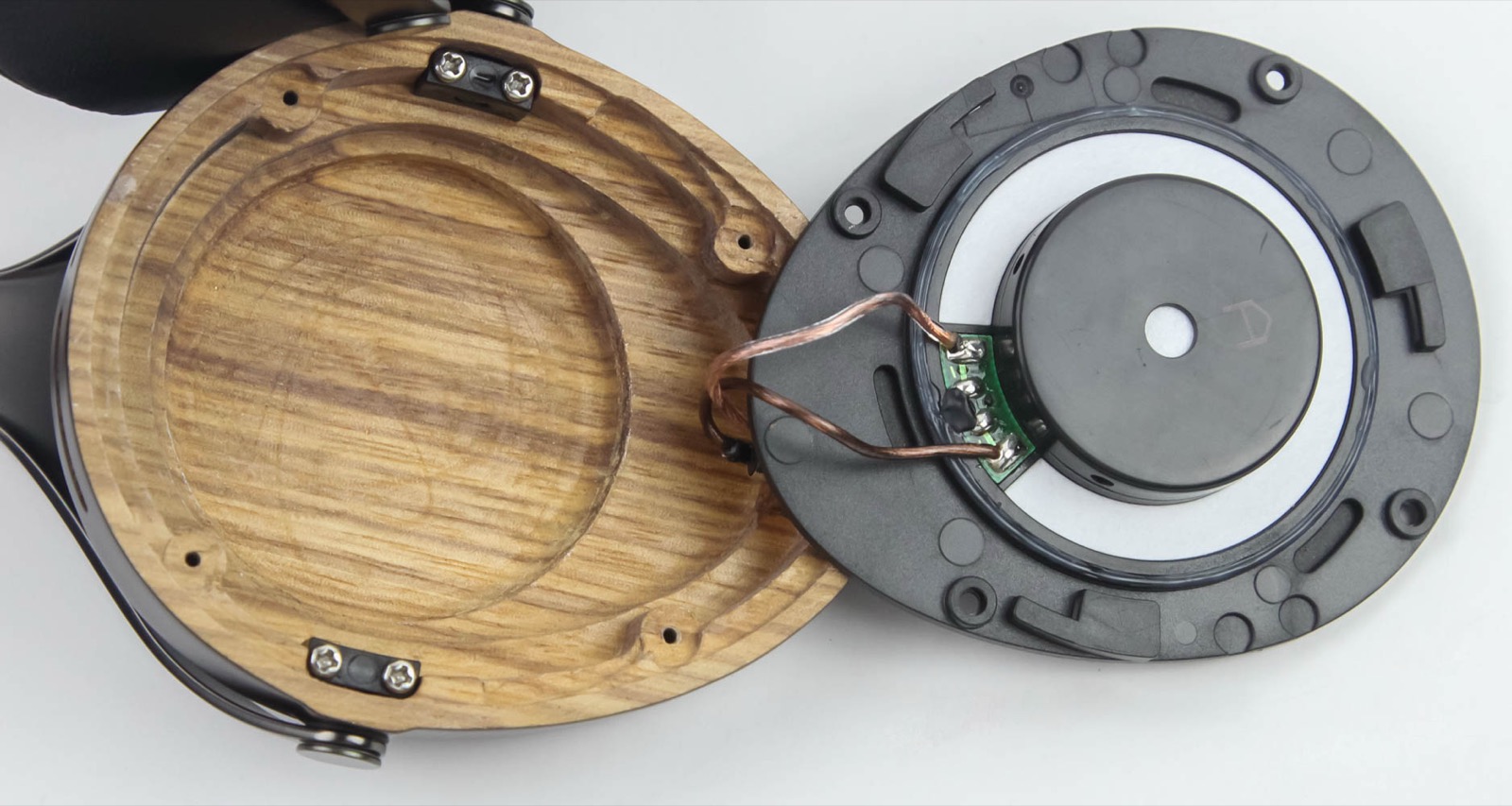
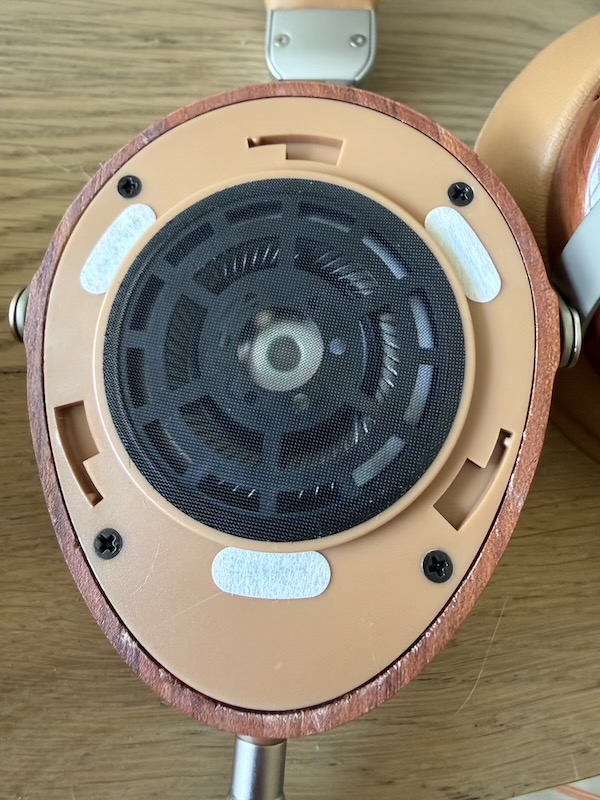
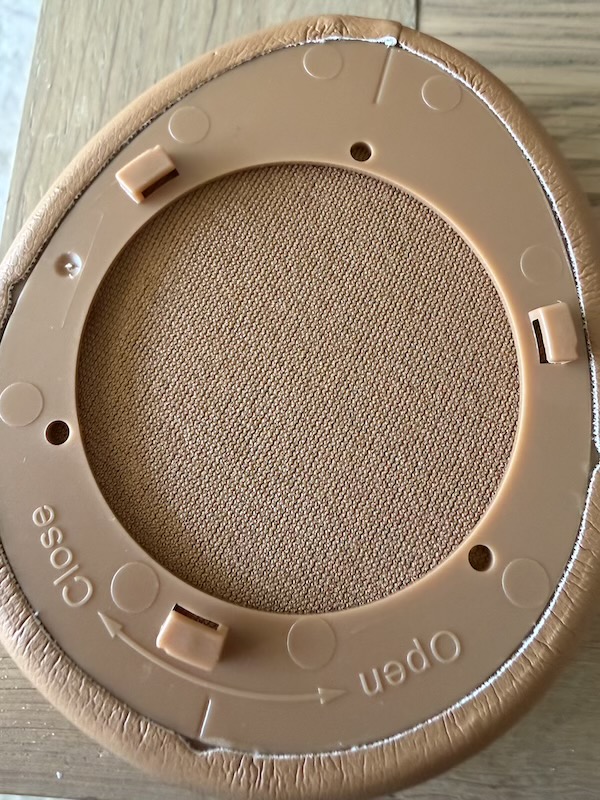
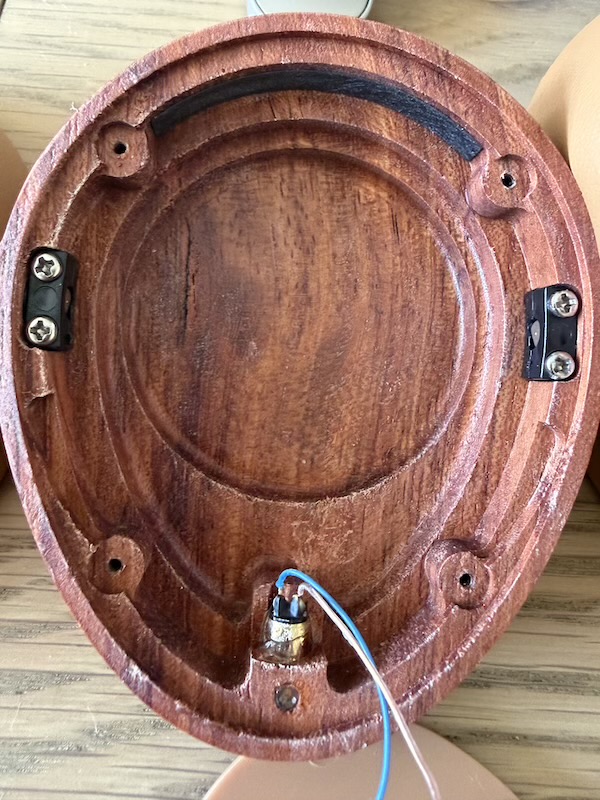
I then opened up this review sample. Replacing the earpads is super simple it unclips cleanly using a bayonet-style lock ring (rotating clockwise). Here is the driver exposed and back of the earpads:
 |
 |
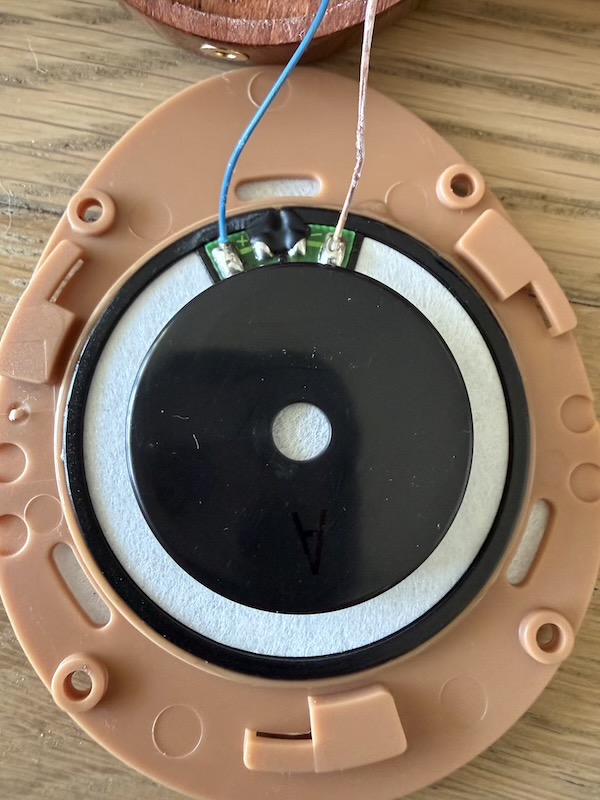
While the wood colour can vary between samples, the driver itself looks effectively the same as the earlier teardown:
 |
 |
So the driver photos are still useful, but mainly as confirmation that this appears to be the same SV021 driver rather
than evidence of a Pro V2-style model change:
Cables and Accessories
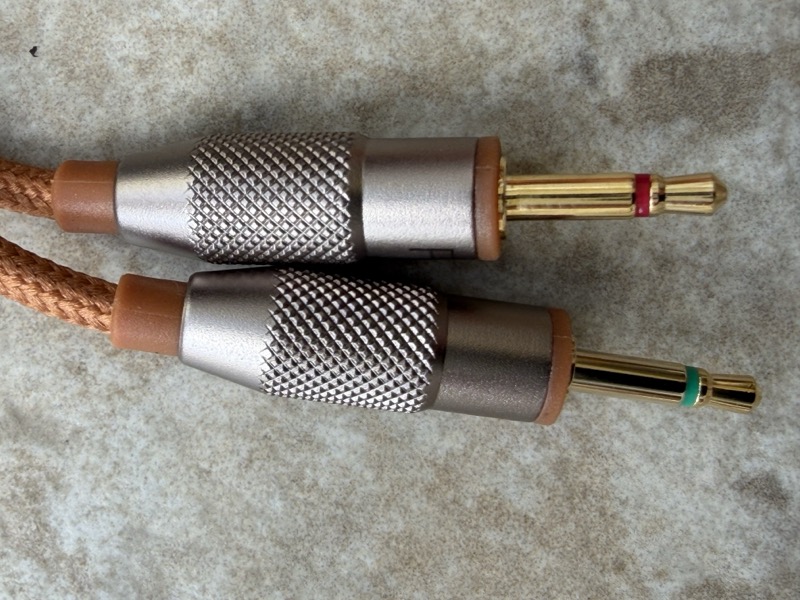
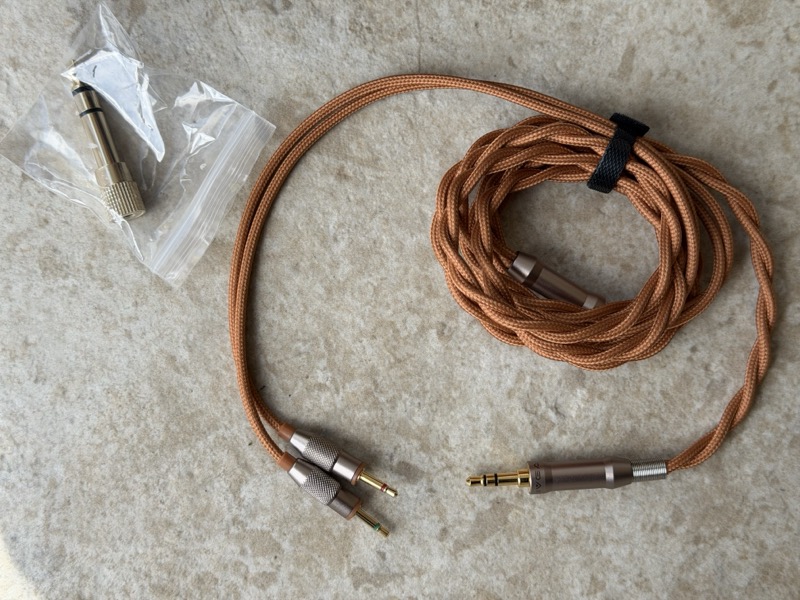
The included cable has some things worth calling out — in both directions. The dual 3.5mm connectors at the headphone end are colour-coded left and right, which is a genuinely useful detail that takes no effort to appreciate once you are used to it:
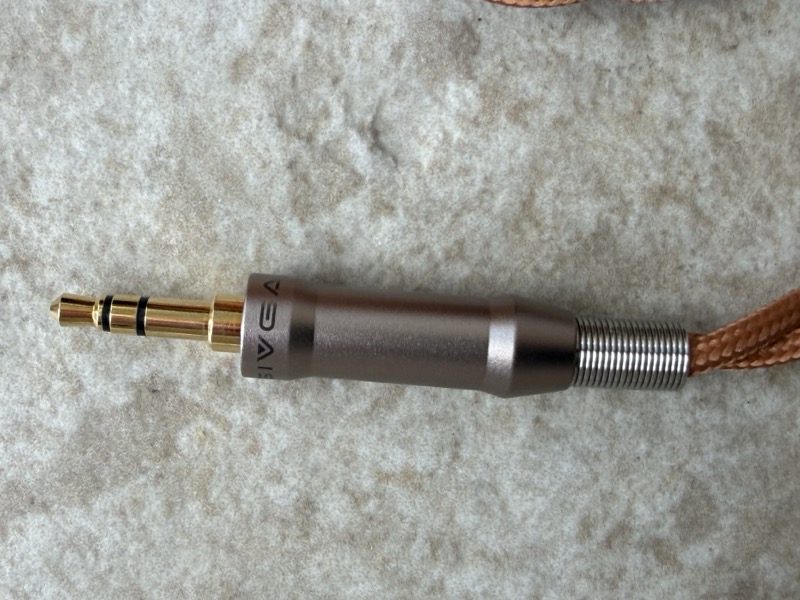
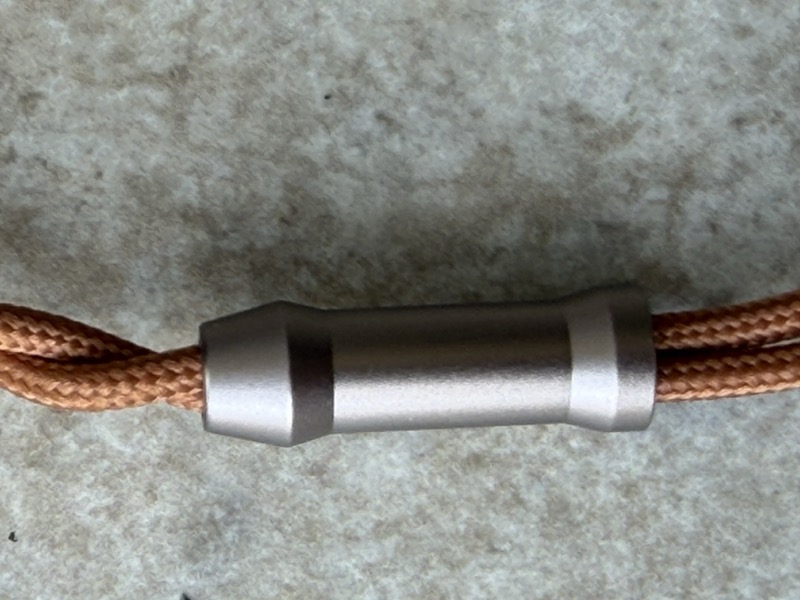
The 3.5mm termination at the source end and the cable splitter are both neatly finished:
 |
 |
The weakness is microphonics — cable handling noise is audible during movement. For desk listening this is a non-issue, but for commuting or any active use you will notice it. I spent most of my listening time with a different cable:
Fit and Comfort
The headband is the SV021’s weakest element. Compared to Sivga’s more expensive models — the Peng in particular uses a more refined suspension system — the Robin’s headband is simpler and distributes weight less evenly on larger heads over extended sessions. That said, the SV021 Pro uses a similar basic headband, so this is a consistent design choice at the base tier rather than a step backward.
Where the SV021 genuinely excels is earpad comfort and overall weight. The memory foam pads provide real depth and a gentle seal, and at 275g this headphone disappears on smaller heads. As mentioned, my wife wore these for a full evening without noting any discomfort — which is a more practical endorsement than most listening tests.
Sound Impressions
All impressions were formed using the JDS Labs Element IV, the Topping DX5 II and evenually using the new Truthear KeyX (when I was playing around with the midrange EQ tweaks). I listened to both stock and with EQ applied, and both are worth commenting on.
Bass
The bass is one of the SV021’s clear strengths. There is real weight here — sub-bass extension that gives electronic music and well-produced recordings a satisfying sense of body without turning soft or losing definition. On “Angel” by Massive Attack, the deep synth layers carry genuine texture and hold their composure without collapsing into undifferentiated rumble. The mid-bass is warm and present without blooming badly into the lower midrange, which is one of the things I like most about this headphone. This is a confident, enjoyable low end that does not require EQ intervention.
Midrange
The midrange is where the SV021 asks the most of the listener. There is a scoop in the lower midrange — in the region where guitar body, piano, and male vocal weight sits — that creates some distance and thinness in instrument presentation. On “Fast Car” by Tracy Chapman, the guitar body and lower register of the vocal lose some of their natural warmth and feel slightly pulled back. This is the primary EQ target: a broad lift in the 500Hz–1kHz region does a lot to restore coherence and bring instruments forward. With that correction in place, the midrange becomes genuinely good — present, clear, and natural in a way that makes the headphone considerably more enjoyable across most music.
Treble
The treble has a dip in the lower treble followed by a lift further up — smooth initially but with some edge on brighter recordings. On “Tamacun” by Rodrigo y Gabriela, the upper guitar harmonics come through with presence and energy, though the SV021 occasionally over-emphasises the bite of certain string attacks relative to a more neutral headphone. It is not fatiguing on most material, and the lower-treble softness keeps sibilance well controlled — but the upper-treble elevation is visible in the measurements and audible on revealing recordings. A small high-shelf cut above 8kHz is the second EQ adjustment worth making.
Soundstage and Imaging
For a closed-back at this price the soundstage is reasonable — intimate, as closed-backs tend to be, with a centre-weighted presentation and adequate front-to-back layering. On “Private Investigations” by Dire Straits, the guitar and vocal occupy distinct positions and the spatial organisation is clean, if not wide. With EQ addressing the midrange scoop, the imaging improves noticeably — instruments feel more present and immediate, and the overall sense of space opens up. This is not a wide-stage headphone, but it is a coherent one.
Specifications
| Specification | Value |
|---|---|
| Style | Over-ear |
| Transducer Type | Dynamic Driver |
| Transducer Size | 50mm |
| Frequency Response | 20Hz – 20kHz |
| Sensitivity | 105dB ±3dB |
| Impedance | 32Ω ±15% |
| Cable Length | 1.6m ±0.2m |
| Connector | 3.5mm |
| Weight | 275g |
Comparisons and Measurements
Most of the comparison shots feature significantly more expensive headphones — these are offered as context rather than competitive assessments, since the SV021 is the most affordable of any of them.
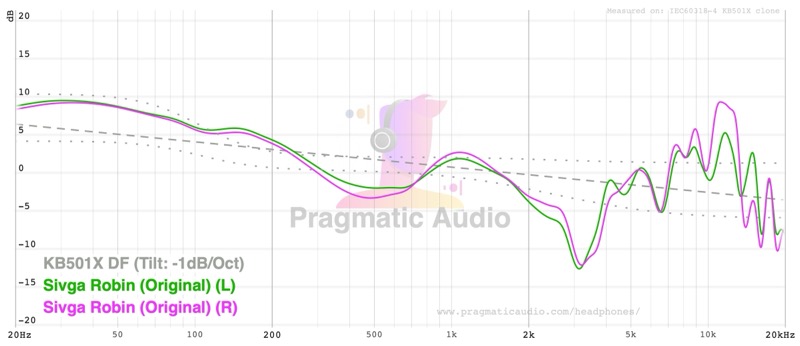
The raw KB501X frequency response shows the SV021’s character clearly — solid bass, a lower-midrange scoop, and the upper-treble lift I mentioned in the listening section:
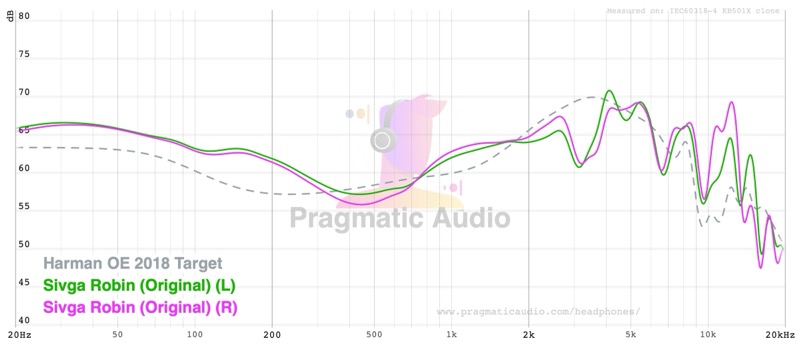
Against the Harman OE 2018 target, the same picture with more context: bass sits pleasantly above target, the midrange dips in the lower region, and the upper treble has more energy than the curve recommends:
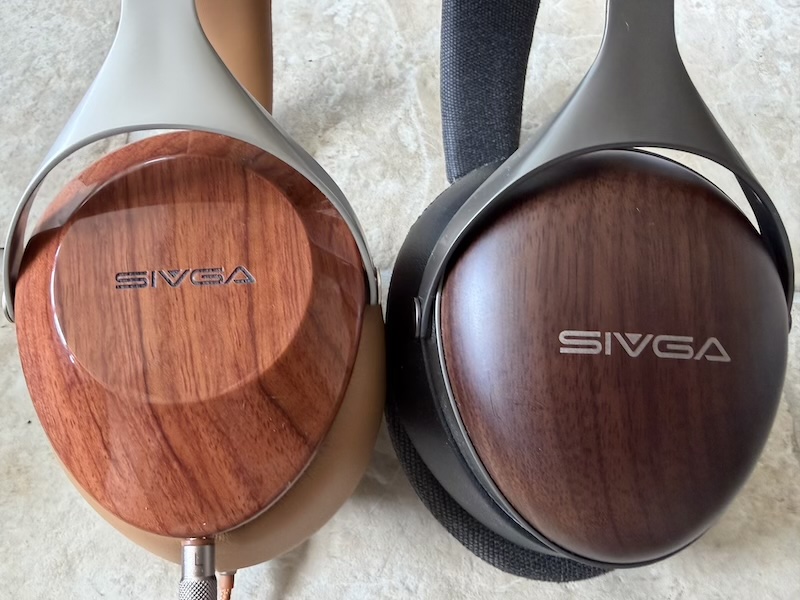
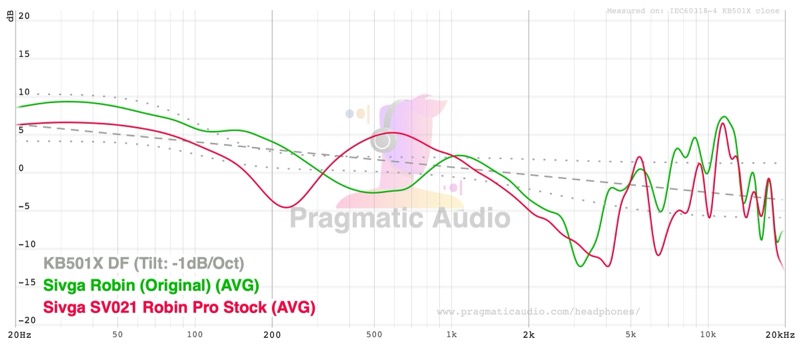
The most directly relevant internal comparison is against the SV021 Pro. The Pro has a headband that sits more comfortably on larger heads, which remains its practical advantage. The SV021 Pro V2 is a separate later optimisation of the Pro model and should not be confused with the original SV021 reviewed here. Compared with some early measurements of the SV021, my sample looks more controlled, which I would attribute to refined manufacturing consistency rather than a different model or driver. Two views of the SV021 earcup design:
 |
 |
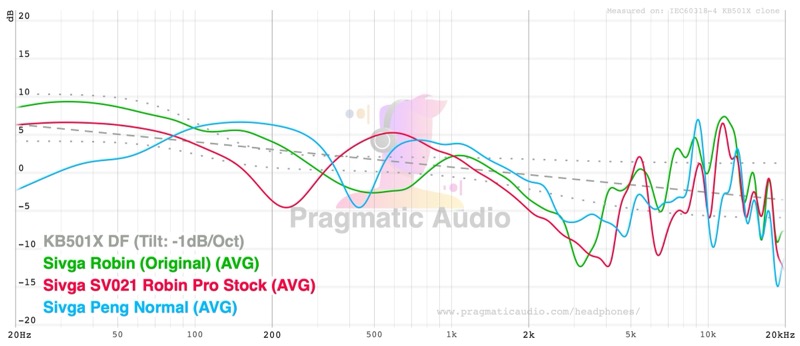
Alongside the Sivga Peng, the SV021 traces a similar overall character — the family resemblance is clear in the tuning approach, though the Peng sits at a higher price with a more refined headband:
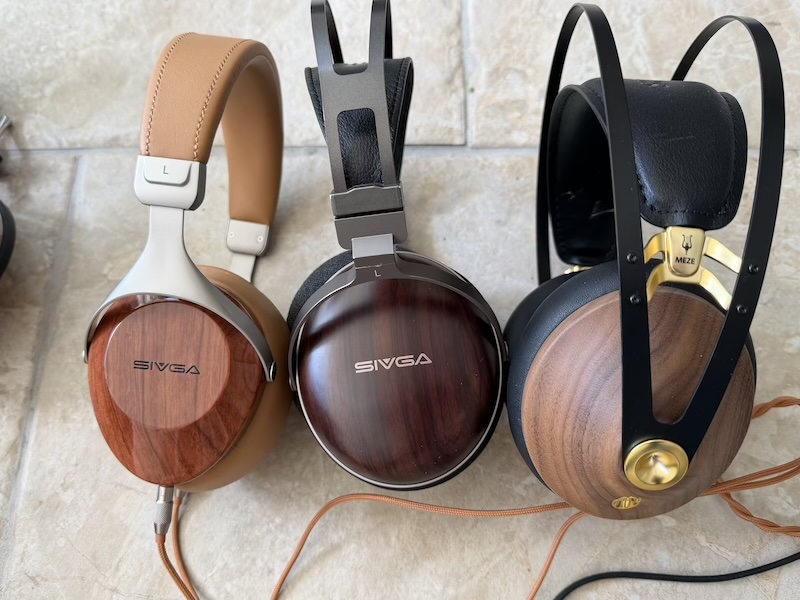
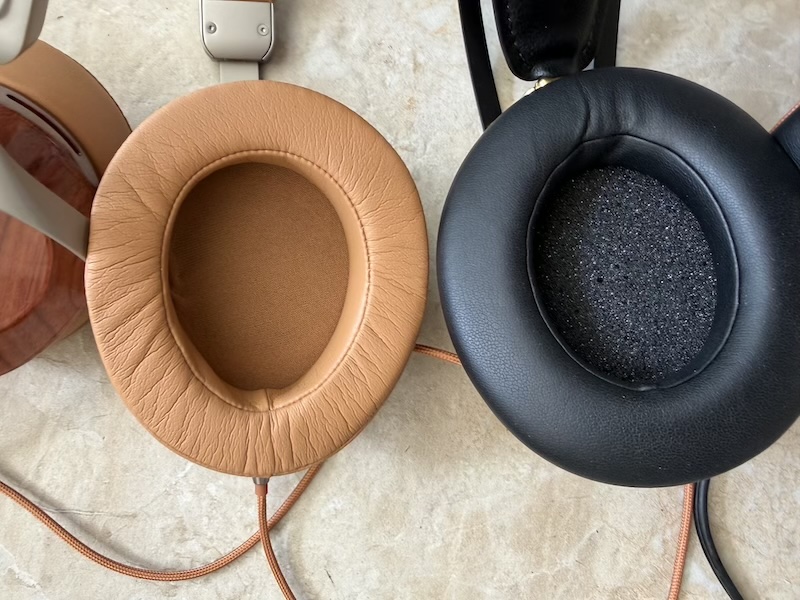
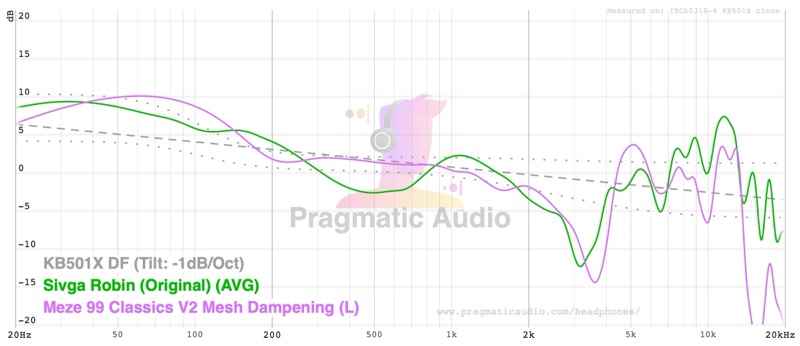
Against the Meze Audio 99 Classics V2 — a well-regarded warm closed-back at a higher price — the SV021 competes more closely in bass weight and character than the price gap might suggest. The Meze has better headband comfort and a more even midrange out of the box, but EQ closes the gap considerably:
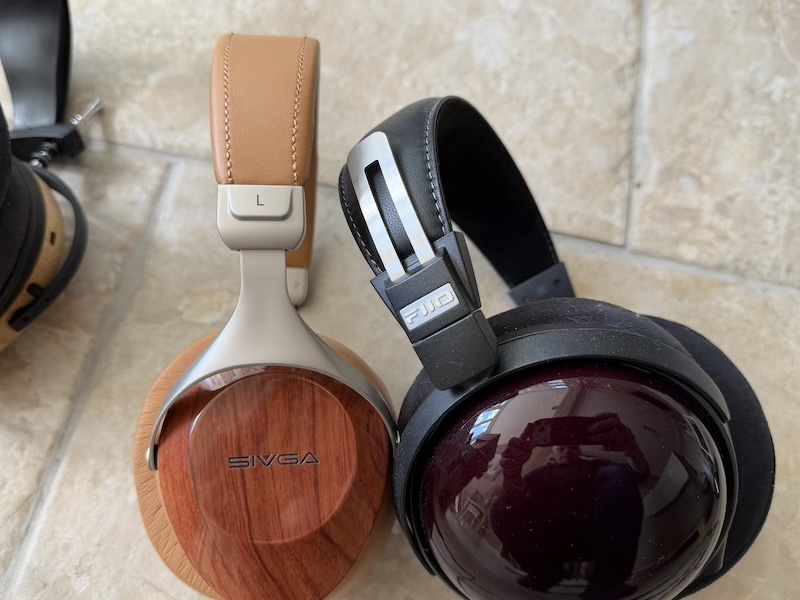
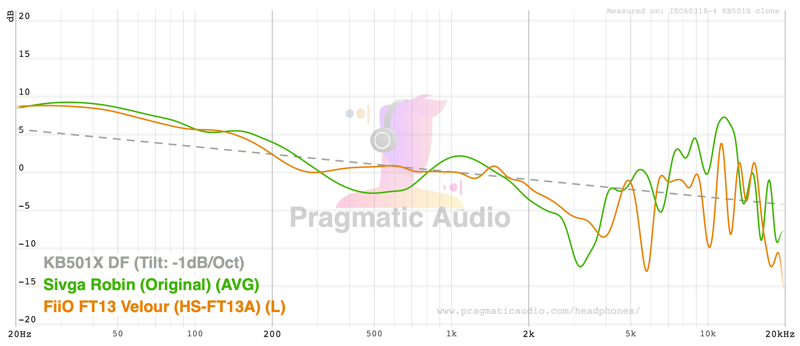
The FiiO FT13 is a natural comparison — another dynamic driver closed-back with strong build quality and a competitive price. The FT13 has a more neutral stock tuning and a better headband; the SV021 has the wood aesthetic and the memory foam earpad comfort. The measurements confirm the tuning difference — the FT13 is considerably flatter through the midrange while the SV021 has more bass weight and a more pronounced lower-midrange dip:
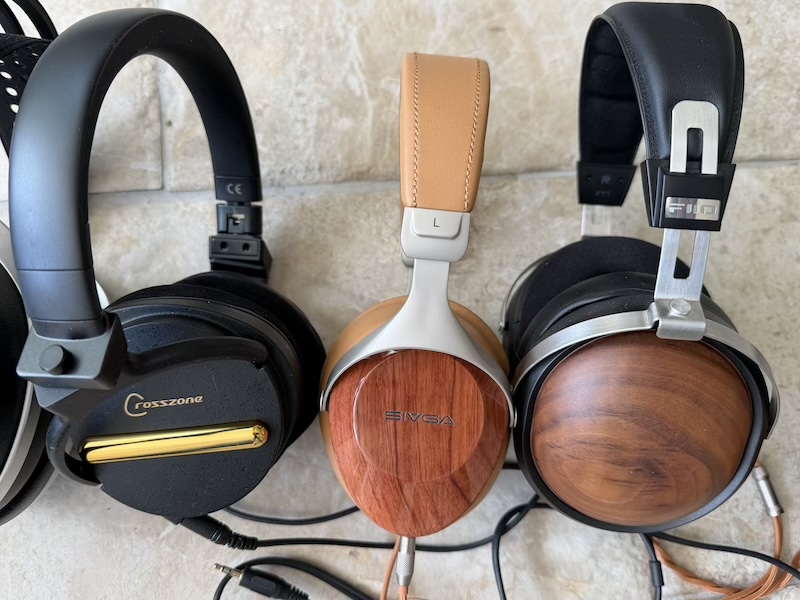
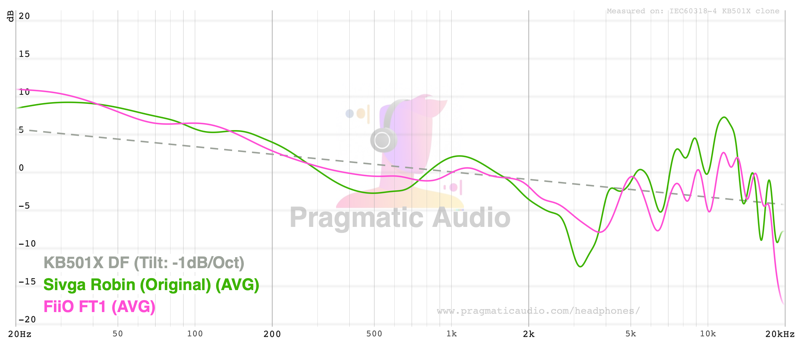
Against the FiiO FT1 while it does well it doesn’t match the FT1 more linear midrange, but I feel that is the area where some simple and consistent EQ can do wonders for the SV021:
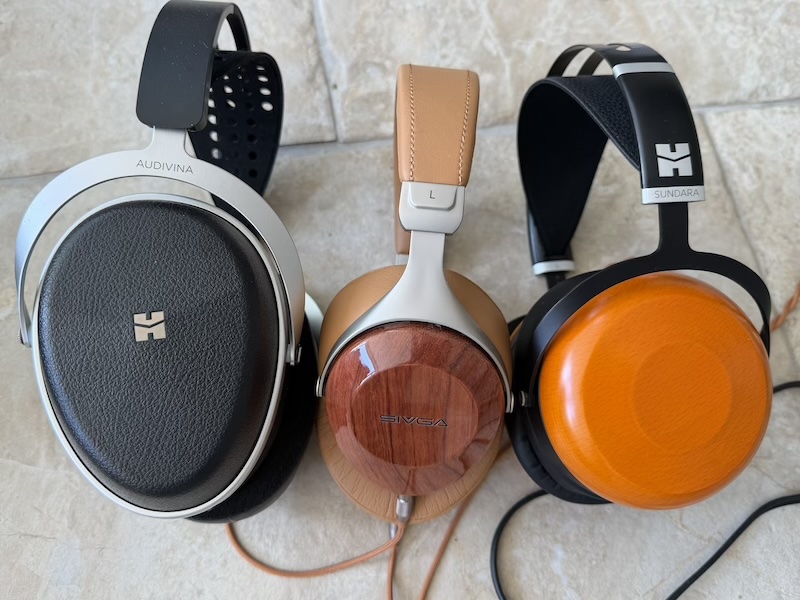
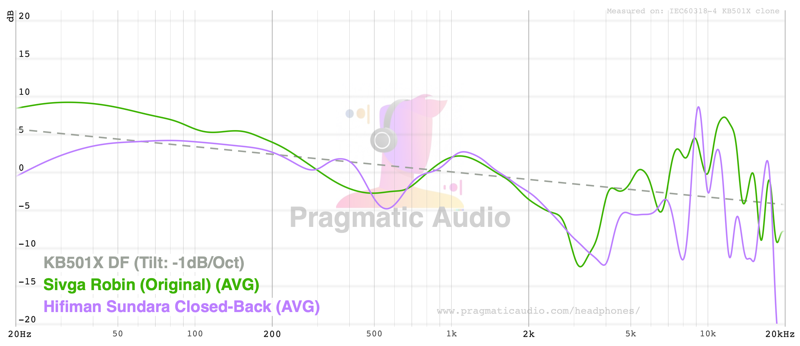
Against the Hifiman Audivana LE and the new Crosszone the SV021 achieves better tonality than either:
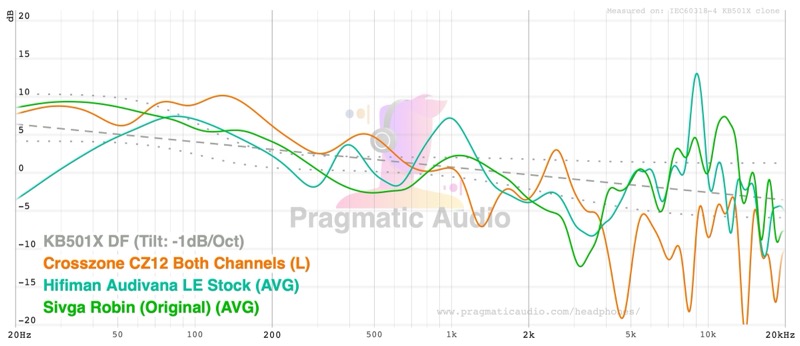
The Sundara Closed in particular has a more prominent upper-midrange peak that the SV021’s softer response avoids:
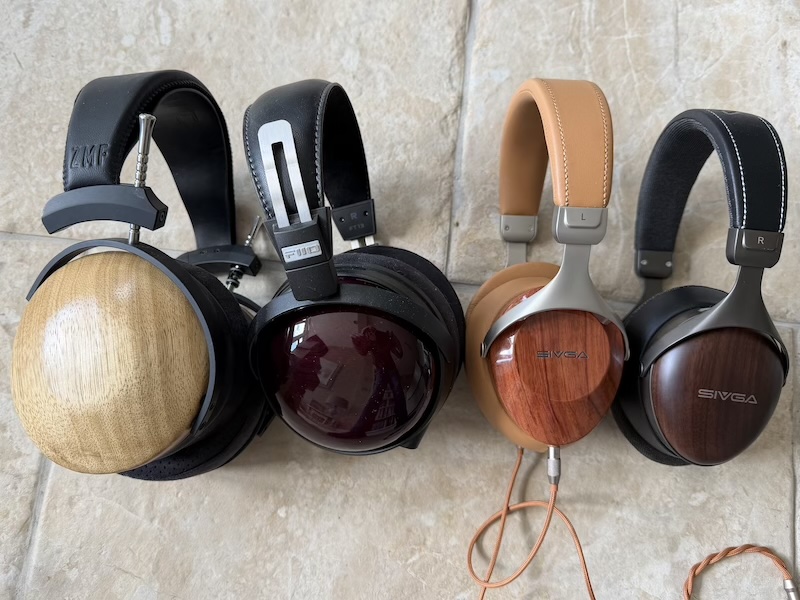
I did also do some comparisons with the ZMF Bokeh closed and a few other closed backs, but the ZMF especially is in a totally different headphone category:
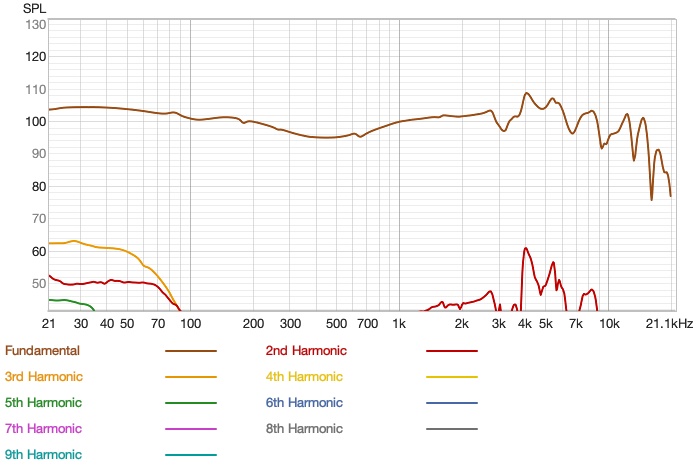
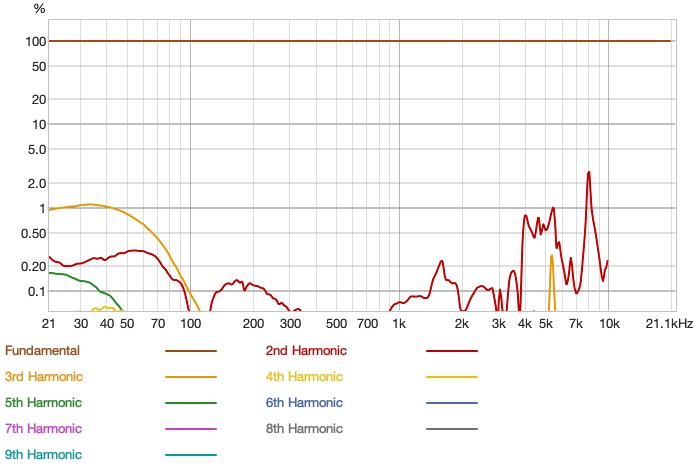
Distortion is clean for a dynamic driver at this price, with no significant resonances in the critical listening bands. That measured cleanliness is where I see the strongest evidence of improved production consistency over some early coverage of the model:
 |
 |
For EQ, the 3 main adjustments: a broad lift of around 3dB centred in the 500Hz–1kHz region to address the lower-midrange scoop, a broad life in the 3Khz region to bring the vocals more forward and a high-shelf cut of around 2dB above 8kHz to tame the upper-treble elevation. With these 3 simple changes you get a very decent sounding closed back.
Rating Explanation
The Pragmatic Rating of 4 reflects a genuinely good headphone that earns its position with a small amount of EQ work. Stock, it is enjoyable but not fully competitive with the best-tuned closed-backs in this price range, the FiiO FT1 is a hard headphone to compete with. But with some EQ the SV021 is very good, the bass is excellent, the midrange becomes natural and present, and the build quality is legitimately impressive at $149. The measurements also suggest that current manufacturing is refined so you get a more consistent headphone than when it was manufactured originally.
The headband is the thing keeping this off a Pragmatic 5. On larger heads it distributes weight less comfortably than I would like over extended sessions, and that matters for a headphone otherwise designed for comfortable long-term wear. For listeners with smaller heads — as my wife’s experience made clear — this limitation largely disappears.
The Price Rating of 5 is straightforward: real wood earcups, memory foam pads, a detachable cable with colour-coded connectors, and a 50mm driver — all for $149.99. There are very few headphones at this price that look or feel this good. The Measurements Rating of 4 acknowledges clean distortion and the better-controlled measured performance of this sample while recognising that the stock tuning still requires a little EQ work to realise the headphone’s potential.
Conclusion
The Sivga Robin SV021 is still a rewarding headphone, and in my opinion, if you give it a small push with EQ you get a very enjoyable closed-back. The wood earcups and memory foam pads make a product that looks and feels more expensive than $149, and the bass has real character and weight. Compared with the impression left by some early SV021 coverage, this sample’s measurements look better controlled. The headband is a limitation for larger heads, the cable is microphonic on the move, and there is no carry case — but none of this is surprising at the price.
If you are comfortable with basic EQ, the SV021 sits in interesting territory, a visual and tactile quality that is hard to find at twice the asking price. It is a headphone that deserves more attention than its modest price suggests.