Sivga M260
A Metal Flat-Head Earbud with a 14.2mm Bio-Cellulose Driver and a USB-C DAC Cable
I have spent time with a few Sivga headphones now, so rather than repeat the brand’s background, it’s worth going straight to what makes the M260 different: it is a flat-head earbud, the old open-shell design that sits in the outer ear rather than sealing into the canal, rebuilt with a modern detachable MMCX cable and, in the version reviewed here, a USB-C cable with a built-in DAC and inline mic. The 3.5mm single-ended version sells for $39.99, and the USB-C version is $45.
What made me curious was whether that old-school open format still has a place next to modern IEMs, and whether Sivga’s execution of it — metal shell, swappable cable, plug-and-play USB-C — would make it more than a nostalgia piece.
I would like to thank Sivga for providing the M260 for the purposes of this review.
If you are interested in finding more information about this product, you can find it at Sivga’s official product page.
The Sivga M260 retails for $39.99 in the 3.5mm single-ended version, or $45 for the USB-C version with inline mic reviewed here.
I have had the M260 in rotation for about four weeks, mixed in with some other Sivga and Sendy Audio gear I have also been living with, including the Sivga Nightingale Pro and the Sendy Audio Egret. The standout for me has been the midrange and the soundstage — this little open earbud does something an IEM structurally can’t. But first, let’s take a look at what’s in the box.
Unboxing and Build Quality
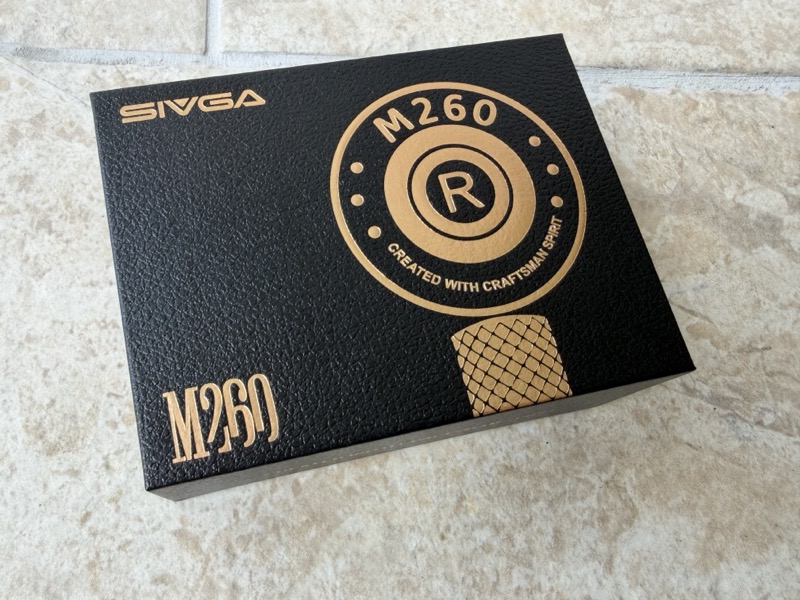
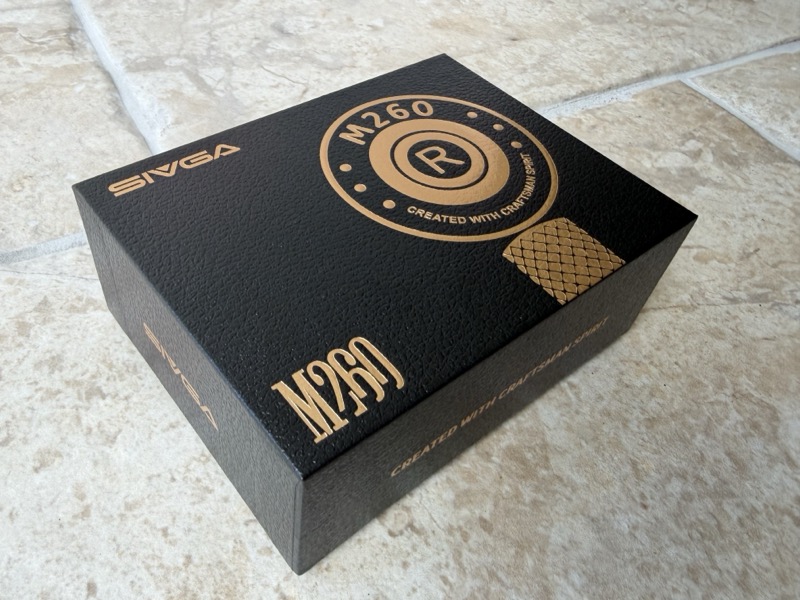
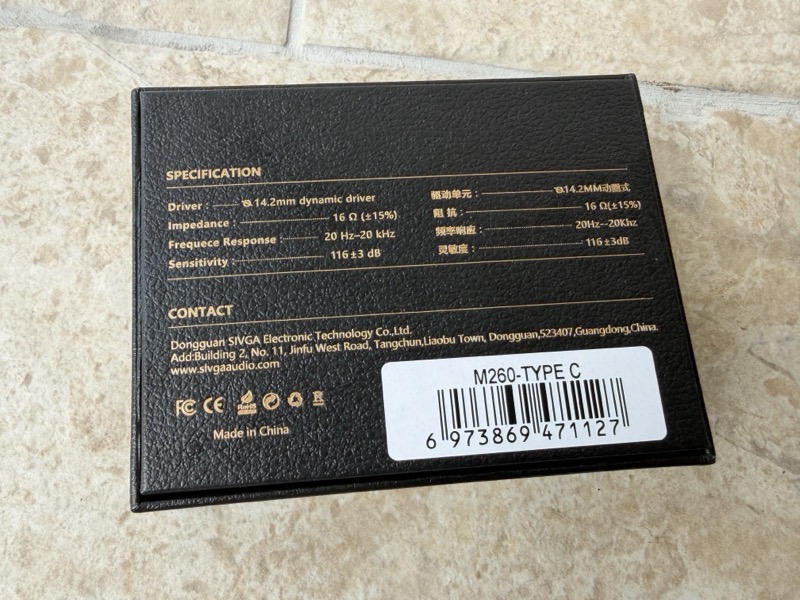
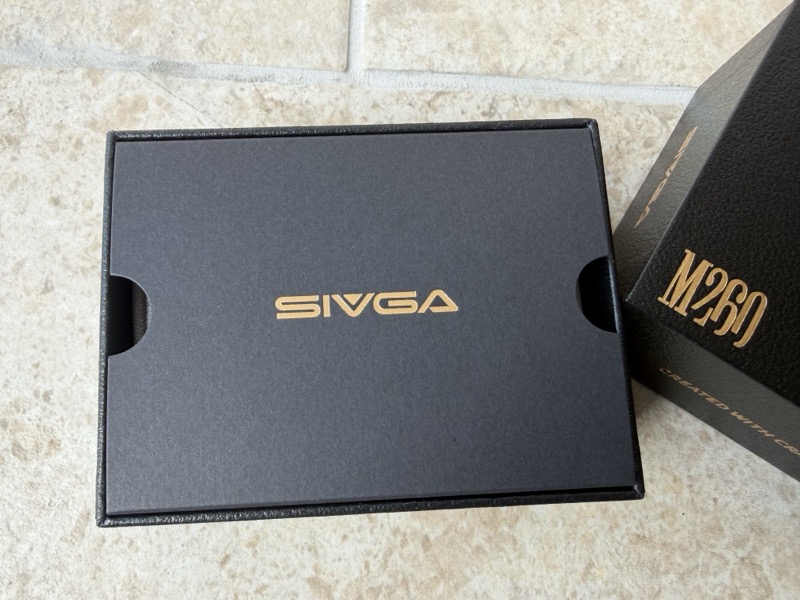
The M260 arrives in a compact black box with the specifications printed on the rear panel:
 |
 |
 |
 |
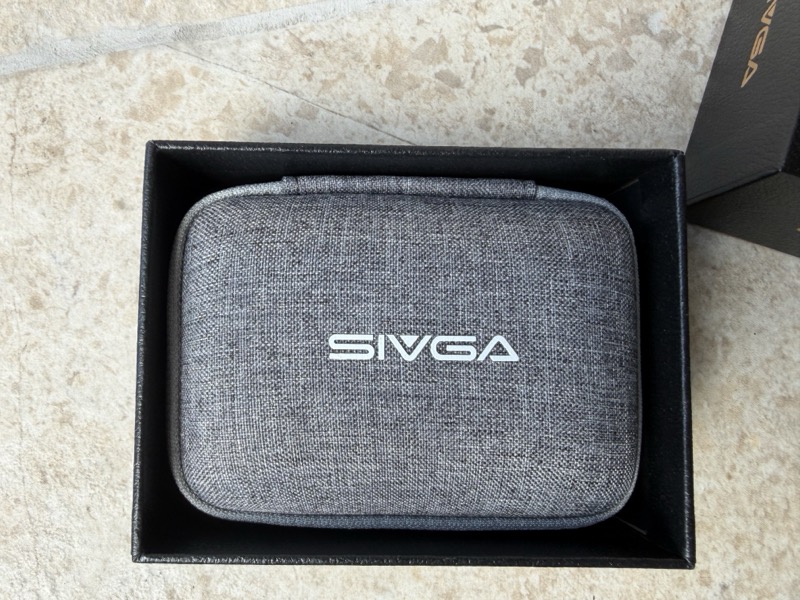
Lifting the lid reveals the Oxford fabric carrying case sitting inside, with the earbuds and cable resting in the open case alongside the manual:
 |
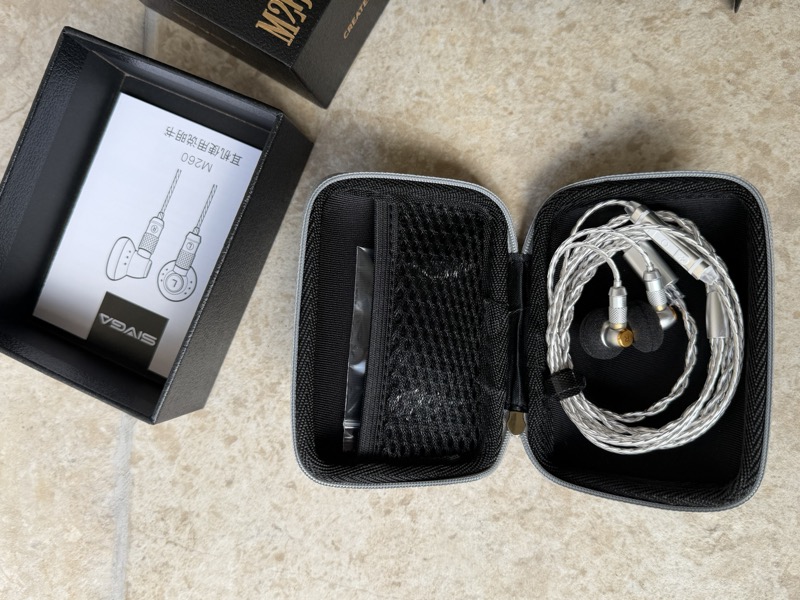 |
In the box you get the M260 earbuds, the USB-C cable with its inline remote and mic, a bag of spare foam covers, the carrying case, and the manual:

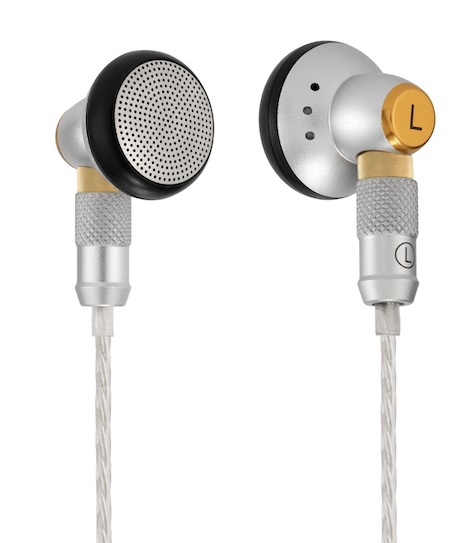
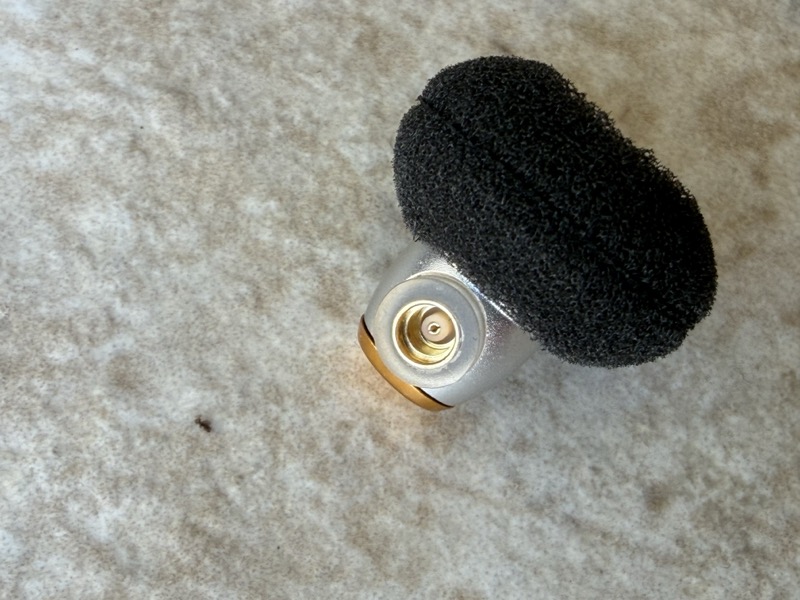
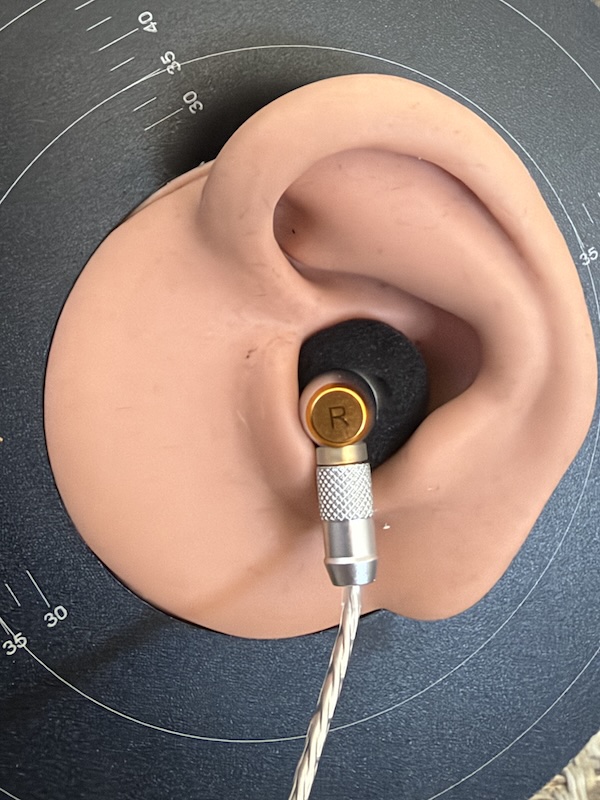
The shells themselves are metal, with a knurled barrel section and an exposed grille over the driver face:
 |
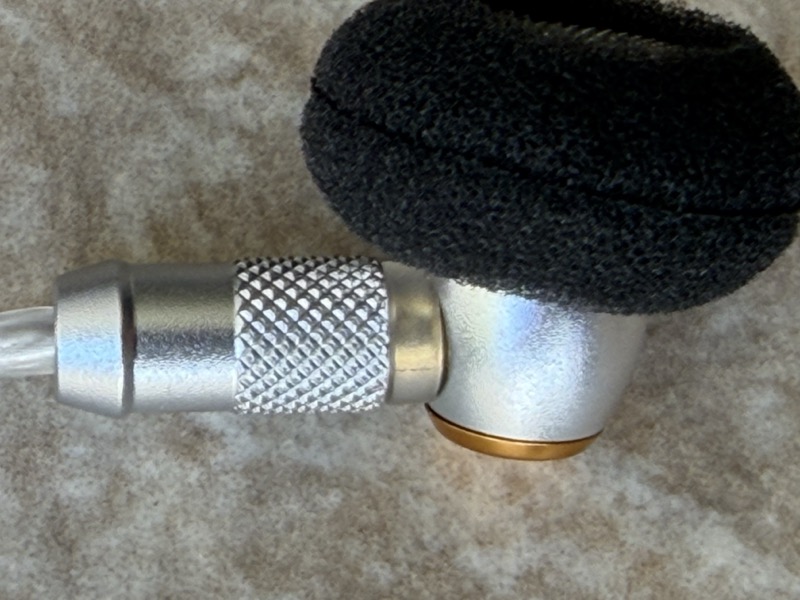 |
That metal build gives the M260 a noticeably more solid, premium feel in the hand than the plastic flat-heads I’ve handled before, and it doesn’t feel like it’s cutting corners to hit this price:
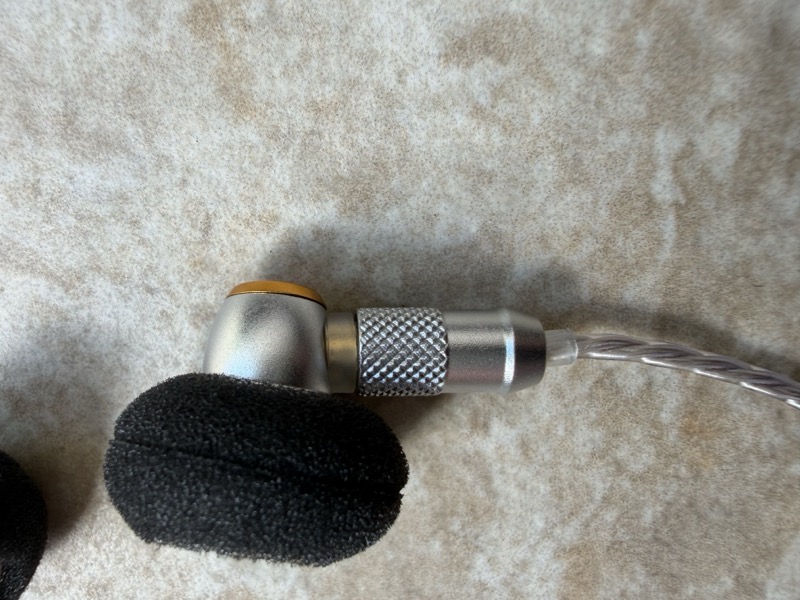
Behind that grille is a 14.2mm dynamic driver, built around a composite bio-cellulose diaphragm with copper-ring reinforcement, a CCAW (copper-clad aluminium wire) voice coil, and N50 neodymium magnets — a genuinely well-specified driver stack for a sub-$50 earbud. The shell itself is semi-open, with vent holes behind the driver that are part of how a flat-head achieves its characteristically open sound.
Cable and Connectivity
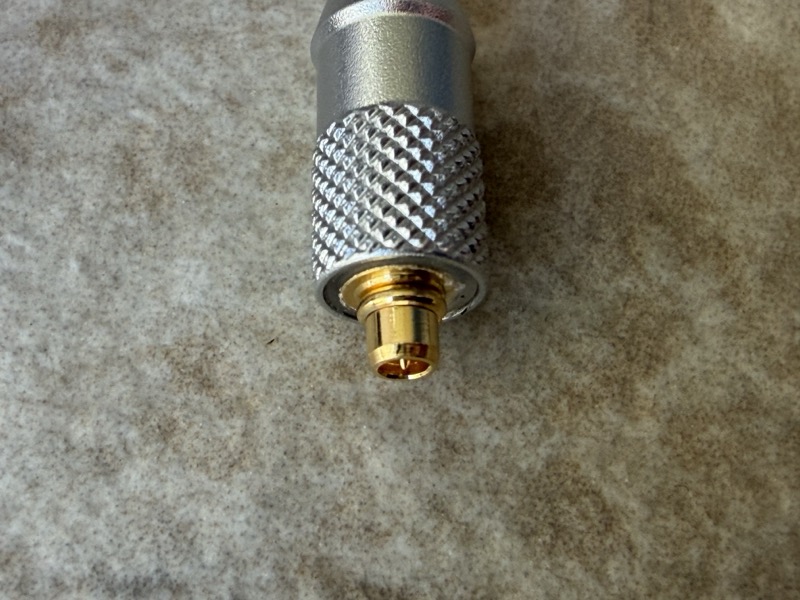
The M260 uses a detachable MMCX connector at the earbud end, so the cable can be swapped for aftermarket options if you want to experiment:
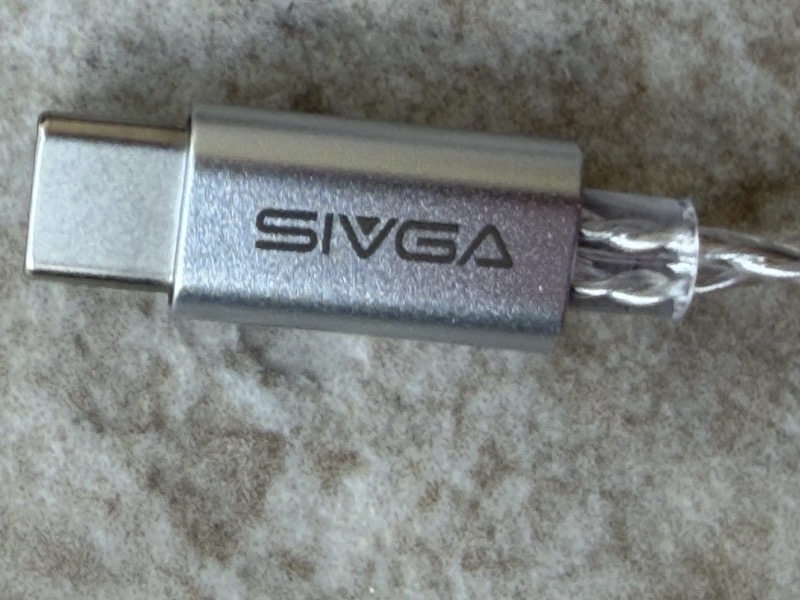
The USB-C plug on the version reviewed here houses its own DAC, so it drives straight from a phone, tablet, or laptop without needing a separate dongle:
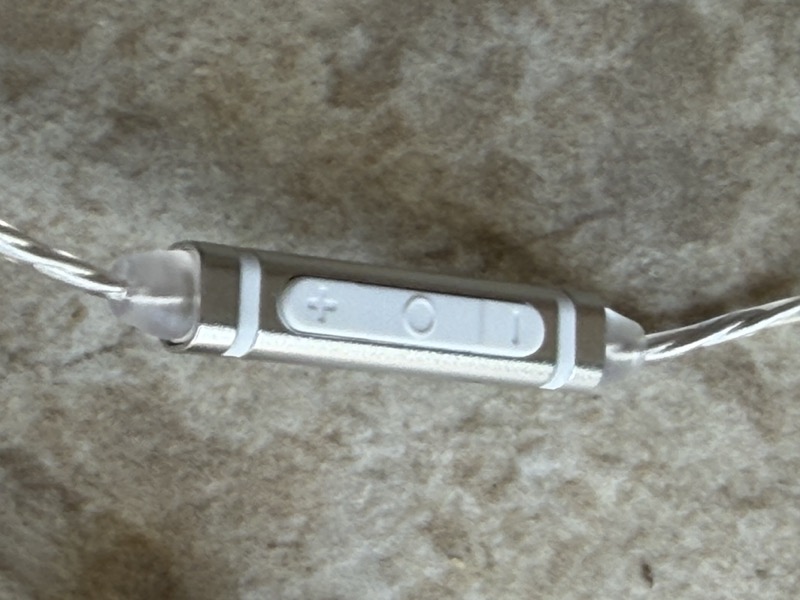
An inline remote sits on the cable with a microphone and three buttons for volume up, volume down, and play/pause, with a double-tap for track skip — enough to handle calls and podcasts without reaching for your phone:
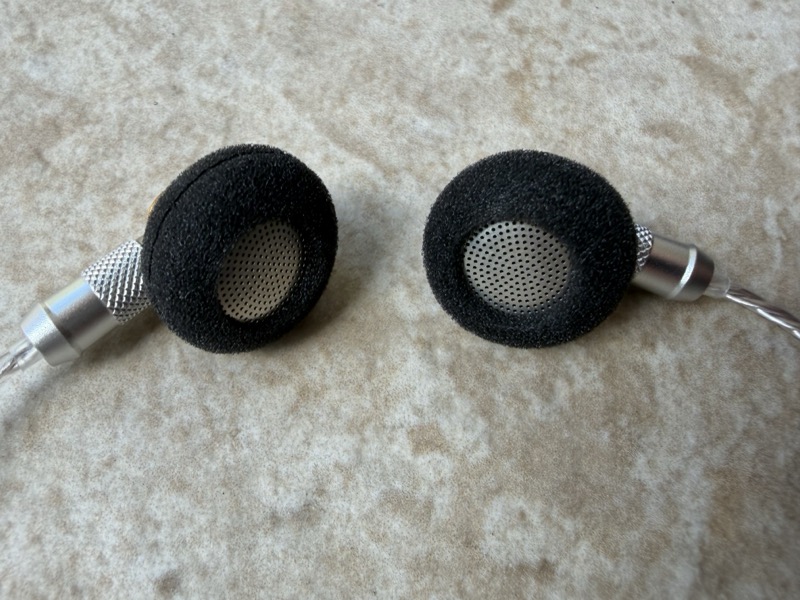
Two styles of foam cover are included, a full-coverage type and a donut type with an open centre, and the braided cable itself feels appropriately light for an earbud you’re going to drape over your ear rather than seal into it:
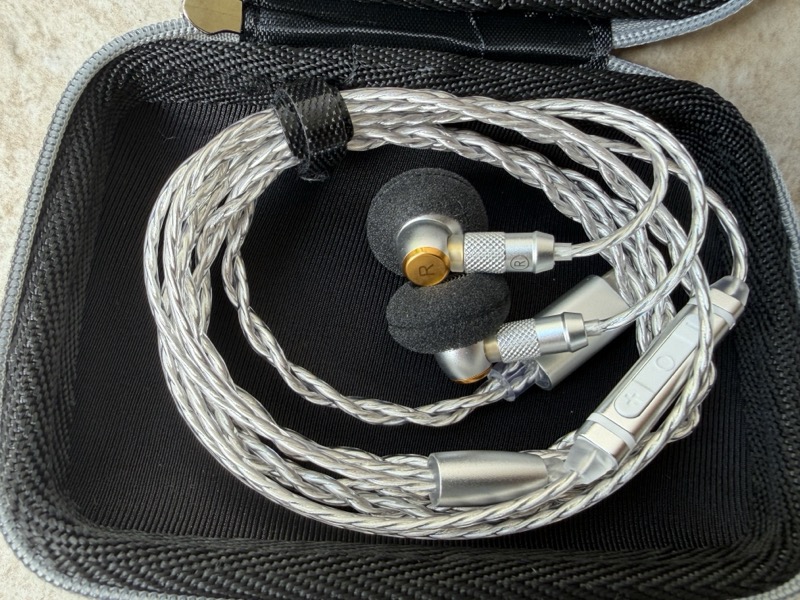
Swapping between the two foam styles is the closest thing the M260 has to on-ear tuning: the full-coverage foams calm things down slightly, while the donut foams let a touch more air and energy through up top.
One caveat I can’t confirm myself but is worth flagging: I’ve seen at least one other reviewer report an MMCX connector failure on their unit after a few days of use, which lines up with MMCX’s general reputation as a less durable connector than 2-pin. I haven’t had any reliability issues in my time with the review unit, but it’s the kind of thing that only shows up with more units in the wild over a longer period, so treat it as a possibility to be aware of rather than a confirmed pattern.
Fit and Comfort
Because the M260 is a flat-head design, it sits in the bowl of the outer ear rather than inserting into the canal, so there’s none of the pressure build-up or fatigue that can come with a deeply-inserted IEM. The metal shells are light enough that I could forget I was wearing them over a long session, and worn over-the-ear with the cable looped around, they stayed put without needing readjustment.
The trade-off is the one you’d expect from any open earbud: isolation is essentially nonexistent, so this is a design for a quiet room or a desk rather than a commute, and fit is more binary than with an IEM — there’s no tip-swapping to fine-tune the seal, so how well it sits comes down to your own ear shape. My wife, who generally prefers on-ear and earbud designs over in-ear monitors — she reaches for her FiiO EH11 over any IEM I’ve handed her — found the M260 a little large for her smaller ears, which lines up with how much ear shape and size drives the fit story with this format.
Sound Impressions
I split my listening between the 3.5mm and USB-C cables, mostly through the USB-C connection for convenience. As with any flat-head earbud, there’s no true seal, so treat the tonal character here as the M260’s own signature rather than a direct stand-in for how an IEM would present the same music, and how it sits in your ear will shift things somewhat. Overall, though, this reads as a lean, neutral-leaning tuning rather than a warm or bassy one — closer to the sound of a modestly-EQ’d reference headphone than to a typical fun-tuned IEM.
Bass
The M260 doesn’t try to fake sub-bass weight it structurally can’t have — there’s a clean roll-off below the mid-bass, and no artificial hump added to compensate for it. What’s there is fast, controlled, and stays out of the way rather than reaching for impact. On “Angel” by Massive Attack, the sub-bass pulse loses most of its physical pressure, but the track doesn’t turn thin because of it — the low end simply recedes and lets the rest of the mix lead. Bass-focused listeners should look elsewhere; this isn’t trying to be that kind of earbud.
Midrange
This is the M260’s strongest region, and it sits forward in the mix without ever turning shouty. Vocals come through clear and natural, with good separation from everything around them. On “Fast Car” by Tracy Chapman, her voice has real clarity and is easy to follow against the instrumental backing, with none of the thinness that can creep into cheaper open designs.
Treble
Treble is smooth and well-extended rather than aggressive — detailed enough to avoid sounding closed-in, but tuned for a relaxed, non-fatiguing listen rather than an exciting or “fun” one. On “Billie Jean” by Michael Jackson, the hi-hats and vocal sibilants come through cleanly without ever tipping into harshness, which keeps the overall balance closer to neutral than to anything V-shaped or aggressively tuned.
Soundstage and Imaging
Soundstage is where the M260 does something an IEM structurally cannot: because the shell doesn’t seal into the ear, the sound doesn’t build up inside a closed cavity, and the result is a genuinely wider, more open feeling of space than I get from in-ear designs at this price. On “Private Investigations” by Dire Straits, instruments spread out around and past my ears rather than feeling centred inside my head, which is the specific appeal of the flat-head format for me.
Specifications and Measurements
| Specification | Value |
|---|---|
| Driver | 14.2mm dynamic, composite bio-cellulose diaphragm with copper-ring reinforcement |
| Voice coil | CCAW (copper-clad aluminium wire) |
| Magnet | N50 neodymium |
| Impedance | 16Ω |
| Sensitivity | 118dB |
| Frequency response | 20Hz–20kHz |
| Cable | Detachable MMCX, 1.2m |
| Connector | 3.5mm SE (L-shape) or USB-C with inline mic and DAC |
| USB-C DAC | Realtek ALC5686, up to 32-bit/384kHz |
| In the box | M260 earbuds, USB-C or 3.5mm cable, 4 pairs of foam covers, carrying case, manual |
I have now measured the M260 myself, seated on my KB501X measurement head:
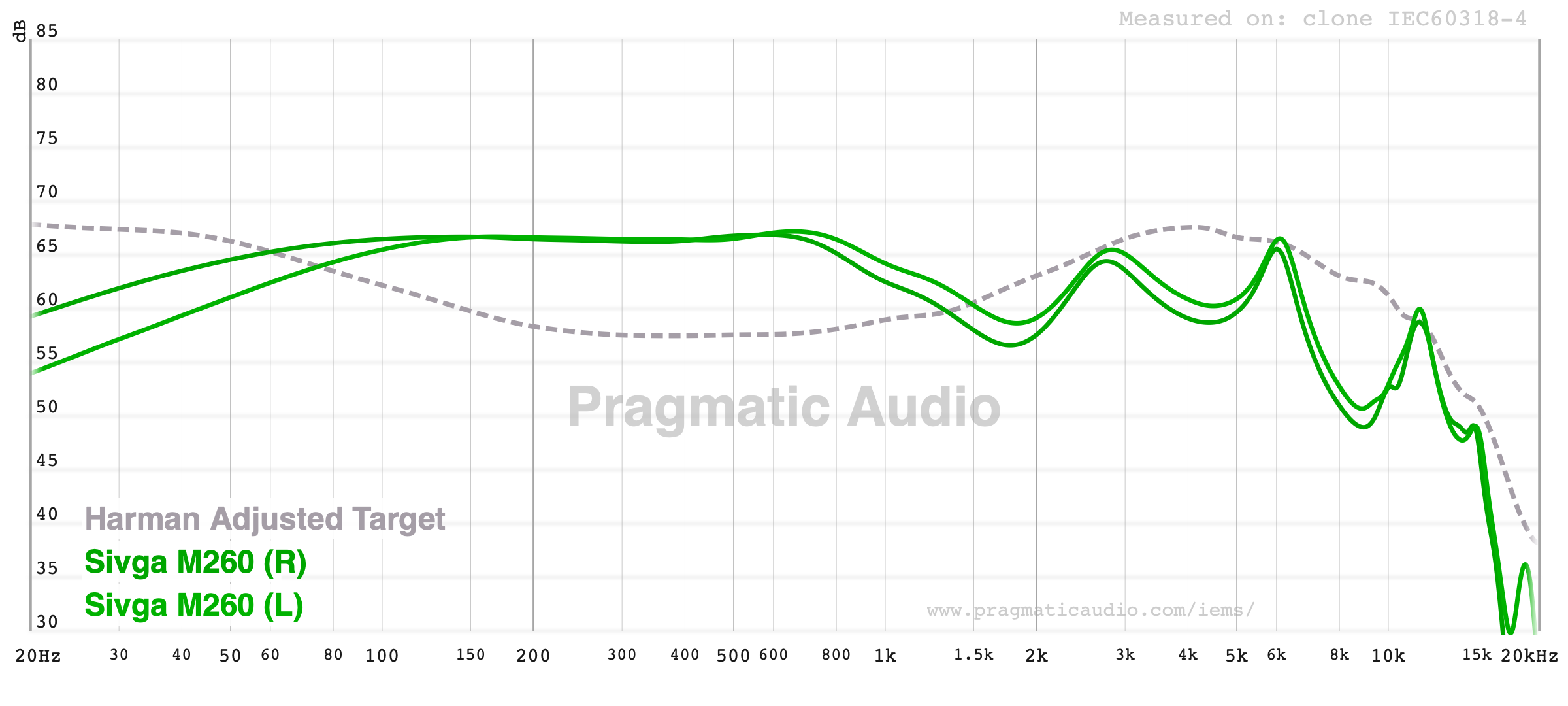
Channel matching between left and right is close, and here’s where I have to flag a real gap between the measurement and what I described above: on the coupler, the M260 shows a midrange and lower-treble region that sits above the Harman-adjusted target, with more low-end presence than the lean, neutral-leaning character I heard in actual listening:
I also measured the M260 against two other earbuds I’ve reviewed previously, for context on where it sits relative to other earbuds in this format: the FiiO FF1, a similarly-priced flat-head earbud, and the Moondrop U-2, a $34.99 earbud I described at the time as a lesson in how little earbud measurements predict real-world sound. Both measured here with foam:
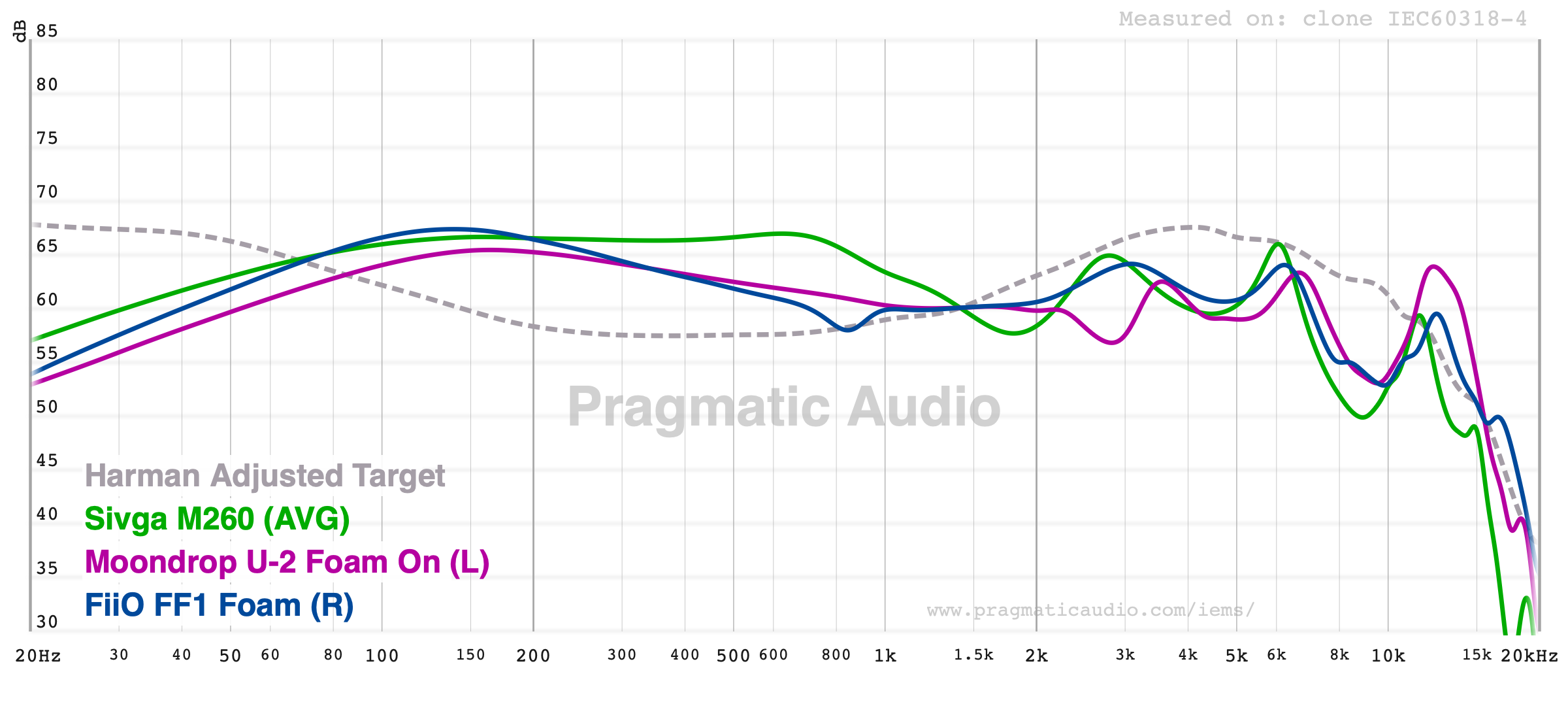
On the graph, the M260 shows a more forward midrange and a warmer, fuller bass than either the FF1 or the U-2 — measured this way, it’s the “bassiest” and warmest-looking of the three. That’s not really what I hear in practice, and I think that gap is worth dwelling on rather than glossing over. This is a pattern I keep running into with earbuds specifically: the measurement and the lived experience rarely line up as closely as they do with an IEM or a full-size headphone, and I think it’s mostly down to fit. On a coupler, you’re chasing the tightest, most sealed placement you can get, because that’s what gives you the cleanest, most repeatable sweep — and that tight fit is exactly what maximises bass response. Sitting in a real ear, day to day, you’re very rarely getting that same tight seal; the earbud settles into whatever position is comfortable, which is looser and leakier than the measurement rig, and the bass you actually hear is correspondingly less than what the graph shows. So take this graph as a relative reference for shape and family resemblance between these three earbuds, not as a preview of how warm or bassy the M260 will sound on your own head — my own listening came out leaner and more neutral than this measurement would suggest.
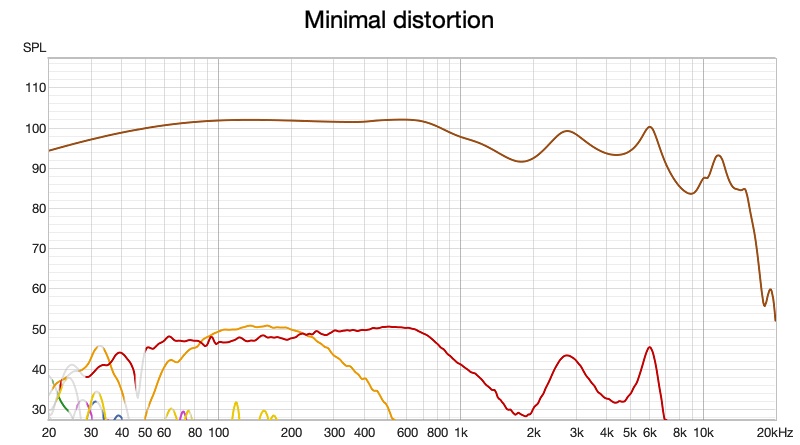
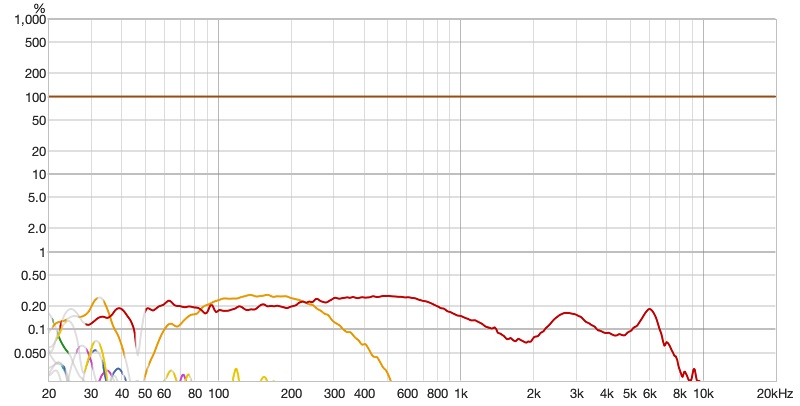
Distortion is low across the band:
 |
 |
Rating Explanation
The Pragmatic Rating of 4 reflects an earbud that does the flat-head format properly rather than treating it as a novelty. The Features Rating of 5 is a genuine strength here — the metal build feels premium well beyond the price, the detachable MMCX cable is a rare and welcome touch at this price, and having a USB-C cable with its own DAC and inline mic alongside the plain 3.5mm option is a lot of flexibility for a sub-$50 earbud. The Price Rating of 5 reflects that this is a genuinely cheap earbud at $39.99–$45 that doesn’t feel like it — the metal build and detachable cable alone would be a good showing at twice the price.
The Measurements Rating of 3 is the one score that comes with a real caveat: this format makes measurements hard to read as a prediction of how it’ll sound to you specifically — fit and ear shape and size move the result enough that a graph here tells you less about your own listening experience than it would for an IEM or a full-size headphone, so I’m rating this more conservatively than the sound quality alone would suggest.
The main caveats otherwise are the ones inherent to the category: isolation is minimal, and there’s no sub-bass to speak of if you want real low-end weight. The lack of any PEQ support on the USB-C cable is also a missed opportunity. None of that is a surprise for a sub-$50 earbud, but it’s worth setting expectations.
This is an easy recommendation for anyone curious about the flat-head format who wants a clean, neutral-leaning tuning rather than a bass-heavy or aggressively “fun” one, or who wants an earbud for podcasts, vocal-led music, or desk listening where isolation isn’t a priority — at $45 for the USB-C version, it’s a genuinely well-built way to try the format without spending much to find out if it suits you.
Conclusion
The Sivga M260 made a better case for flat-head earbuds than I expected going in. It won’t isolate you from the world and it won’t give you sub-bass slam, but the metal build, the detachable cable, and a clean, natural, neutral-leaning tuning make it a genuinely enjoyable listen, especially for vocal-centric music and podcasts.
At $39.99 for the 3.5mm version or $45 for the USB-C version with mic, the M260 is easy to like for its quality feel alone, and with the right fit, the sound backs that up.