Sivga Robin SV021 Pro V2
Decent Sound Signature, Excellent Comfort, Nice Wooden Finishes — Sivga’s Retuned SV021 Pro V2
I reviewed the original Sivga Robin SV021 Pro earlier this year and liked it a lot once EQ’d, but the stock midrange needed that correction to sound its best. This V2 keeps the same 50mm dynamic driver and the same core specification, but I believe Sivga have gone back and retuned it, because the character out of the box is noticeably different from what I remember of the original.
At $179.99 it sits at the same accessible end of Sivga’s range as before, and I’ve spent the last three weeks with it alongside its Sendy Audio sibling, the Apollo Pro — a useful pairing, since both come out of the same Dongguan Sivga factory.
I would like to thank Sivga for providing the SV021 Pro V2 for the purposes of this review.
If you are interested in finding more information about this product, you can find it at the official Sivga product page.
The Sivga Robin SV021 Pro V2 retails for $179.99.
Three weeks in, and this has quietly become one of the better bargains I’ve tested this year — the sound signature is decent right out of the box, without the EQ homework the original asked of you. But first, let’s take a look at what’s in the box.
Unboxing and Build Quality
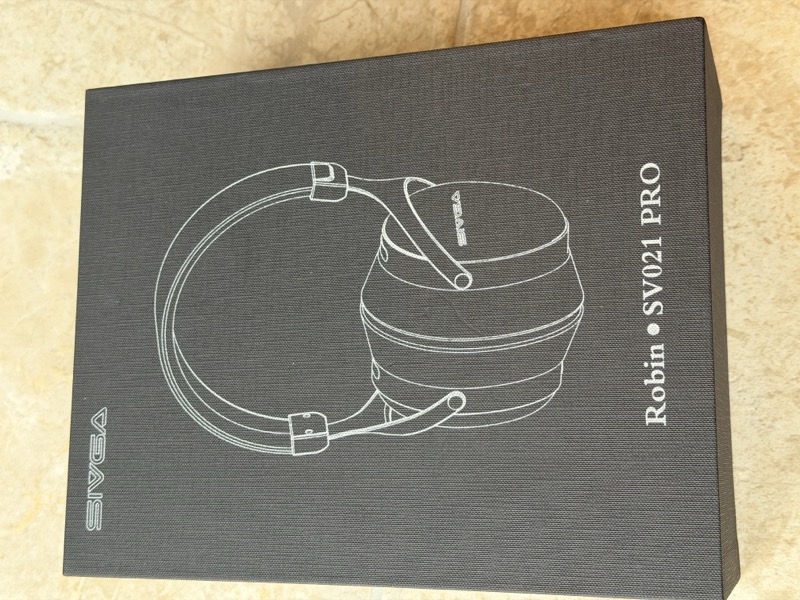
The outer box is the same dark, understated Sivga presentation as before — the same line-drawing illustration and “Robin • SV021 PRO” branding as the original.
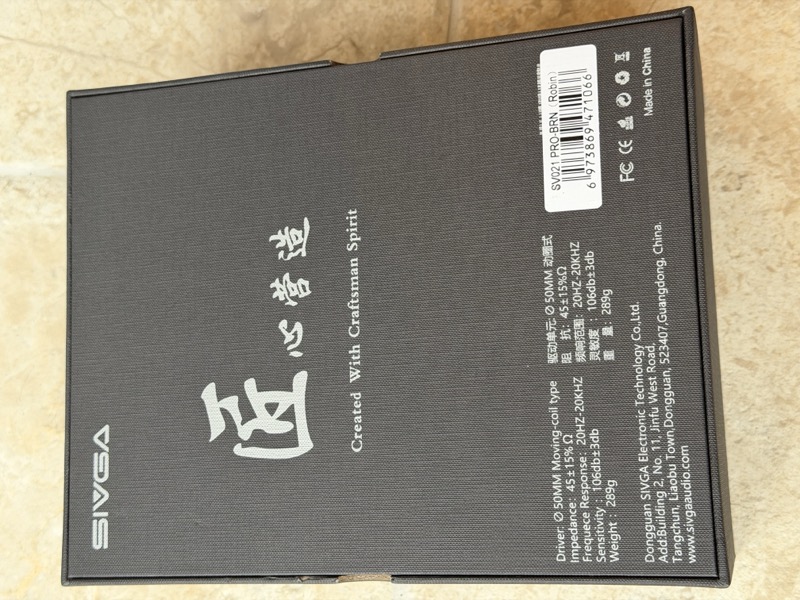
The bottom panel repeats the specification in English and Chinese, and confirms this is still made by Dongguan Sivga Electronic Technology, with the same “Created With Craftsman Spirit” tagline as the original:
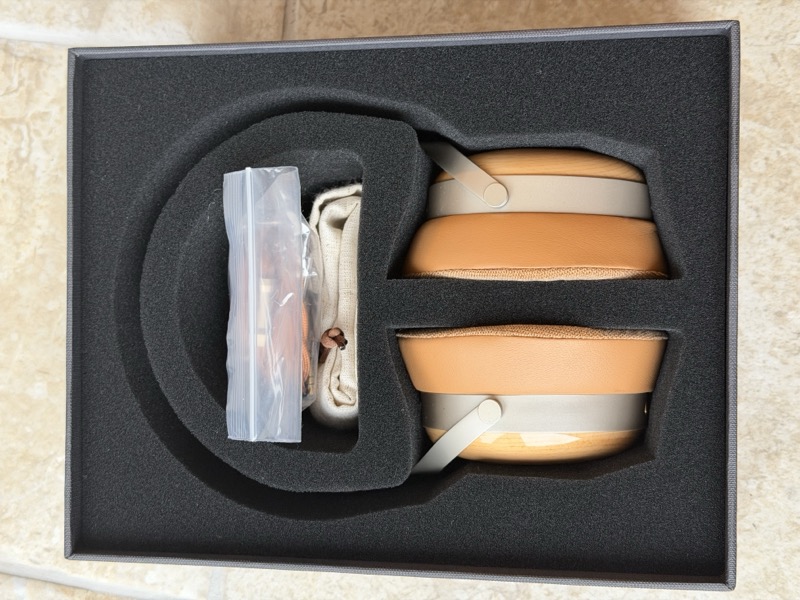
Opening the box, the headphone sits in a shaped foam insert with the cable and accessories tucked into a recess below it:
The box includes: the SV021 Pro V2 headphone, a dual 3.5mm-to-3.5mm cable, a hemp storage bag, and a 3.5mm-to-6.35mm adapter. The cable and adapter ship together, with the hemp bag doubling as their storage pouch:
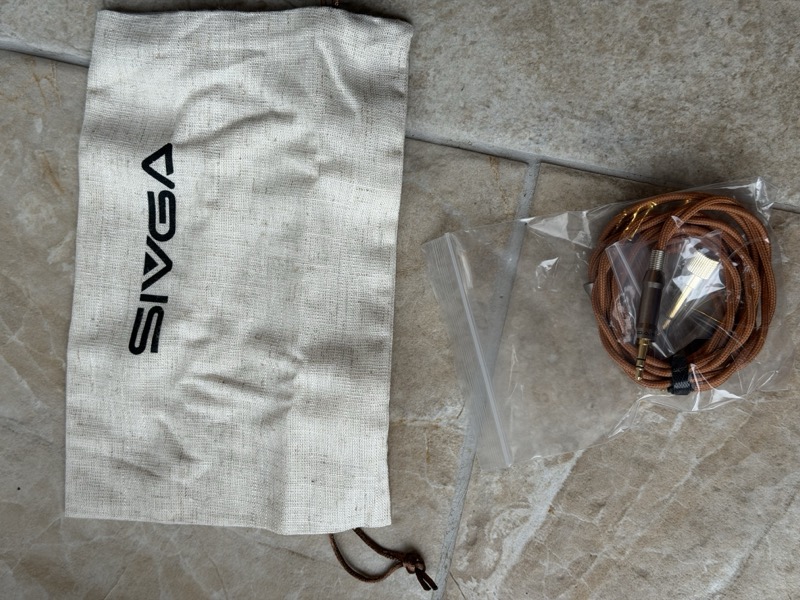
The cable itself is a nicer braided affair than the plain description on the box suggests, colour-matched to the beechwood finish with clearly marked L/R connectors and a 6.35mm adapter:
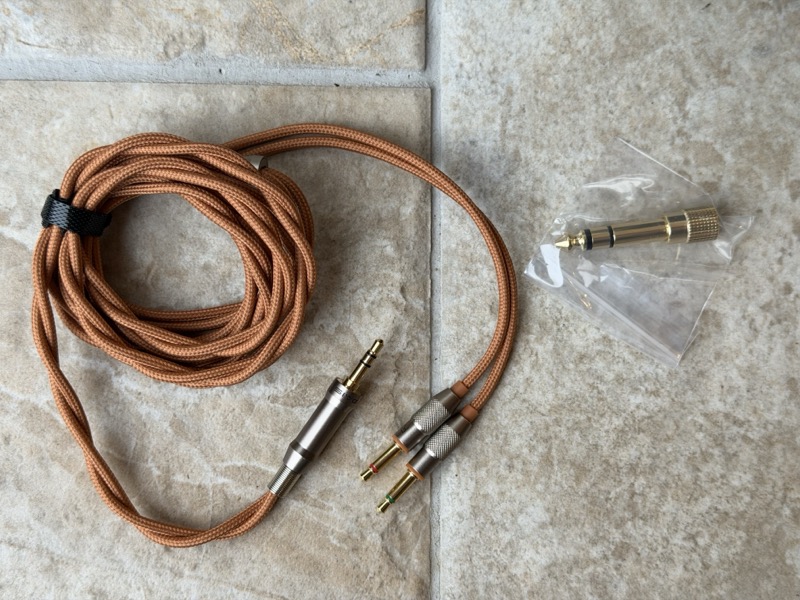
It’s a decent-looking cable, and being dual 3.5mm it opens the door to plenty of aftermarket alternatives, but in daily use I found it a little stiff and noticeably microphonic — cable noise transmits up into the earcups more than I’d like when it brushes against clothing. It also only ships in single-ended 3.5mm form; there’s no balanced option in the box, so anyone wanting balanced output has to source one themselves. I’d recommend budgeting for a third-party replacement either way, but make sure whatever you pick is actually compatible with Sivga’s dual 3.5mm connectors — the stock cable that ships with the Sendy Audio Apollo Pro, for one, works well here.
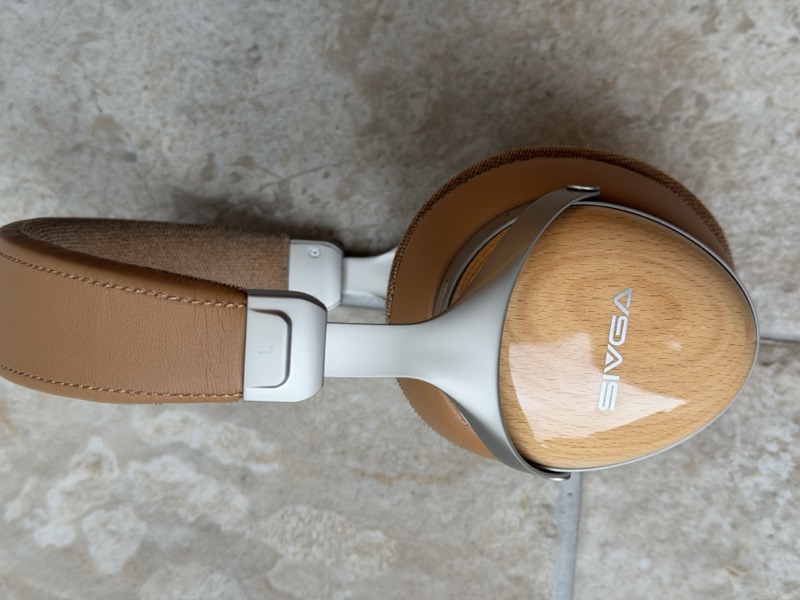
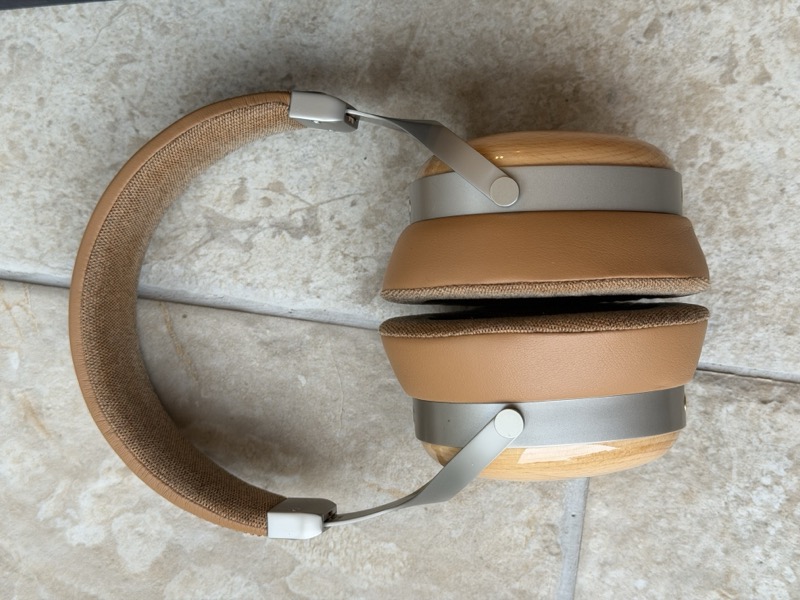
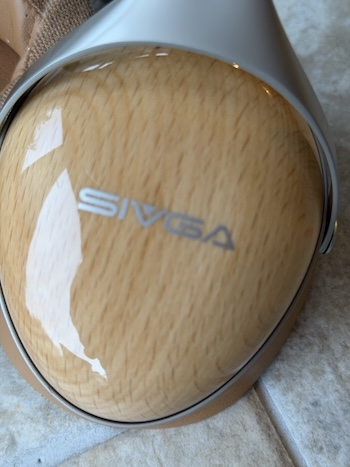
The earcups themselves are the highlight. This unit is finished in the lighter beechwood option, with the Sivga logo set into a glossy wood cap:
 |
 |
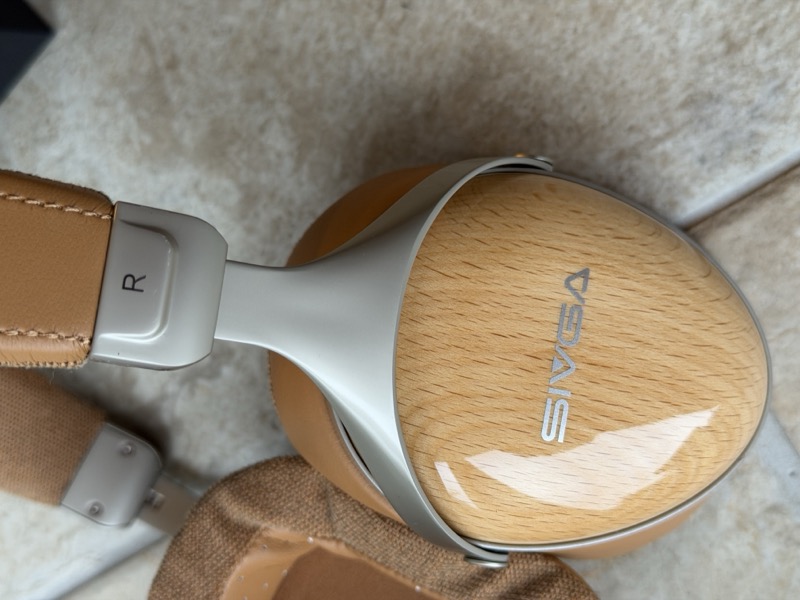
Closer up, the wood grain and finish quality are impressive for the price:
 |
 |
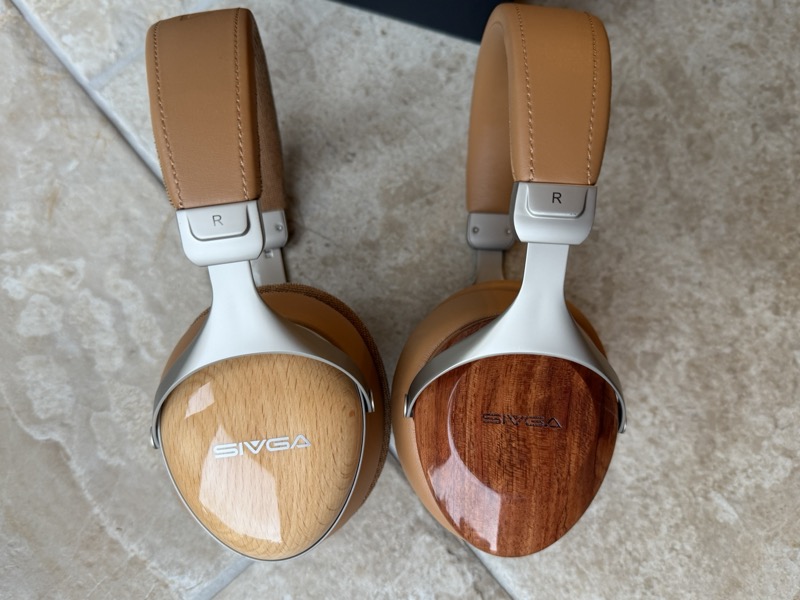
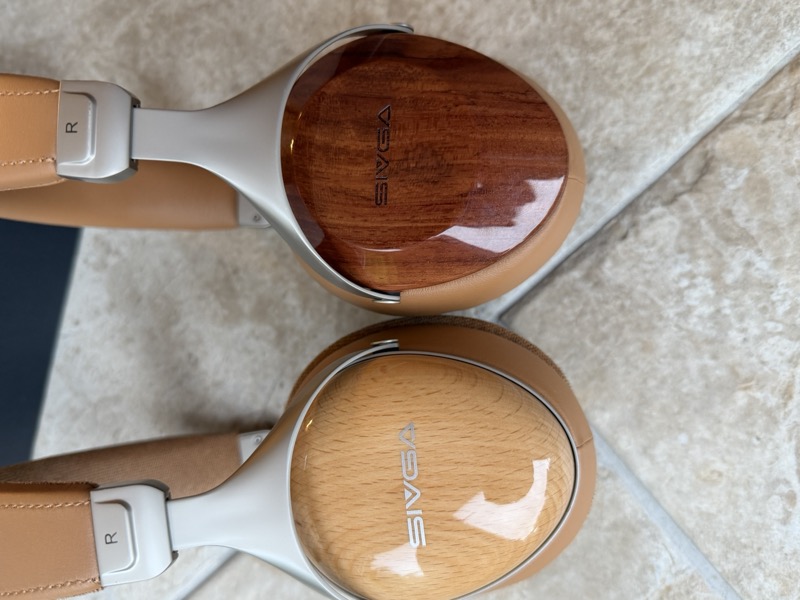
Placed next to the darker Zebrawood finish from the original SV021 Pro, the two wood options make for a nice side-by-side — same shape, same silvery yoke hardware, different character entirely:
 |
 |
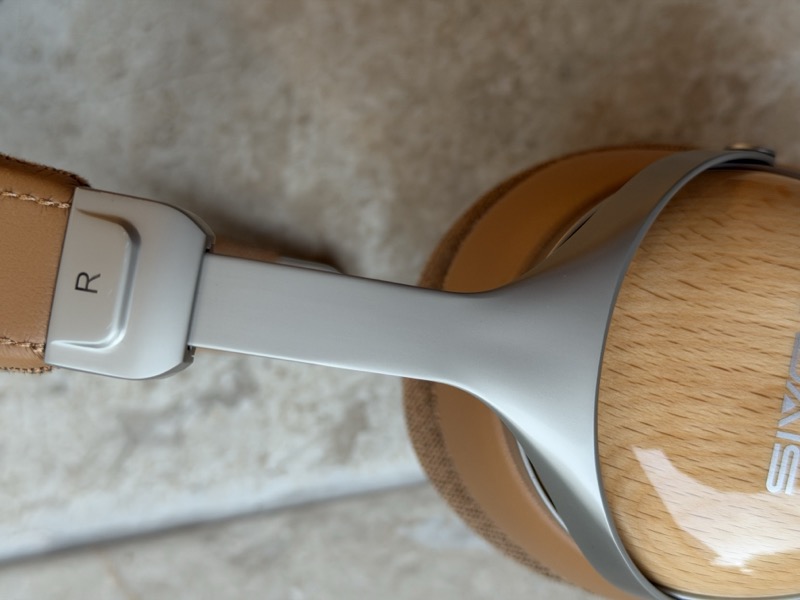
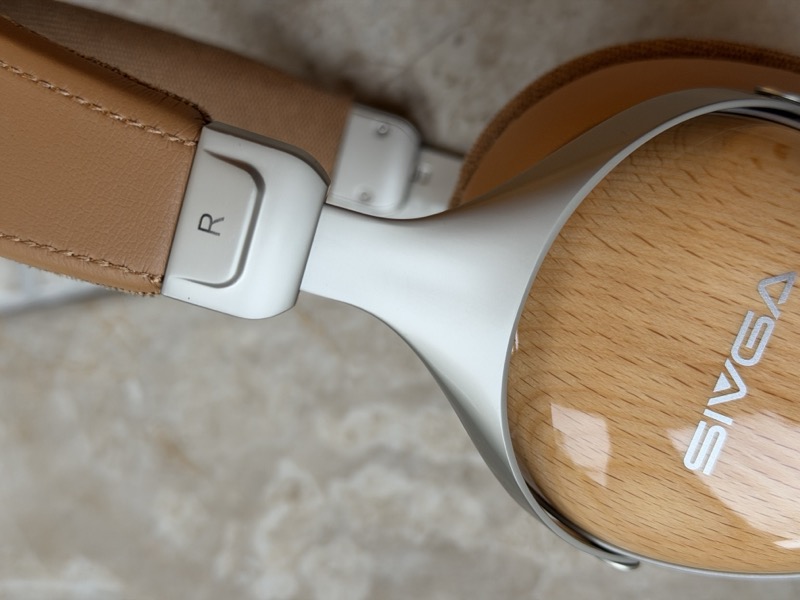
The yoke and headband connection point is the same precision-machined hardware as the original, with clear L/R channel markings:
 |
 |
Fit and Comfort
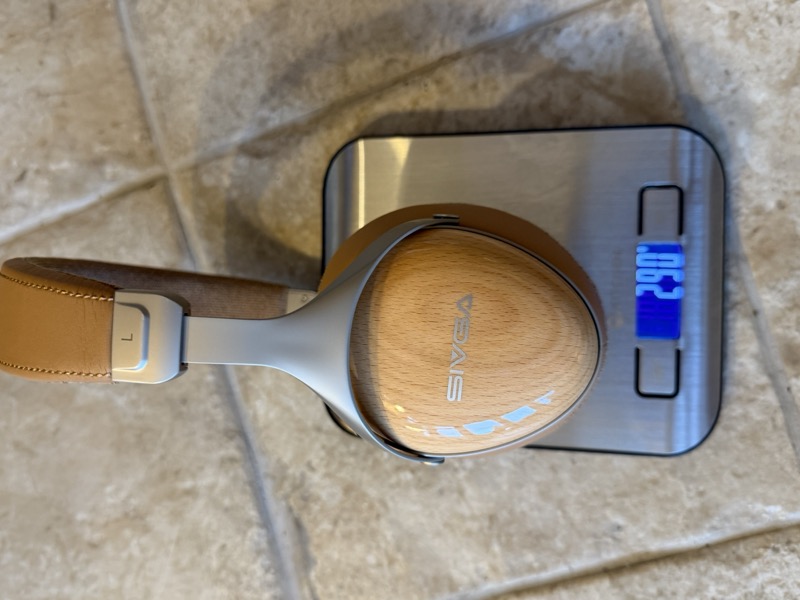
At 289g on the spec sheet and 290g on my own kitchen scale, the weight is essentially unchanged from the original SV021 Pro, and the comfort story is largely the same too — genuinely excellent earpads, let down slightly by the headband:
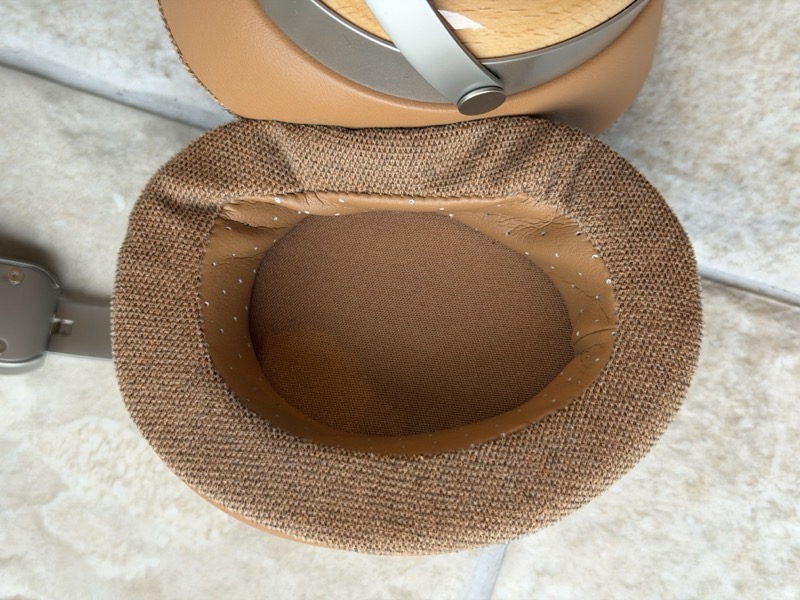
The pads themselves remain deep and plush, easily accommodating larger ears without the driver ever touching them:
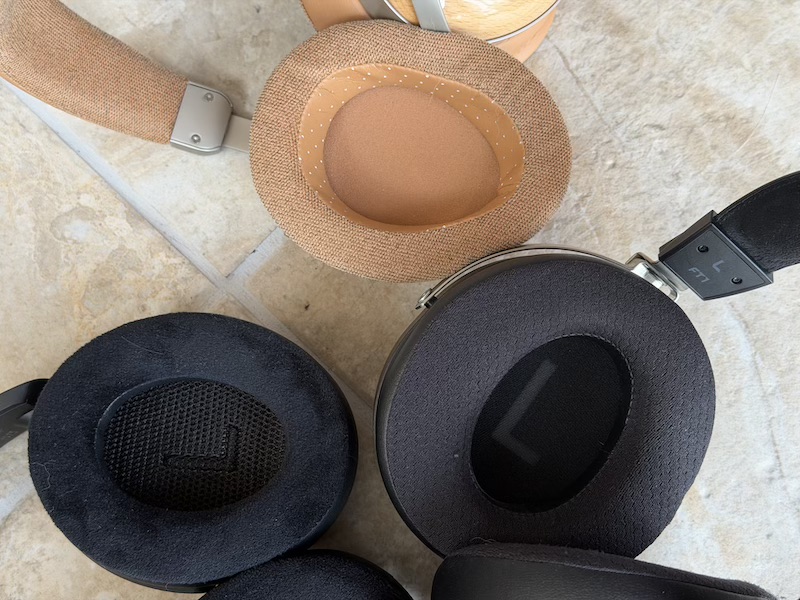
Measured directly, the pad is a 95×107mm oval with a 65×73mm opening and 20mm of cushion depth, and the side profile shows a deliberate angle to that cushion rather than a flat slab:
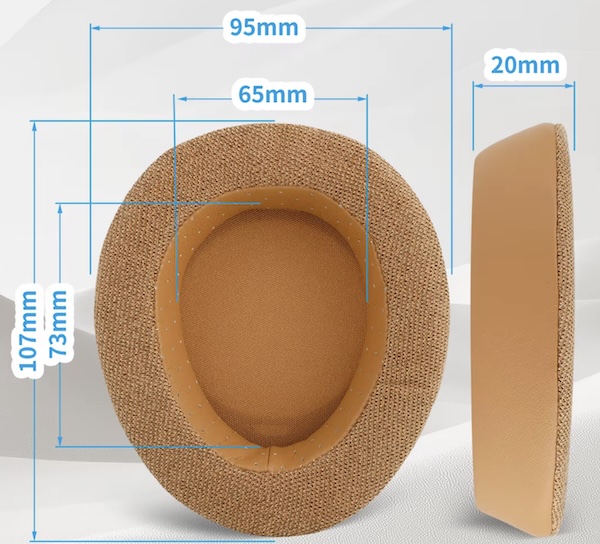
That angled shape is exactly the same underlying philosophy Sivga use on the Luan — one of the most comfortable headphones I’ve tested at any price — and it’s a big part of why the SV021 Pro V2’s pads feel so good despite sitting on a much cheaper headphone.
The one genuine fit caveat, and it’s worth being upfront about it, is the headband: it doesn’t swivel much, and the overall band is on the smaller side, so anyone with a larger head should try before buying if at all possible. It’s a similar story to the original — decent rather than exceptional padding on the band itself, in a package where the earpads are doing most of the comfort work. The pads do have some give to them, which gives smaller heads a bit of adjustment leeway that the fixed headband itself doesn’t provide — but with less overall adjustment range than most headphones offer, this is one I’d genuinely recommend trying on in person first if you can, rather than assuming it’ll fit.
What Actually Changed for the V2
I haven’t opened either headphone up myself, but a teardown by another reviewer covering this revision lines up with what I hear, and explains where the retune is coming from. Two changes are described inside the driver housing: a tightly woven nylon-type mesh fitted in front of the driver — not user-removable, and part of the driver assembly itself — which tunes the response by attenuating certain frequencies and gives the diaphragm something to push against, similar in effect to a foam damping mod; and a change to the tuning paper and venting holes on the back side of the driver, which most dynamic drivers of this type use to shape the low end. The core driver internals are otherwise reportedly unchanged between the original and the V2. If you want to check which version you have, that same teardown notes you can pull the pads and look for the mesh over the driver face — if it’s there, it’s the V2.
Sound Impressions
I’ve been listening to the SV021 Pro V2 for three weeks, largely in rotation with the Sendy Audio Apollo Pro, and the headline is straightforward: this sounds decent straight out of the box, which was not something I could say about the original without reaching for EQ first.
Bass
The bass carries real depth without losing control — a proper closed-back low end that has weight without ever turning boomy or one-note. On “Whole Lotta Love” by Led Zeppelin, the bass line has good texture and grip, sitting underneath the mix rather than fighting for attention over it.
Midrange
The midrange is where I hear the retune most clearly compared to the original — smoother vocals, with none of the hollow, pulled-back quality that made the first SV021 Pro need correction. On “Come Down in Time” by Elton John, the vocal sits naturally in the mix with proper body, rather than sounding distant.
Treble
Treble is brilliant in the way Sivga’s own marketing describes it — extended and detailed without the more aggressive peak I remember from the original. On “Her Majesty” (2019 mix) by The Beatles, the higher frequencies have good air and clarity without ever tipping into harshness.
Soundstage and Imaging
As a closed-back, the stage is understandably more contained than an open design, but imaging within that space is precise, and instruments hold their positions well. On “Roads” by Portishead, the vocal and the surrounding instrumentation stay clearly separated even in a fairly atmospheric, layered mix.
Comparisons
The most obvious comparison is the original Sivga Robin SV021 Pro, and the two are close relatives with a genuinely different personality. Physically they’re near-identical — same 50mm driver, same 289g weight, same earcup shape, just a different wood finish here. Sonically, the V1 needed two or three EQ filters in the midrange and one in the treble to sound its best; this V2 doesn’t ask for that homework, with a smoother midrange and a more controlled treble straight out of the box. If you already own the original and are happy with your EQ settings, there’s no urgent need to upgrade — but for anyone buying fresh, the V2 is the easier recommendation. I’ve now reviewed three headphones in this “Robin SV021” family — the naming across the lineup gets confusing, and I’d forgive anyone for losing track of which is which — but of the three, this V2 is the one I’d point people toward.
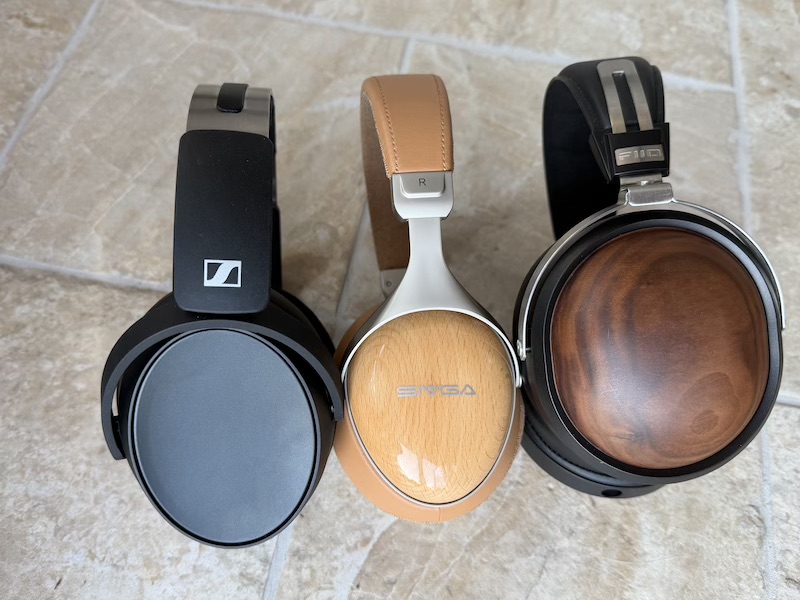
Against FiiO’s FT1, the two land at roughly the same price. The SV021 Pro V2 is arguably the better-looking headphone of the pair, and its earpads are more comfortable, but the FT1 has the better bass of the two. Treble on both isn’t great — neither is a headphone I’d point to for treble refinement.
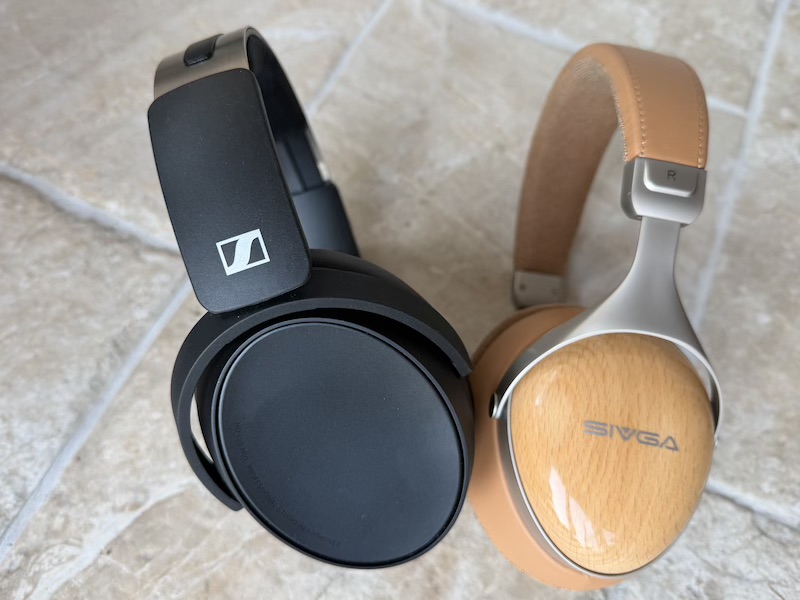
Against the Sennheiser HD480 Pro, given the price gap the HD480 Pro is simply the much better headphone, with especially better treble than the SV021 Pro V2 manages.
 |
 |
Against its Sendy Audio sibling, the Apollo Pro, the family relationship is obvious in the build quality and comfort philosophy, but the two occupy very different tiers. The Apollo Pro’s open-back planar driver gives it a spacious, airy presentation the closed-back SV021 Pro V2 was never going to match, and it costs more than double. What the SV021 Pro V2 does is bring a decent slice of that same Sivga comfort and finish quality down to $179.99, in a closed-back format that makes sense for anyone who needs isolation.
Against the Sivga Luan, the comfort comparison is the interesting one. The Luan’s earpads and headband remain the more complete comfort package in the Sivga family, with a headband mechanism that’s simply more accommodating than the SV021 Pro V2’s smaller, less flexible band. Sonically the two are different enough — the Luan’s open-back dynamic driver against this closed-back — that the choice really comes down to whether isolation matters to you.
Specifications and Measurements
| Specification | Value |
|---|---|
| Style | Compact over-ear, closed-back |
| Driver | 50mm dynamic |
| Diaphragm | Aluminium composite |
| Voice coil | Ultra-fine black copper-aluminium alloy |
| Frequency response | 20Hz–20kHz |
| Sensitivity | 106dB |
| Impedance | 45Ω |
| Cable | 1.6m OFC, braided |
| Cable connectors | Dual mono 3.5mm (headphone side) |
| Cable termination | 3.5mm jack (6.35mm adapter included) |
| Cup material | Zebrawood or beech |
| Finish options | Dark brown (zebrawood) or light brown (beech) |
| Weight | 289g (spec); measured 290g |
| Price | $179.99 |
At 45Ω and 106dB sensitivity, the SV021 Pro V2 is easy to drive from almost anything, which suits its position as an accessible, everyday closed-back rather than a desktop-amp-dependent flagship.
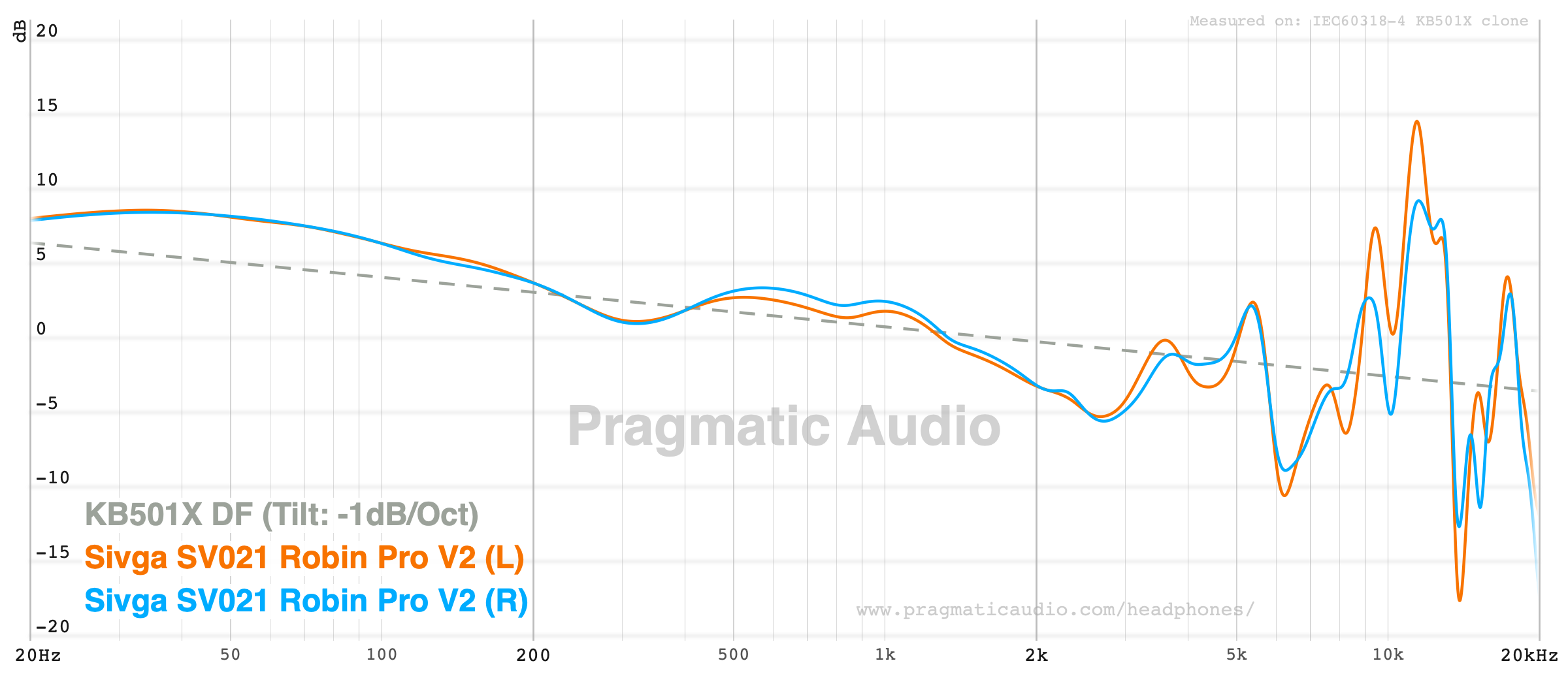
I have now measured the SV021 Pro V2 myself. Channel matching is tight between left and right:
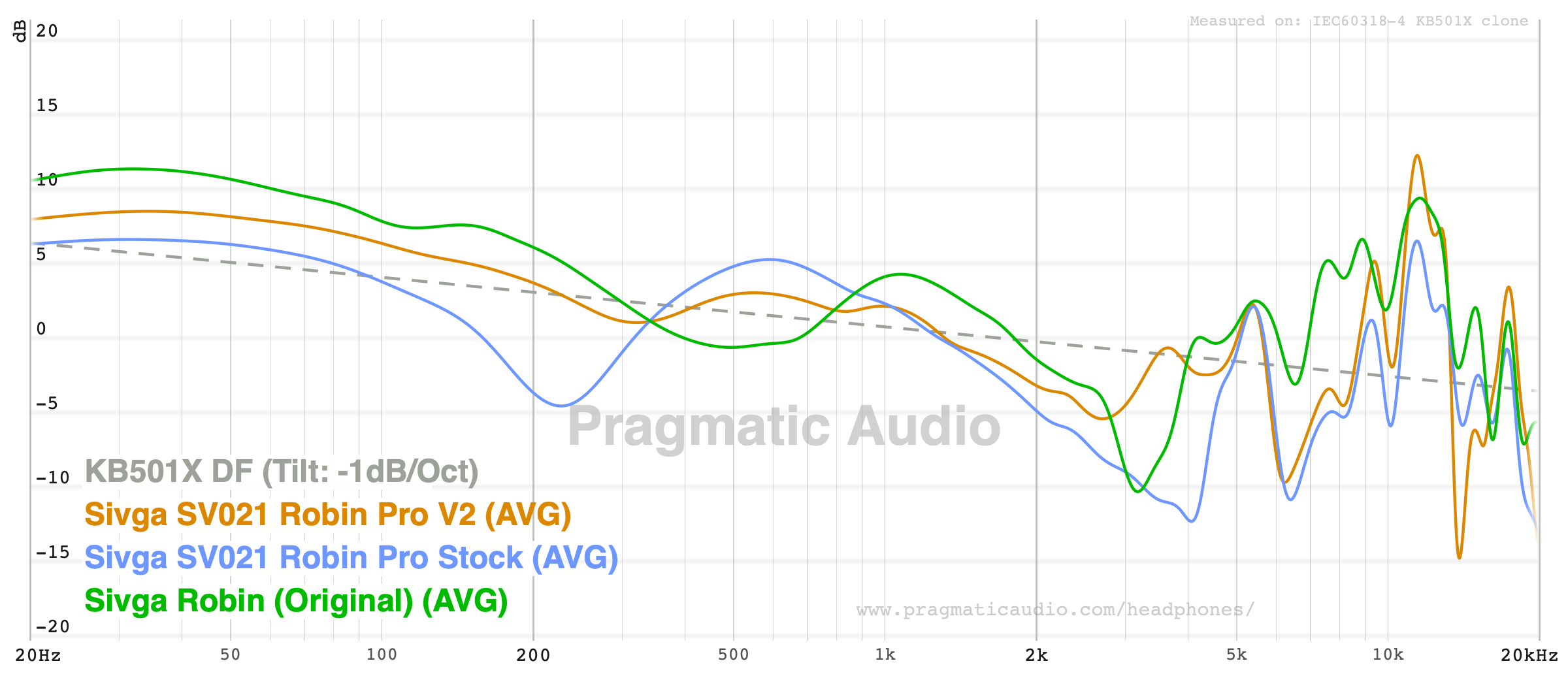
Here’s the retune made visible — the V2 measured directly against the original SV021 Robin Pro (Stock) and the original Sivga Robin, three generations of the same family. This is the graph that backs up what the teardown above describes: the V2’s bass sits closer to target than the original SV021 Robin Pro’s noticeably elevated low end, and the presence-region dip that the original needed EQ to fix is far shallower here — a real retune, not just a marketing refresh. After a few attempts across these three generations, this is the one where Sivga have landed on a genuinely nice-sounding closed-back:
Against FiiO’s FT1, a headphone at roughly the same price:
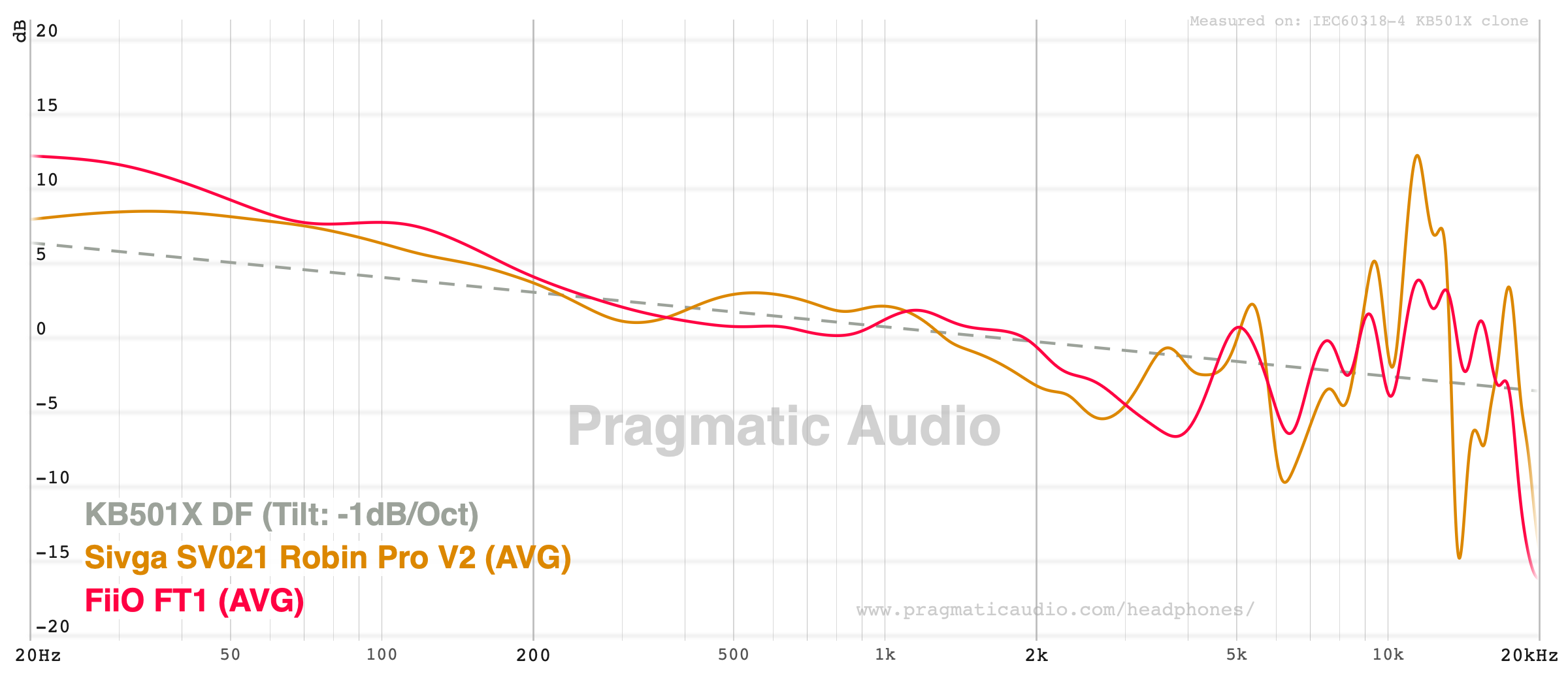
The FT1 carries noticeably more bass than the SV021 Pro V2 through the sub-bass and mid-bass, which lines up with the fuller low end I heard from it. Neither headphone has a treble response I’d call a strength — both show the same kind of ragged behaviour above 5kHz rather than a clean, controlled top end.
Against the Sennheiser HD480 Pro, a considerably more expensive headphone:
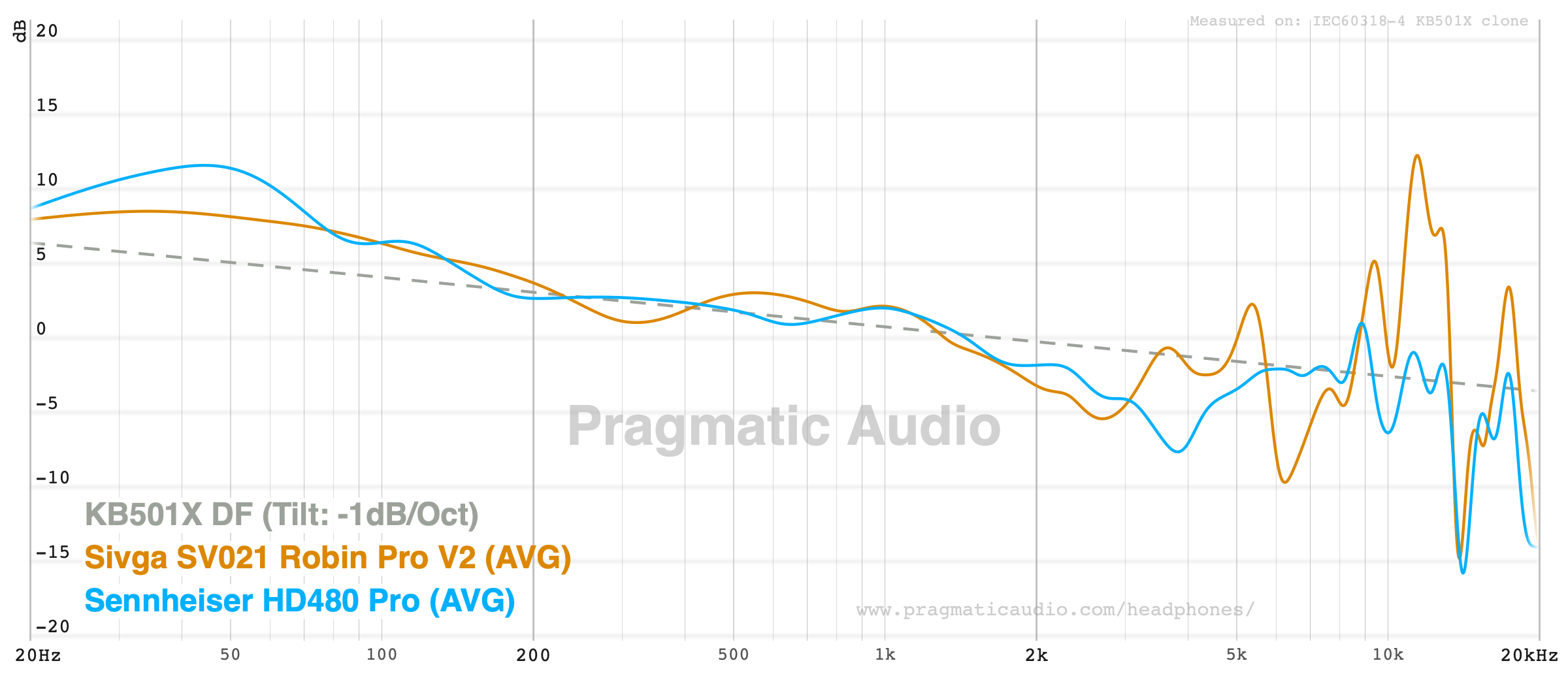
This is the one comparison here where the price gap shows clearly in the measurements — the HD480 Pro’s treble is far better controlled than the SV021 Pro V2’s, without the same peaks and dips through the same region.
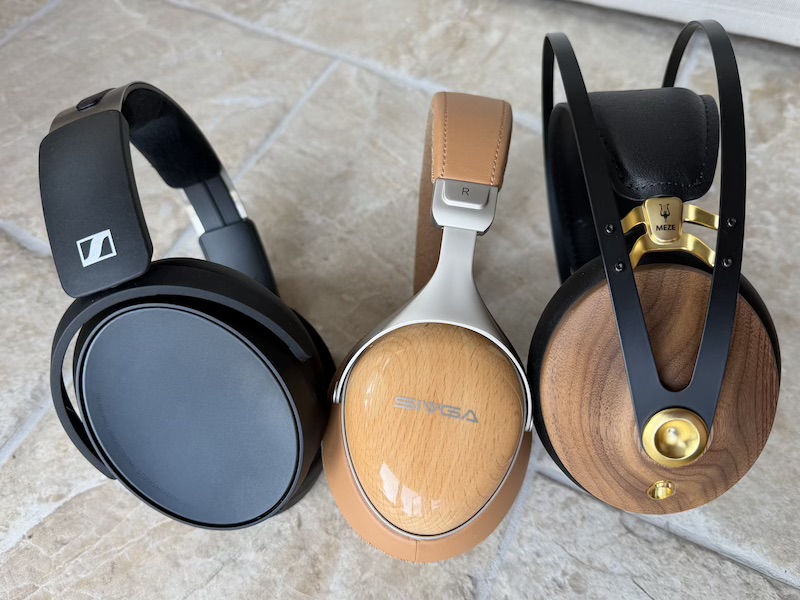
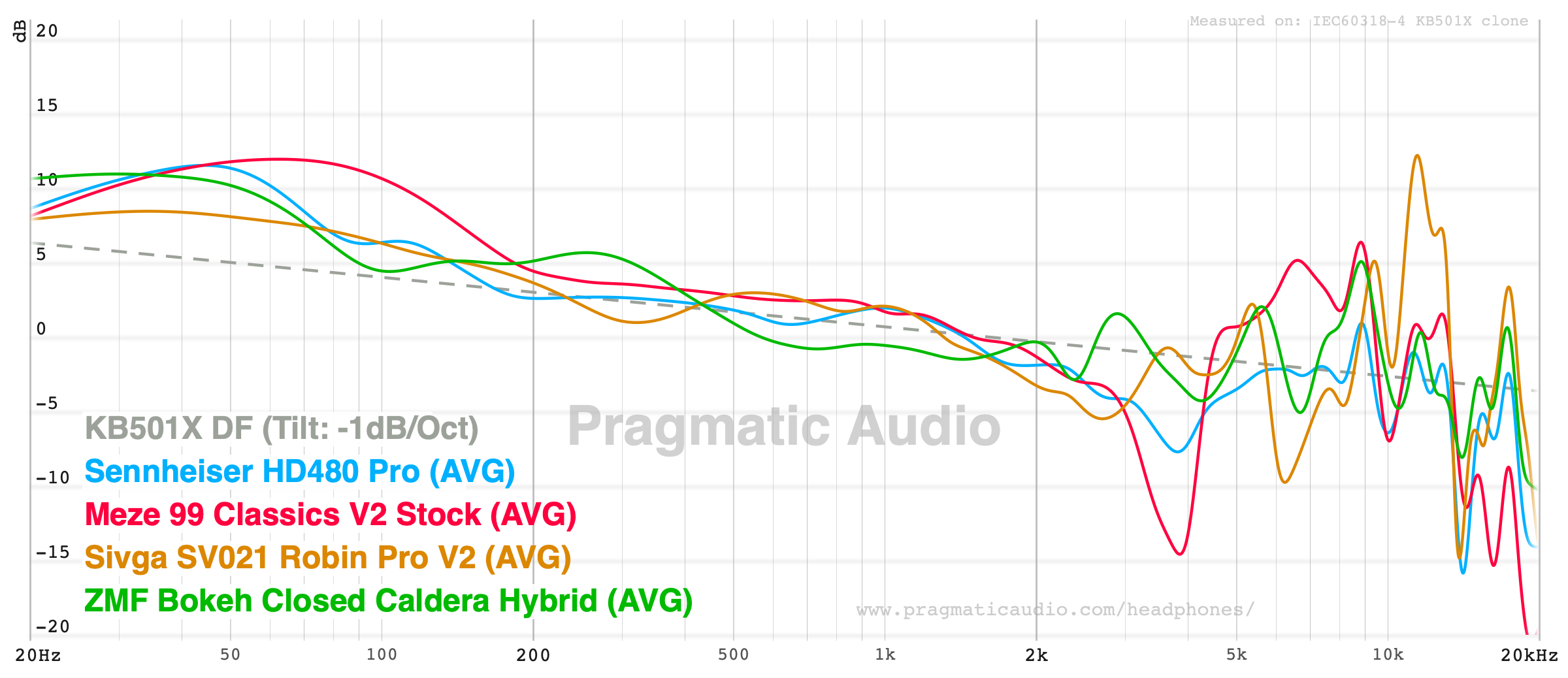
And a broader closed-back roundup against the HD480 Pro, the Meze 99 Classics V2, and the ZMF Bokeh Closed Caldera Hybrid, to put the SV021 Pro V2’s shape in context against other closed designs I’ve measured:
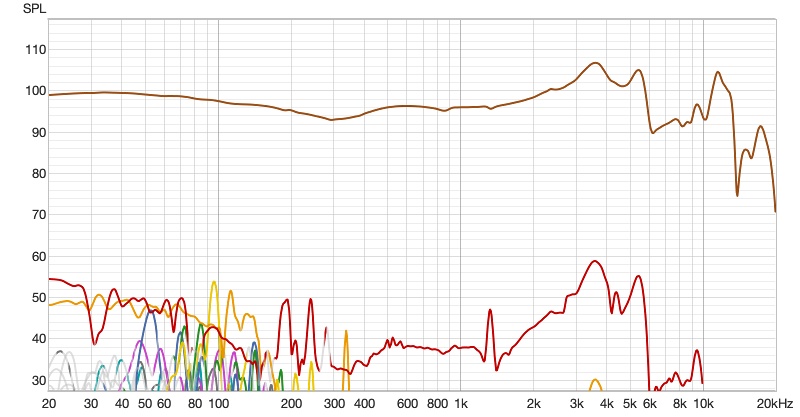
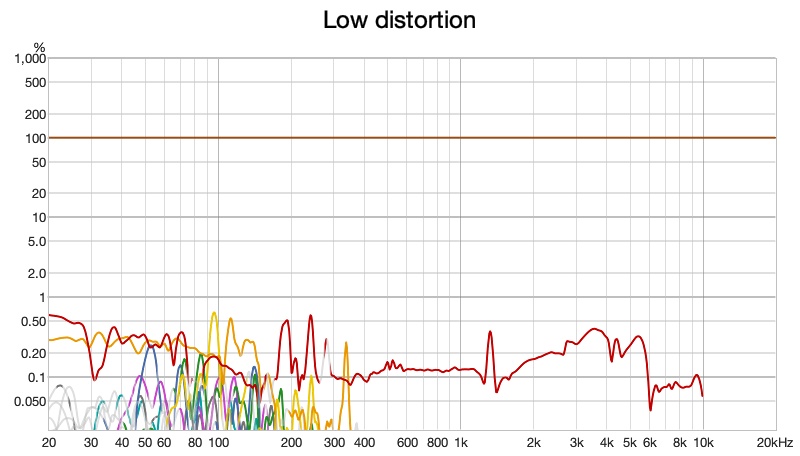
Distortion is low:
 |
 |
Rating Explanation
The Pragmatic Rating of 4 reflects a headphone that fixes the one real complaint I had about the original — the stock tuning — while keeping everything that made the SV021 Pro worth recommending in the first place: excellent earpad comfort, attractive wood finishes, and a closed-back design that’s easy to drive from anything. It’s marked down from a 5 for two things that both come back to fit and cabling: the headband and the cable. The Price Rating of 5 is straightforward at $179.99 for this level of finish and sound.
The Features Rating of 4 reflects two real, if minor, caveats: the stock cable is a little stiff and microphonic in daily use, and the headband doesn’t swivel much and runs on the smaller side, which matters if you have a larger head. The Measurements Rating of 5 recognises what I think is a broader trend — Sivga’s recent headphones are being tuned very well, and this is a clear example of that improving further with a second pass.
This one is for anyone shopping around $180 for a closed-back with genuine wooden earcups and excellent comfort, provided the headband actually fits — it’s a genuine bargain if it does, and worth trying in person first if you have any doubt.
Conclusion
The Sivga Robin SV021 Pro V2 is an excellent bargain if the headband fits your head. Between the naming across this family being genuinely confusing and the “Robin” name reused across three different headphones, it’s easy to lose track of which is which — but having now reviewed all three, this V2 is, after a few attempts, the one where Sivga have finally landed on a genuinely nice-sounding closed-back. The retune Sivga have applied since the original addresses the one real limitation that held that headphone back, and what’s left is a decent sound signature, excellent comfort, and nice wooden finishes — at $179.99, it’s hard to ask for much more.