xDuoo TA-20 Plus
A $499 Hybrid Tube Headphone Amplifier with a VU Meter
The TA-20 Plus is xDuoo’s update to their popular TA-20 desktop tube amplifier. Despite the “tube amp” billing it is really a hybrid: a 12AU7 tube voltage stage feeds a Class A transistor buffer output, with a balanced amplification path. The headline additions over the original are a 5Z4P rectifier tube, higher balanced output power, an RCA output, and a mechanical VU meter on the front.
At $499 it sits in the mid-tier of desktop tube amps, aimed at people who want some tube character without giving up the power to drive demanding planars and high-impedance dynamics. It is a pure analogue amplifier — there is no DAC inside — so it expects a separate source feeding its RCA, XLR or 4.4mm inputs.
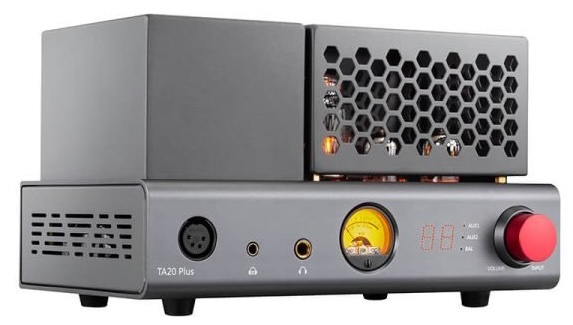
I would like to thank xDuoo for providing the TA-20 Plus for the purposes of this review.
If you are interested in finding more information about this product, you can find it at the official xDuoo product page.
The xDuoo TA-20 Plus typically retails for $499.
I have used the TA-20 Plus on my desk as the amplifier in a separates chain, fed from an external DAC. The standout impression is that it manages to sound like a tube amp — a little warmth, a slightly relaxed presentation — while still having the muscle to drive headphones that usually need a serious desktop amp. But first, let’s look at the packaging and controls.
Unboxing and Packaging
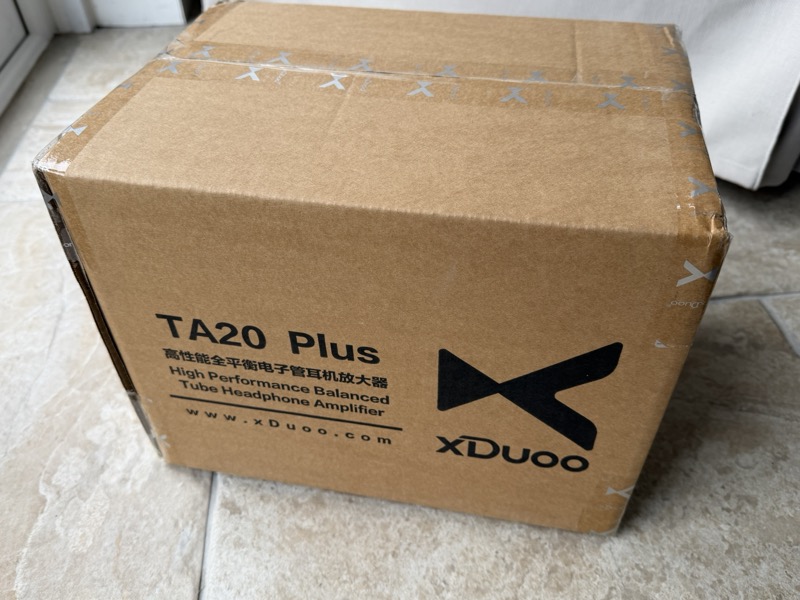
The TA-20 Plus is a heavy unit at 4.3kg, and the packaging reflects that — a sturdy box with thick foam cradling the amp and its tubes:
 |
 |
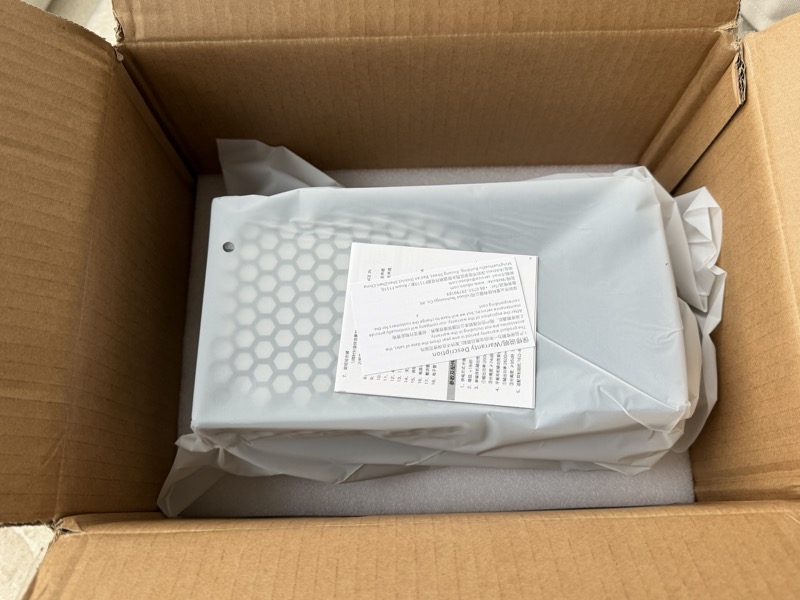
The documentation and manuals cover setup and the tube installation:
 |
 |
Removing the TA-20 plus from this protective cover, you finally see it in all its retro tube glory:
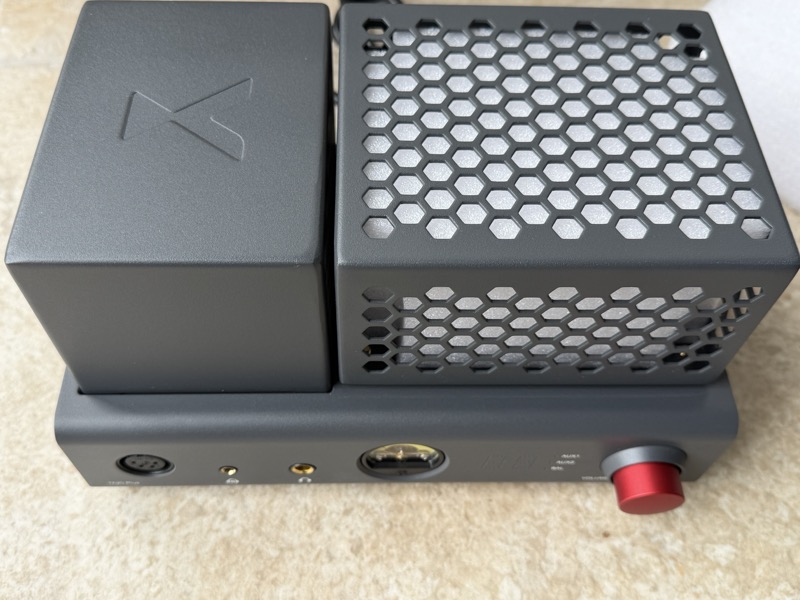
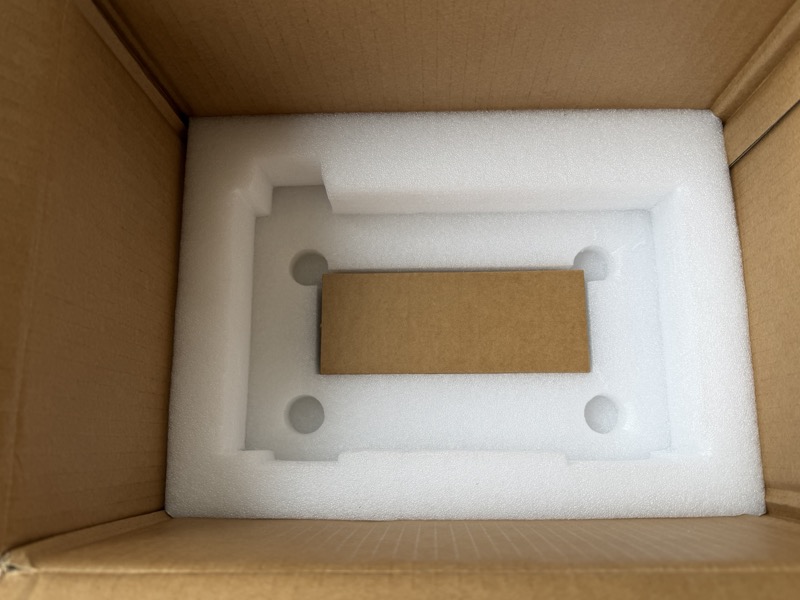
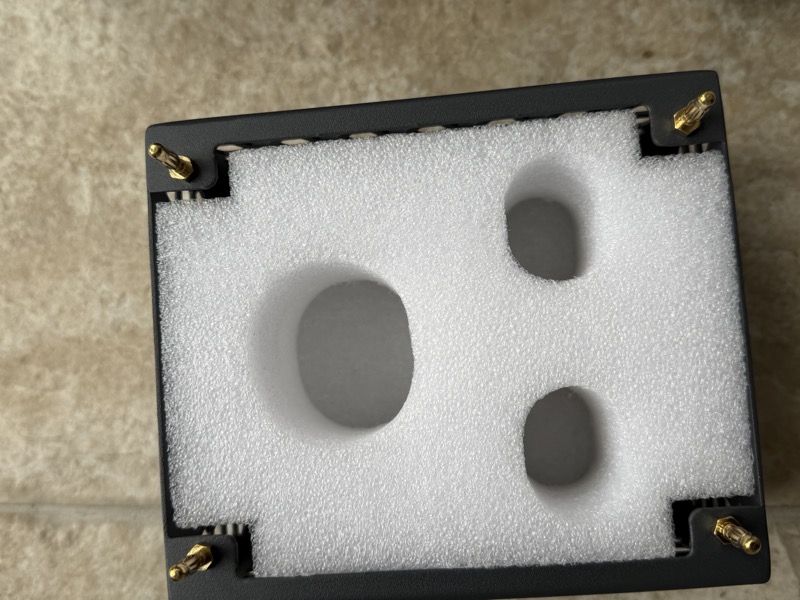
There is foam cut out to protect the tubes in transit:
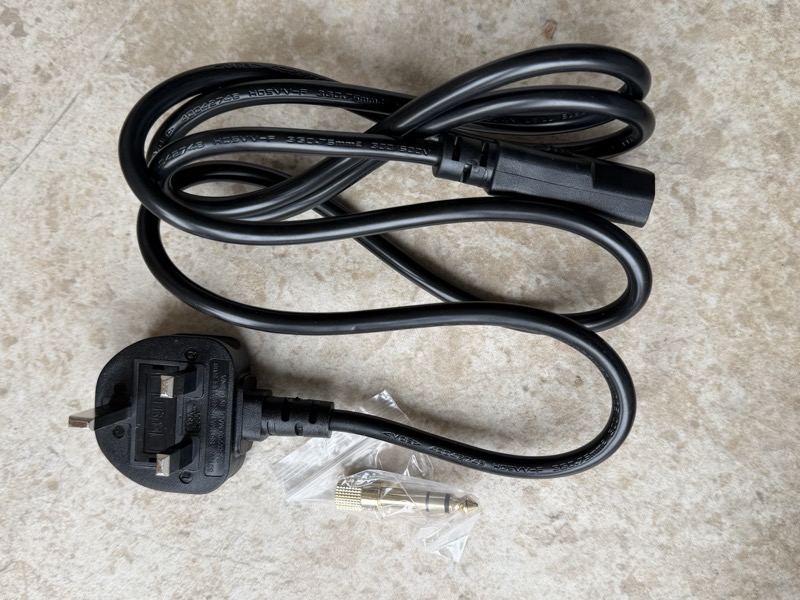
The supplied mains lead and a bagged accessory are shown here:
Design and Build Quality
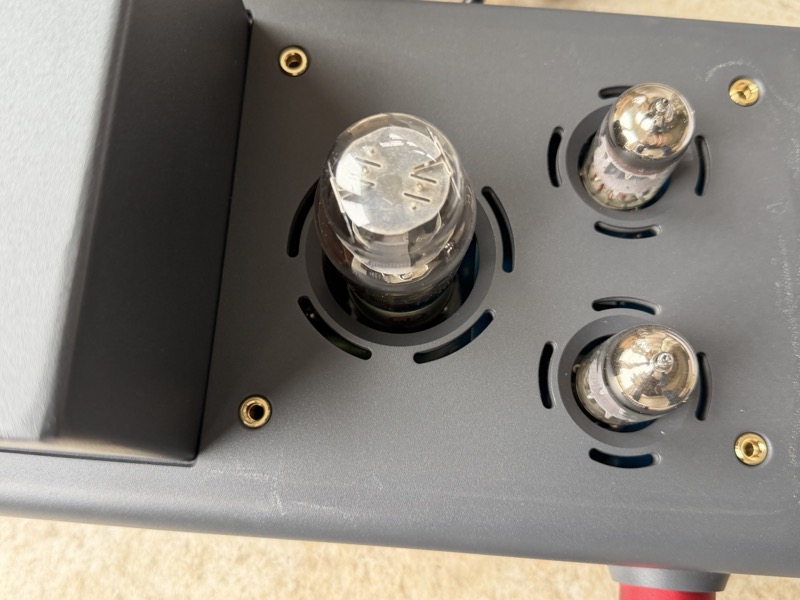
This is a substantial, traditional-looking desktop amp. The volume knob and mechanical VU meter are the visual centrepieces. With the cage removed, the three tubes are accessible:
The VU meter is not just decoration — it bounces with the music and is genuinely part of the appeal of a tube amp like this. Here it is in motion:
Features and Connectivity
The rear connections are two RCA input pairs, balanced XLR and 4.4mm inputs, and an RCA AUX output. The TA-20 Plus manual identifies the rear 4.4mm input separately from the front headphone output. Here is the amplifier with its cage removed, showing the front outputs and tube layout:
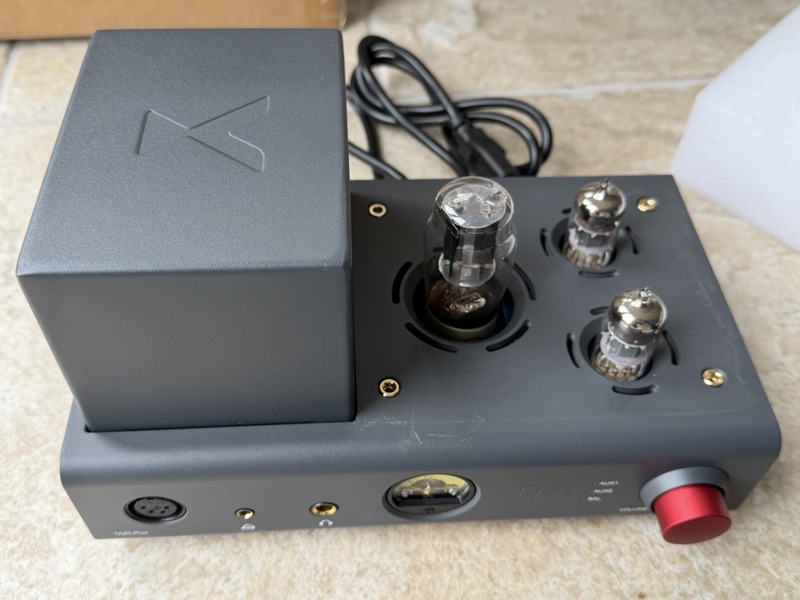
The input selector lets you keep multiple analogue sources connected. If volume-controlled speaker output is essential to your setup, confirm the RCA output behaviour before buying.
The balanced inputs feed a balanced amplification path; the RCA connections are single-ended. The tube stage uses a matched pair of 12AU7s with a 5Z4P rectifier, feeding a Class A transistor buffer — a hybrid topology rather than an all-tube output stage, which is what gives it the power to drive harder loads. xDuoo’s own architecture diagram lays this out:
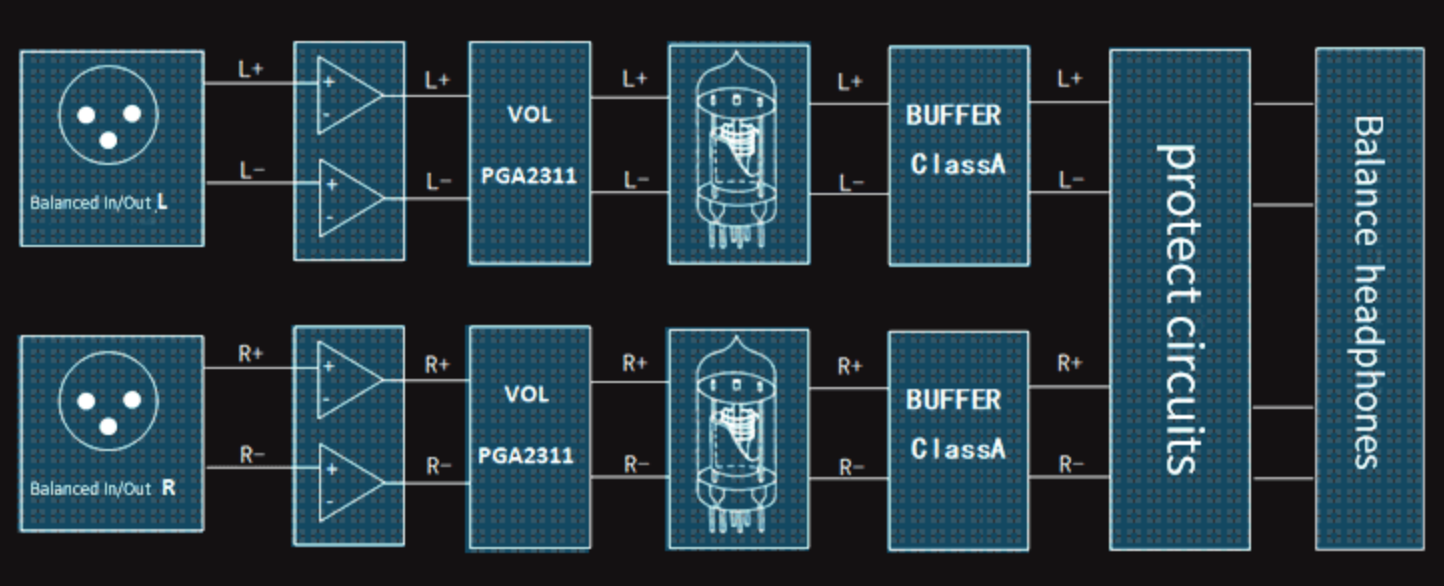
The tubes are rollable, so the dual 12AU7s can be swapped for other compatible types if you want to tune the character — a common reason people choose a tube amp like this.
Tubes, solid state, and where the TA-20 Plus fits
My honest view is that the TA-20 Plus is a sensible entry point into tube sound for the money — specifically for people who like the idea of tubes and are getting into the hobby. To explain why, it helps to lay out the two ends of the spectrum it sits between.
For a first desktop system, I would usually choose a low-noise, low-output-impedance solid-state amplifier with enough power for the headphones. It is a straightforward way to reproduce the source without deliberately adding colour. OTL means output-transformerless, not “all tube”: some all-tube amplifiers use output transformers, and neither topology guarantees a particular warmth or price.
Once you have a source and amplifier you trust, the TA-20 Plus makes sense if you want to try a hybrid and enjoy the physical appeal of the tubes and meter. I heard a mild warmth, but I have not supplied a level-matched comparison or electrical measurements that isolate its cause. I would buy it for that overall experience rather than assume tubes are an accuracy upgrade.
For me, the mild character and the physical design are enough of the appeal. I do not need a more strongly coloured amplifier simply because I am trying tubes.
Sound and Synergy
I used the TA-20 Plus as the amplifier in a separates chain with an external DAC, listening through both balanced and single-ended outputs. The character is mild-tube rather than thick-tube: there is a touch of warmth and a slightly rounded, easygoing presentation, but it does not smear detail or roll off the treble in the way a heavier OTL design might.
The most useful trait in my listening was having enough volume from both headphone outputs. The manual rates the balanced outputs at 2600mW into 32Ω and the single-ended output at 2000mW into 32Ω. Those figures do not establish power into 300Ω or 600Ω. On “Angel” by Massive Attack, I heard a controlled, weighty low end; I would still check load-specific output data before pairing an unusually insensitive headphone.
Through the midrange the tube character is most audible: voices gain a small amount of warmth and note weight, which suits acoustic and vocal material. On “Fast Car” by Tracy Chapman the vocal has a pleasant, slightly fuller presentation without losing clarity. The treble sounded clean and extended to me, so cymbals keep their energy rather than being dulled. Tube rolling the 12AU7s is the obvious way to nudge the balance further toward or away from warmth if you want to fine-tune the pairing.
Comparison: against a simpler tube amp
It is worth seeing the TA-20 Plus next to some other tube amplifiers:
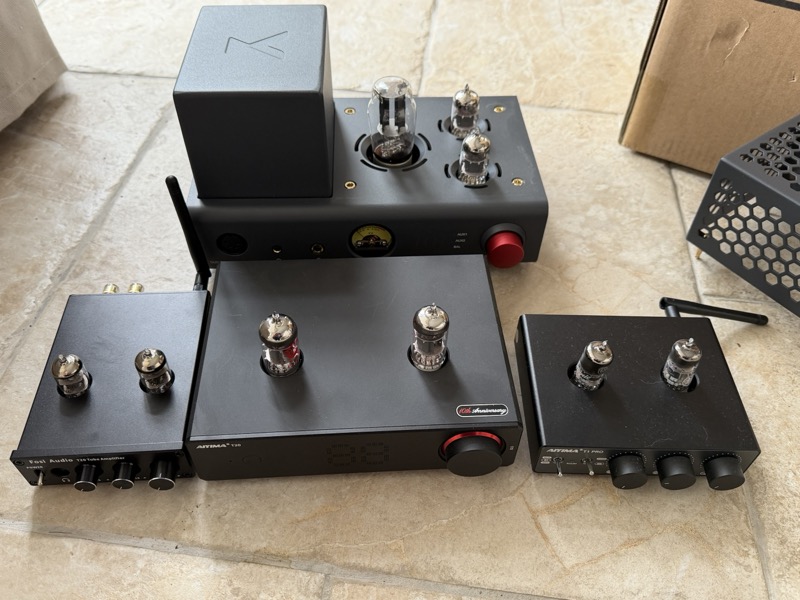
Here it is alongside a smaller, simpler tube buffer from Fosi Audio:
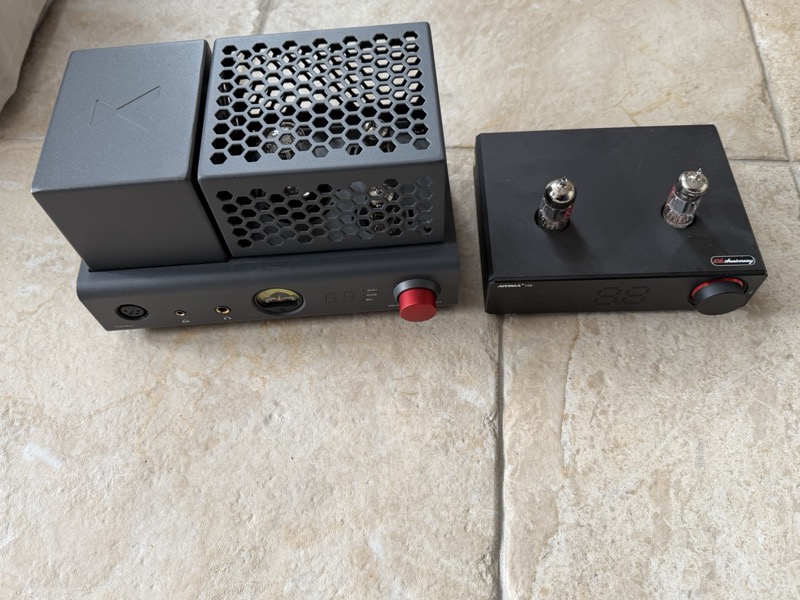
The smaller Fosi is the simpler and less imposing device. I prefer the xDuoo’s caged chassis and moving meter, but those are reasons to enjoy owning it, not proof of better amplification. If you only want to try a tube device cheaply, the smaller option may be enough; the TA-20 Plus makes more sense if you also need its multiple inputs and headphone connections.
Specifications
| Specification | Value |
|---|---|
| Type | Balanced hybrid tube headphone amplifier / preamp |
| Topology | 12AU7 tube stage + Class A transistor buffer |
| Rectifier tube | 1 × 5Z4P |
| Amplification tubes | 2 × 12AU7 (matched, rollable) |
| Signal path | Fully balanced, input to output |
| Output power (balanced, manufacturer) | 2600mW @ 32Ω |
| Output power (single-ended, manufacturer) | 2000mW @ 32Ω |
| Headphone impedance | 16Ω – 600Ω |
| Frequency response | 10Hz – 80kHz (±0.5dB) |
| THD+N | 0.05% |
| SNR | 113dB |
| Crosstalk | 74dB (SE) / 95dB (balanced) |
| Gain | +18dB |
| Inputs | 2 × RCA stereo pairs, 1 × XLR balanced pair, 1 × 4.4mm balanced |
| Headphone outputs | 6.35mm SE, 4.4mm balanced, 4-pin XLR balanced |
| RCA output | Present; volume-control behaviour not verified in this review |
| Other | Mechanical VU meter; switchable AC 100–120V / 220–240V |
| Dimensions | 26.0 × 17.7 × 15.3 cm |
| Weight | 4.3kg |
The figures follow the linked manual, whose balanced power rating and 4.4mm input listing are more specific than the current product-page summary. These are manufacturer specifications, not measurements I have made. The Measurement Rating of 4 is therefore provisional and should not be read as a verified electrical-performance score.
A note on the figures: xDuoo publish power into 32Ω only, so I have not listed 300Ω or 600Ω power numbers. The TA-20 Plus has no USB input and no built-in DAC — it is an analogue amplifier that needs a separate source.
Rating Explanation
The Pragmatic Rating of 4 reflects a tube amp that gets the category’s basics right — visible tubes, a bouncing VU meter, a little warmth — without the usual compromise of weak output. The fully balanced path, the trio of headphone outputs, the RCA output and the rollable 12AU7s make it genuinely flexible, and the build quality matches the price.
The limitations are worth being clear about. There is no DAC, so you need a separate source, which adds to the real cost of a system. The tube character is mild rather than dramatic, so listeners specifically chasing a thick, syrupy tube sound may find it more neutral than expected — though that is arguably the right call for an amp meant to drive a range of headphones. And at $499 it is a considered purchase rather than an impulse buy.
This one is for the desktop listener who wants a balanced, good-looking tube amplifier with enough power for demanding headphones, already has a DAC they are happy with, and likes the idea of tube rolling to tune the sound.
Conclusion
The TA-20 Plus is a sensible, well-built update to a popular tube amp. The additions that matter — the 5Z4P rectifier, the higher balanced power, the RCA output and the VU meter — all push it toward being a more capable and more flexible centrepiece for a desktop system, while keeping the tube character that draws people to this kind of amp in the first place.
If you want an all-in-one with a built-in DAC this is not it, and if you want an extreme tube flavour you may want something more coloured. But as a balanced hybrid amp that looks the part and provided enough volume for the headphones I tried, the TA-20 Plus makes a strong case at $499.