Hifiman Audivana LE
A Closed-Back Planar in Hifiman’s Egg-Shaped Earcups, Chasing an Open Soundstage at $399
By releasing four new headphones late last year, Hifiman has done something very interesting with their complete midrange lineup. Meaningful upgrades in sound, comfort, and build quality across the board, with simultaneous price reductions on the predecessors they replaced. It is a great time to be in this hobby with so many strong options at every price point.
But let’s get into what I have been calling “the socially awkward one” in this new lineup, the Audivana LE.
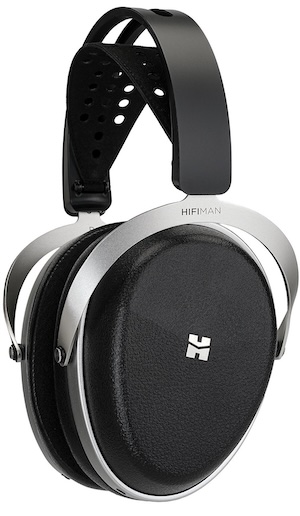
I would like to thank Hifiman for providing the Audivana LE as part of a four-headphone review set, alongside the HE600, Edition XV, and Ananda Unveiled.
If you are interested in finding more information about this product, you can find it at the official Hifiman product page. The user manual is also available here.
The Audivana LE typically retails for $399 in the US.
These four headphones arrived together roughly three months ago, and I owe Hifiman a genuine apology for how long it has taken to publish these reviews. The extended period gave me something valuable — a real, settled sense of each headphone’s place in my listening life. Every friend group has that one person who does not quite fit the mould of the others, who you genuinely enjoy having around — partly for their own qualities, partly for what their presence reveals about everyone else. In three months of living with the HE600, Edition XV, and Ananda Unveiled, the Audivana LE played that role. It is a headphone I appreciate for what it attempts and for the conversations it sparked, even if it did not become my daily choice. I tested it primarily through the JDS Labs Element IV and Topping DX5 II. But first, let’s take a look at what’s in the box.
Unboxing and Packaging
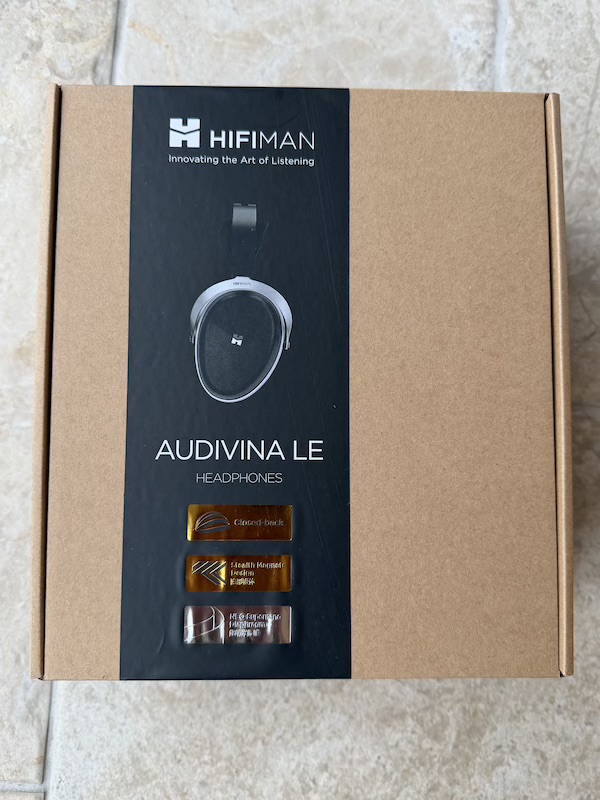
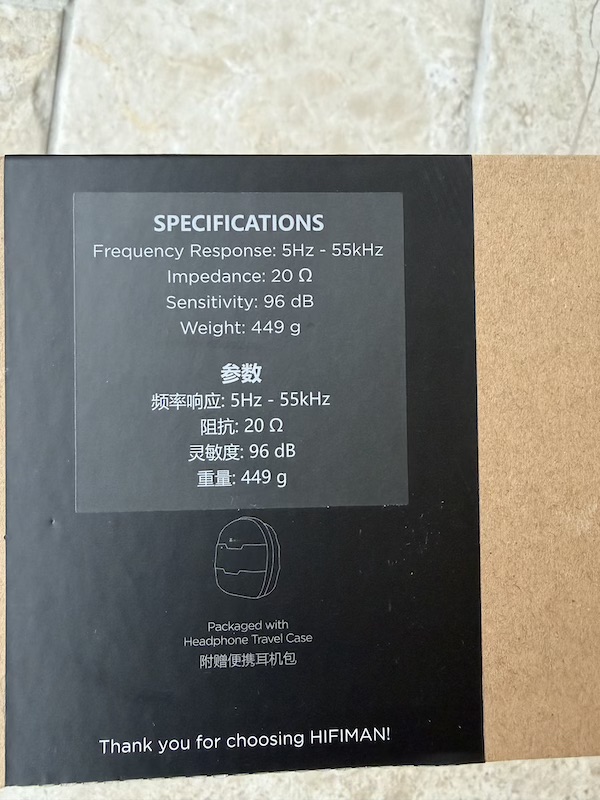
The Audivana LE arrives in Hifiman’s standard outer packaging, with specifications on the side panel — worth a look as the spec list here is notably different from the rest of the lineup:
 |
 |
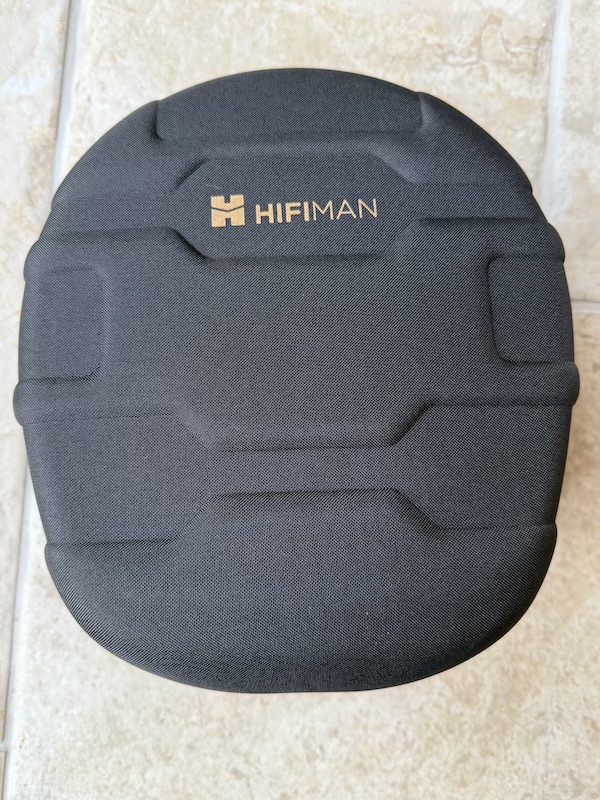
Opening the box reveals the carry case immediately — a first for this review group, and a welcome one:
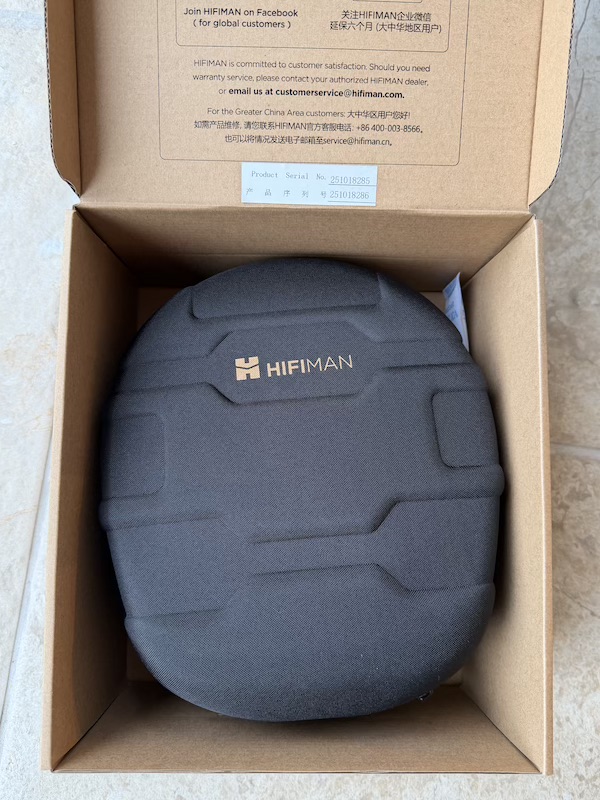
The carry case is well-built and practical, and inside it the headphone sits alongside all three cables:
 |
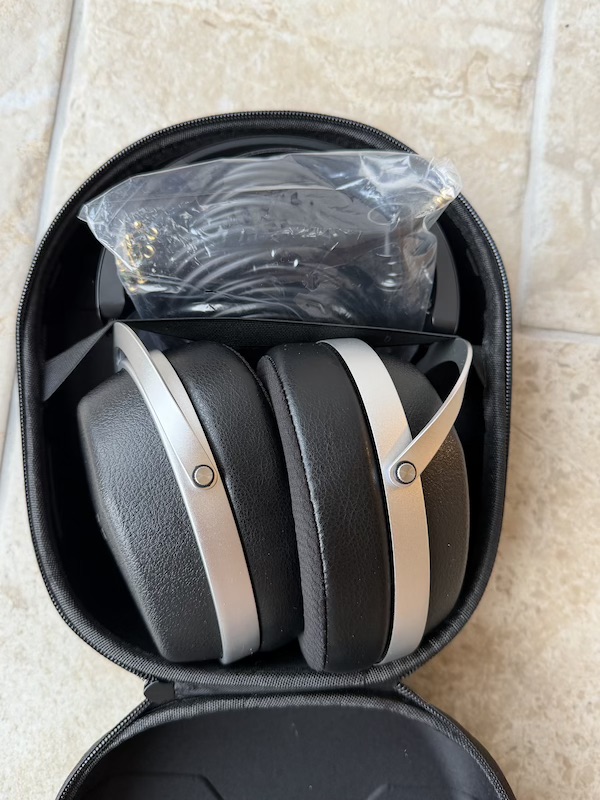 |
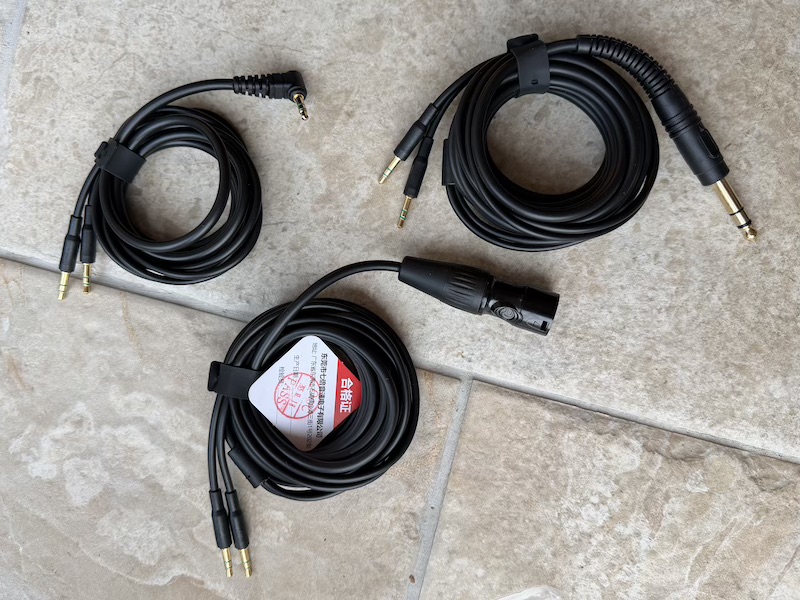
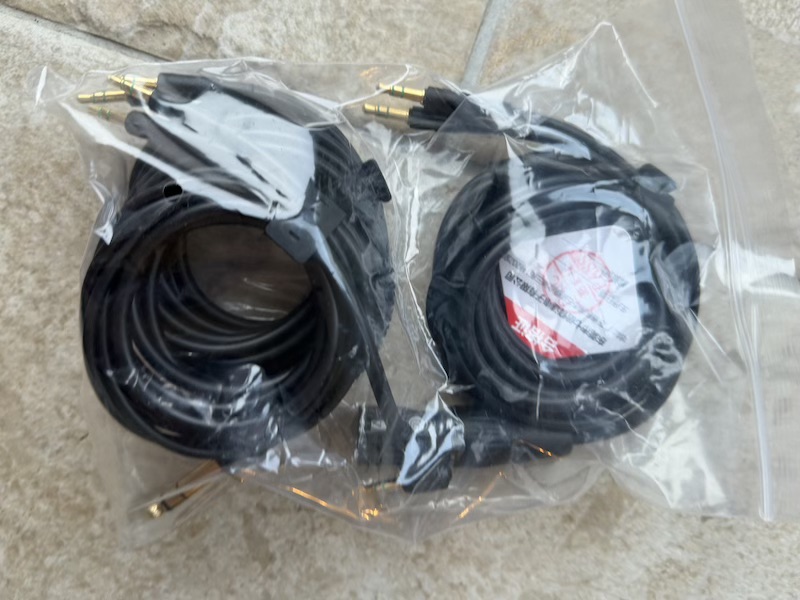
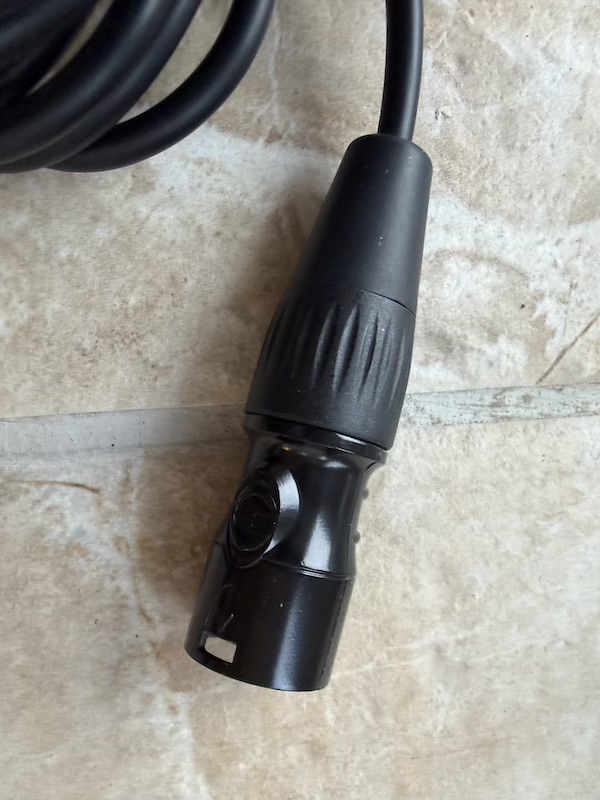
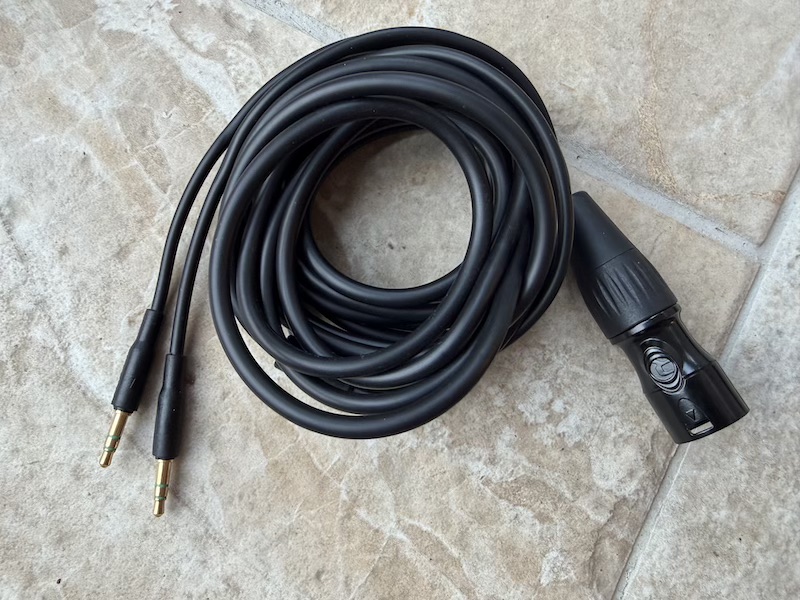
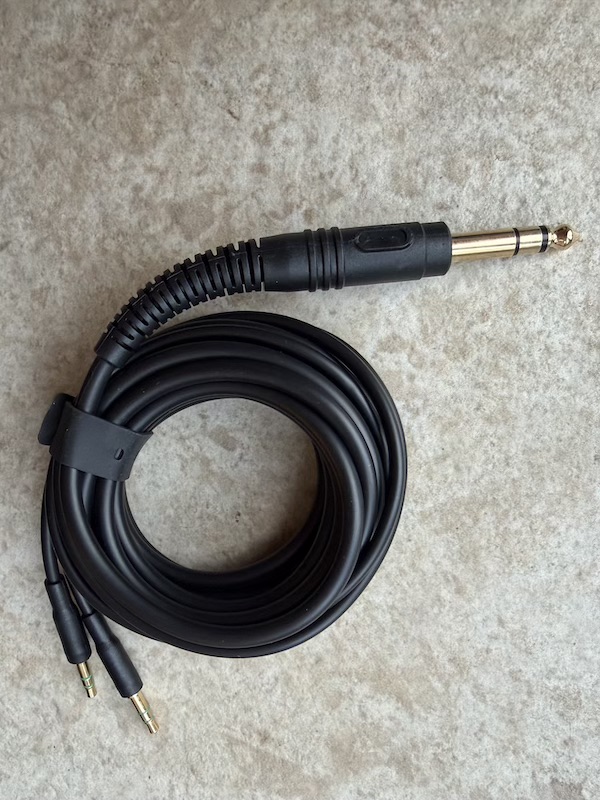
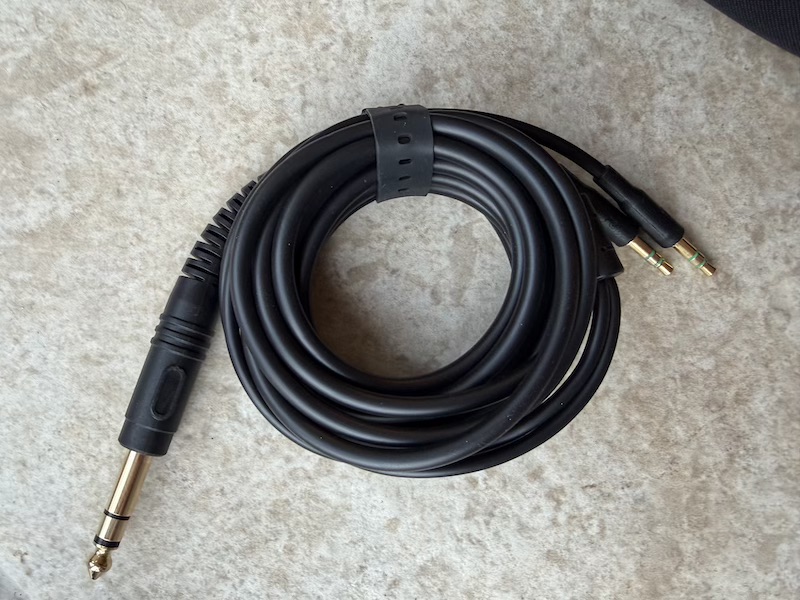
The Audivana LE is the clear winner of the accessory comparison within this four-headphone group. The package includes the headphone itself, earpads (installed), a 3.5mm single-ended 1.5m cable, a 6.35mm single-ended 3m cable, an XLR balanced 3m cable, and a headphone travel bag. Three cables and a carry case at $399 is genuinely impressive and represents a direct response to the consistent criticism that Hifiman’s cable inclusions are inadequate — and on that front, the Audivana LE delivers. Here is a look at the full cable set together, and the individual cables:
 |
 |
 |
 |
Design, Build Quality, and the Concept
The Audivana LE is the only closed-back headphone in this four-headphone review group, and it wears that distinction visibly. The closed-back earcup design uses Hifiman’s signature egg-shaped form factor — the same large, deep geometry found on the open-back siblings — with a solid rear panel replacing the open grille. The concept is ambitious: Hifiman is attempting to use the unusually large internal earcup volume of their egg-shaped design to create the spacious, open-sounding presentation that their full-size open-backs are known for, while maintaining closed-back isolation. The driver is visible through the inner grille:
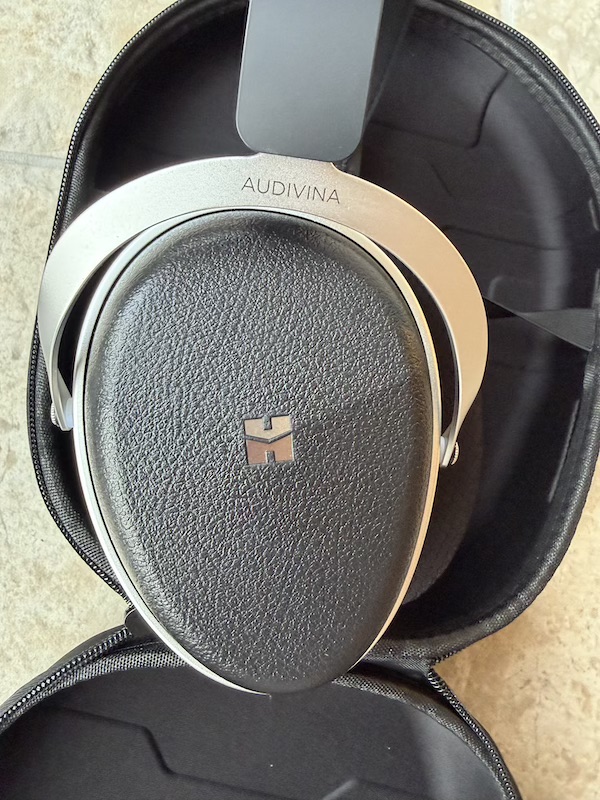 |
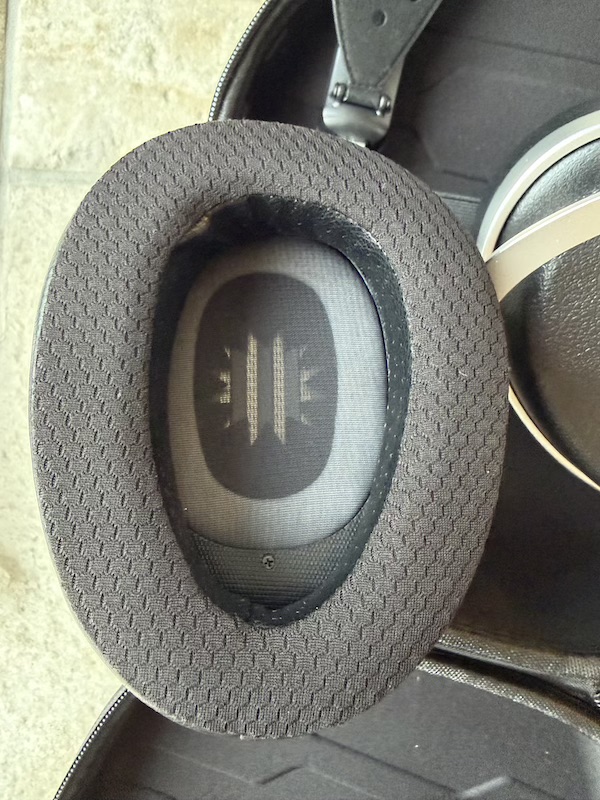 |
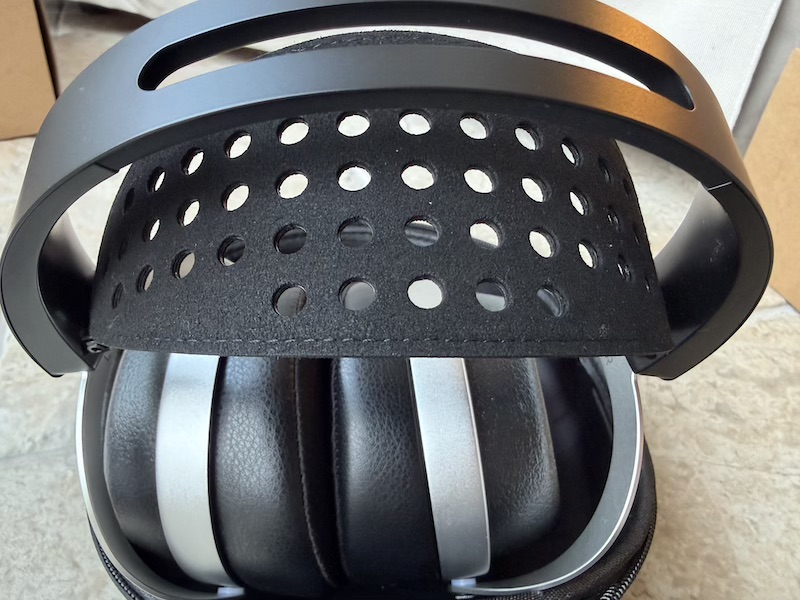
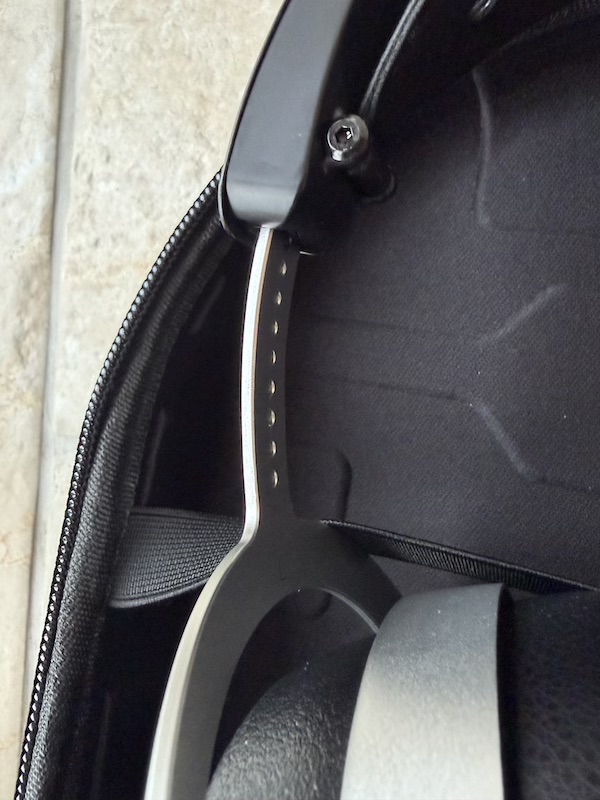
The headband is the new composite mechanism shared across all four new Hifiman models — genuinely improved over older designs. The extension range is generous, and the headband comfort is good even on larger heads. Hifiman has also added a leather strap on the underside, a small but meaningful comfort upgrade:
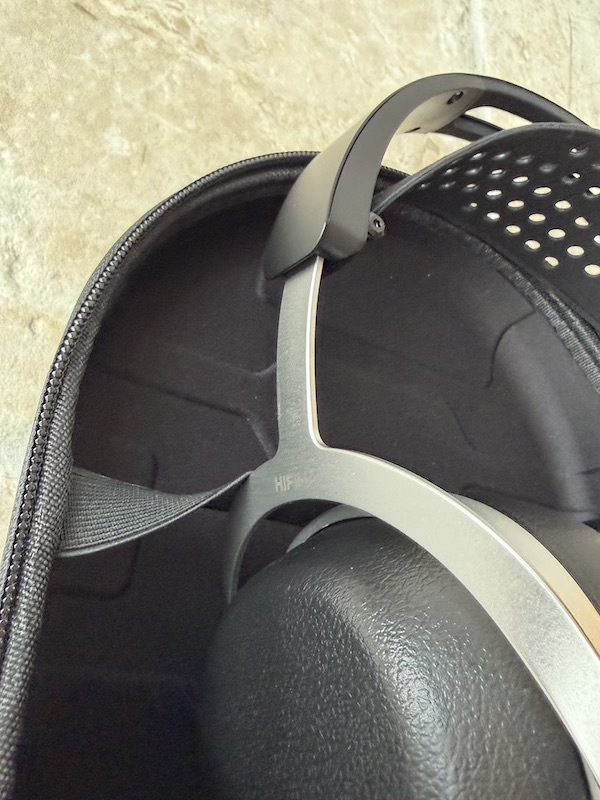 |
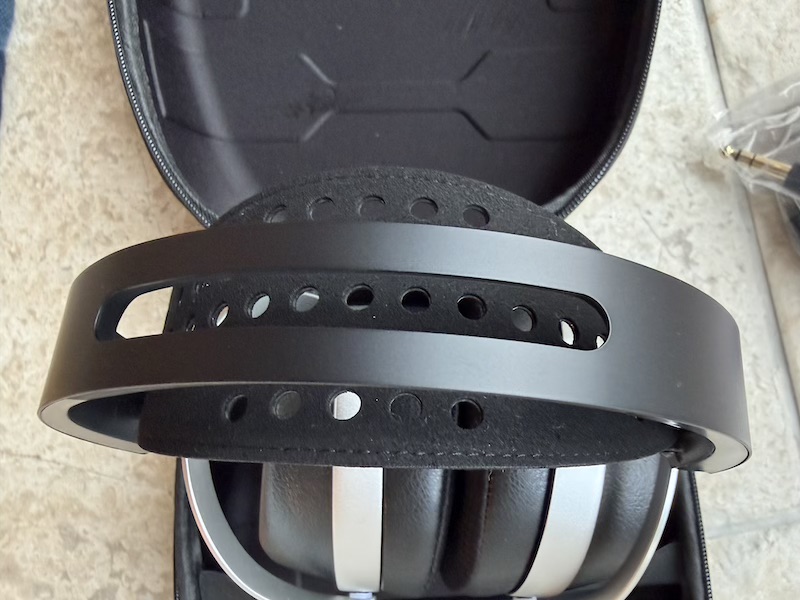 |
 |
 |
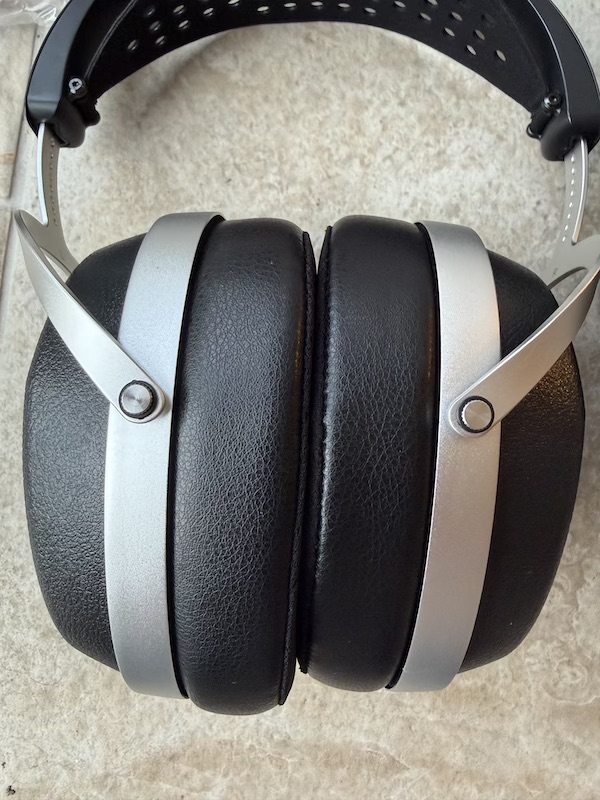
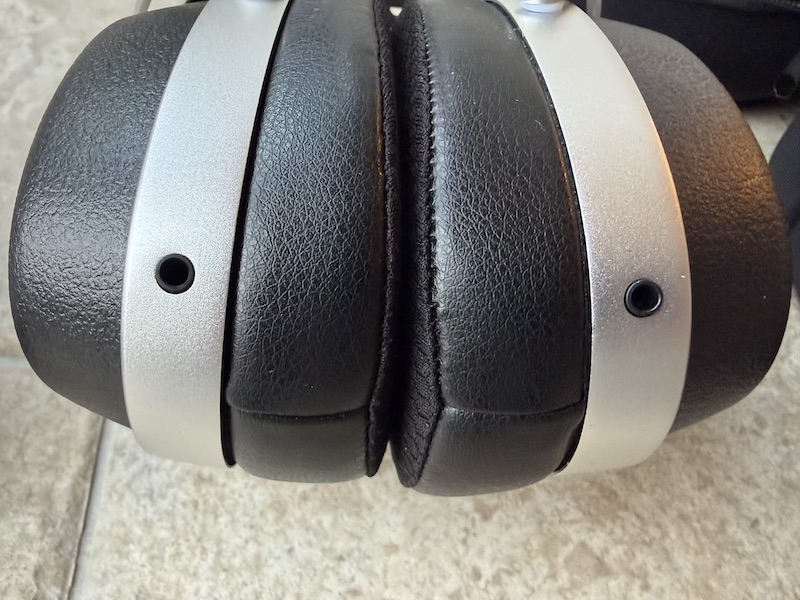
The earpads are deep and comfortable, one of the genuine comfort strengths of the closed-back egg-shaped design. The dual 3.5mm entry — standard across the Hifiman lineup — is present here as expected:
 |
 |
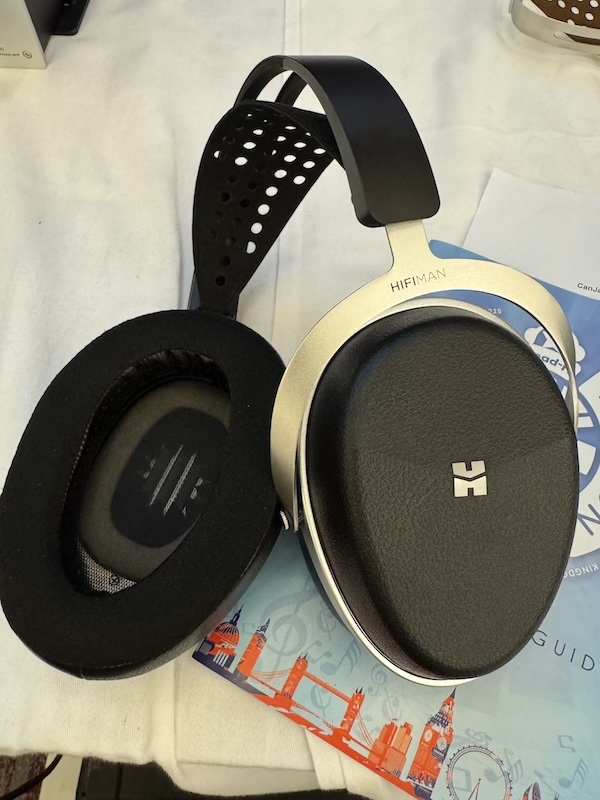
The Audivana LE appeared at CanJam London, where it generated its fair share of attention — a large, confident-looking closed-back from Hifiman is not something you see every day:
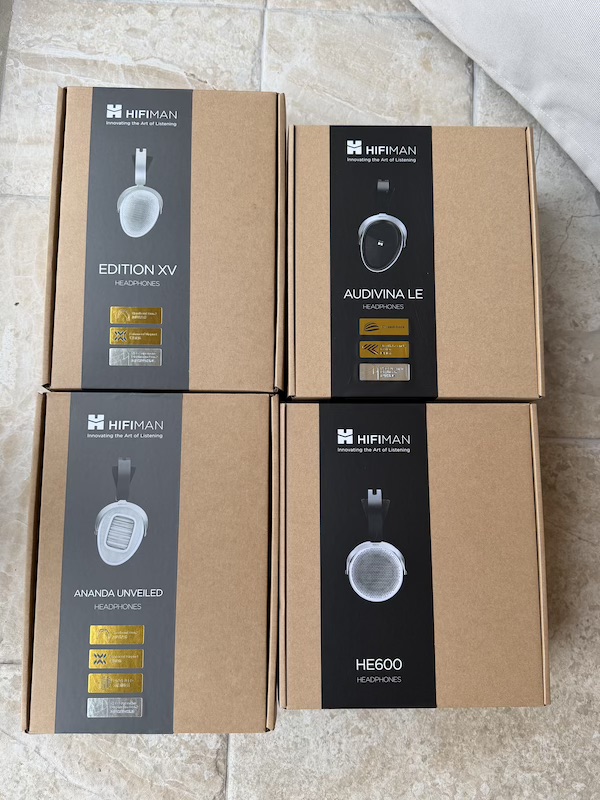
Here it is alongside some of the four-Hifiman review group — useful context for the scale and design relationship between the models:
Fit and Comfort
The 449g weight sits at the same level as the Ananda Unveiled, and the new headband distributes it reasonably across the crown. The deep earpads create excellent ear clearance and a comfortable seal. Of all four headphones in this group, the Audivana LE is perhaps the most comfortable as a closed-back simply because the egg-shaped earcup gives your ears more room than a typical closed-back design allows. Clamping force is present but not excessive.
Sound Impressions
All impressions were formed using the JDS Labs Element IV and Topping DX5 II, with no EQ applied unless stated. The Audivana LE was the least-used of the four headphones over the three-month review period, but it saw regular sessions particularly when I was comparing it directly against other closed-back headphones.
Bass
The bass is the most immediately noticeable aspect of the Audivana LE’s sound, and not entirely for the right reasons. The large closed-back earcup cavity produces a bass presentation that is fuller and more present than the open-back siblings, but it crosses from body into bloom in ways that affect the overall balance. On “Whole Lotta Love” by Led Zeppelin, the low-end energy is substantial and initially exciting, but the mid-bass warmth bleeds upward in a way that slightly obscures definition in the lower midrange. It is not unpleasant — and for some genres, a warmer, more enveloping bass presentation will feel like a positive — but against the linear planar bass of the HE600 or Edition XV, the Audivana LE’s low end feels less controlled.
Midrange
The midrange is the most problematic region. Where the open-back siblings have smooth, consistent midrange responses, the Audivana LE shows an uneven character — some frequencies forward and present, others slightly recessed — that makes vocal and instrumental timbre feel less natural than it should. On “Fast Car” by Tracy Chapman, the vocal sits unevenly within the mix, and the guitar body carries a colouration that would not be there on a more neutral headphone. This is not catastrophic, and at moderate volumes and with forgiving recordings the effect is less pronounced, but it is difficult to EQ around because the midrange irregularities are not simple broad-stroke deviations — they require careful work to address.
Treble
The treble is energetic and, at times, uneven. There are regions of the upper frequencies where the Audivana LE produces a forwardness — some would call it shoutiness — that can be fatiguing on extended listening. On “Close to Me” by The Cure, the cymbals and upper percussion come through with more bite than the recording demands, and the overall presentation in the upper midrange/lower treble region carries a harshness that the open-back models do not share. For comparison purposes within this review group, it is the starkest departure from the mature, controlled tuning that Hifiman achieved with the Ananda Unveiled and Edition XV. EQ can help at the extremes, but the midrange unevenness makes a simple fix elusive.
Soundstage and Imaging
This is the area where the Audivana LE’s design concept is most visible — and most honest about its limitations. The soundstage is wider than most closed-back headphones at this price, and Hifiman’s egg-shaped earcup volume genuinely does produce a more open sense of space than a conventional closed-back. On “Hotel California” by the Eagles, there is a real attempt at width and instrument separation that most closed-backs cannot replicate. But the word “attempt” matters: against the open-back siblings — particularly the Ananda Unveiled — the Audivana LE’s soundstage reads as a closed-back trying to sound open, rather than a headphone that has actually achieved it. The imaging precision is reasonable but not exceptional, and the tonal unevenness in the midrange and treble affects the stability of the image.
Comparisons
The comparisons available during this review period were extensive, and the Audivana LE found its most useful role as a reference point for understanding what the other headphones in this group were doing well.
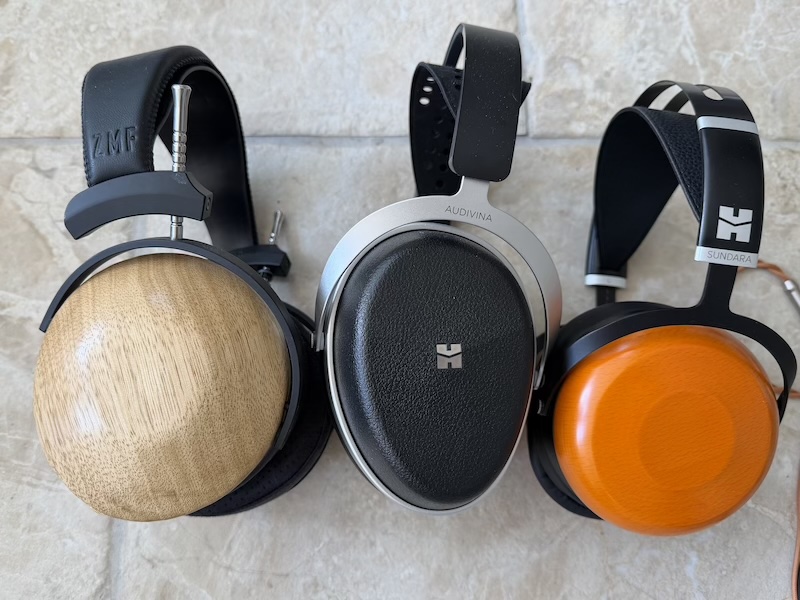
Against the ZMF Bokeh Closed — one of my existing favourite closed-backs — the Audivana LE’s tuning irregularities are put into sharp relief. The Bokeh has a warmer, more even character with significantly better midrange coherence and a more controlled low end. The Audivana LE has the wider soundstage but loses on tonal accuracy:
 |
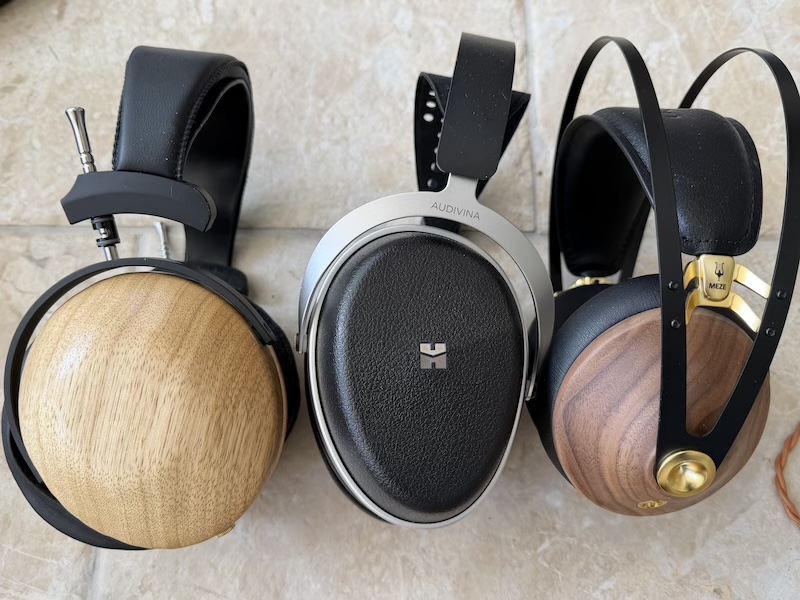 |
The Meze Audio 99 Classics V2 is another excellent closed-back in this price range with a warmer character and significantly better midrange evenness. The Meze’s warmth may be polarising, but its tonal coherence is hard to argue with in direct comparison:
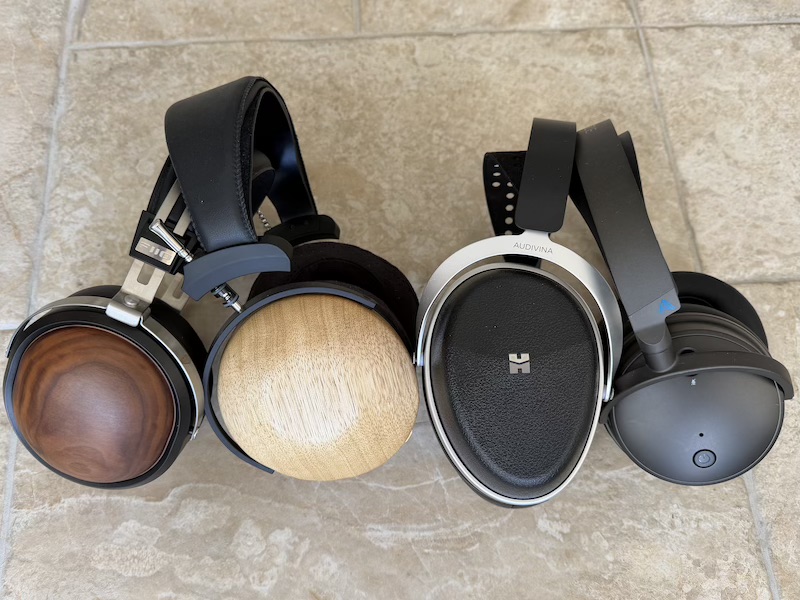
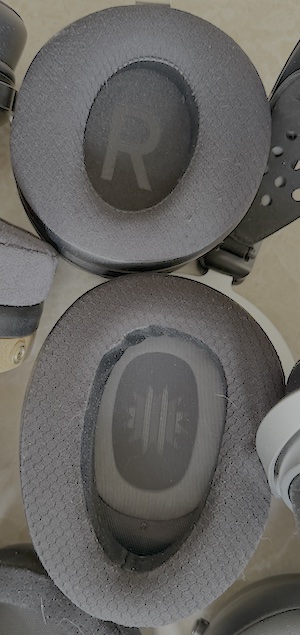
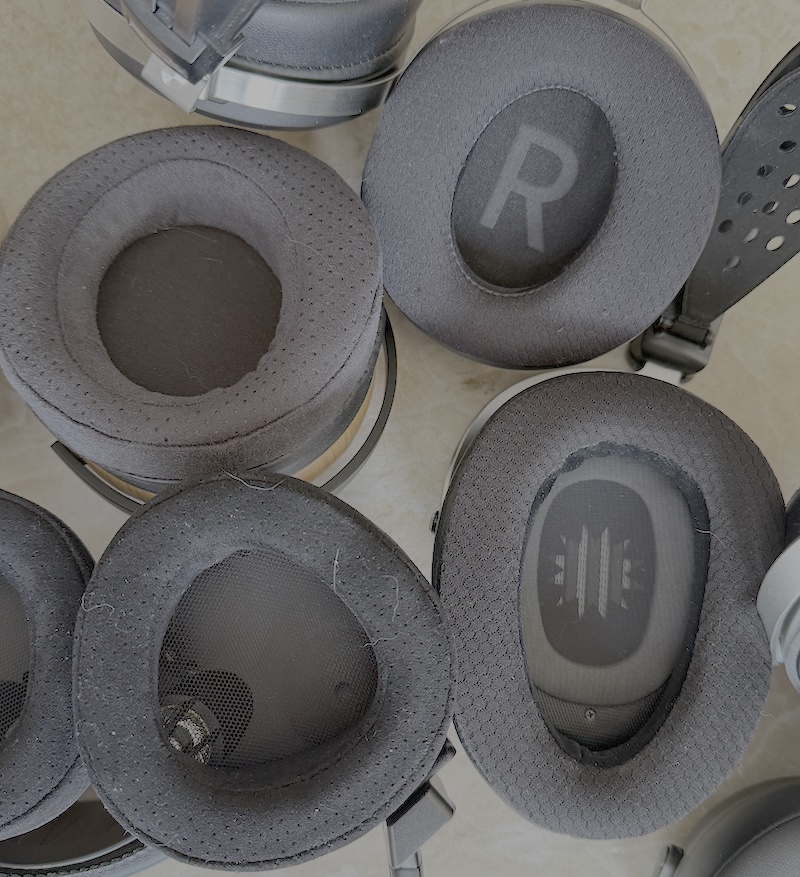
The FiiO FT1 and FiiO FT13 represent the clearest value challenge to the Audivana LE at its price point. Both are dynamic driver closed-backs with better midrange coherence and — particularly in the case of the FT13 — a more balanced, listenable sound signature for a significantly lower price. The FT1 in particular is hard to overlook when considering where $399 goes:
 |
 |
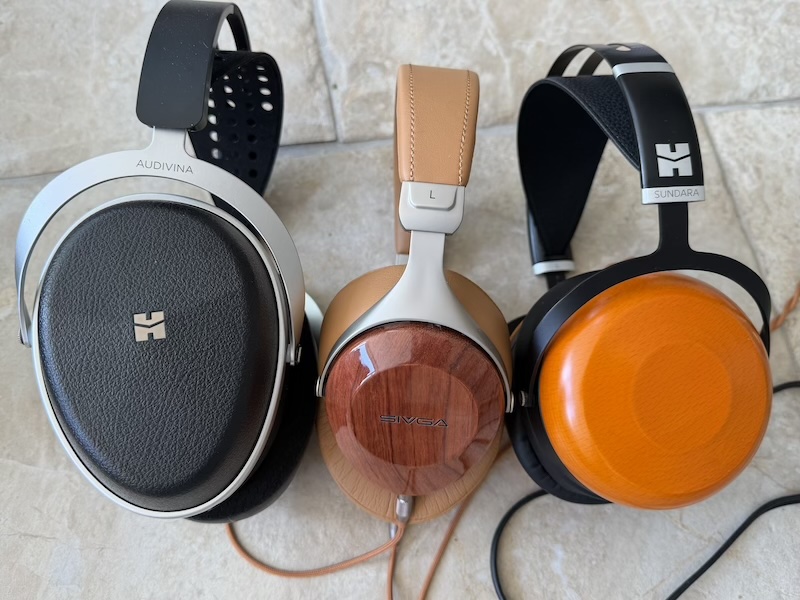
The Hifiman Sundara Closed-Back is an interesting internal comparison — also a Hifiman closed-back attempting a more open sound. The Audivana LE has a wider soundstage attempt but the Sundara Closed is the more tonally coherent of the two:
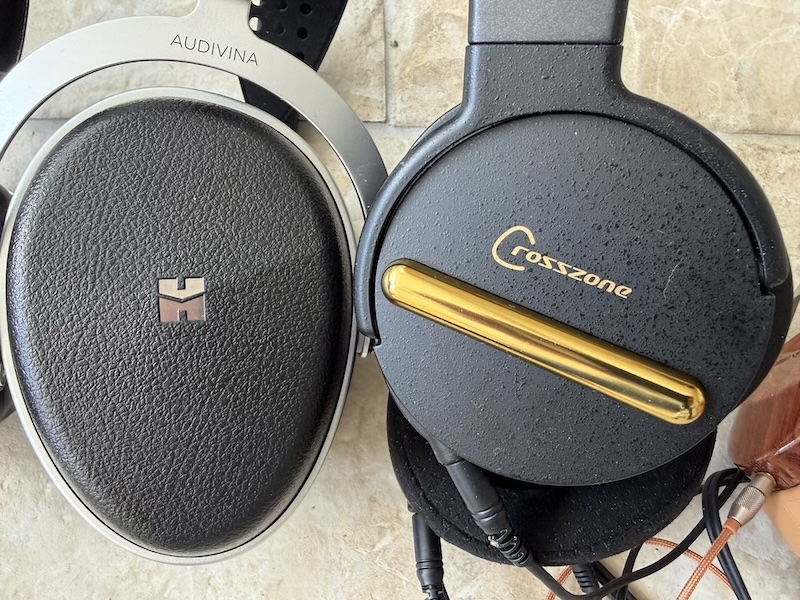
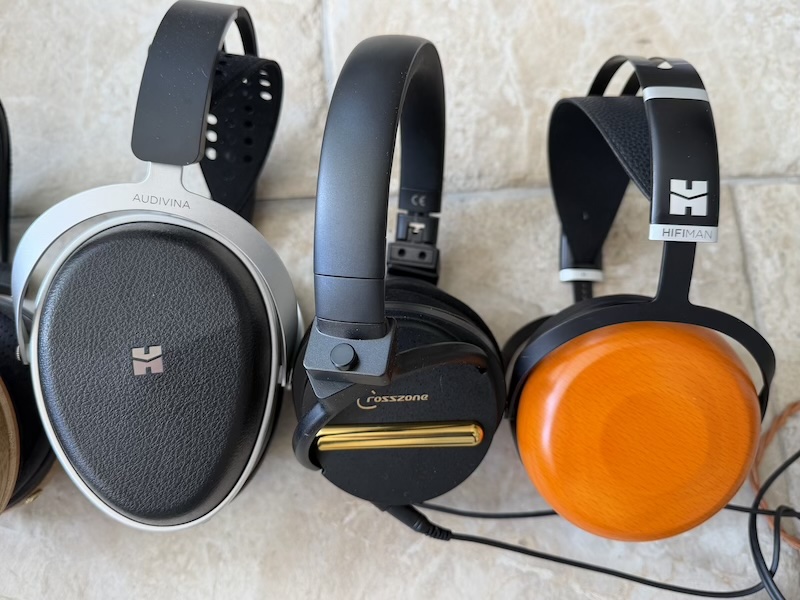
The Crosszone CZ12 is another headphone in the collection that prioritises soundstage and spatial presentation above conventional tonal balance — placing both together highlights the niche that these kinds of headphones occupy and who they are for:
 |
 |
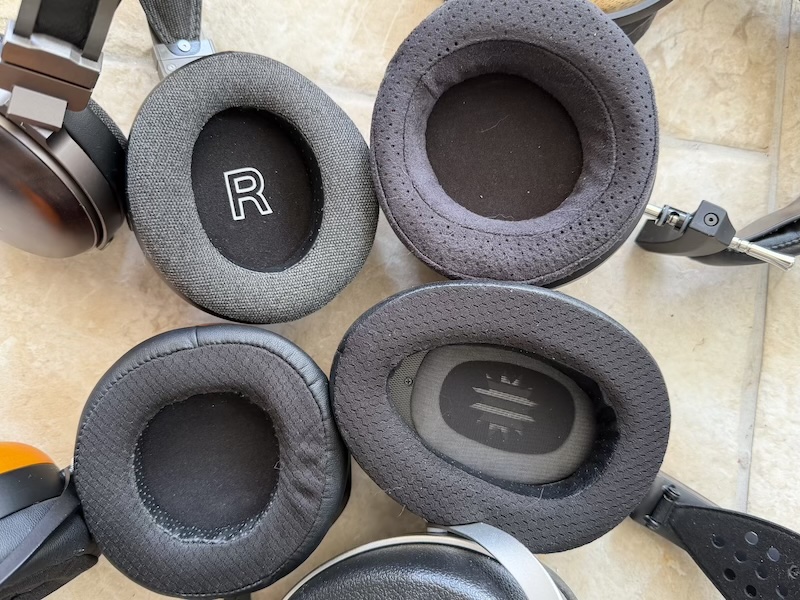
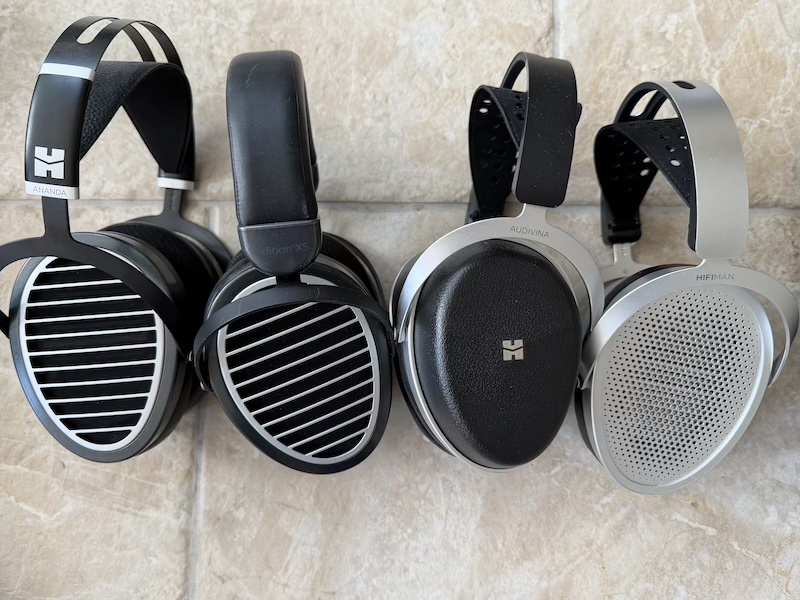
A broader group shot showing earpad shapes and earcup geometry across the Hifiman egg-shaped family and comparison headphones gives useful context for the Audivana LE’s physical design:
 |
 |
Specifications
| Specification | Value |
|---|---|
| Driver Type | Planar Magnetic |
| Frequency Response | 5Hz – 55kHz |
| Impedance | 20Ω |
| Sensitivity | 96dB |
| Weight | 449g |
| Cables included | 3.5mm 1.5m, 6.35mm 3m, XLR balanced 3m |
| Accessories | Headphone travel bag |
Measurements
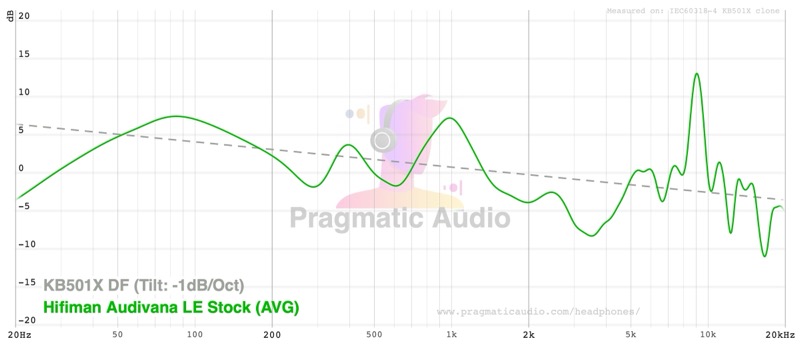
The stock frequency response shows the characteristic that becomes apparent in listening — a midrange that is uneven compared to the open-back siblings, with elevated energy in certain regions that produces the shoutiness and boominess described in the sound section:
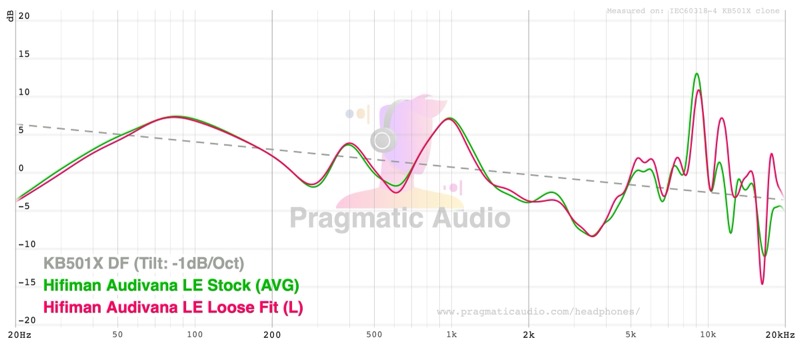
With a loose fit, the low-end response becomes even more elevated — showing how sensitive the Audivana LE’s bass is to seal quality and pad contact:
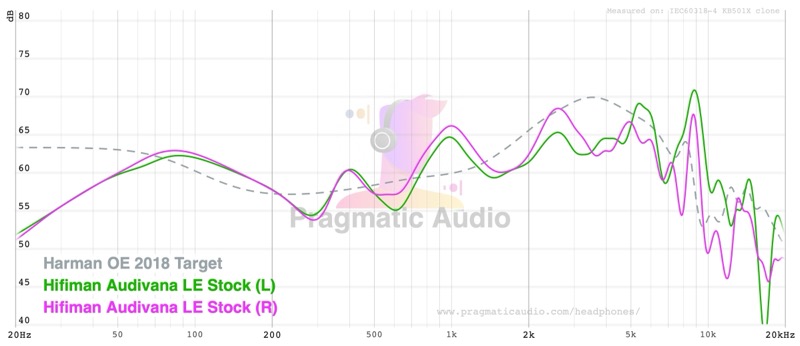
Against the Harman OE 2018 target, the Audivana LE’s bass elevation and midrange unevenness are clearly visible. The deviation from the target in the midrange region is precisely the area that makes the headphone difficult to EQ effectively:
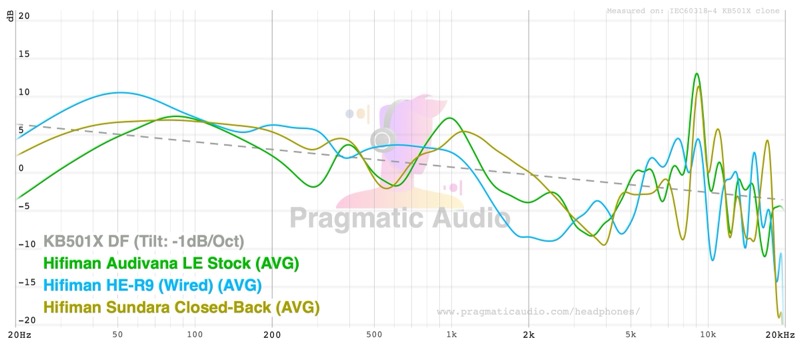
A comparison with the HE-R9 and Sundara on the KB501X target shows how the Audivana LE relates to other Hifiman closed and open-back designs in the same measurement context:
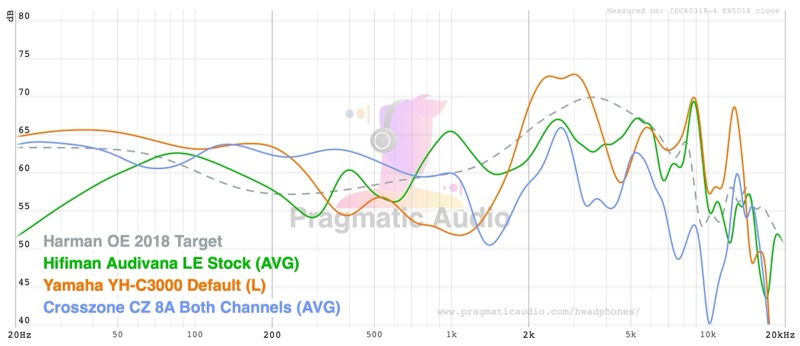
Against the Harman target alongside the Yamaha and Crosszone CZ12 — two other headphones that chase a wider-than-typical spatial presentation — the Audivana LE’s tuning profile sits in interesting company:
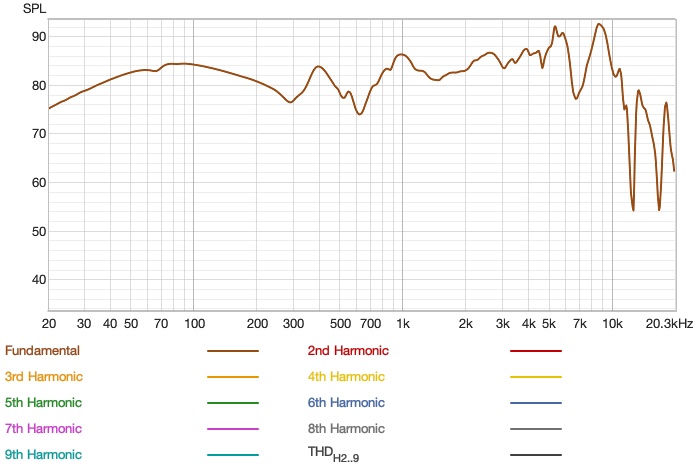
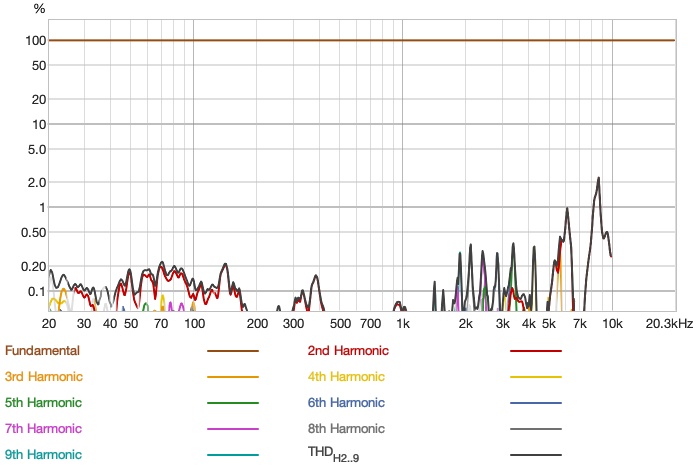
Distortion is measured clean, which speaks well of the driver hardware itself — the issues with the Audivana LE are in the tuning and the acoustic interaction of the closed-back cavity with the planar driver, not in any fundamental driver quality problem:
 |
 |
Rating Explanation
The Pragmatic Rating of 3 reflects a headphone that is technically competent and conceptually interesting but does not deliver on its core promise for most listeners. The attempt to create an open soundstage from a closed-back design using the large egg-shaped earcup volume is genuinely creative, and the Audivana LE does produce a wider soundstage than most closed-backs at this price — but the cost in tonal accuracy, midrange evenness, and treble composure is significant. Better-sounding closed-backs exist at the same or lower price.
The Price Rating of 3 reflects the honest competitive landscape. The FiiO FT1 and FT13 deliver considerably more tonal coherence for less money. The Meze Audio 99 Classics V2 and ZMF Bokeh Closed offer better overall closed-back performance at similar or higher prices with more consistent midrange character. The Audivana LE is priced at a level where competition is fierce and the sonic compromise is harder to accept — though it is worth noting that compared to the original Audivana’s launch pricing, the LE represents a meaningful reduction. The Features Rating of 5 is entirely deserved: three cables, a carry bag, and the egg-shaped earcup comfort package make this the best-accessorised headphone in the review group by a wide margin. The Measurements Rating of 3 reflects the driver’s clean distortion figures offset by a frequency response that deviates from neutral in ways that are difficult to EQ and audible in practice.
Conclusion
Every friend group has that one person who is genuinely different from the rest — who does not quite fit the pattern of the others, who creates interesting conversations by virtue of their contrast, and who you enjoy having around even when they are not the first choice for a given situation. The Audivana LE is that headphone in this group. Alongside the HE600, Edition XV, and Ananda Unveiled — three open-back planars with mature, excellent tuning — the Audivana LE stands apart as a closed-back experiment that reveals, by contrast, how well the others are tuned.
Hifiman is clearly trying something here — pushing the egg-shaped earcup concept toward a space where a closed-back headphone can achieve something approaching open-back staging. It is a worthwhile experiment, and I would not be surprised to see a future iteration improve on what the LE started. For now, the accessories package is exemplary, the comfort is real, and the headphone is best appreciated for what it reveals about the design concept rather than as a first-choice closed-back recommendation. If you already have a collection and want to add something genuinely different to the rotation — particularly if you are interested in how the closed-back form factor interacts with planar driver technology — the Audivana LE is an interesting headphone to own. For everyone else, the Edition XV at the same price is the more pragmatic choice.