Hifiman HE600
The ‘special one’ — Hifiman’s new mid-fi benchmark
Hifiman shared all four of their recent midrange headphones — the HE600, Edition XV, Ananda Unveiled, and Audivana LE and over the past few months they have become favourites in my listening setup:
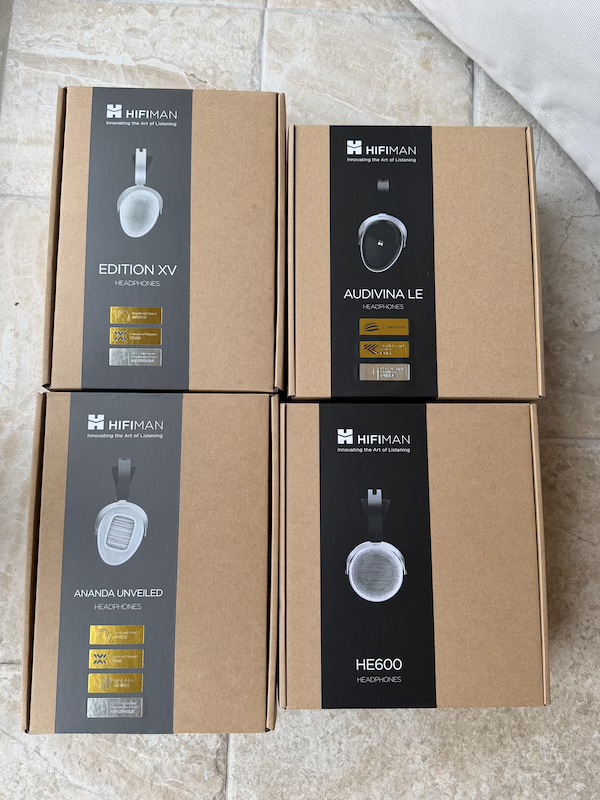
All four have had a permanent spot within arm’s reach, rotating through regular listening sessions in a way that is much closer to how I actually use headphones than a two-week review window ever allows. I have genuinely enjoyed getting to know them at this pace, but I must apologise to Hifiman for taking so long to get these reviews finished.
Living with a group of headphones this long, you end up giving them names. For the HE600, I ended up calling “the special one.” I feel the treble plays that ‘game’ of being interesting but not too sibiliant between than the Edition XV and the Ananda Unveiled. Ultimately, as a fan of the Hifiman sound for many years, this was the one I kept reaching for without consciously deciding to. Whether it is as good as the legendary HE-6 is a difficult question to answer as I feel nostalgia creeps into that conversation.
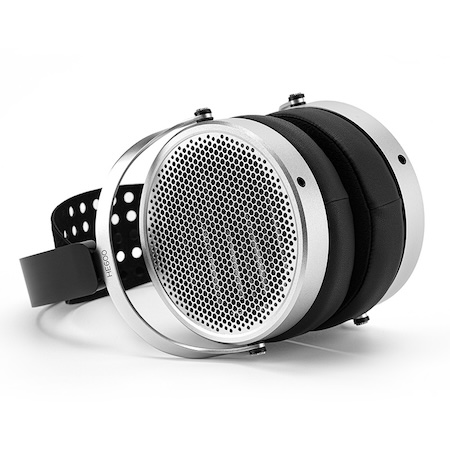
I would like to thank Hifiman for providing the HE600 as part of a four-headphone review set, alongside the Edition XV, Ananda Unveiled, and Audivana LE.
If you are interested in finding more information about this product, you can find it at the official Hifiman product page.
The user manual is also available here.
The HE600 typically retails for $799 in the US and €829.99 in Europe.
Three months of listening — on the JDS Labs Element IV, the Topping DX5 II, and occasionally straight from a MacBook Pro. I had already mentioned the HE600 in my Hedd Audio HEDDphone D1 review as the ideal planar counterpoint to that warmer, more midrange-forward dynamic driver headphone. Three months of daily use only reinforced that. These are 2 very different but also great headphones to have in a collection.
But this review is about the HE600, before I get too much into the detail’s let’s look at the unboxing experience:
Unboxing and packaging
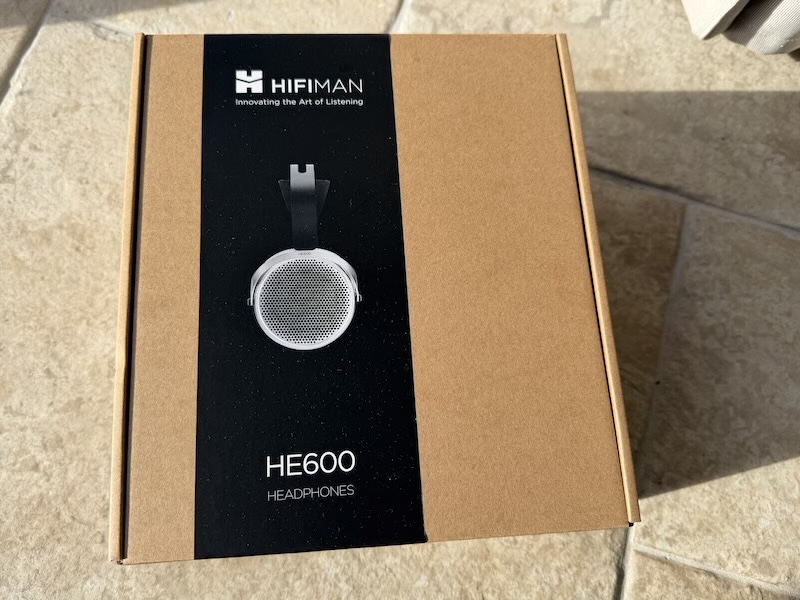
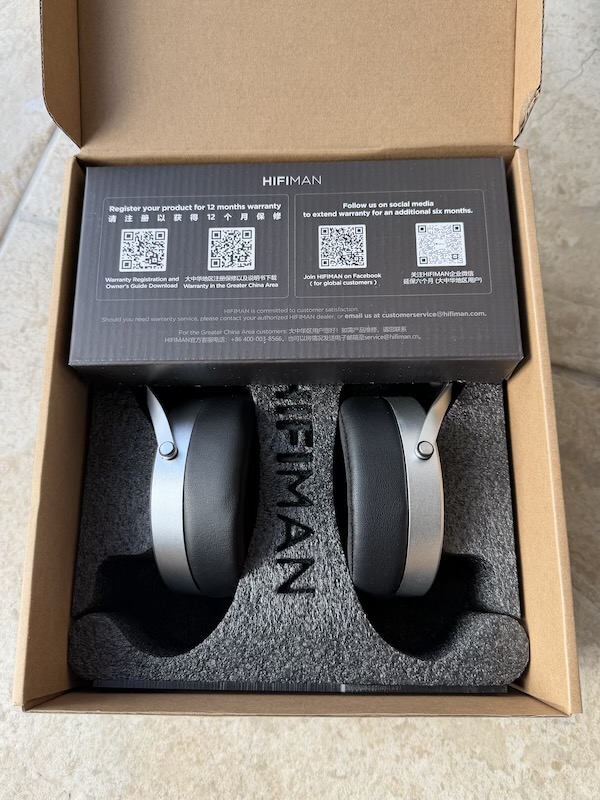
Hifiman’s packaging for the HE600 follows the same practical approach the brand has used for years.
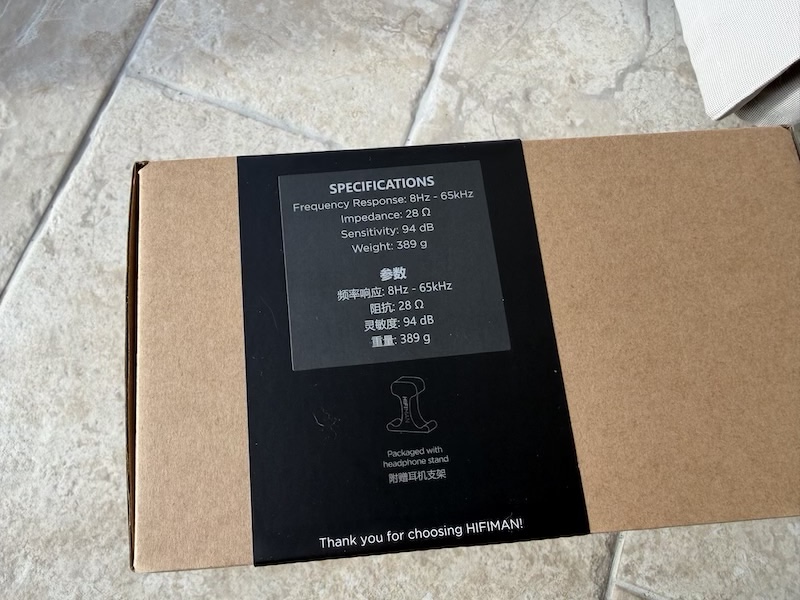
The key specifications on the side of the box, which I always appreciate over hunting for a separate spec sheet:
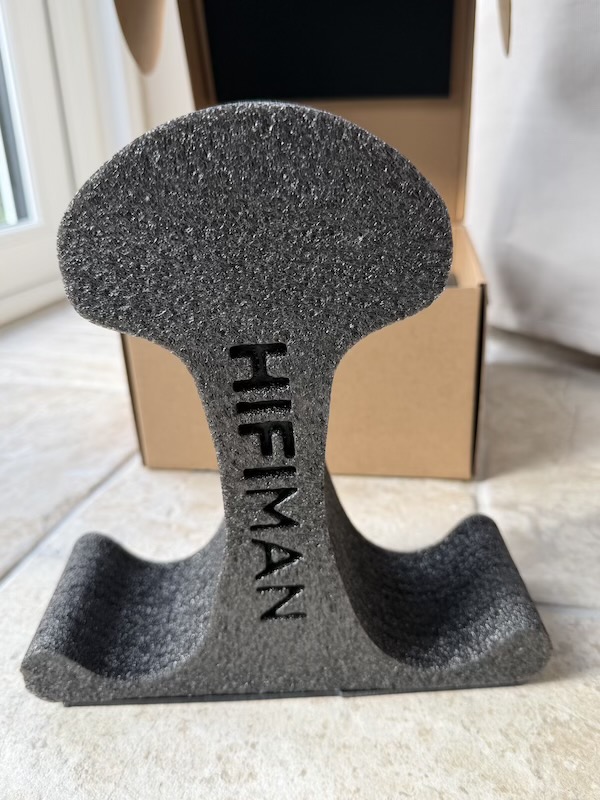
Inside, the headphones are nested in a shaped foam insert that doubles as a headphone stand once removed from the box — a small, useful detail that I kept.
 |
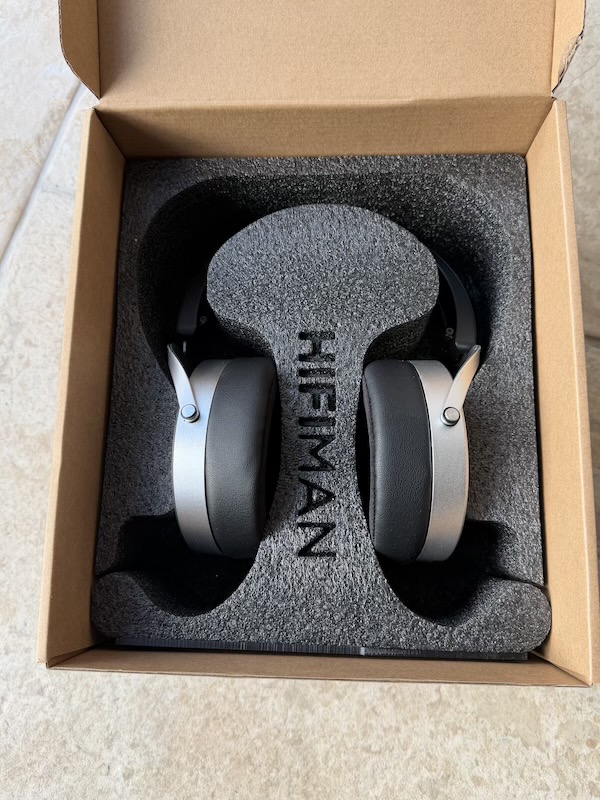 |
The contents are deliberately minimal: the HE600 itself, a 1.5m 3.5mm headphone cable, and a 3.5mm to 6.35mm adapter.
 |
|
At $799, the absence of a carry case is a mild disappointment, but the foam stand does give you somewhere to display them immediately.
The headphones sit snugly in their inserts before removal.
Once unpacked, that same foam structure flips into a stable stand:
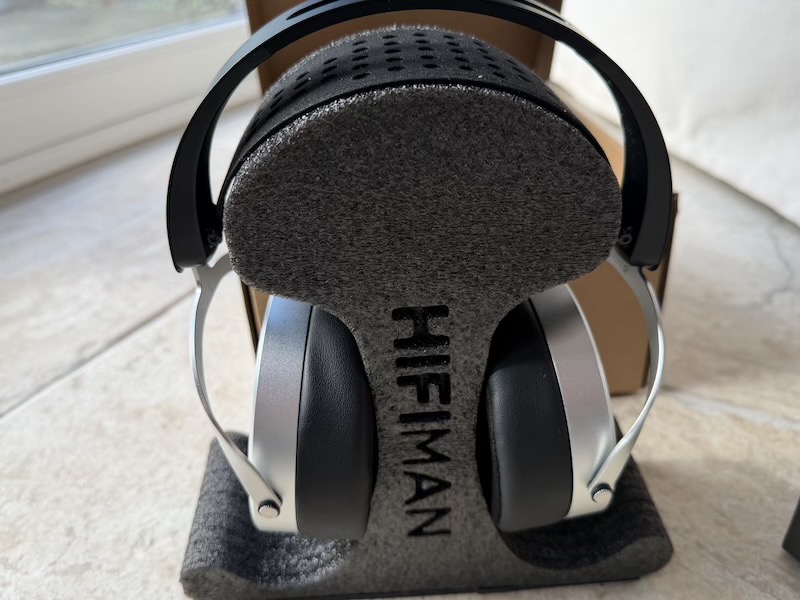
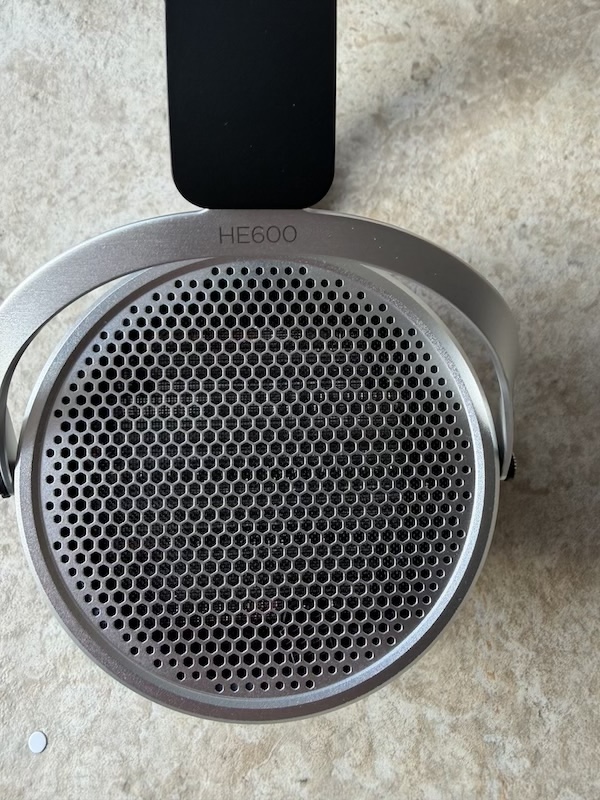
And we finally get to look at the lovely grills on the HE600:
Design, build quality, and driver technology
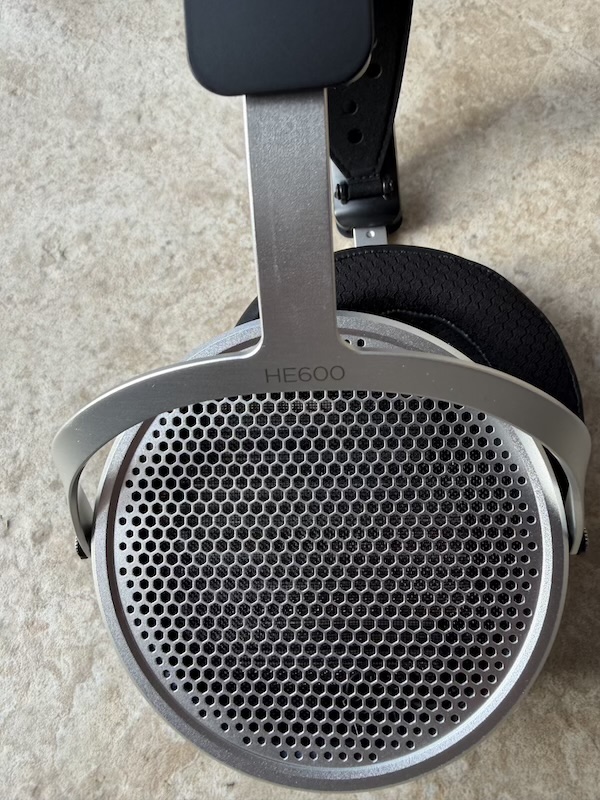
The HE600 looks good in person. The earcups follow Hifiman’s familiar egg-shaped geometry, finished with a precisely machined grille that lets the planar driver breathe freely. The grille work is consistent and tight, the materials feel solid, and up close it reads as something that has been properly engineered rather than cut to a price:
Up close, the driver grille work is worth a look:
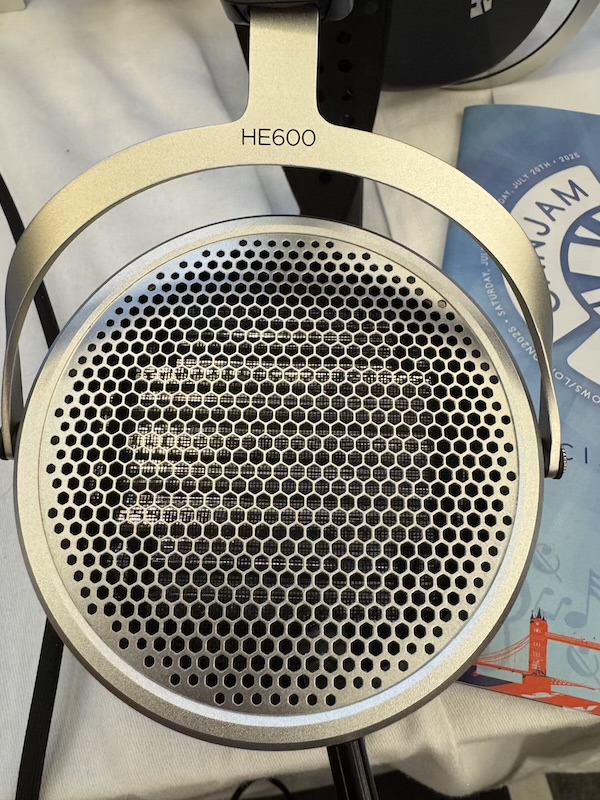
I do like how the light catches the driver underneath the grill:
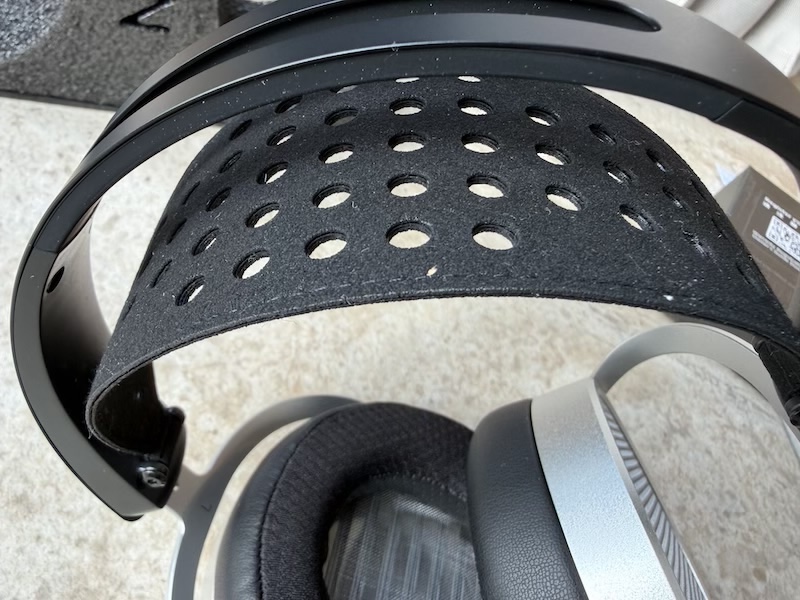
The headband mechanism is a noticeable improvement over previous Hifiman designs, moving away from the older slider-and-click system toward a smoother, more premium-feeling adjustment. The underside of the headband is perforated for ventilation and comfort during extended use:
The earcups shown together with the headband open give a good sense of the scale and geometry of the headphone:
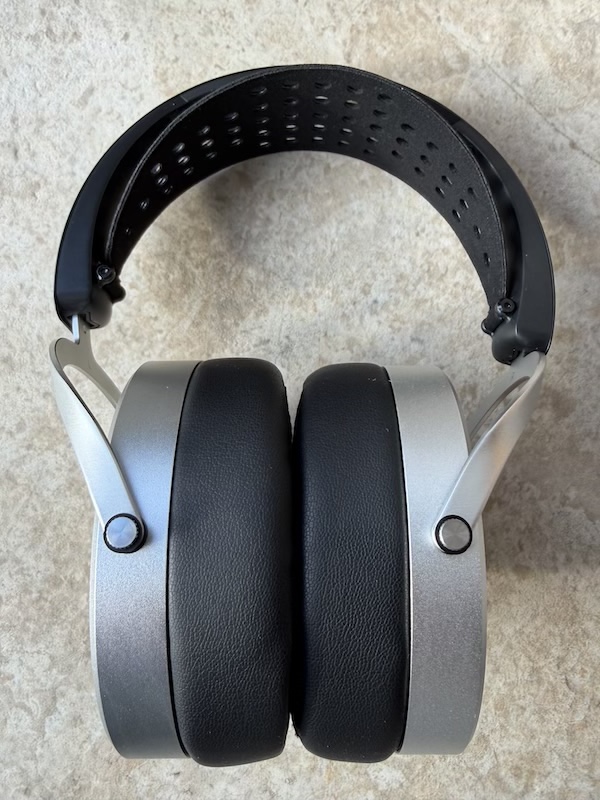
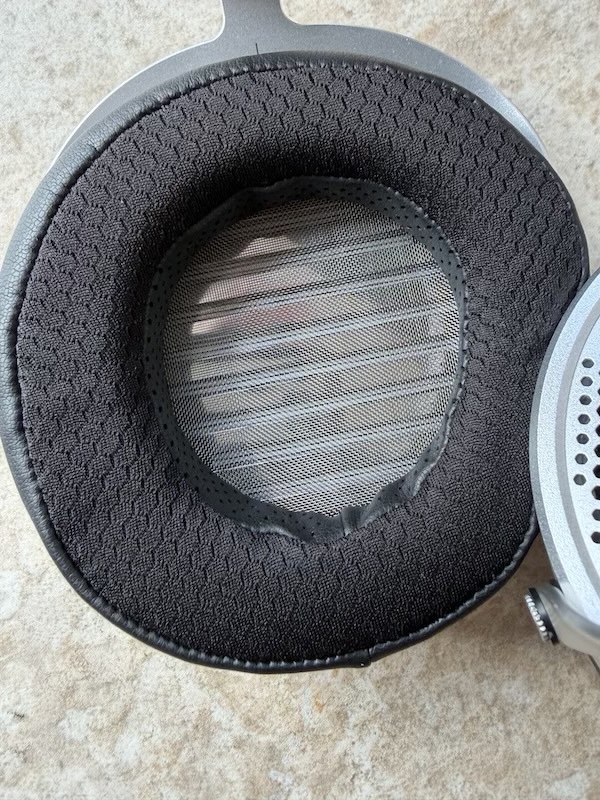
The earpads are generously sized, with good ear-to-driver clearance, and a nice material was used that helps with the
comfort:
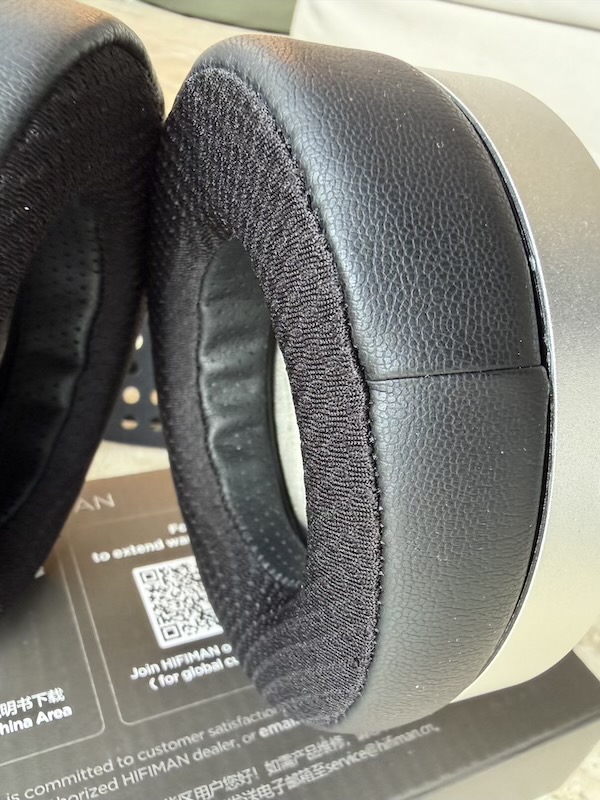
And there is a generous depth to the pads:
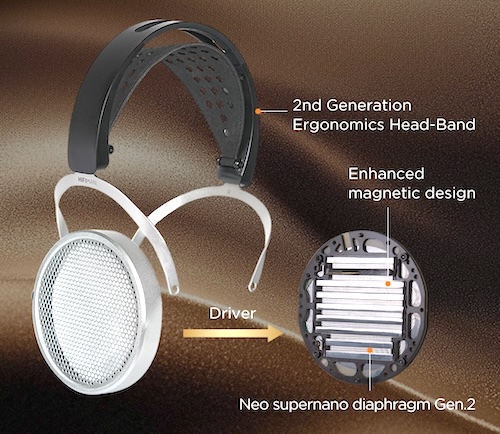
Neo Supernano Gen 2 driver
The HE600 according to Hifiman, uses their Neo Supernano Gen 2 diaphragm which is an ultra-thin planar membrane,
alongside a revised magnet system that avoids rare-earth materials.
The practical numbers: 28Ω, 94dB, which means it drives happily from most decent gear. It does scale with better equipment with a MacBook Pro it sounds great; from the JDS Labs Element IV noticeably more controlled, but it is not demanding:
Fit and comfort
The egg-shaped earcup geometry sits wide and deep enough on my head that my ears are fully enclosed with good clearance from the driver. The revised headband distributes 389g across the crown in a noticeably better way than most previous Hifiman designs — including the Sundara that this headphone replaced on my daily-use stand. The stand that the packaging foam converts into proved immediately useful and is where the HE600 lives when not on my head:
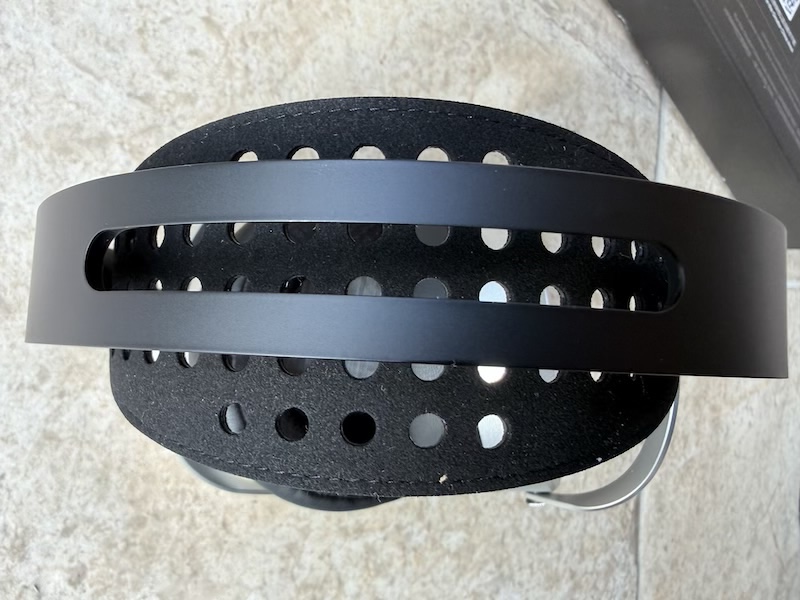
After extended daily sessions over three months, this is one of the more comfortable open-back planars I have spent serious time with.
For context, I also reviewed the Hifiman HE6SE V2, which shares the legendary HE-6 heritage. The HE600 is over 100g lighter than the HE-6 and noticeably more comfortable as a result — the weight difference is meaningful over a long session. The revised headband is a genuine upgrade over older Hifiman designs, though it is worth noting it is not as wide as a third-party solution like a Cabra strap. For listeners with very wide heads, the fit may feel snug; the stock strap can be removed and replaced with third-party alternatives if needed.
Sound impressions
All impressions below were formed with no EQ applied, using the JDS Labs Element IV and Topping DX5 II as primary sources. The HE600 was the most-used headphone of the four Hifiman units across the review period.
Bass
The bass extends deep and stays linear — no mid-bass bloom, no premature roll-off in the sub-bass. The low end is clean and texturally honest. On “Way Down Deep” by Jennifer Warnes, the upright bass lines carry real weight and definition without bleeding into the lower midrange — the kind of precise, grounded low end that demonstrates why planar bass is consistently prized over dynamic alternatives at this price tier. Listeners who want more slam can apply a gentle sub-bass shelf; the HE600 handles it without strain.
Midrange
This is among the finest midrange presentations I have heard from any Hifiman headphone. Many Hifiman designs carry a noticeable dip in the 1–2kHz region that can thin vocals and push instruments slightly behind the mix. The HE600 is meaningfully more neutral here, sitting closer in character to the Hifiman Sundara — which always had an honest midrange — but with more body and presence. Vocals sit naturally, instrumental weight is convincing, and complex arrangements resolve without congestion. On “Private Investigations” by Dire Straits, the guitar, bass, and Knopfler’s vocal each occupy a distinct space, and the interplay between them comes through with real clarity and patience.
Treble
The treble is what most clearly defines the HE600’s character within this group. There is enough upper-frequency energy to add definition and transient snap — the micro-detail retrieval is precise — while stopping short of becoming sibilant or uncomfortable on well-recorded material. On “Tamacun” by Rodrigo y Gabriela, the percussive guitar attack and string harmonics come through with real presence and excitement, each note articulated clearly without edginess. The honest caveat is this: if your listening diet includes a significant amount of 1980s recordings where the mastering was already hot in the treble, the HE600 will amplify that character. For those listeners, the Edition XV with its more relaxed upper frequencies is likely the better match, or a small high-shelf cut via PEQ will take the edge off without compromising what makes this headphone engaging.
Soundstage and imaging
The soundstage is more intimate than what the Ananda Unveiled delivers — of the four Hifiman headphones in this review cycle, the Unveiled’s open grille geometry gives it the widest, most diffuse spatial presentation, and the HE600 does not attempt to match it. Within its more focused stage, however, the imaging is excellent. Instruments sit in well-defined positions, front-to-back layering is clean and stable, and the centre image holds firm even in dense recordings. On “Hotel California” by the Eagles, the guitar intro and drum spread resolve precisely, each instrument occupying a distinct position rather than blurring into a generalised stereo image. I suspect the HE600’s elevated treble energy is part of why the imaging feels so sharp.
Comparisons
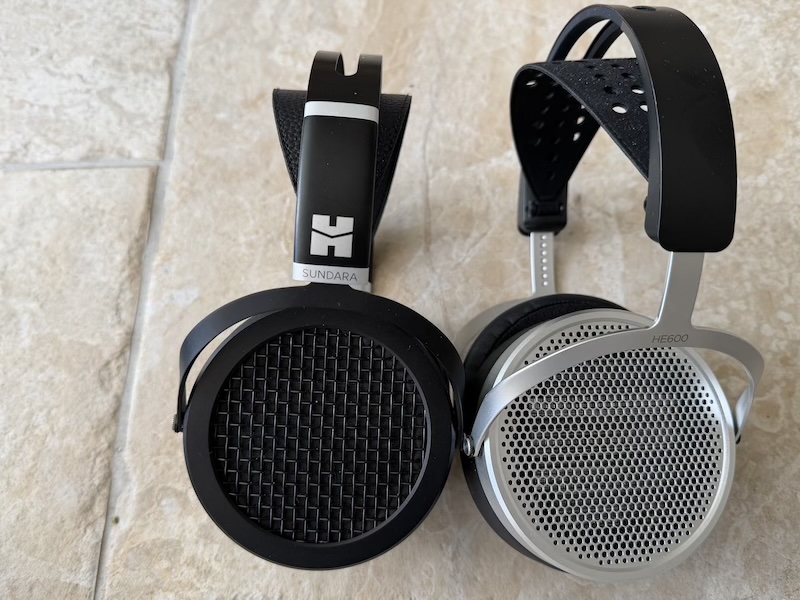
The HE600 is a natural step up from the Hifiman Sundara, which I have recommended as a mid-fi planar benchmark for several years. The HE600 improves on the Sundara in bass extension and control, treble resolution, headband comfort, and overall build quality. The Sundara remains excellent for its current price; the HE600 makes it feel like the clearly older design it now is:
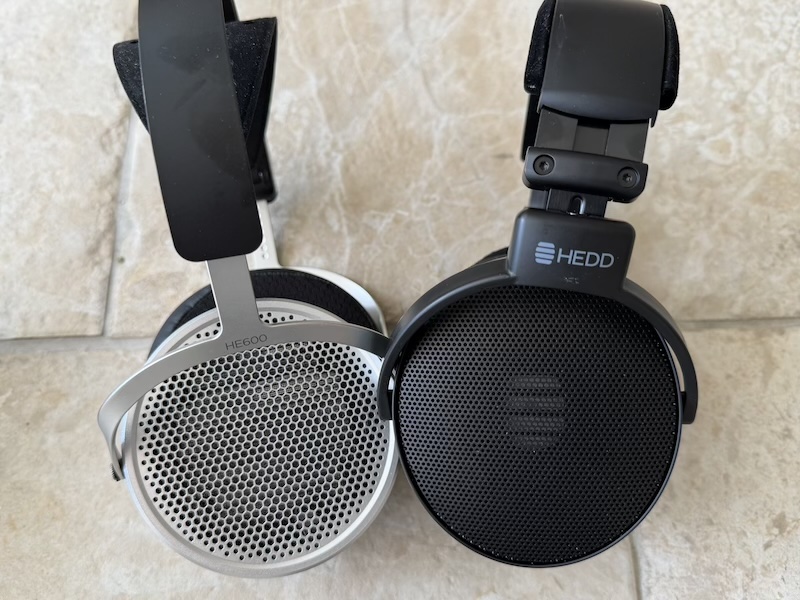
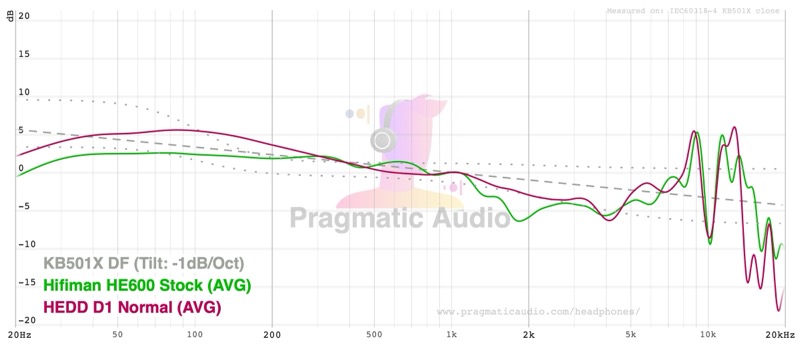
Against the Hedd Audio HEDDphone D1, the comparison is genuinely close and best understood as complementary rather than competitive. The D1 has exceptional midrange clarity and a slightly warmer mid-bass, with a safer, more relaxed treble. The HE600 is more linear in the bass and more energetic in the treble. As I wrote in the D1 review, they occupy adjacent rather than overlapping positions — a warmer, midrange-focused dynamic driver alongside a linear, technically revealing planar — and owning both makes more sense than choosing between them:
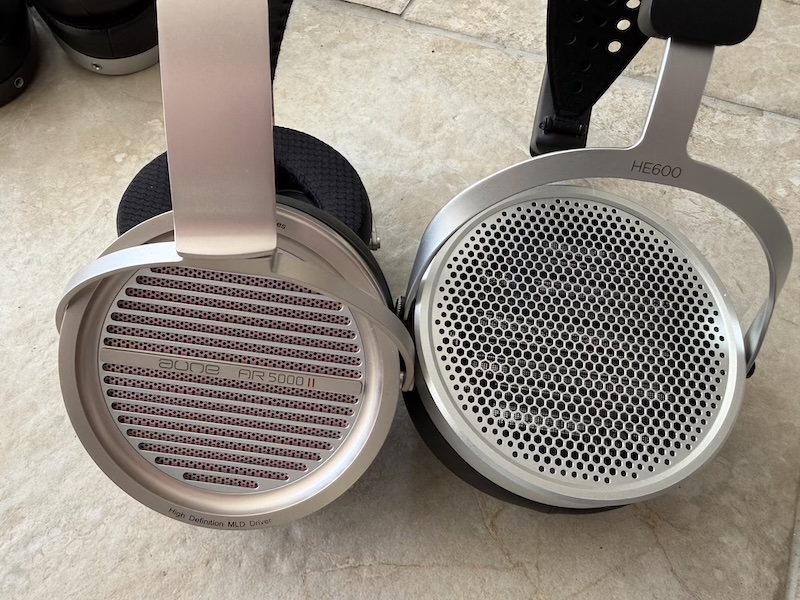
The Aune AR5000 MK2 appeared across several listening sessions as a point of comparison. It is a well-built headphone with some genuine strengths — including a more linear bass response than most dynamic drivers manage — but it is not operating at the same level as these new Hifiman planars. The circular earcup design and its reach for a spacious presentation are interesting, particularly for a closed-back dynamic driver, but direct comparison with the HE600 makes the gap in control, extension, and upper-frequency coherence clear:
 |
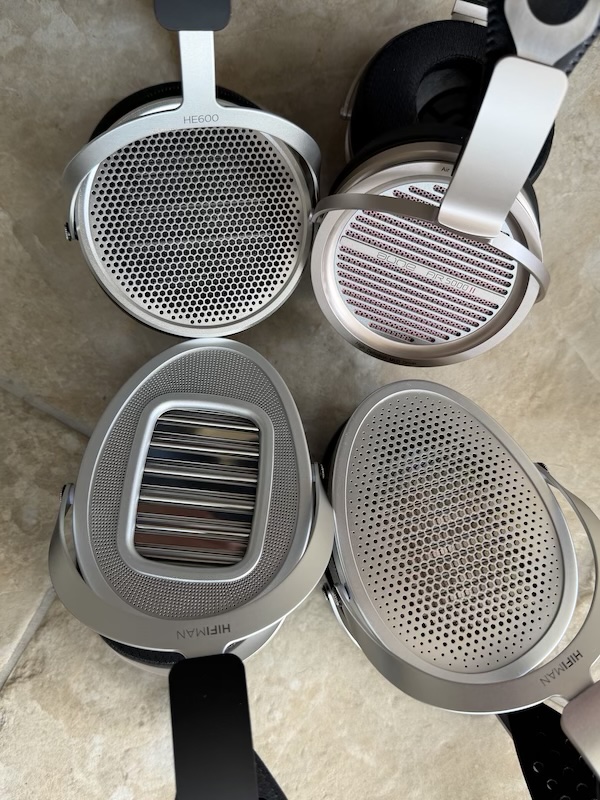 |
The second image here gives a sense of scale and company — the Aune alongside the Ananda Unveiled and Edition XV, three very different approaches to headphone design sharing the same table.
Specifications
| Specification | Value |
|---|---|
| Driver Type | Neo Supernano Gen 2 Planar Magnetic |
| Frequency Response | 8Hz – 65kHz |
| Impedance | 28Ω |
| Sensitivity | 94dB |
| Weight | 389g (13.72oz) |
| Cable | 3.5mm, 1.5m |
| Adapter | 3.5mm to 6.35mm |
The original HE-6 and the V2 are notoriously power-hungry they demand a serious amplifier to perform. The HE600 on the other hand at 94dB and 28Ω, is a different proposition entirely: easy to drive from most decent gear, and as I mentioned earlier, I used it directly from a MacBook Pro headphone jack with genuinely good results.
Measurements
Channel matching on the stock HE600 is clean and consistent — left and right tracking closely across the full frequency range with no meaningful imbalance:
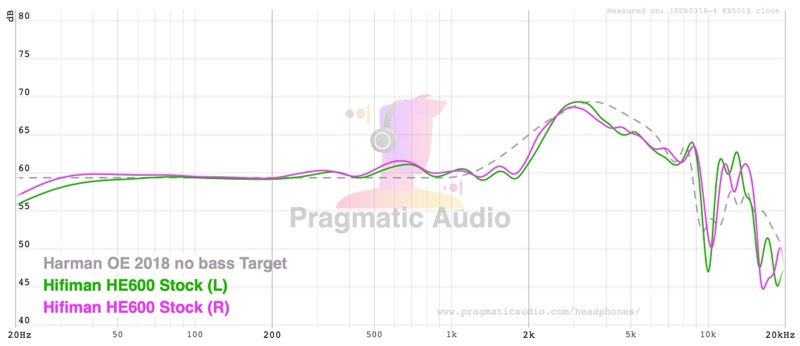
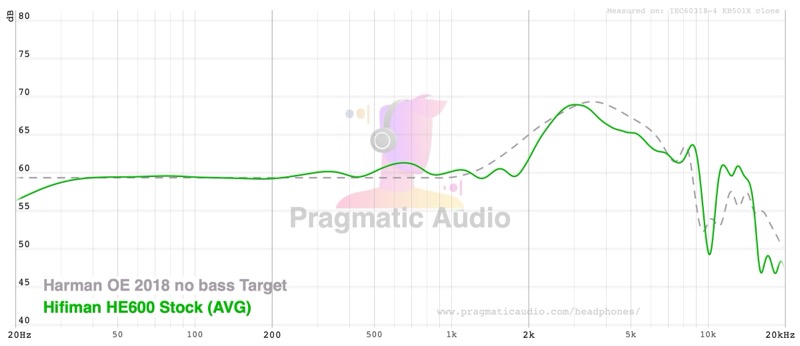
Against the Harman OE 2018 target, the HE600 shows a linear bass shelf that sits slightly below the target’s recommended bass elevation, a well-behaved midrange, and an upper treble region with more energy than the Harman curve prescribes. In practice, that extra treble energy is responsible for the headphone’s sense of resolution and sharp imaging:
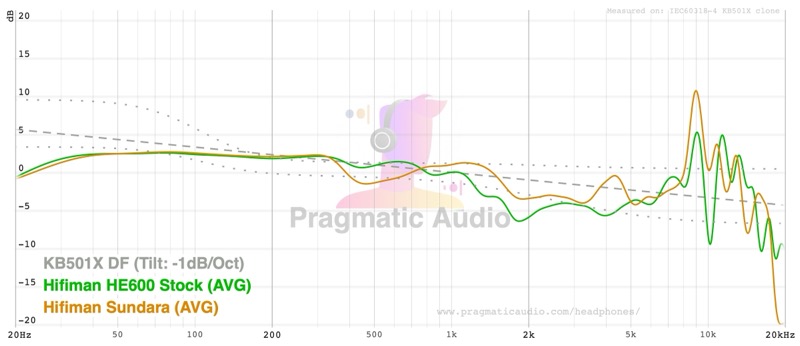
The Sundara comparison is the clearest upgrade story in these measurements. The HE600 extends lower in the bass and carries more energy in the treble region, while the midrange characters are broadly aligned — both headphones favour a neutral, non-recessed presentation in the critical vocal range:
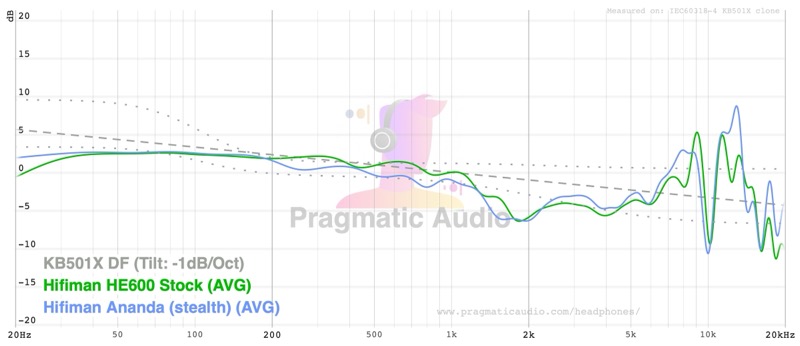
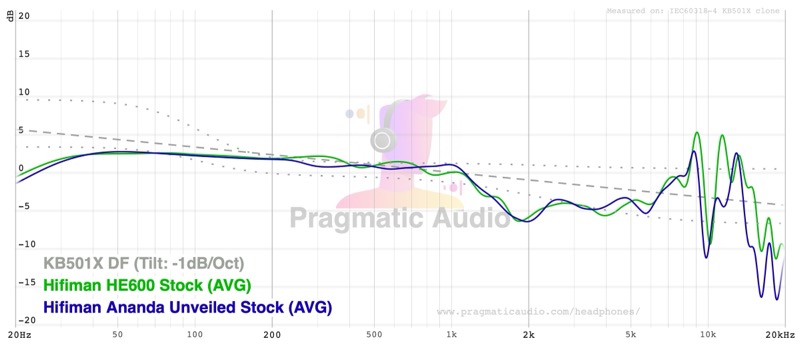
Two measurement positions against the Ananda show the consistency of the HE600’s response and the differences in treble character between the two headphones:
 |
 |
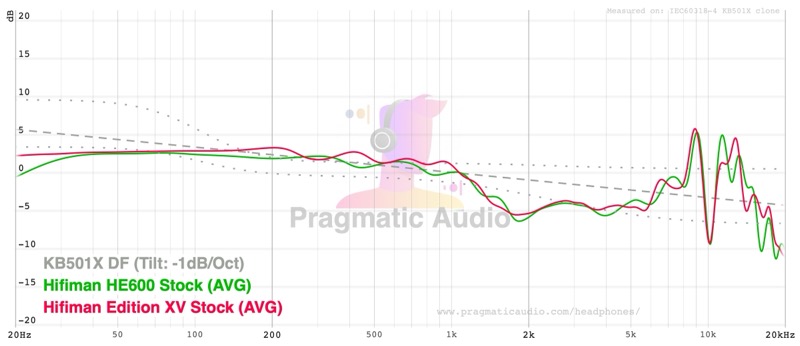
The Edition XV comparison illustrates the treble difference most clearly. The Edition XV sits softer in the upper frequencies — audible in direct listening and visible here in the measurements — which explains why it is the more forgiving choice for bright recordings:
The HEDD D1 overlay captures the complementary relationship I described in the listening section. Both headphones share a similar overall bass and midrange signature, but the D1’s warmer mid-bass and earlier treble roll-off are visible in the measurements — which supports the two-headphone framing rather than a simple winner-takes-all comparison:
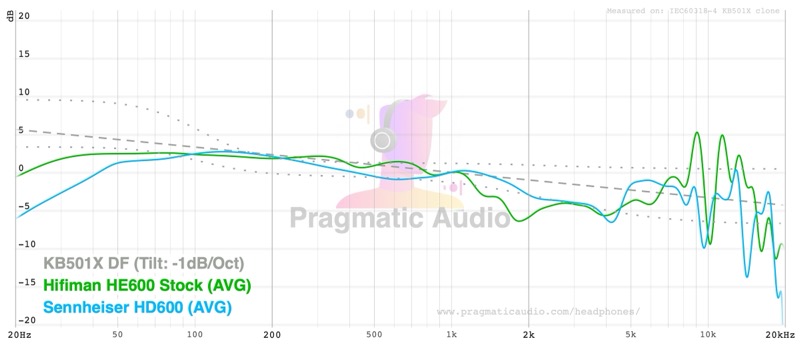
The name similarity with the Sennheiser HD600 invites comparison, and it is worth including here. The HD600 is a long-standing benchmark for neutral, accurate midrange in an open-back dynamic driver. The HE600 shares that neutral-midrange philosophy but extends bass further and carries more upper-frequency energy. The driver technology and tuning priorities are different, and the measurements show it:
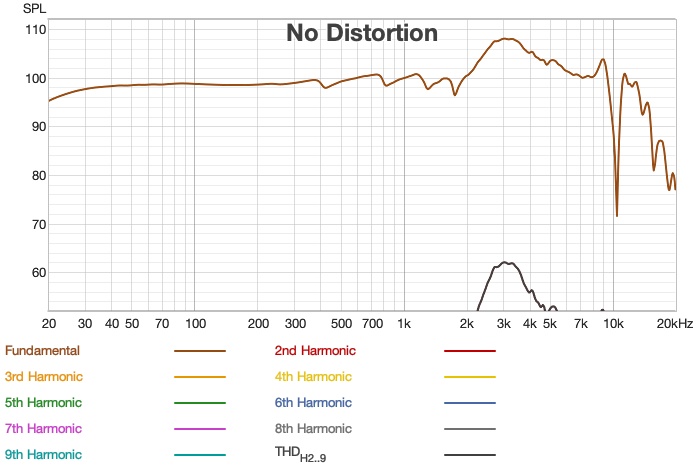
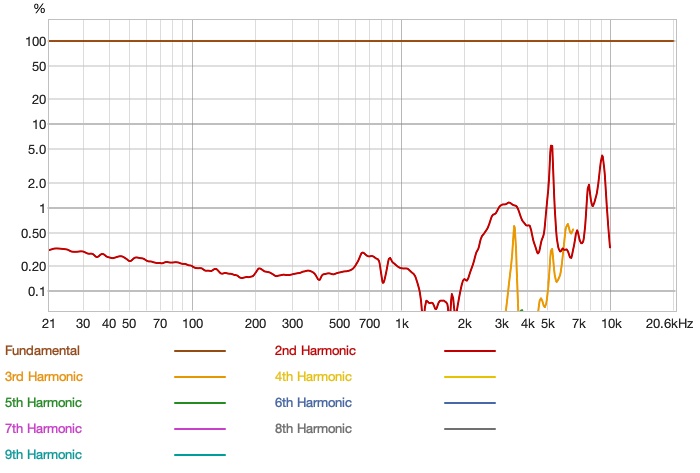
Distortion performance is clean throughout the frequency range. Both absolute and percentage distortion remain well controlled, with no problematic resonances or elevated harmonic distortion in the critical listening bands:
 |
 |
Rating explanation
The Pragmatic Rating of 5 is the most straightforward rating I have given in this group. The HE600 performs well above its price — clean distortion, excellent channel matching, a frequency response that needs no EQ correction for most listeners, and a midrange that outclasses almost everything at or near $799. I also reviewed the Hifiman HE6SE V2, last year, which, of course, has somewhat of a legendary heritage. In my opinion, HE600 surpasses it, but I would also say this might be thought of a Sundara ‘Pro’ and I feel justifies the price.
The sound profile also differs from the original HE-6, which was more energetic and forward in the treble. The HE600 is considerably smoother overall — the treble is refined rather than aggressive. This is consistent with the new tuning direction Hifiman has taken across this generation, which is equally evident in the Edition XV and the Unveiled series. It is a more mature, more broadly listenable presentation than the HE-6 family delivered.
The Price Rating of 4 is because $799 is not cheap, and the accessories are poor, e.g. there is no carry case in the box. The Edition XV at $399 with a modest treble boost via EQ can approximate the HE600’s sound closely enough that some listeners will reasonably question the upgrade. If you are one of those listeners comfortable using some PEQ, get the Edition XV. If the HE600’s natural treble character is the thing you specifically want, there is no cheaper way to get it.
The Features Rating of 4 reflects a genuinely improved headband and real driver engineering investment, alongside a cable that is functional and nothing more. The Measurements Rating of 5 is deserved: linear bass, neutral midrange, well-controlled treble, clean distortion throughout, and tight left/right channel matching.
Conclusion
José Mourinho called himself “the special one” when he arrived at Chelsea in 2004. It was confident, and ultimately impossible to argue with. The HE600 earns the same title in this group — not because it dominates every single metric, but because when you reach for it, it delivers. It is more precise than the Edition XV where precision matters, more revealing than the Sundara it replaces. Against warmer headphones like the HEDD D1 it is a complement rather than a competitor.
The Sundara was the headphone I recommended as the Hifiman for people wanting a neutral sound but with smaller heads. The HE600 makes that recommendation obsolete for anyone who can stretch the budget. Of the seven or eight headphones I keep out in my listening space, there are usually two or three Hifiman among them. The HE600 now has one of those permanent spots. The Sundara goes back in its box.