Cozoy D2
A lovely midrange presentation for a very pragmatically priced IEM
I reviewed the Cozoy D1 earlier this year and liked it. The D2 comes with a dual dynamic driver configuration, is better than its predecessor in most departments, and has an interesting and slightly unusual tuning for an IEM in this price range.
The two drivers are a 6mm beryllium diaphragm and a 10mm graphene composite, and the way Cozoy have divided the work between them is not what you would expect — more on that later.
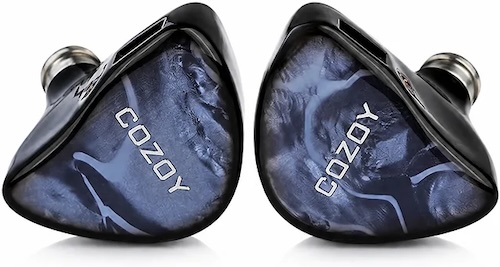
I would like to thank Cozoy for providing the D2 for the purposes of this review.
You can find more information at the official Cozoy product page, and it is also available on AliExpress.
The D2 retails for $55, and with the 10% discount currently running it comes to roughly $50.
I have been listening to the D2 for a few weeks now and I have really enjoyed the tuning. But before I get into the details of why, let’s have a look at the unboxing.
Unboxing and Accessories
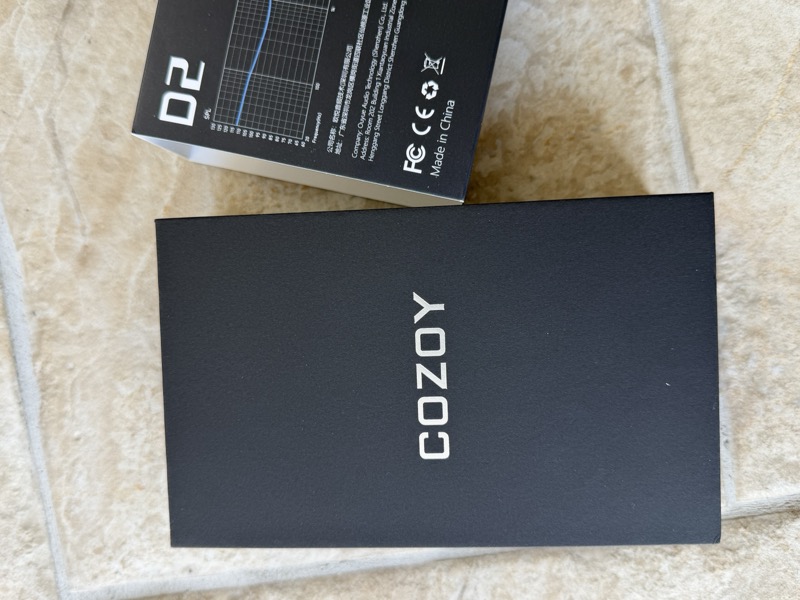
It is always good to see the frequency response printed on the back of the box:
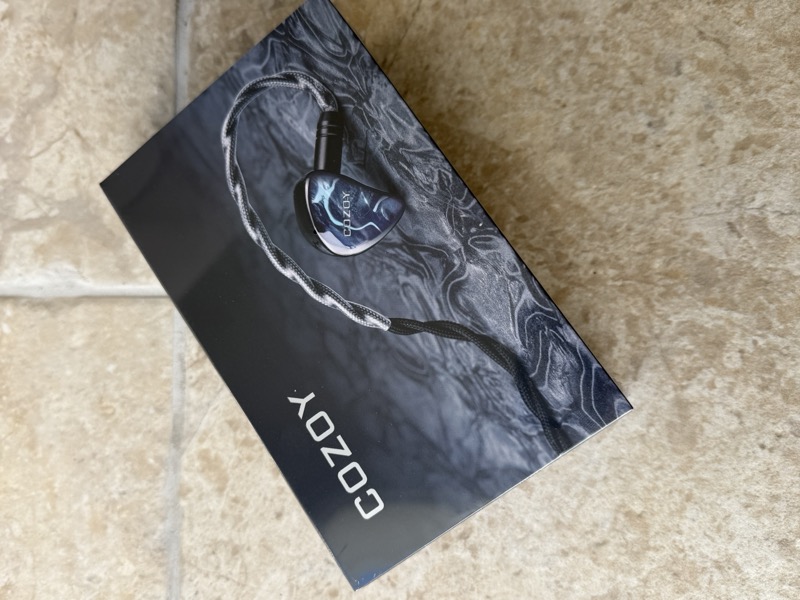 |
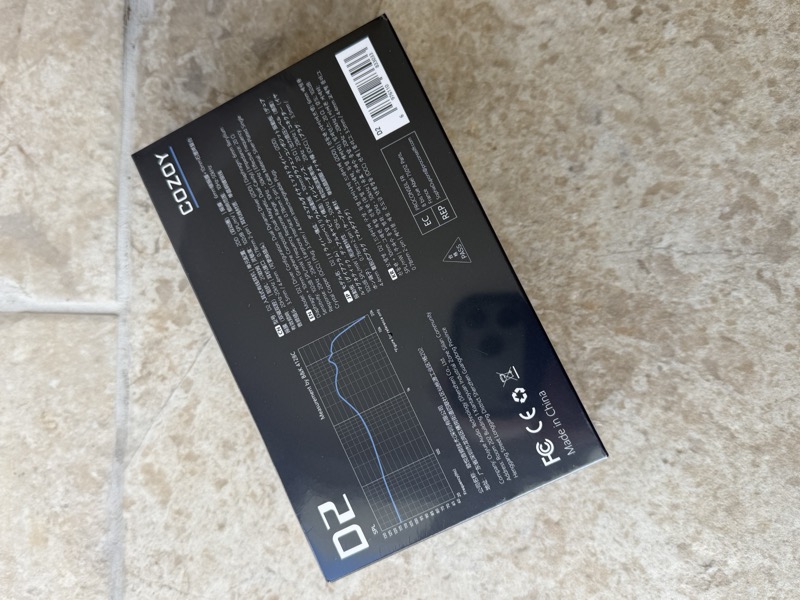 |
I like the consistent style Cozoy use across their packaging — the D1 and the D2 sit together as a family:
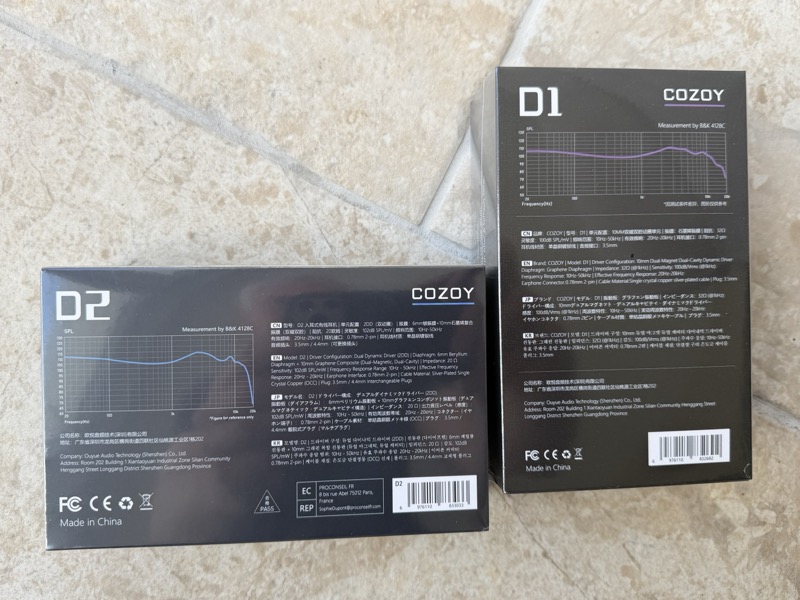
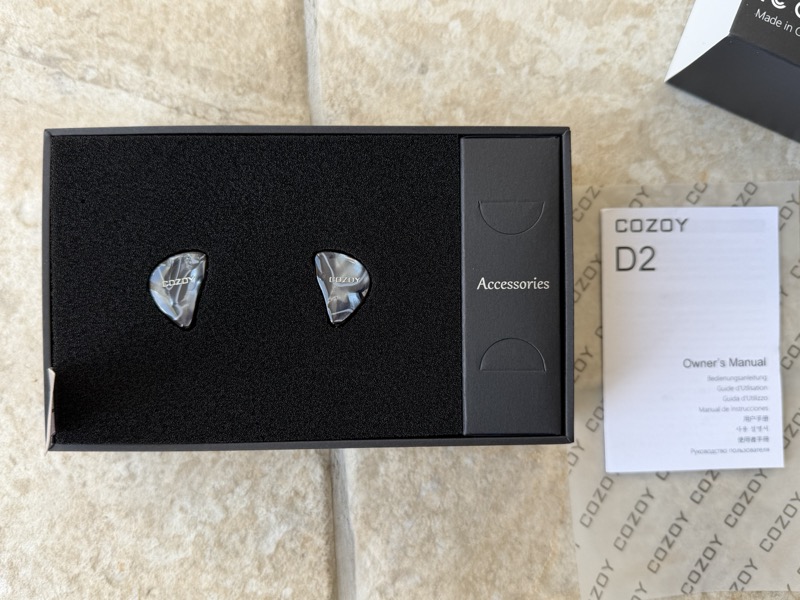
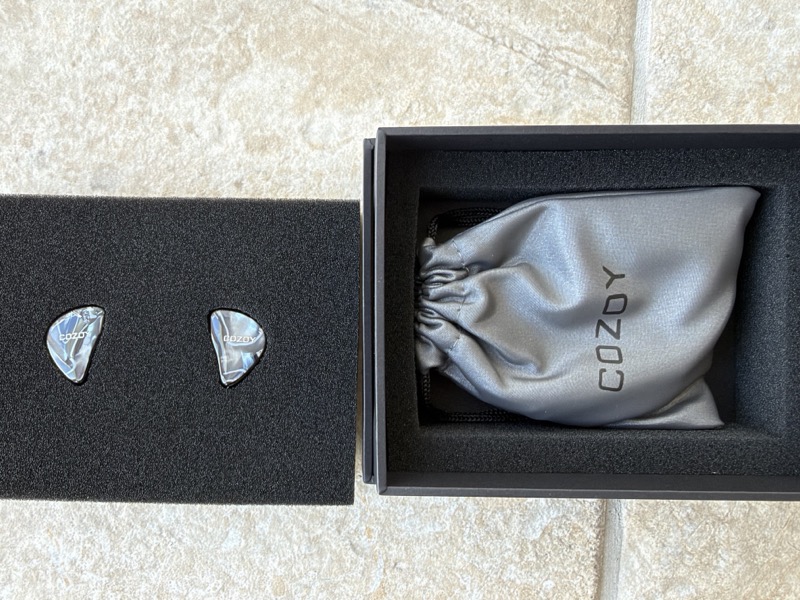
Opening it up, the IEMs sit in a foam tray with the drawstring bag underneath and an accessory box alongside:
 |
 |
 |
 |
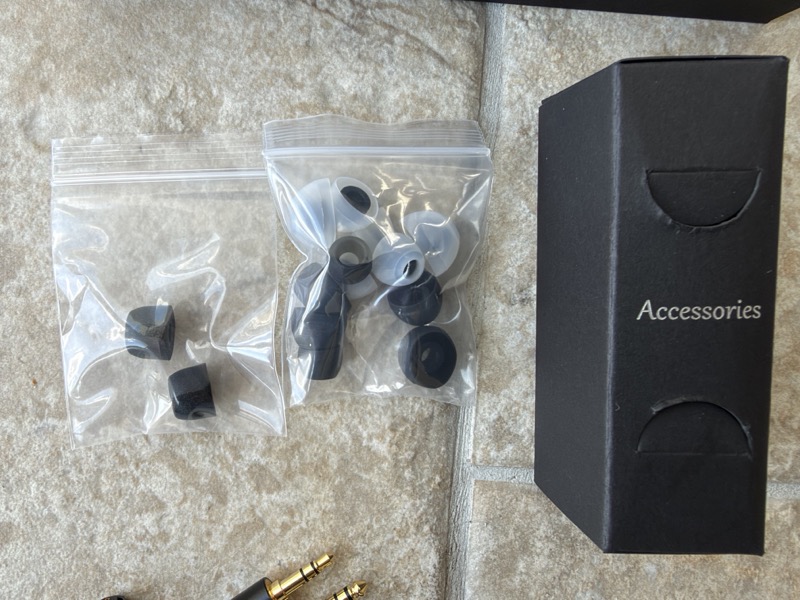
The accessory box holds the eartips, and the cable, interchangeable plug adapters and grey drawstring pouch make up the rest:
 |
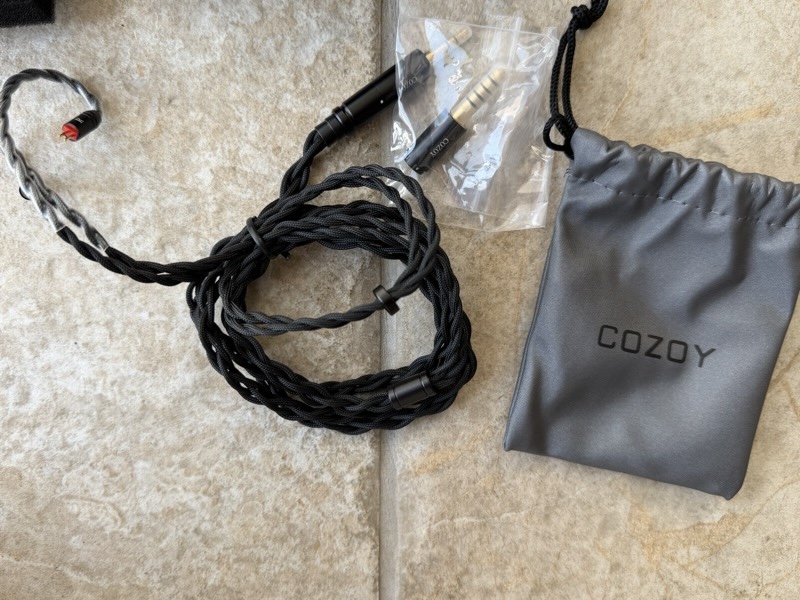 |
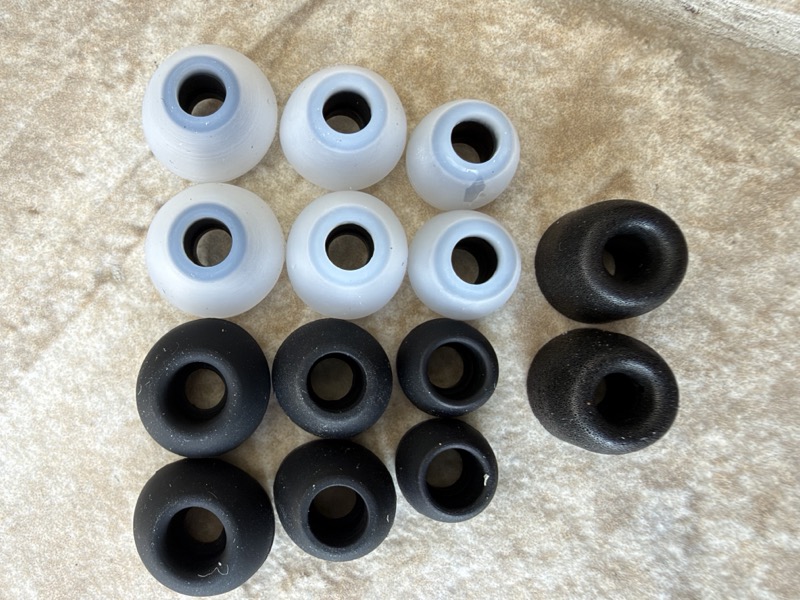
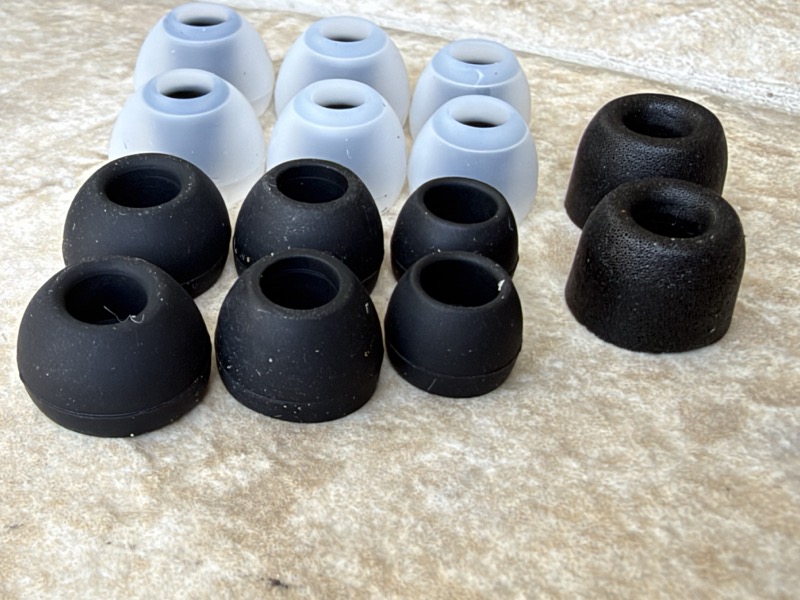
In the box: the Cozoy D2 IEMs, a silver-plated single-crystal copper cable with 0.78mm 2-pin connectors, interchangeable 3.5mm and 4.4mm plugs, a selection of silicone and foam eartips, a drawstring carry pouch and a manual.
The eartip selection is good, and the inclusion of foam tips alongside two silicone types is more than I expect at this price:
 |
 |
Build Quality and Comfort
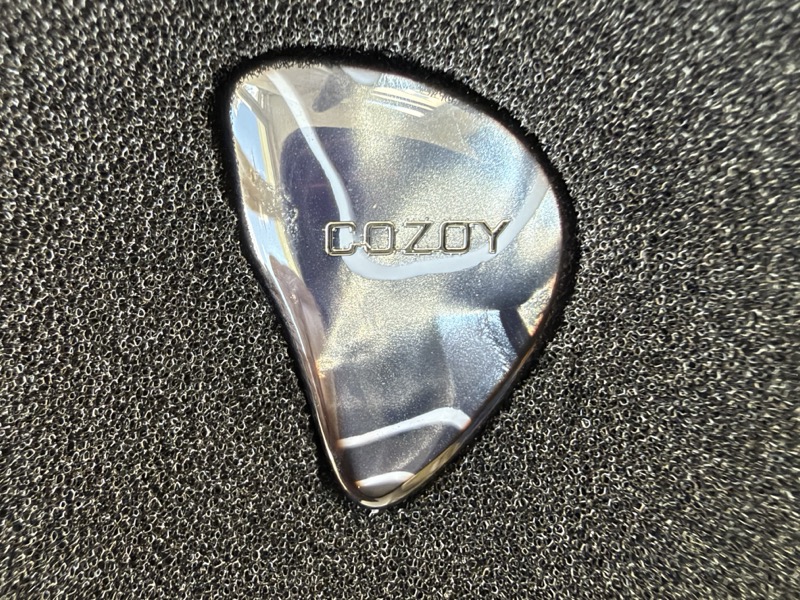
The shells are glossy black with a marbled swirl pattern under the surface. They look good and they are very comfortable, but the shell is probably the one niggle I had compared to some of the competitors in this price range. The level of quality in the $50 bracket is insane now:
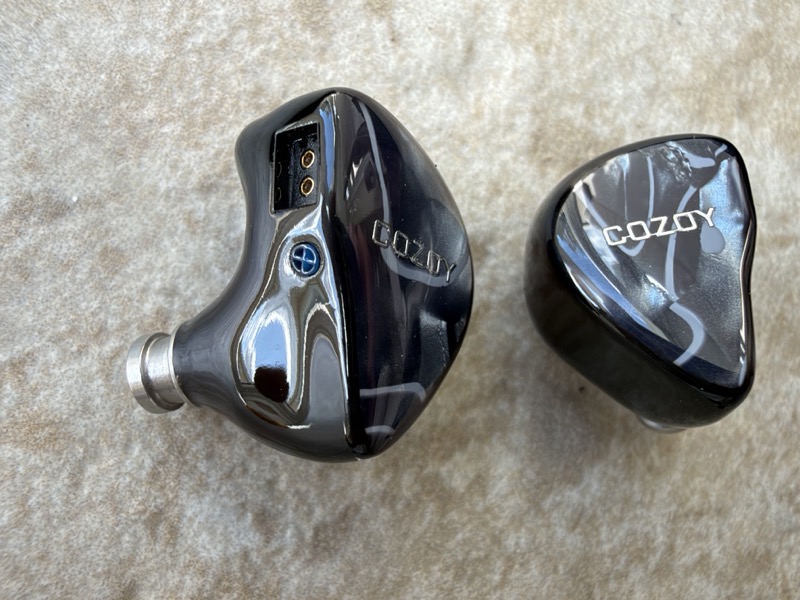
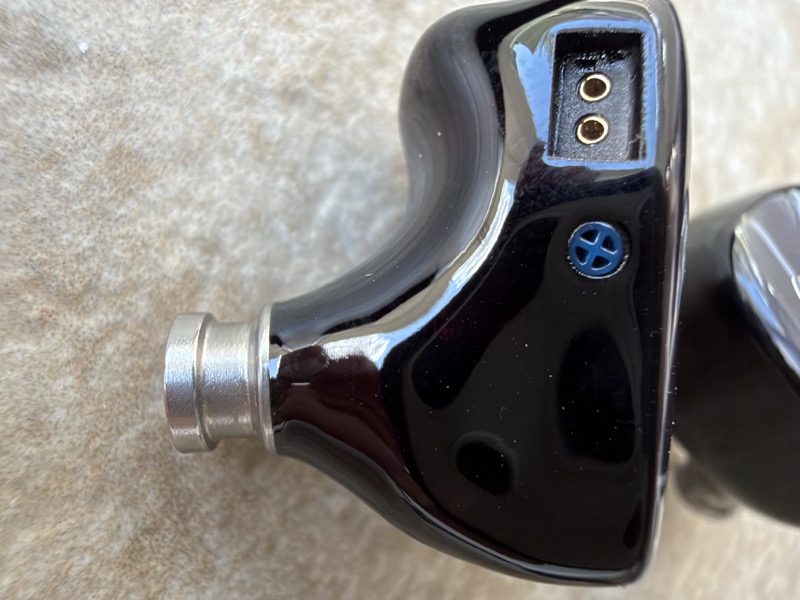
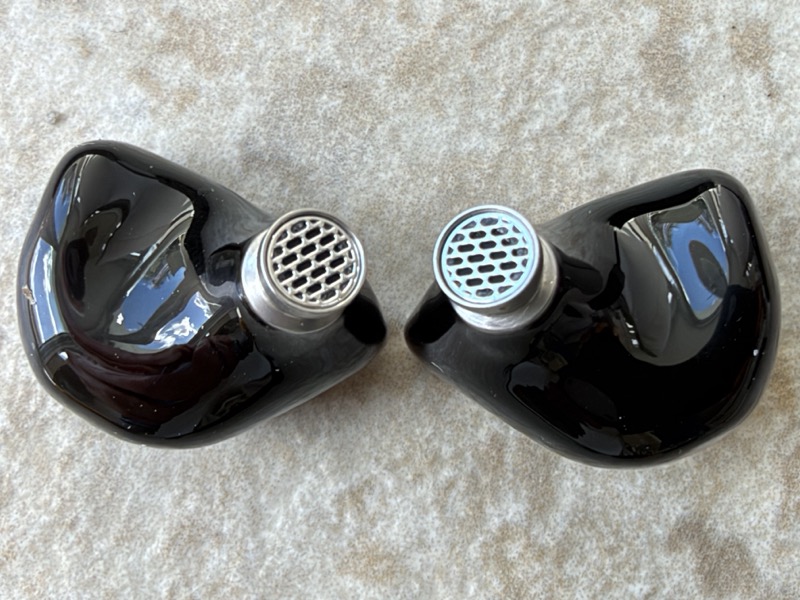
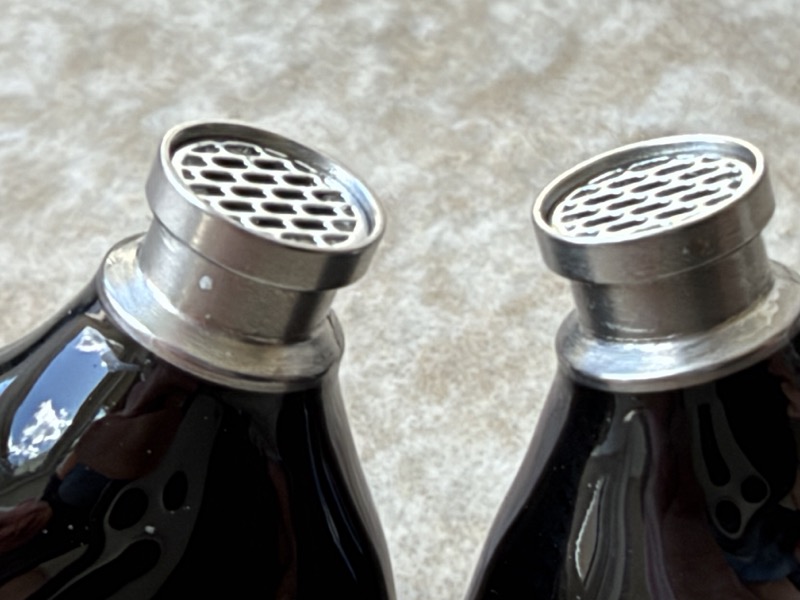
That said, the fit and finish are clean. The 2-pin sockets are recessed and flush, the nozzle is metal with a fine grille, and the venting is properly done:
 |
 |
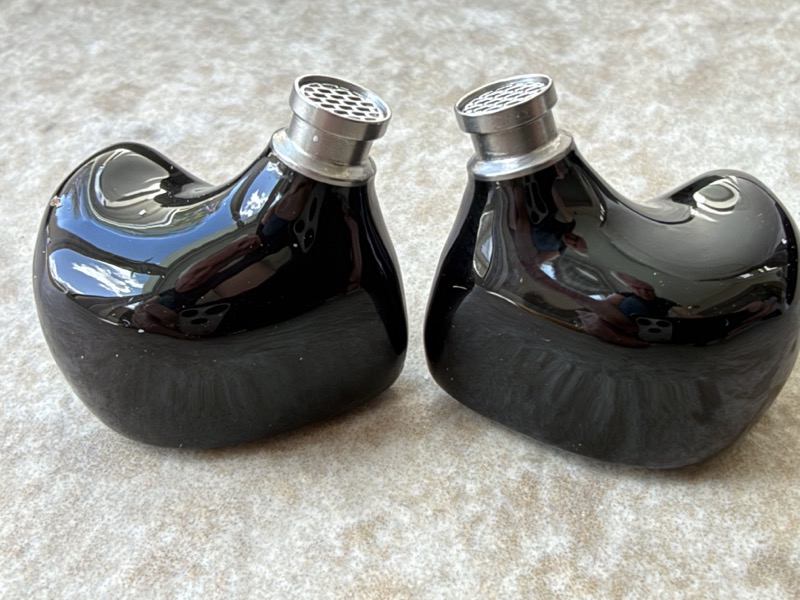
The shells are a comfortable shape and the nozzle angle works well for me:
 |
 |
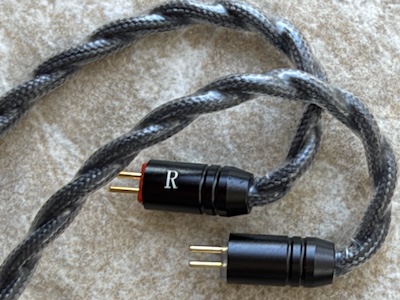
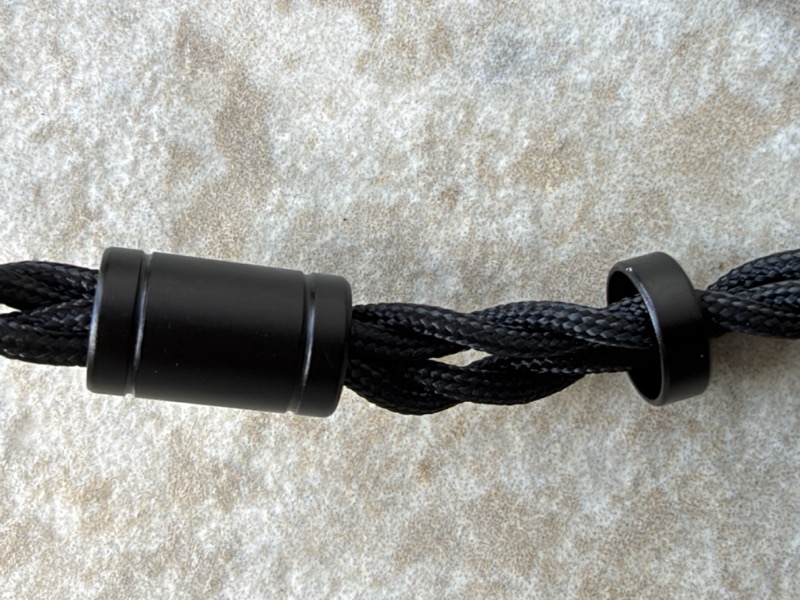
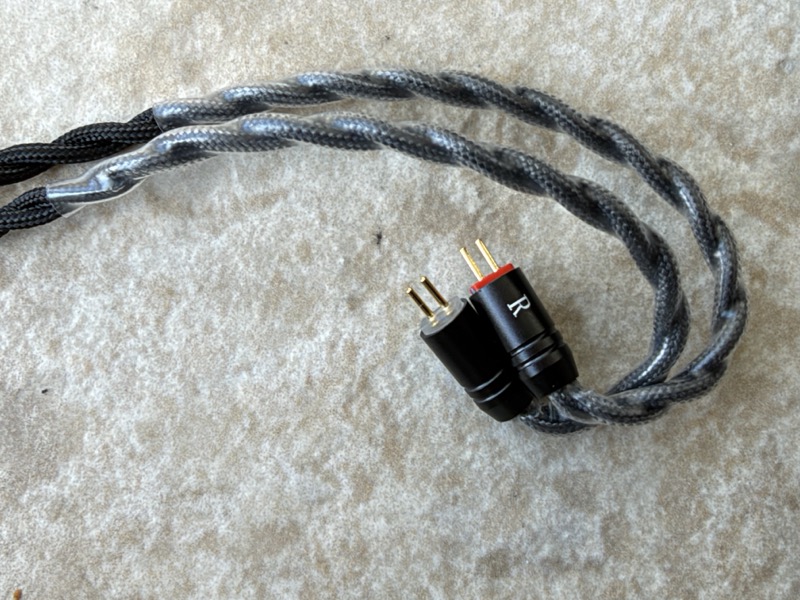
The cable is better than the price suggests. It is a silver-plated single-crystal copper braid, sculpted around the ear so it sits properly without earhooks fighting you, and it has a chin slider — a small thing that a lot of cheap cables omit:
 |
 |
 |
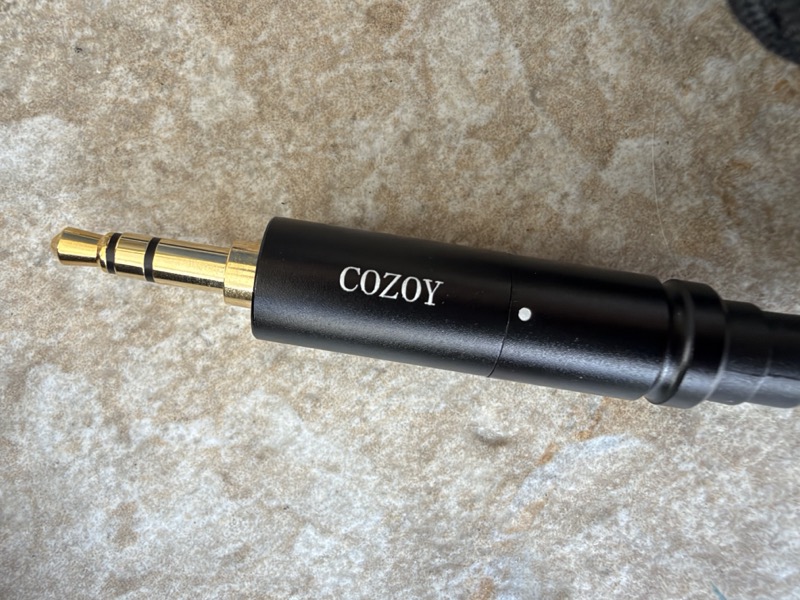 |
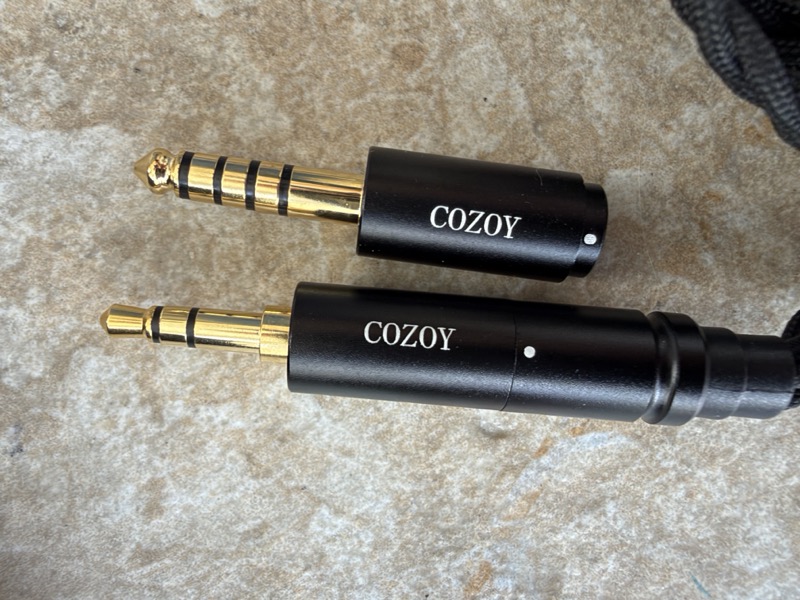
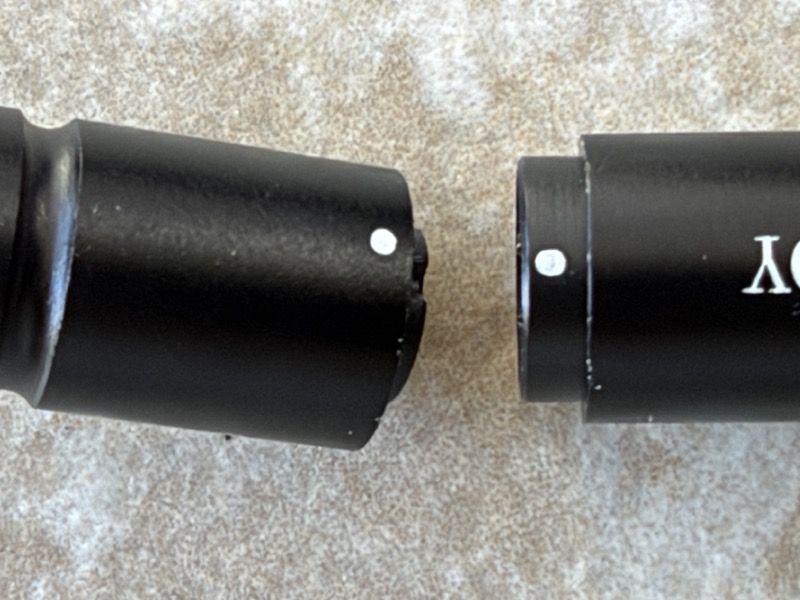
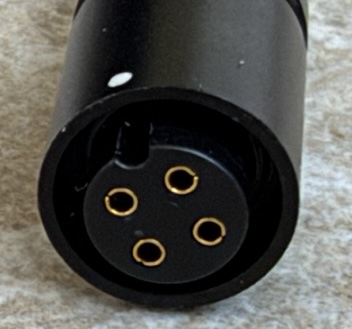
The plug is modular, with 3.5mm and 4.4mm adapters supplied. They twist on, and there are alignment dots so you can line up the pins without guessing:
 |
 |
 |
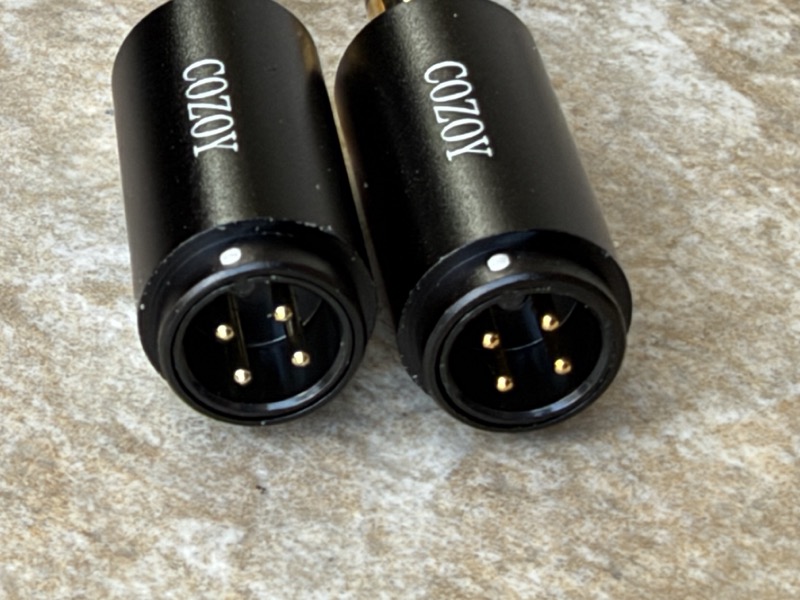 |
Getting a balanced option in the box at $50 is worth having, and the modular approach is more useful than a fixed termination if you own more than one source.
The Driver Arrangement
The D2 uses two dynamic drivers in a side-by-side layout. What I find interesting is that the 6mm beryllium driver is the dedicated bass driver, while the larger 10mm graphene composite — with its dual magnetic circuit and dual cavity — covers the full range.
A dedicated 6mm driver for the low end is not what you would expect, since the usual thinking is that the bigger driver moves the most air and so should handle the bass. Using a small, stiff beryllium diaphragm there instead reads as a bet on speed and control over sheer displacement, and it lines up with what the measurements show: bass that extends cleanly instead of bass that hits hard. Whether the beryllium is doing that or the tuning is, I cannot separate — but the result is coherent, with no audible seam where the two drivers hand over.
Sound Impressions
I listened to the D2 for a number of weeks, off and on, comparing it against some other new IEMs and some of my favourites, to get a good impression of what you can expect from it.
Midrange
The midrange is the star of the show and the reason to buy this IEM. There is a subtle vocal-forward quality to it that I normally only hear from more expensive sets, and it stops short of the shoutiness that usually comes with pushing that region. On Fast Car by Tracy Chapman the vocal sits slightly toward you without tipping into aggression, and the guitar keeps its body underneath. Acoustic material in general is where the D2 makes its case. If I had to describe the tuning in one phrase, it is sitting right on the edge of the good part of the midrange without crossing over.
Bass
The bass is linear and well extended, not boosted, and that is a deliberate choice you need to agree with. It goes down properly — there is no roll-off — but it does not add weight or push. On Limit to Your Love by James Blake the low notes arrive with the right pitch and definition and no added thump, which is exactly right if you want to hear the recording and exactly wrong if you want the recording to hit you. This is not an IEM for bass heads and no amount of tip rolling will change that.
Treble
The treble is safe without being dull, which is a harder balance than it sounds. There is no glare and nothing that made me reach for the volume, but there is enough upper-treble energy to keep things interesting — the quality that used to get called technicalities. On Chocolate Chip Trip by Tool the cymbal work has enough life to hold attention through the busy passages. A treble that is inoffensive and boring is easy to tune; this one avoids both.
Soundstage and Imaging
Imaging is the technical strength here — placement is specific and instruments hold their positions instead of drifting. On Hotel California by the Eagles the guitars are easy to locate individually. Soundstage is decent for the price bracket without being a standout; it does not sound closed-in, but it is not unusually spacious either.
Specifications and Measurements
| Specification | Value |
|---|---|
| Driver configuration | Dual dynamic (2DD), side-by-side layout |
| Low-frequency driver | 6mm beryllium diaphragm |
| Full-range driver | 10mm graphene composite, dual magnetic circuit, dual cavity |
| Impedance | 20Ω |
| Sensitivity | 102dB SPL/mW |
| Effective frequency response | 20Hz–20kHz |
| Connector | 0.78mm 2-pin |
| Cable | Silver-plated single-crystal copper (OCC) |
| Plugs | Interchangeable 3.5mm and 4.4mm |
| Microphone | None |
| Price | $55, around $50 with the current discount |
Frequency Response
My own measurement, on a clone IEC60318-4 coupler:
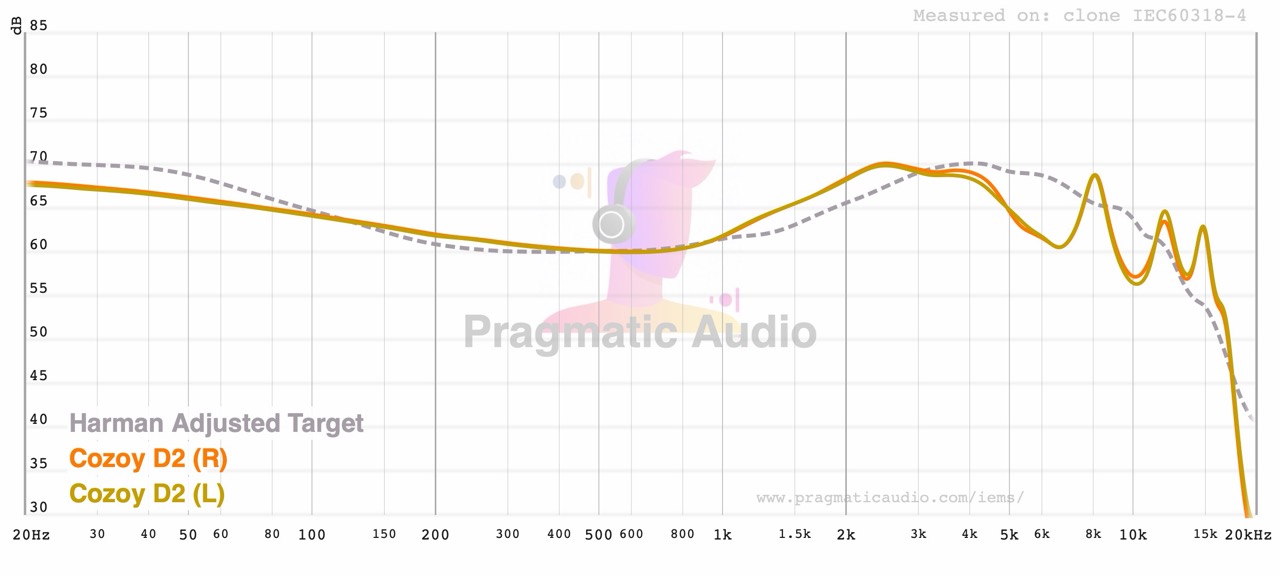
The graph explains what I heard. The bass is very linear, running essentially flat from 20Hz to 100Hz, and it sits below the Harman bass shelf — so there is none of the usual Harman mid-bass tuck either, just a clean run up into the midrange. That rise starts earlier than Harman’s does, from around 600Hz, and peaks near 2.3kHz instead of up at 3–4kHz. That shifted-down pinna gain is the midrange-forward character in graph form, and it is why vocals sit slightly toward you. Above that the treble is decently extended, never sibilant, but with enough upper-treble energy to keep things interesting.
Above 4kHz the response drops below target, which is the safe treble, and there are various peaks further up. That upper-treble energy is what stops this tuning being boring.
Channel matching is excellent, with the left and right traces almost on top of each other across the whole range.
A raw, uncompensated measurement of both channels shows how closely they track:
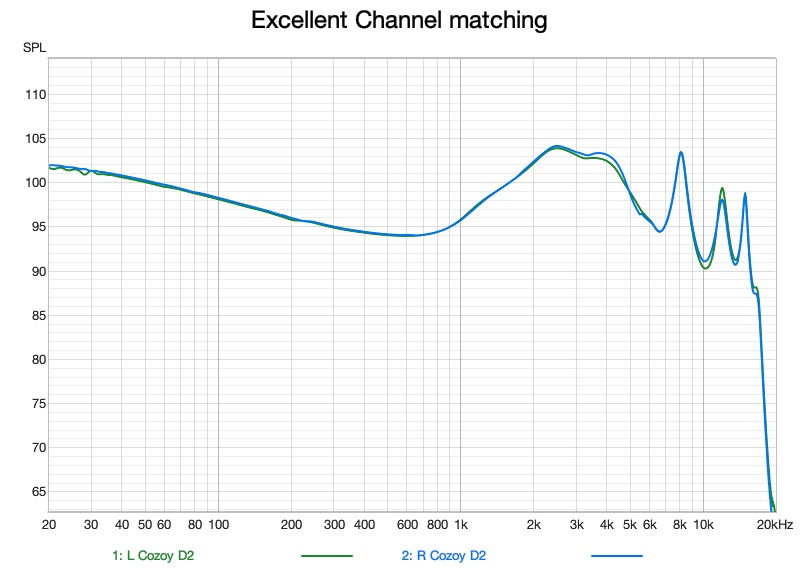
What that trace shows cleanly is the channel matching, with the two traces essentially indistinguishable. The peakiness up above 8kHz is fairly typical of what you get at this price, and it is the one honest reason to spend more: if you want this midrange and a genuinely smooth treble, something like the Kiwi Ears Orchestra Lite is where you go.
Distortion
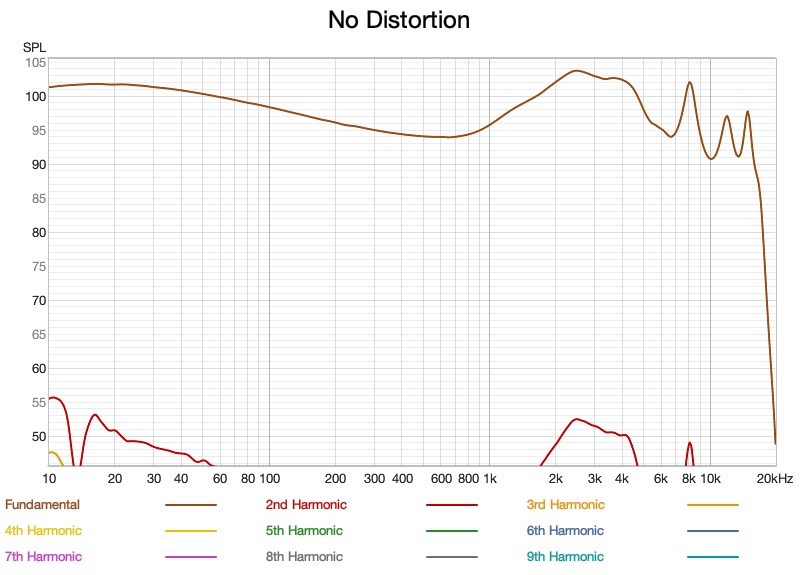
I ran a distortion sweep at over 100dB SPL, which is well past sensible listening levels:
 |
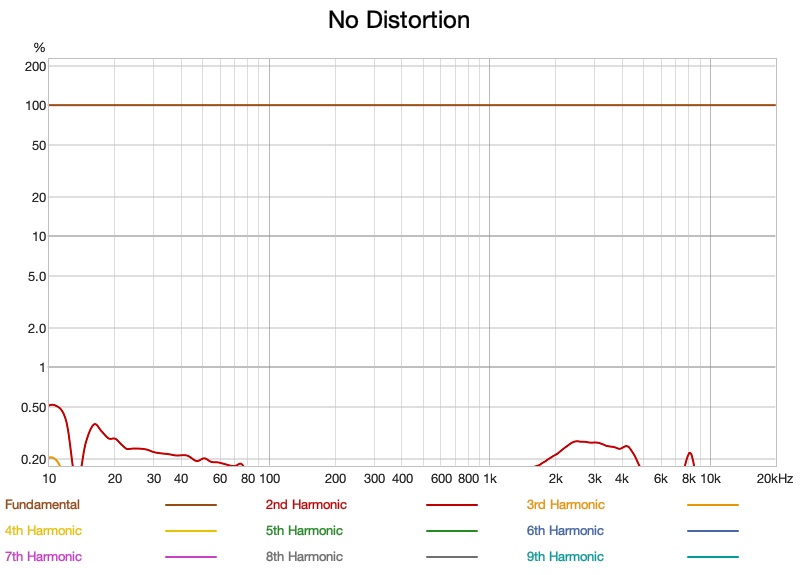 |
For a dual dynamic driver being pushed past 100dB SPL that is a clean result, and at normal listening levels distortion from these drivers is not something you need to think about.
Comparisons
I measured the D2 using my 711 clone coupler, and the measurements are available on Pragmatic Audio.
Cozoy D1
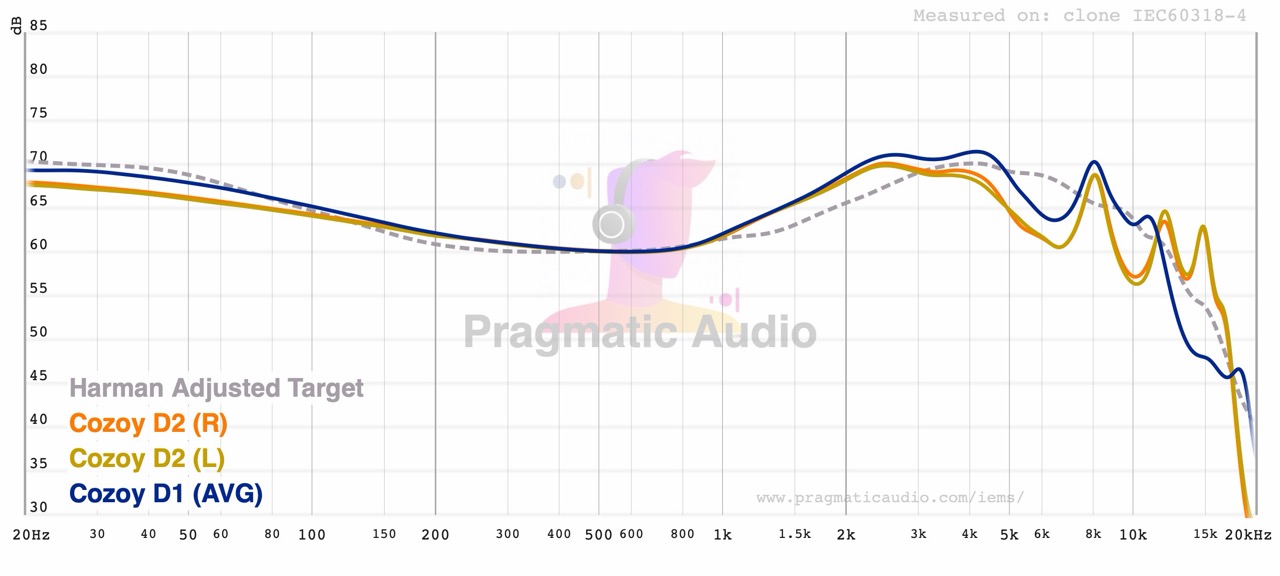
I liked the D1, and at $31 it remains good value, but the D2 is better in every way. The two are near enough identical from the bass up through the lower midrange — the difference is what happens above that. The D1 holds a broader, higher plateau through the upper midrange and lower treble and has more energy up top, which is what makes it the more V-shaped of the two. The D2 comes down earlier and more smoothly after its peak, and that is what leaves the midrange as the focus rather than the treble.
Kiwi Ears Orchestra Lite
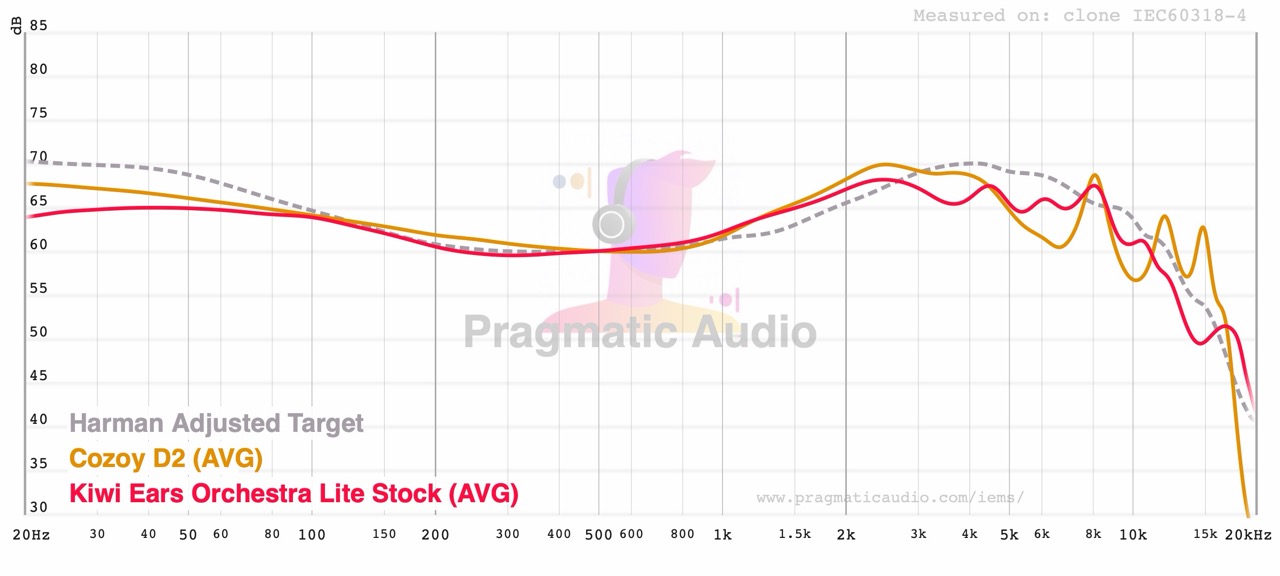
I then compared it against the Orchestra Lite, which is still my all-time favourite midrange-forward IEM, and the one the D2’s midrange most reminds me of — a compliment given the price difference. Measured together, the D2 has noticeably more bass — a few dB more through the sub-bass and low bass, where the Orchestra Lite simply sits lower — and it is slightly more forward through the upper midrange. Above 4kHz the Orchestra Lite sits higher, and I still prefer its treble. But the D2 is in the same ballpark, which I did not expect.
Truthear Gate
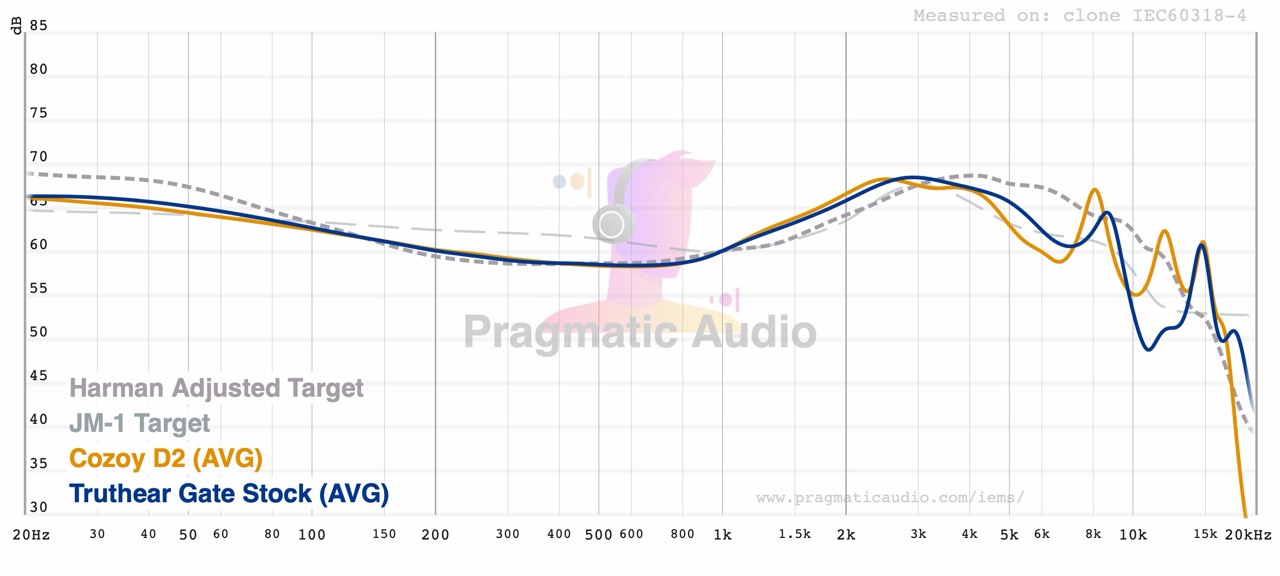
The Truthear Gate is cheaper and the two are remarkably close on paper — near identical from 20Hz to 3kHz, with the D2 dipping lower through the 5–7kHz region and then carrying more energy above 10kHz. On tuning alone this is close to a coin toss. The D2’s case is the package around it: the modular 3.5mm and 4.4mm plugs, the better cable and the foam tips are worth the difference if you value any of those.
Sivga Que
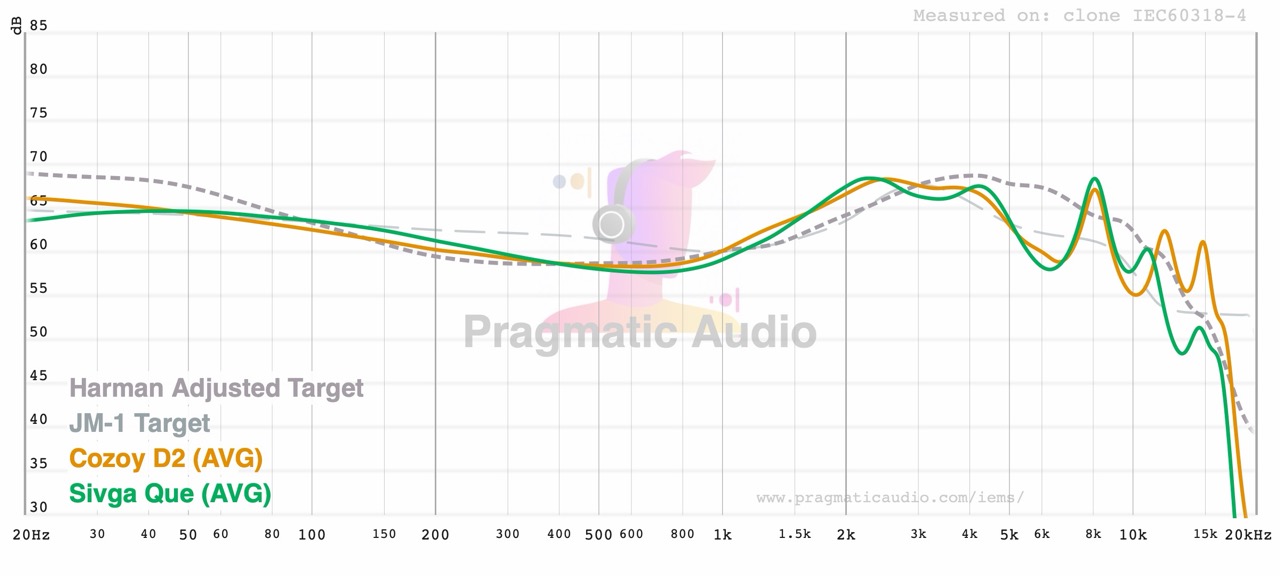
The Sivga Que costs more and has a wooden faceplate that looks considerably better than the D2’s glossy shell. Measured, they are close through the midrange, with the D2 holding better bass extension below 60Hz. Having heard both, I would now take the D2 — which is not something I would have predicted from the price tags.
Fosi Audio IM4
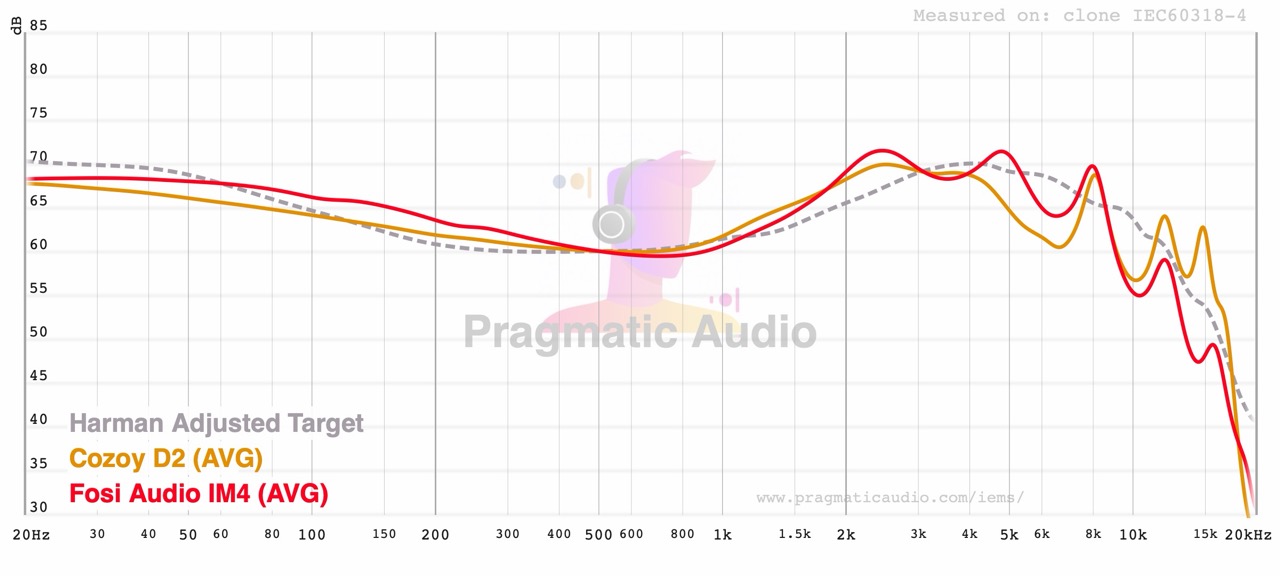
For reference, here is the D2 against the Fosi Audio IM4. The IM4 carries more mid-bass through the 100–400Hz region and has a distinct second peak around 4.7kHz that the D2 does not — the D2’s rise into the presence region is a single smoother arc. That extra 4.7kHz energy is the main audible difference between them.
Rating Explanation
The D2 gets a full five stars, because it is a very pragmatically priced way to get an excellently tuned midrange-focused IEM with a nice package around it.
The tuning is the reason. It has a clear point of view: linear extended bass, a midrange lifted early and smoothly, and a treble that stays out of trouble while keeping enough upper energy to hold interest. Channel matching is excellent and distortion is negligible. Most importantly the graph and the listening agree — the shifted pinna gain is visible in the measurement and audible as a vocal presentation that reminds me of much more expensive sets.
On features, this is a very competitive market, and this year especially we are seeing a lot of extras included with IEMs in the $50 range. The D2 holds its own — modular 3.5mm and 4.4mm plugs, a cable with a chin slider that is better than the price warrants, and foam tips alongside two silicone types — but the bar has moved.
The price rating of 4 is for the same reason: there is massive competition at this price. Six months or a year ago the D2 would have been an absolute bargain given the eartip selection and the quality of the cable. This year that package is closer to the expectation than the exception. If you want bass rather than midrange, several alternatives will suit you better.
Conclusion
The D2 is a very nice IEM and excellent value for a midrange-forward tuning. If you are building a collection, having something tuned like this in it is a very welcome addition — that subtle forwardness without shoutiness is difficult to get right, and it is the thing I would pay for here. If you want your bass to push, look elsewhere, because linear and extended is a deliberate decision and not a shortfall.
For vocals and acoustic material it is an easy recommendation. The modular 3.5mm and 4.4mm plugs mean it fits whatever source you own without buying another cable, and between the foam and silicone tips, the pouch and the cable itself, there is nothing here you will feel the need to replace.