HEDD Type 05 MK2
A compact 2-way active studio monitor with an amazing AMT tweeter and a full DSP toolkit to play with
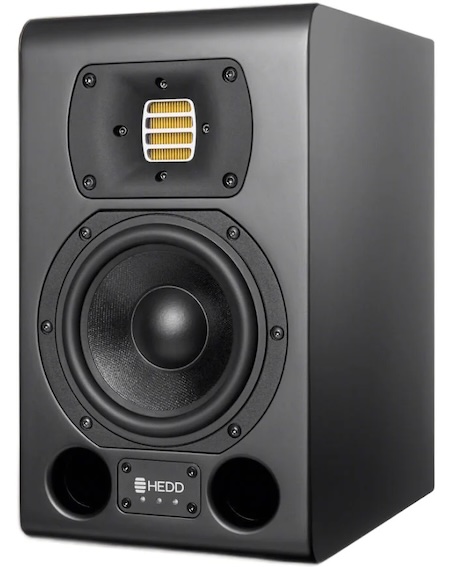
HEDD — Heinz Electrodynamic Designs — is a Berlin company that builds active studio monitors around its own handmade Air Motion Transformer (AMT) tweeter. The Type 05 MK2 is the smallest monitor in the MK2 range, a compact 2-way active design built around a 5″ honeycomb woofer and that AMT tweeter, with a 32-bit SHARC DSP behind them running HEDD’s full suite of monitoring tools.
It is pitched at home studios, broadcast and video-editing suites, and smaller Atmos installations — anywhere you need serious monitoring accuracy without a large footprint. Like all studio monitors it is sold individually, at €849 per speaker in Europe, in white or black, and it is assembled in Berlin. US pricing varies by retailer rather than tracking the euro figure — Headphones.com list a single monitor at $999 — so check locally before budgeting a pair.
I would like to thank HEDD for lending me the Type 05 MK2 for the purposes of this review.
If you are interested in finding more information about this product, you can find it at the official HEDD product page.
The HEDD Type 05 MK2 retails for €849 per speaker in Europe, available in White or Black.
Before anything else, an apology to HEDD, because this review is late and the reason is sort of embarrassing. I had integrated these so well into my work-from-home setup that I had forgotten I had not published the review. Normally a loaner is back in its box the minute the review is finished, but I was enjoying the setup so much — after correcting each speaker with DSP — that I forgot the most important part: actually publishing the review. I started listening nearly two months ago, fell for the ribbon tweeter more or less immediately, and had both speakers integrated into my work-from-home setup within days. What followed was a slow unpeeling of layers — the rear-panel dials first, then the AES chaining, then the networked control — with each one giving me something new to try. I could probably have filed this a month ago. The honest reason I did not is that finishing the review meant sending them back, and having got them dialled in with their own onboard DSP settings, that was a prospect I was quietly dreading. But all good things come to an end, and it is unfair to keep them any longer.
The short version of everything below: the analog performance is excellent, both in the ASR measurements I lean on later and in my own listening. The digital input is good, and chaining the pair together over AES while tuning by ear on the rear-panel dials was an interesting exercise in itself. But the thing that actually surprised me is the degree of control you get over each individual speaker once you put them on a network and drive them from the HEDD CTRL app.
I was very impressed by Amir’s Audio Science Review of the analog Type 05 A-CORE — the analog version of this speaker, not the MK2 reviewed here — and I will be referencing that review again in the measurements section later in this piece. But first, let’s take a look at what’s in the box.
Unboxing and Packaging
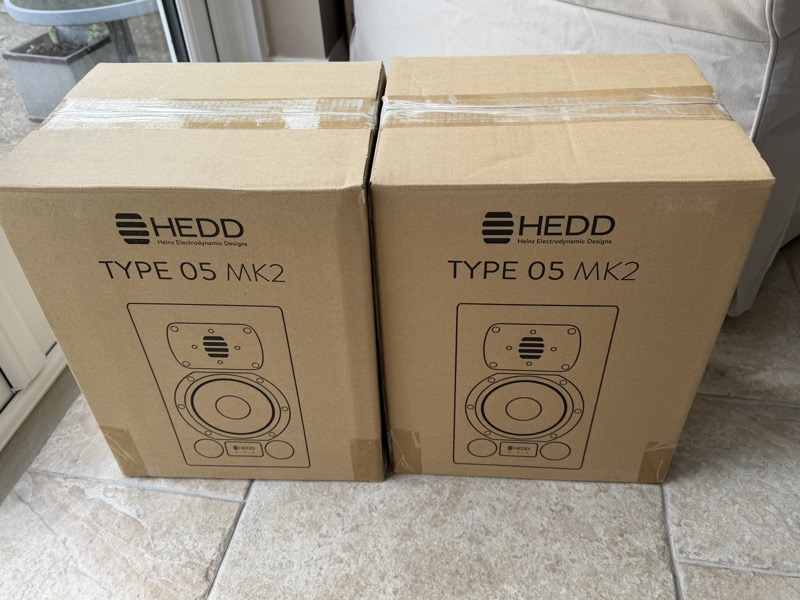
Each Type 05 MK2 ships in its own box — these are sold as single speakers — with the HEDD MK2 branding and a line drawing of the monitor on the carton:
Inside, each monitor is wrapped in a fleece sleeve and plastic, packed snugly:

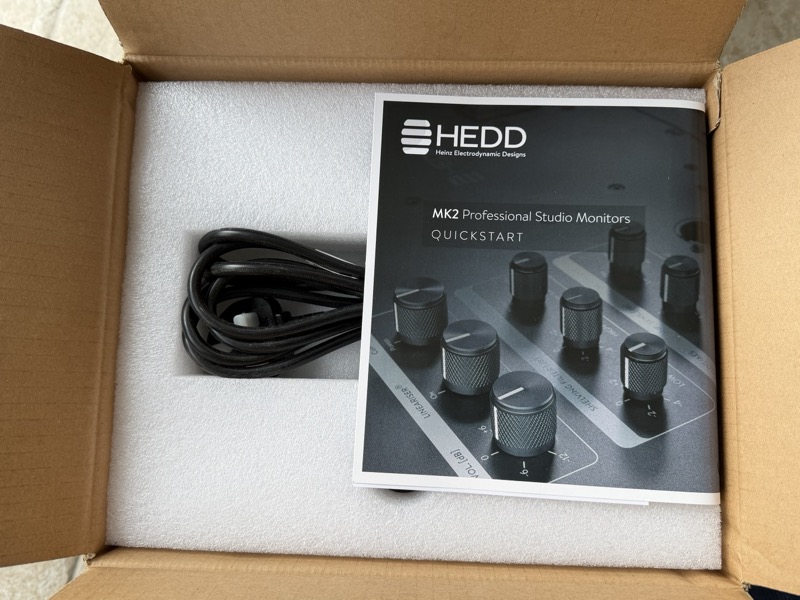
The accessories are minimal and practical — a power cable and the MK2 Professional Studio Monitors quick-start guide:
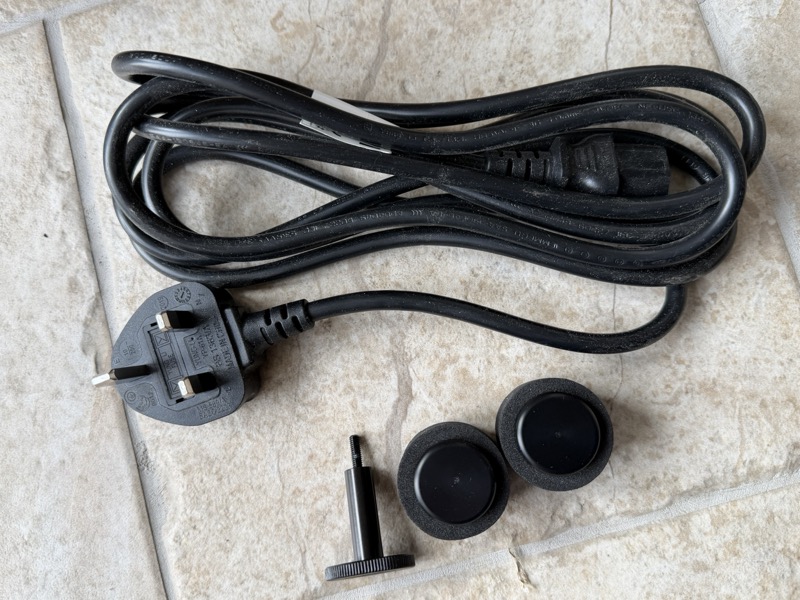
Also included are the POM port plugs that enable the CoP (Closed or Ported) feature, supplied alongside the power cable:
Design and Build Quality
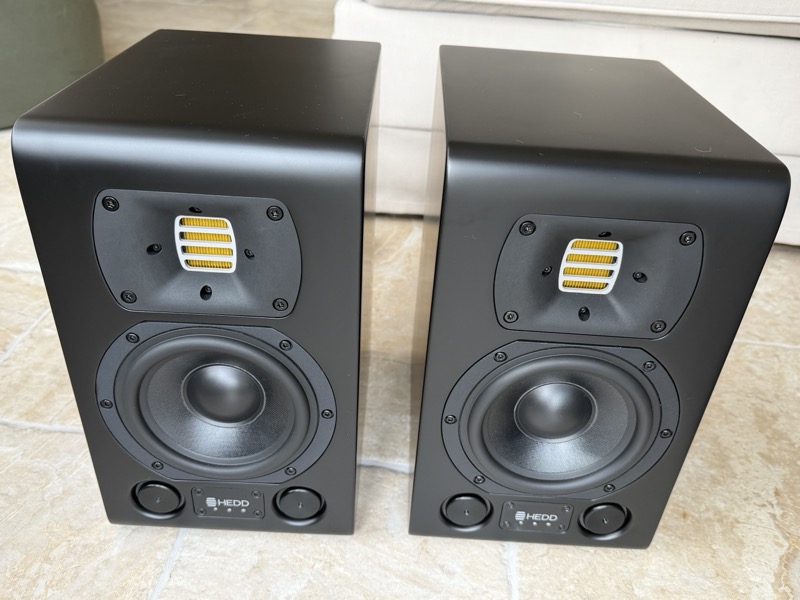
The Type 05 MK2 is a serious, understated black box — compact at 308 × 180 × 245 mm and 6.4 kg per unit, but clearly built as a professional tool rather than a lifestyle speaker. As a pair on the desk they look purposeful:
The front baffle carries the AMT tweeter above the 5″ honeycomb woofer, with twin front ports below and the HEDD logo with a status LED on the fascia:
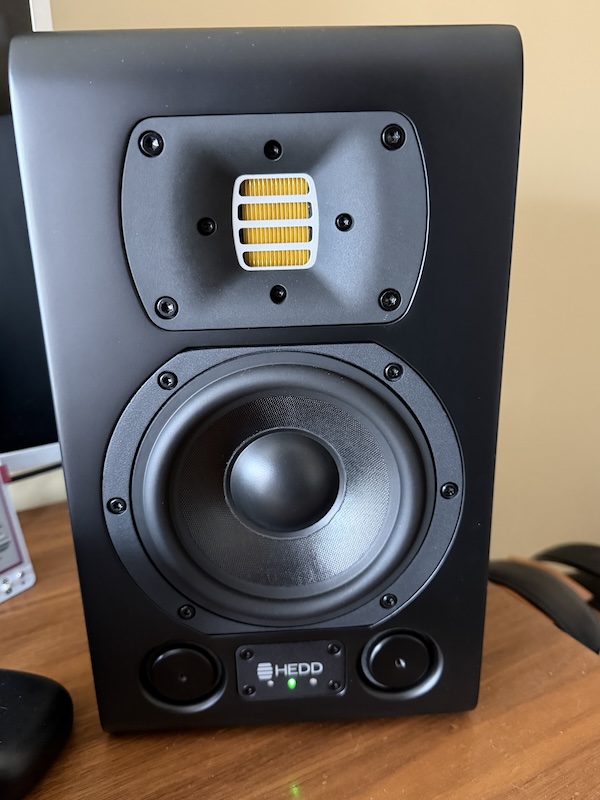 |
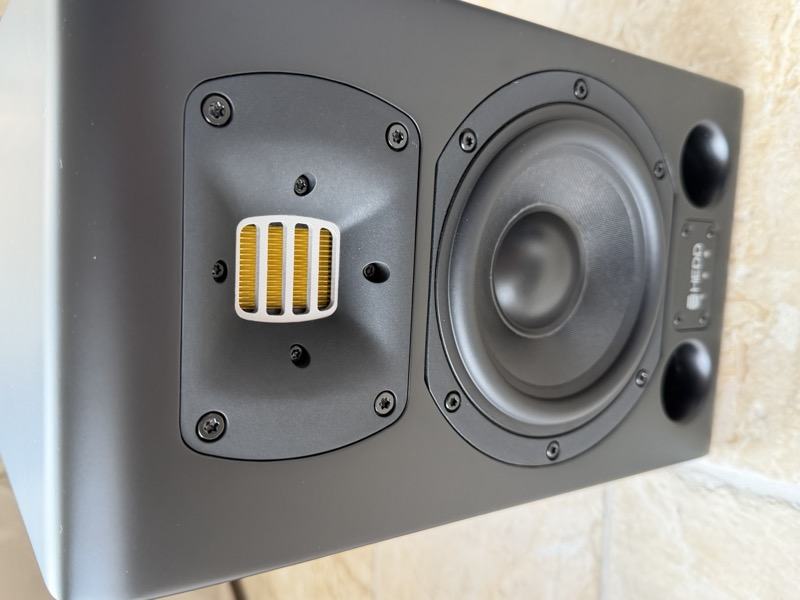 |
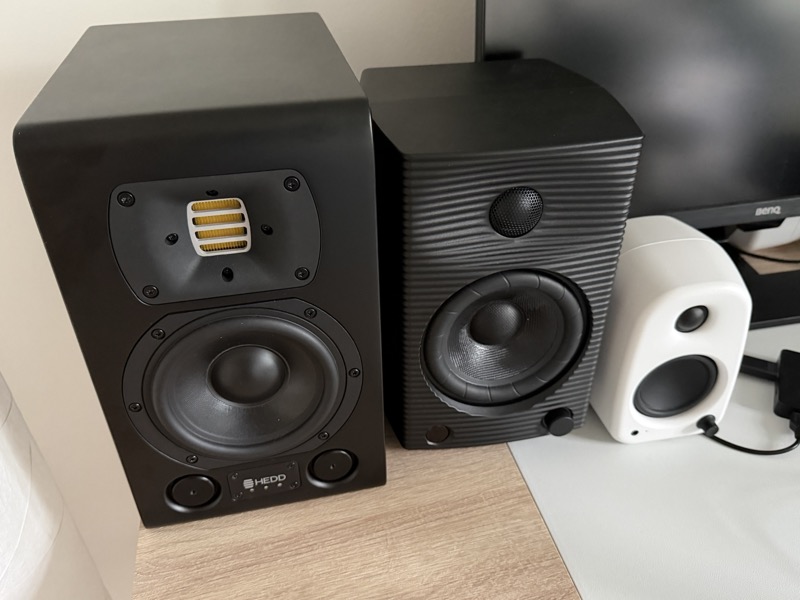
For a sense of scale against other desktop speakers, here’s the Type 05 MK2 beside another ribbed-cabinet monitor and a small white desktop speaker:
The AMT tweeter
The Air Motion Transformer is the heart of the HEDD sound and the part that handles the upper mids and treble. Handmade in Berlin, the folded-ribbon AMT moves air far faster than a conventional dome tweeter, which is what gives it its speed and transient precision — and, as the sound section explains, it is genuinely special.
Features and DSP
This is where the Type 05 MK2 earns its “MK2” badge, and it is worth separating what the speaker does acoustically from what the DSP lets you do to it. There are three layers here: the analog design underneath, the rear-panel dials, and the full software control that arrives once you put the speaker on a network.
The analog speaker
The MK2 is effectively the A-CORE with digital internals and DSP added: same 5″ honeycomb woofer, same handmade AMT tweeter, same cabinet, with a 32-bit SHARC DSP in place of the A-CORE’s purely analog signal path. The measurements in the section further down are for that analog A-CORE, and they show a fundamentally well-behaved speaker that benefits from only modest correction — which is exactly what the MK2 hands you built in.
If you want to go further than the rear-panel dials, the Spinorama page for the A-CORE is where to head. Reader pierre ran the measured data through Spinorama’s optimizer and published a full parametric correction for this speaker, and because the MK2 has a 10-band PEQ on board, you can load that straight into the HEDD CTRL app rather than needing an EQ stage somewhere else in the chain.
Rear-panel tweaking
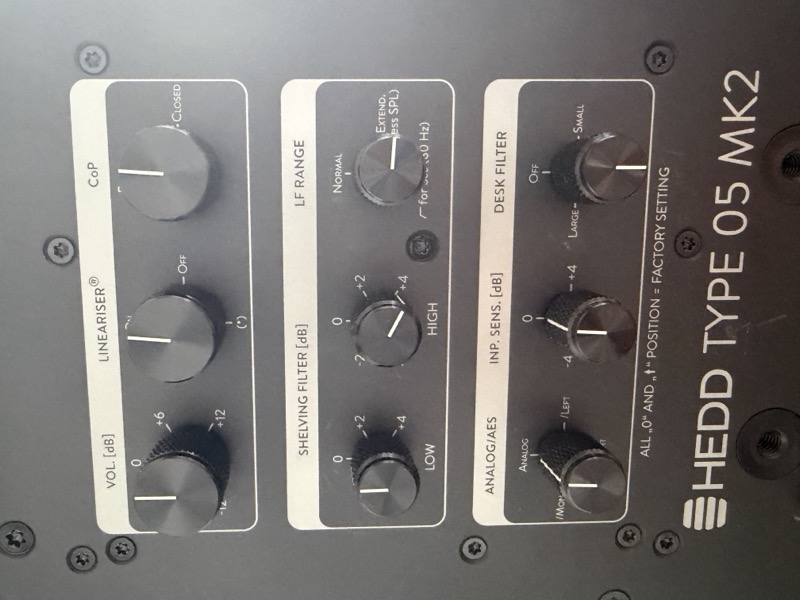
The rear panel is a full studio-monitor control surface with a 96 kHz / 32-bit AD/DA converter and a 32-bit SHARC DSP behind it:
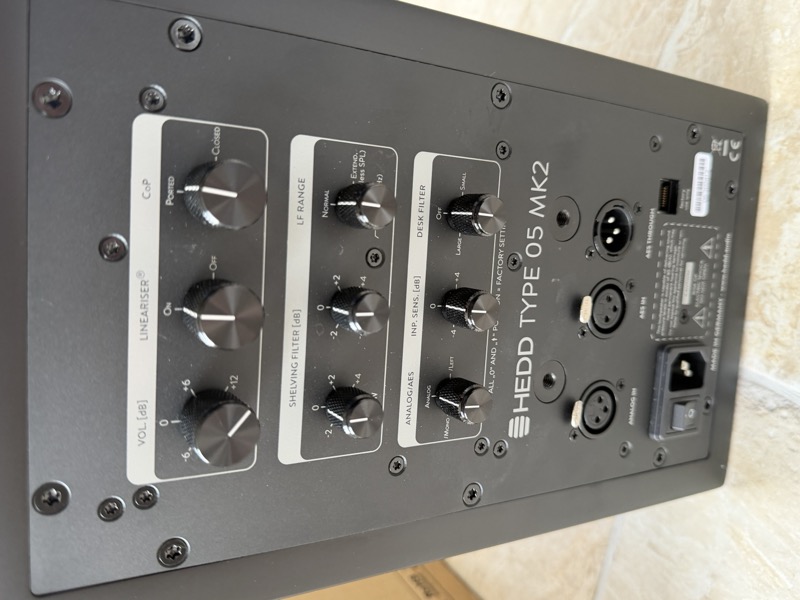
The controls cover volume, HEDD’s Lineariser (a zero-phase filter that tightens the stereo image and depth), the CoP (Closed or Ported) selector, high and low shelving filters, an LF range / bass-extension mode (up to 20% more bottom end), a desk filter to counter reflections from nearby furniture, and analog/AES input selection with adjustable input sensitivity. Connectivity is analog XLR (22 kΩ) plus digital 2-channel AES via XLR, with an AES pass-through for daisy-chaining. Amplification is 2 × 100 W ICEpower, with the crossover at 2,500 Hz.
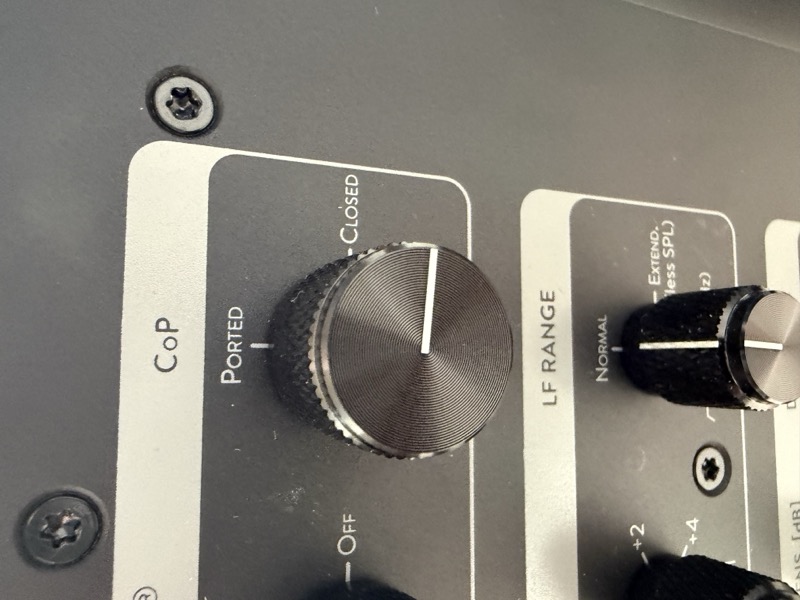
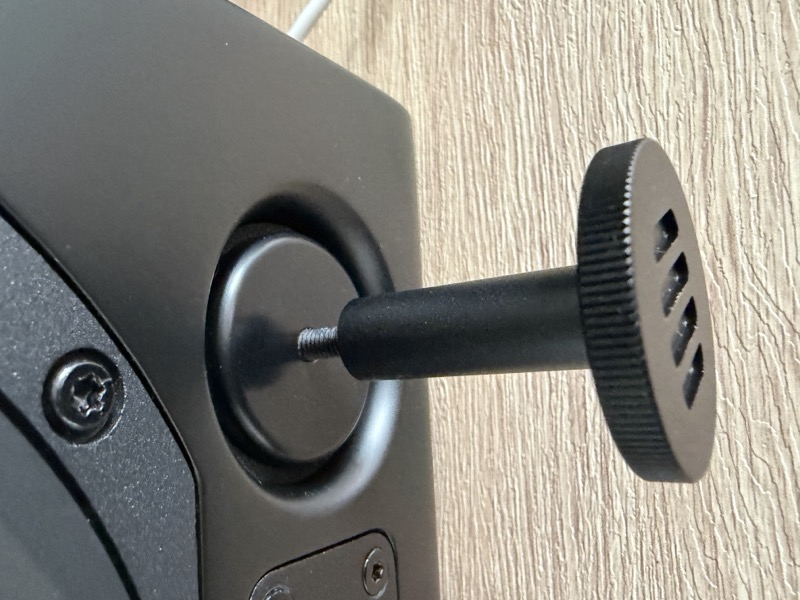
The standout physical adjustable feature is CoP — Closed or Ported. Using a supplied POM plug, the cabinet can be run as either a ported design (more bass response, “feel the music”) or a sealed one (more bass precision, texture and transient control), so you can match the monitor to your room and taste:
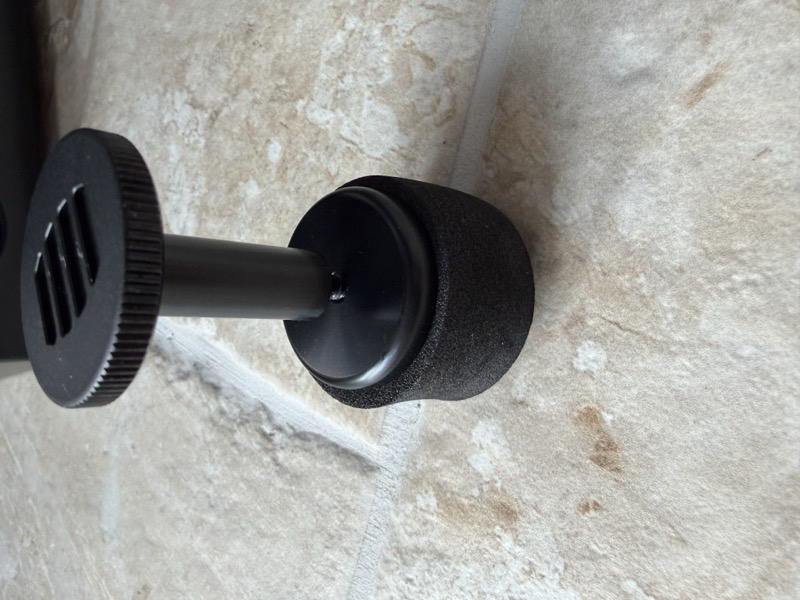
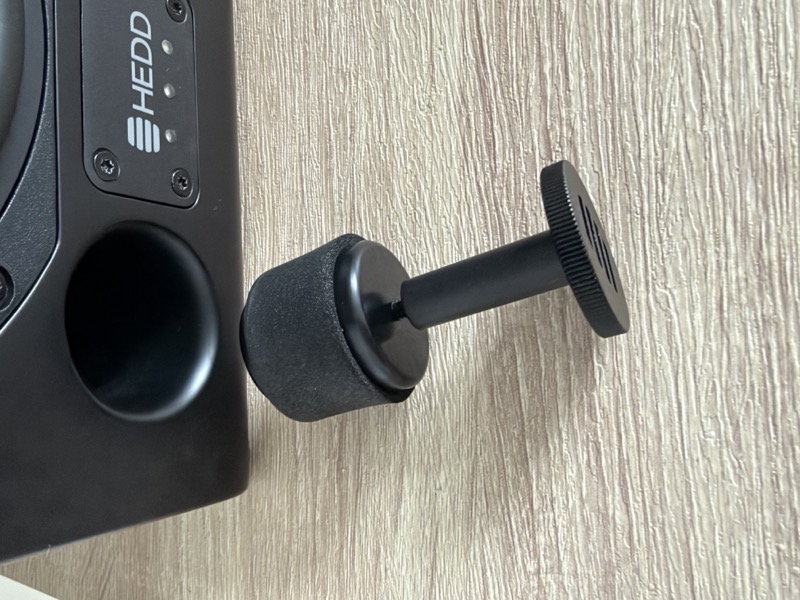
The supplied tool makes removing the plug much safer than pushing at it with a finger or screwdriver — it gives you something substantial to pull against without forcing the plug farther into the cabinet:
 |
 |
 |
The panel is legible enough to work by hand once you know what each cluster does, and usefully every knob has a marked centre position — the panel itself notes that all “0” and “↑” positions together are the factory setting, so there is always a defined way back if you lose track of what you changed. The ranges are worth knowing before you start turning things: volume runs −12 to +12 dB, both shelving filters are ±4 dB, and input sensitivity is ±4 dB. These are trim controls for matching a room and a source, not broad tone shaping — which is the right scope for a monitor, and part of why the software’s fuller PEQ matters if you want to go further.
Here are the settings I actually settled on for desktop use, as a starting point rather than a prescription — the right choices depend on your room, placement and listening distance:
HEDD CTRL — the advanced layer
Everything the rear-panel dials can do, HEDD CTRL can do remotely, more precisely, and save as a recallable preset. It is a free Ethernet application for Windows and macOS that scales from a desktop pair up to a 250-speaker multichannel install. The macOS build is x64 only, so on Apple Silicon you are relying on Rosetta.
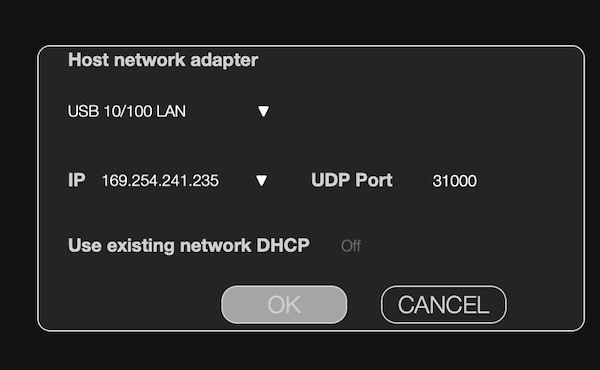
The speakers themselves are always wired — each needs an Ethernet run — but the computer can join over Wi-Fi or plug straight into a wired adapter. You pick the host adapter, and IP and UDP port are both exposed with an explicit DHCP toggle. Below I am connected directly through a USB 10/100 adapter with DHCP off, hence the self-assigned 169.254 address:
The interface is three panels and a top bar: devices, groups and presets on the left; the parameters for whatever you have selected in the middle; volume and the shelf filters on the right, as on-screen sliders you can nudge from the listening chair rather than kneeling behind the cabinet:
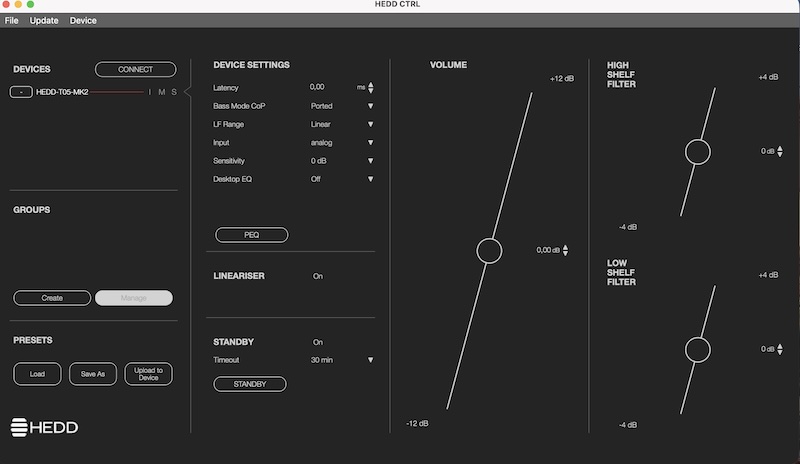
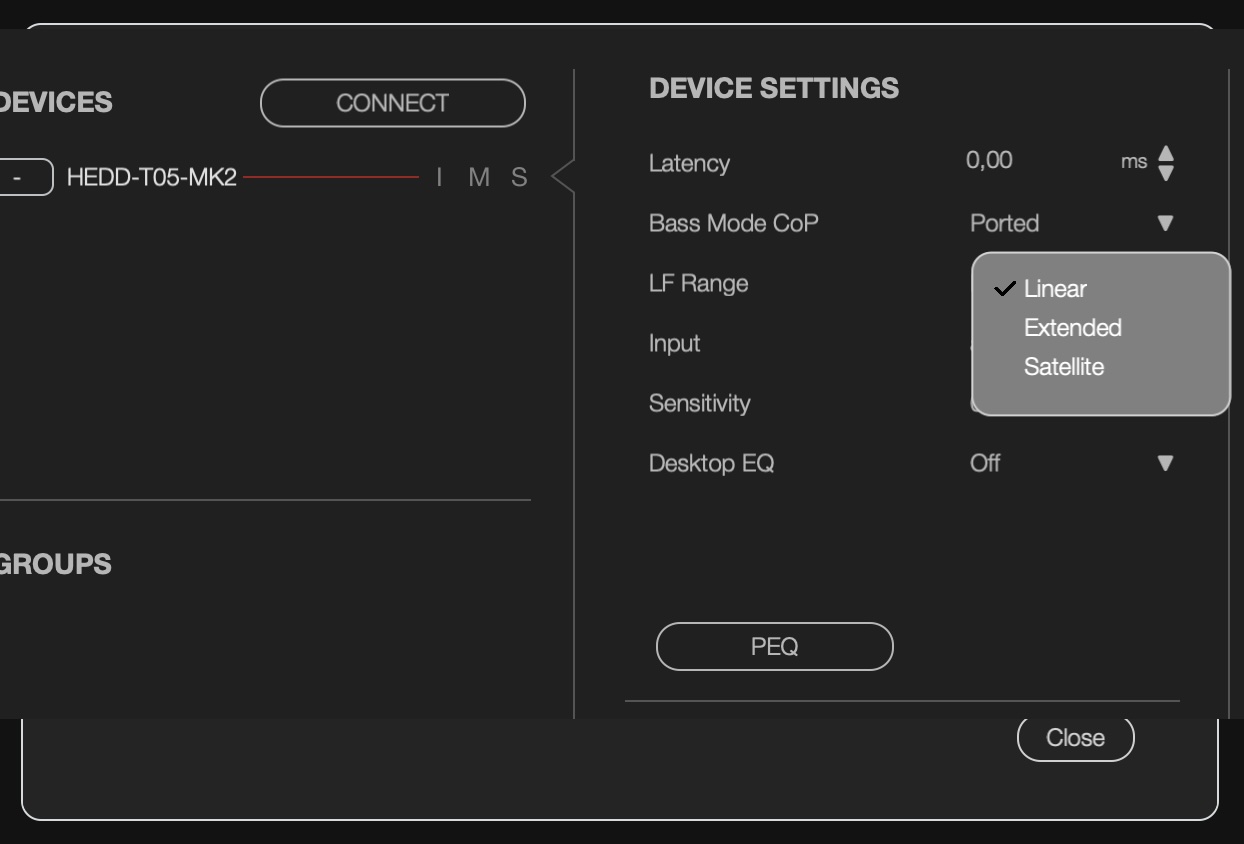
Per speaker you get latency, Bass Mode (the CoP switch in software), LF Range, input selection between analog and digital AES, input sensitivity, the Lineariser toggle, a Desktop EQ switch and a standby timeout. One label to be aware of: LF Range reads Linear / Extended / Satellite in the app but Normal / Extend. on the rear panel, so do not go hunting for a “Normal” option that does not exist:
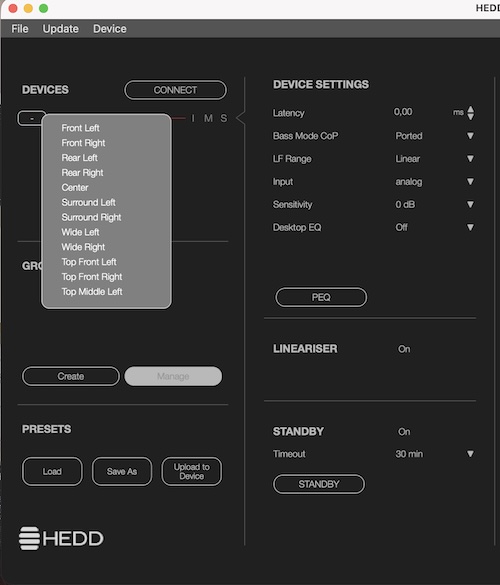
Beyond a single pair, each speaker can be assigned a position — front, rear, centre, surround, wide or top — for a multichannel or Atmos layout. I only had a stereo pair, so this is the part I could look at rather than test, but the manual documents what a larger install gets: crossover from 40 to 200 Hz for Sub-Sat groups, subwoofer phase in 90° steps, satellite offset over ±2 metres, and latency compensation per device and per group:
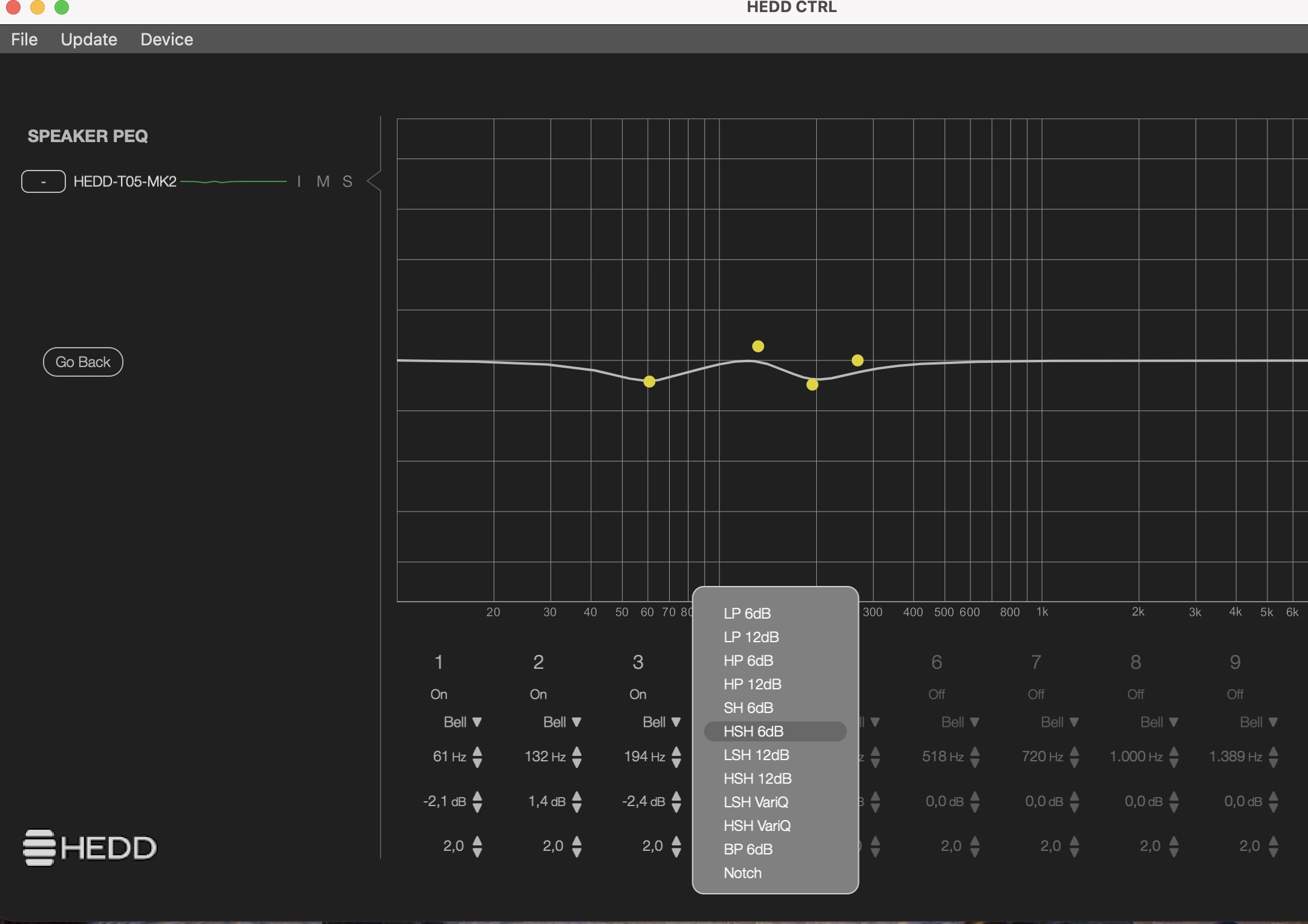
The PEQ editor is the part that impressed me most: a full 10-band parametric EQ per speaker or per group, with every band independently switchable between Bell, low- and high-pass, low and high shelf including variable-Q versions, bandpass and notch. Filters can be dragged on the curve or typed in numerically:
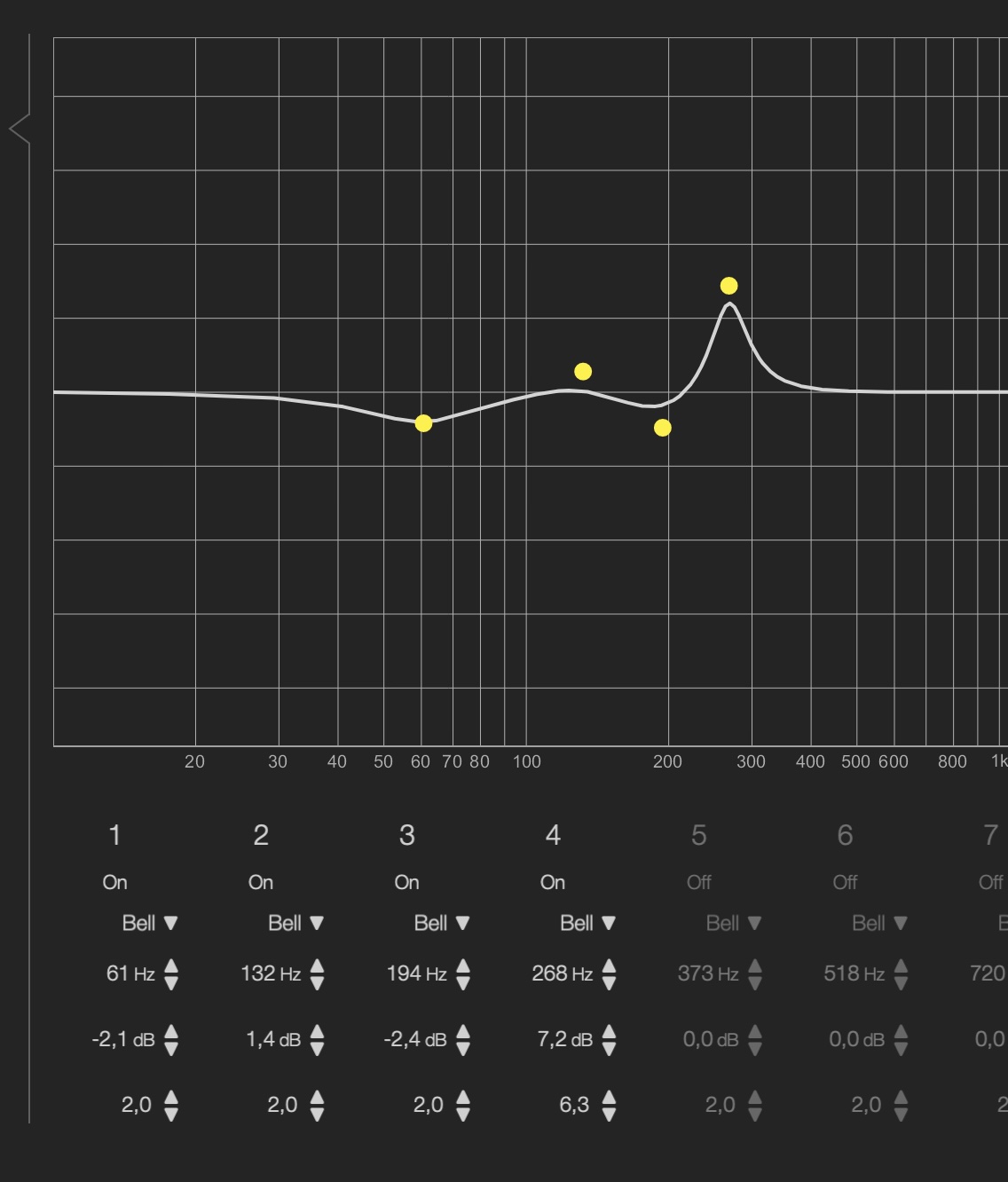
That is what makes it possible to enter the Spinorama-derived tweaks mentioned earlier directly, since those are all standard peaking bands within a few dB — but more usefully, it also means you can enter whatever PEQ your own in-room measurements call for. Run a sweep in REW, work out the corrections your room actually needs, and type them straight into the speaker. The close-up below is not that correction, though: bands 1 to 3 are modest Bell filters (61 Hz at −2.1 dB, 132 Hz at +1.4 dB, 194 Hz at −2.4 dB, all Q 2.0), roughly the scale this speaker actually wants, while band 4 is deliberately extreme — +7.2 dB at 268 Hz with Q 6.3 — to show the range on offer:
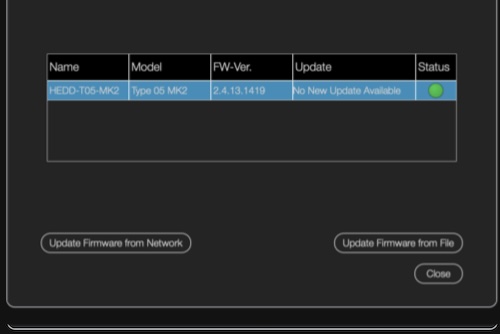
Save As and Upload to Device store a setting on the speaker itself, tied to the “*” position on the physical Lineariser knob, so it survives being disconnected from the network. One documented prerequisite that cost me some trial and error: each speaker must be given a position identification, via the “-” button beside its name, before a preset can be saved or uploaded. Firmware updates are handled in-app too:
None of this is essential to enjoying the Type 05 MK2 — the rear panel covers the same ground — but CTRL is what turns “I should try nudging the high shelf half a dB” from a chore into something you actually do.
Sound Impressions
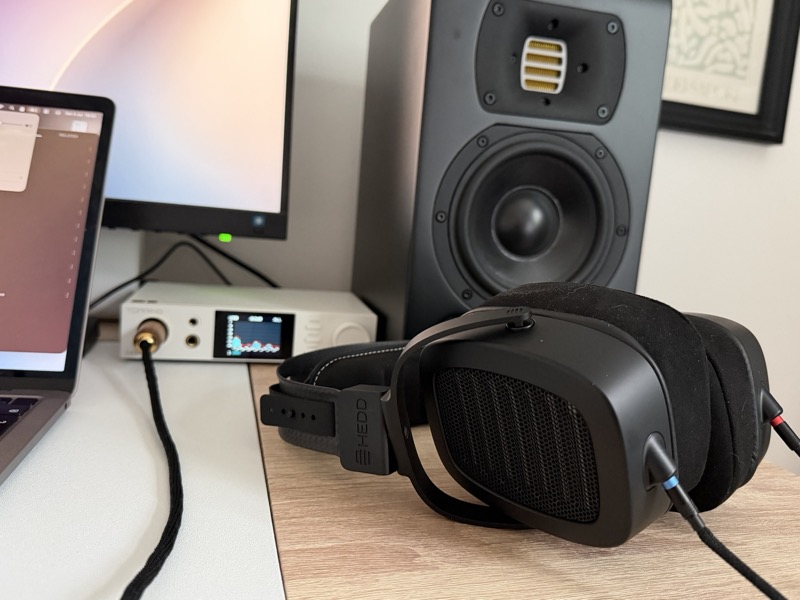
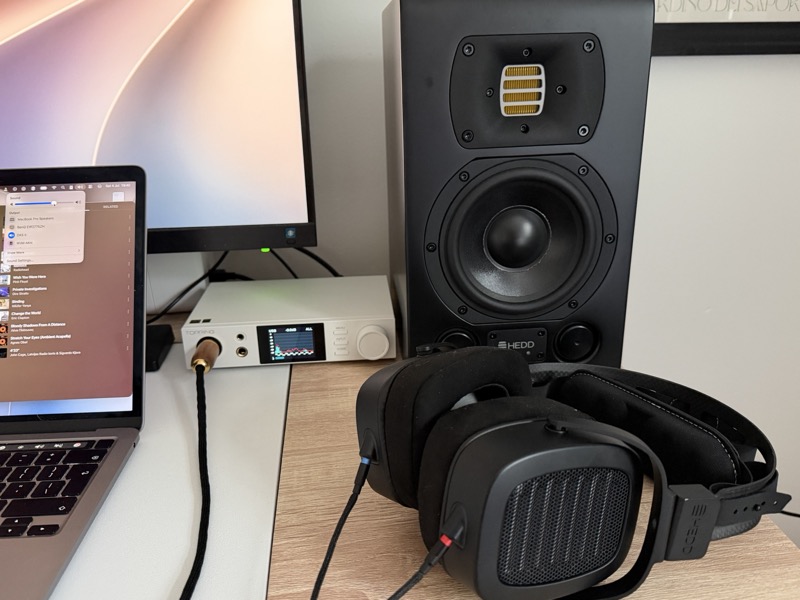
I have been living with a pair of these on my desk for several weeks, working from home, and they have been a genuine pleasure to have alongside the day job rather than a review sample I dip in and out of. They have also shared desk space with HEDD’s own HEDDphone TWO GT, which I am reviewing separately — the same AMT ribbon principle scaled up to a full-range headphone driver:
 |
 |
One thing to be clear about before the impressions themselves: everything below was heard with the basic rear-panel DSP dials, before I got properly into HEDD CTRL. That is deliberate. The dials are what anyone will reach for in the first week with these speakers, so they are the honest basis for a subjective description. HEDD CTRL opens up far more, but past a certain point the extra control stops being describable as a sound signature at all — what you end up with is a neutral, DSP-corrected speaker, which is the goal rather than a character.
Bass
For a 5″ two-way, the low end goes usefully deep — down to a genuinely useful 40 Hz in my room, with weight rather than the thin, polite bass a cabinet this size often settles for. Left flat there is a touch of broadband bass boost, which reads as a slightly loose, roomy quality on sub-heavy material; dial in the low shelf and bass-extension mode and it tightens up without losing extension. The CoP plug is the bigger lever, trading outright depth for precision depending on the room. On “Angel” by Massive Attack the low synth line has real weight and definition once tamed, and this remains the best bass I have heard from a sub-$1000 speaker of this size.
Midrange
The midrange is timbrally correct, which is exactly what you want from a studio monitor and less common than it should be. Voices and acoustic instruments sit where they belong with no thickening or hollowing, so nothing draws attention to itself — the mark of a monitor doing its job rather than editorialising. On “Fade Into You” by Mazzy Star the vocal has natural body and the guitar keeps its woody character without any smearing between the two.
Treble
The AMT tweeter was the first thing I noticed on day one, and it is still the standout. The treble is exceptional — not exaggerated in any way, just right. Detail is remarkable without ever becoming overbearing or sibilant, sitting on a goldilocks line between too much and too little, and the speed of the folded ribbon shows in how cleanly transients start and stop. The high-shelf control takes a fraction of an edge off if your room needs it, but I rarely wanted to. On “Chocolate Chip Trip” by Tool the cymbals have startling clarity and speed with none of the hardness that catches out lesser tweeters.
Soundstage and Imaging
In the near field on a desk the soundstage is smaller than when I had the pair set up in my main listening space, which is simply what near-field listening does rather than a criticism of the speaker. What does not shrink is the imaging, which is superb — precise enough that you can almost close your eyes and reach out to touch the instruments in front of you. Switching the Lineariser in firms that up further, tightening the stereo image and adding depth. On “Hotel California” by the Eagles the instruments are placed cleanly and unambiguously across the front, each one locatable in its own space.
Specifications and Measurements
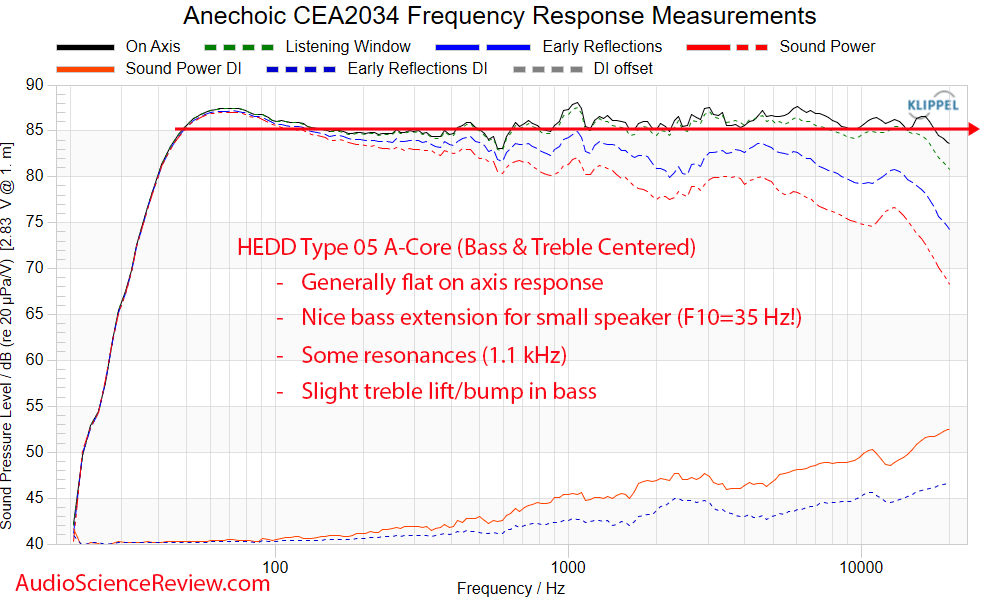
HEDD does not publish independent anechoic measurements for the Type 05 MK2, and I do not have access to a Klippel NFS, so the closest available reference is Amir’s CEA2034 measurement set for the Type 05 A-CORE — the same cabinet, woofer and AMT tweeter, minus the DSP. Treat the following as a proxy for the underlying acoustic design rather than a direct MK2 measurement.
Here is the A-CORE for comparison. The front is the same speaker, but the rear tells you what the MK2 adds: the A-CORE gives you bass, volume and treble knobs and an input selector, where the MK2 replaces that with the DSP toolkit described above:

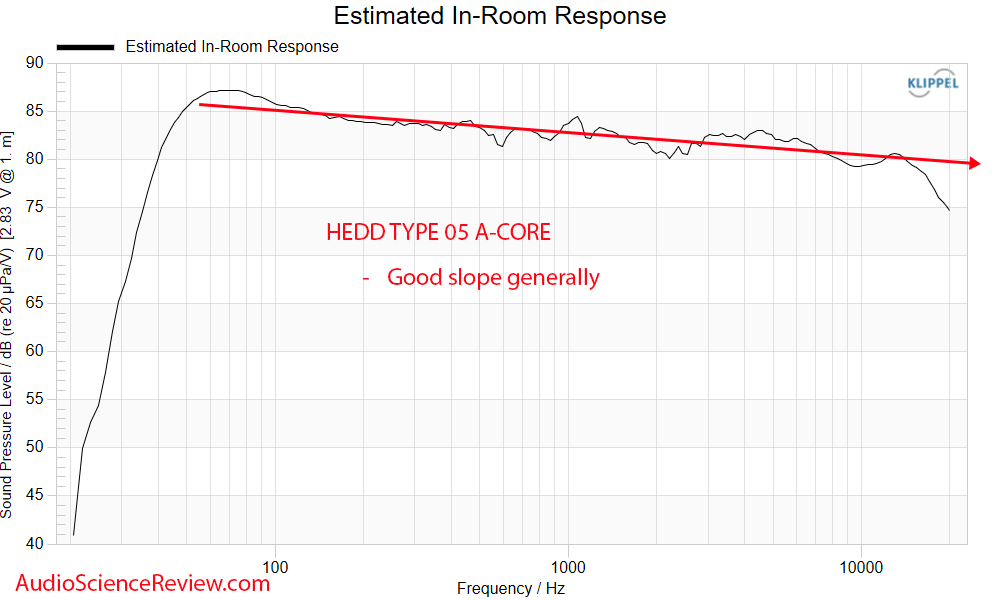
The on-axis response is generally flat with genuinely impressive bass extension for the size of the cabinet (F10 down to 35 Hz), a small resonance cluster in the 590 Hz–1.1 kHz region, and a mild broadband bass boost and treble lift — all of which map onto the MK2’s shelving filters and desk filter, as discussed above.
 |
 |
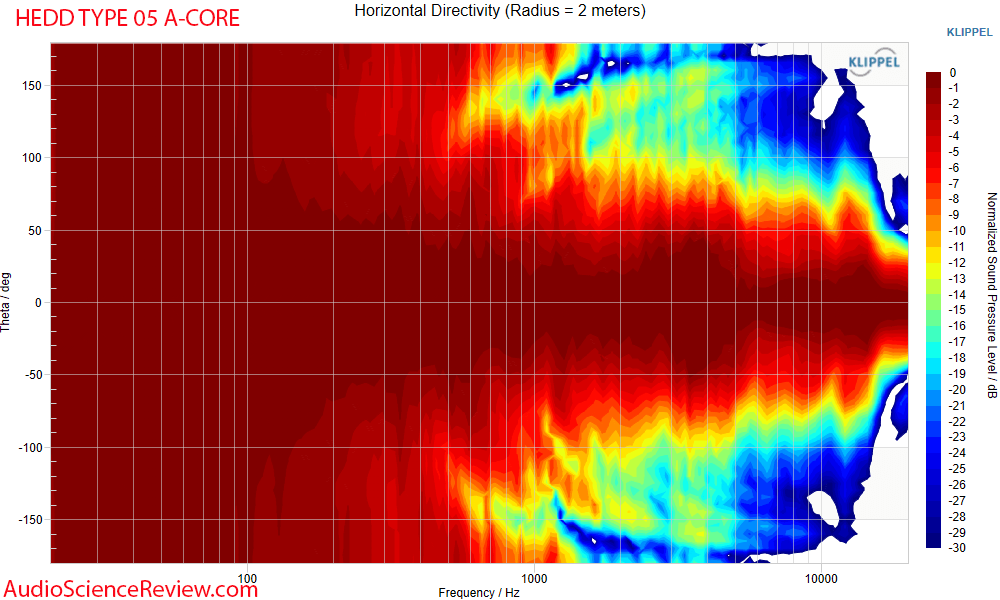
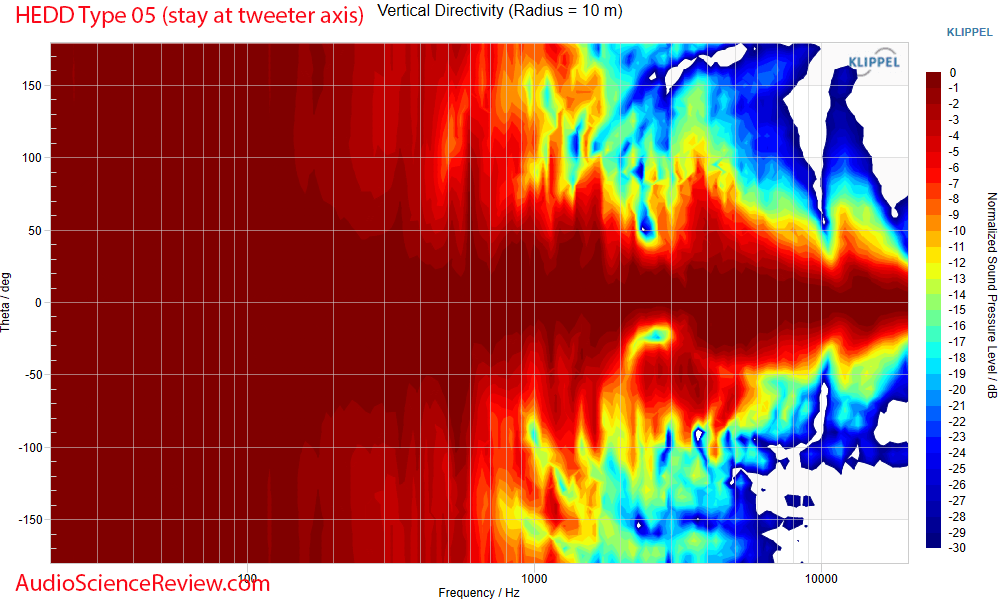
Horizontal directivity is good and reasonably wide, while vertical directivity narrows earlier — typical of a compact 2-way, non-coaxial design:
 |
 |
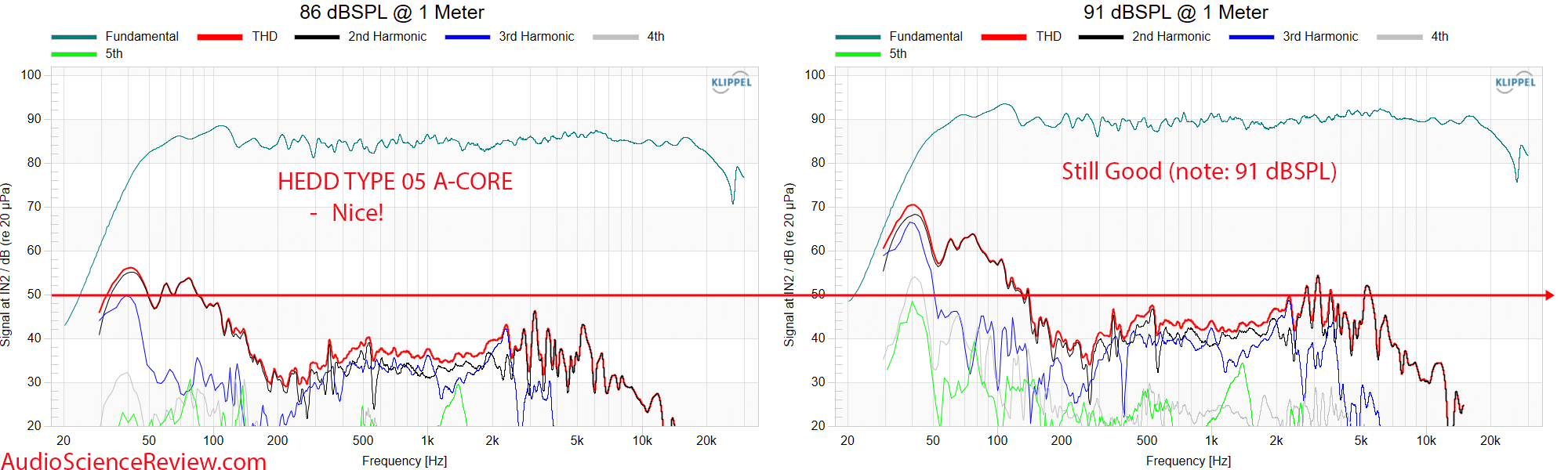
Distortion is clean at 86 dBSPL and still well controlled at 91 dBSPL, only becoming an issue once you push well beyond normal desktop listening levels:
This is the actual measurement setup on my desk — the Type 05 MK2 pair either side of my monitor, a measurement mic on a boom stand, and my laptop running the FR sweep software:
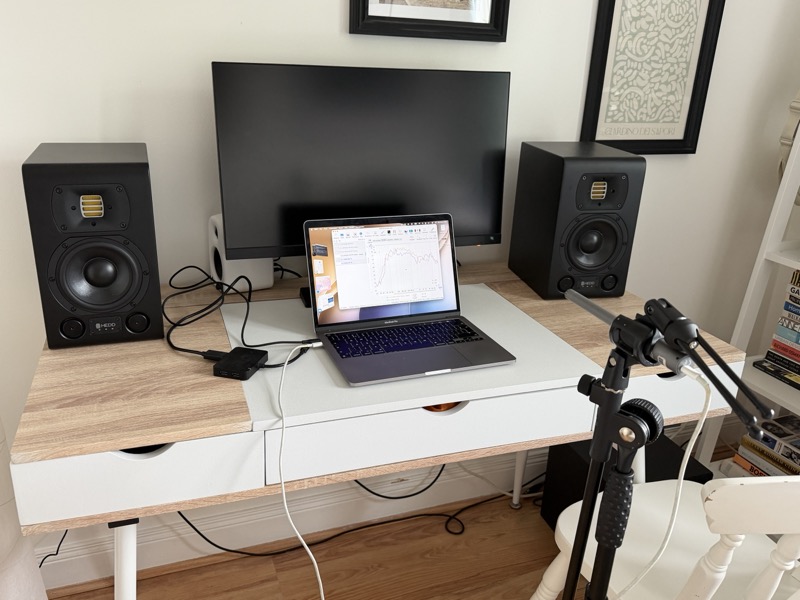 |
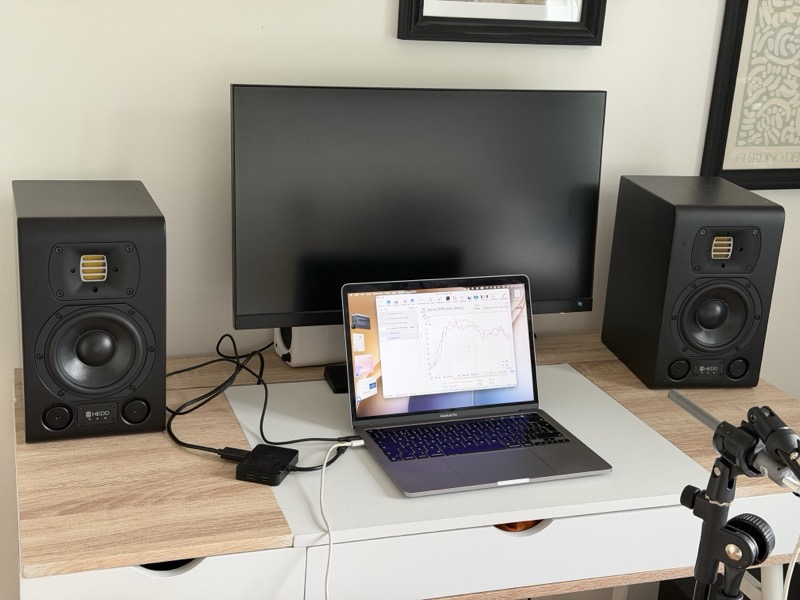 |
A couple more angles of the same setup, including the measurement mic clearly visible on its boom stand:
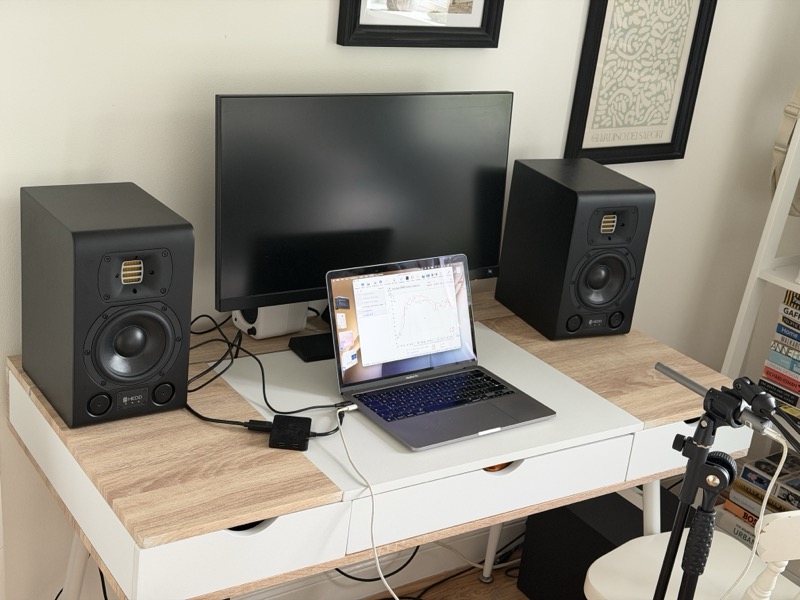 |
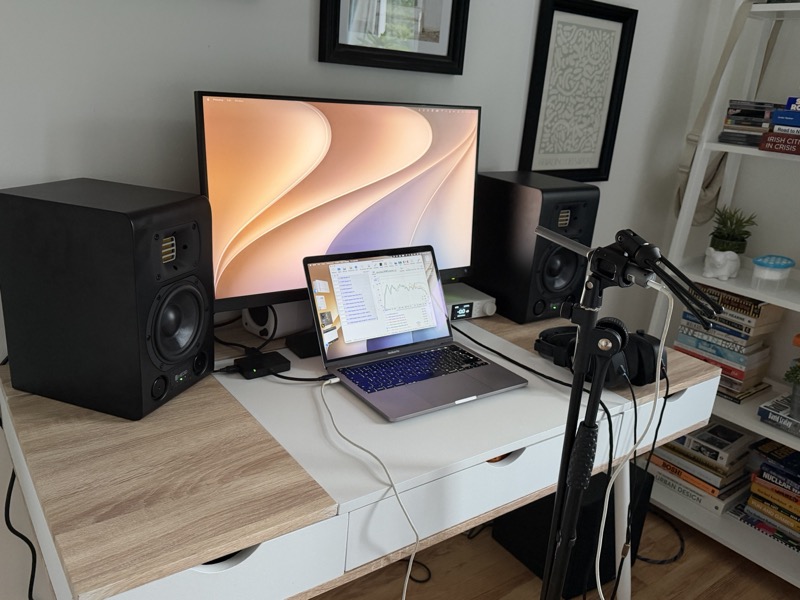 |
One more angle showing the full width of the desk, mic boom included:
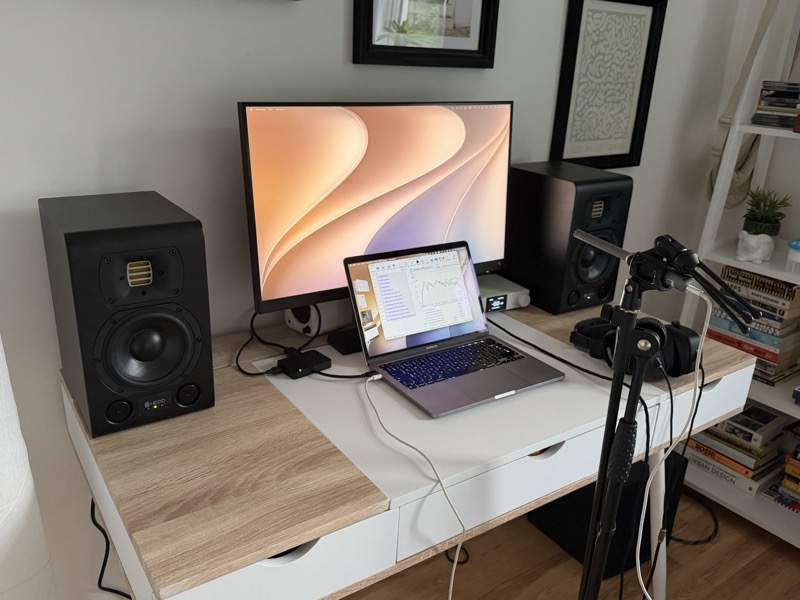
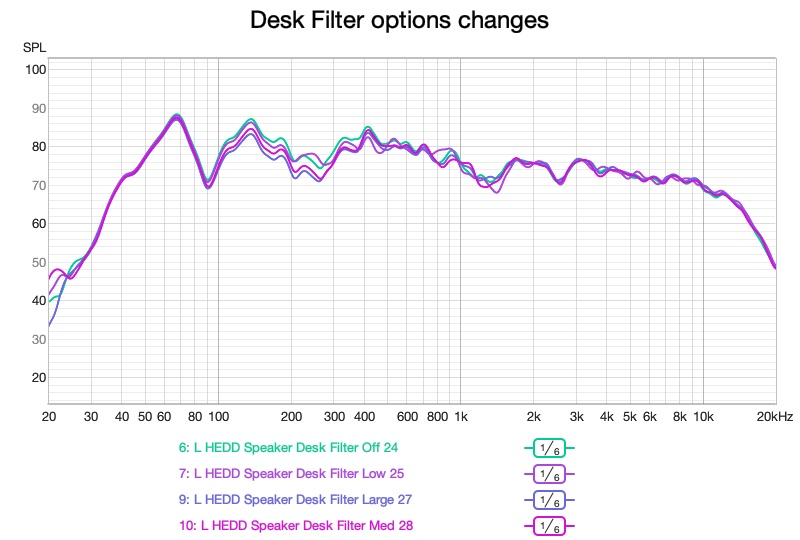
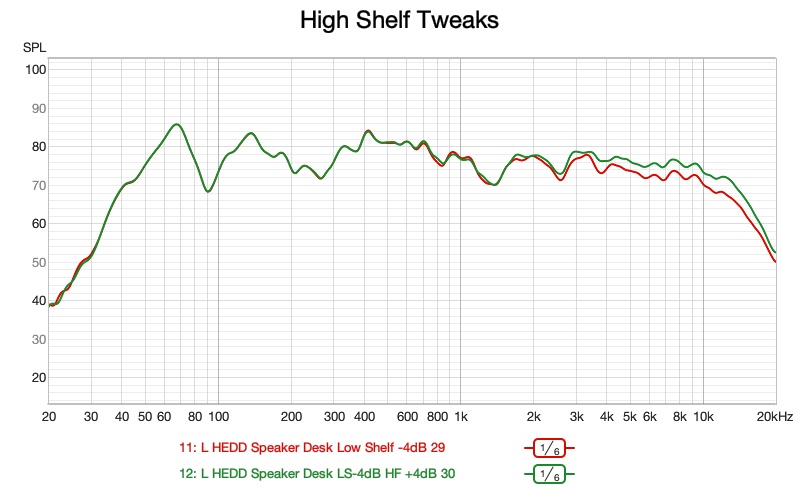
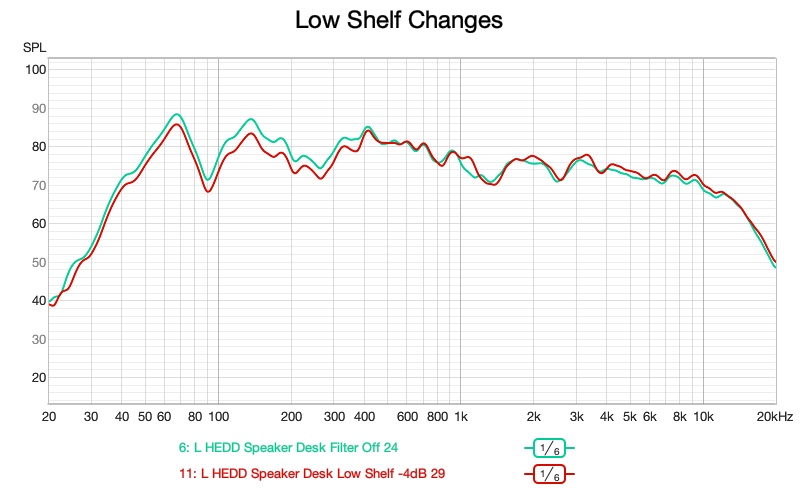
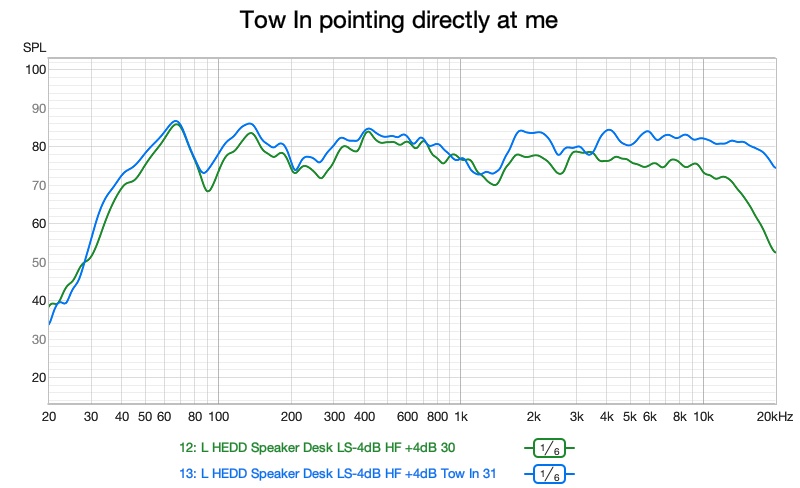
To see what the MK2’s own DSP controls actually do in my room, I ran a set of in-room frequency response sweeps with the desk filter, high-shelf and low-shelf options stepped through their settings, plus toe-in pointed directly at the listening position.
One thing to read these graphs with in mind: below about 400 Hz what you are looking at is room modes rather than the speaker. I made no attempt to correct them here. The point of these sweeps was to see what the speaker does in the room on its own, before the advanced DSP correction I applied later, so the low end is deliberately left as the room presents it.
The desk filter options move the upper-bass/lower-midrange region in modest, sensible steps rather than doing anything drastic:
The high-shelf and low-shelf tweaks do precisely what their names suggest, giving you broad bass-tightening and treble-taming moves from a switch rather than a screwdriver and a manual EQ:
 |
 |
Toeing the monitors in to point directly at the listening position lifts the presence region and top end noticeably compared with a flatter placement, which is worth knowing if your desk geometry does not let you aim them precisely:
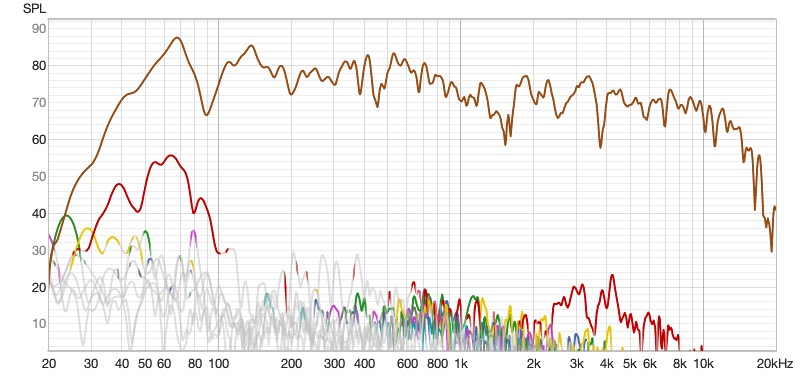
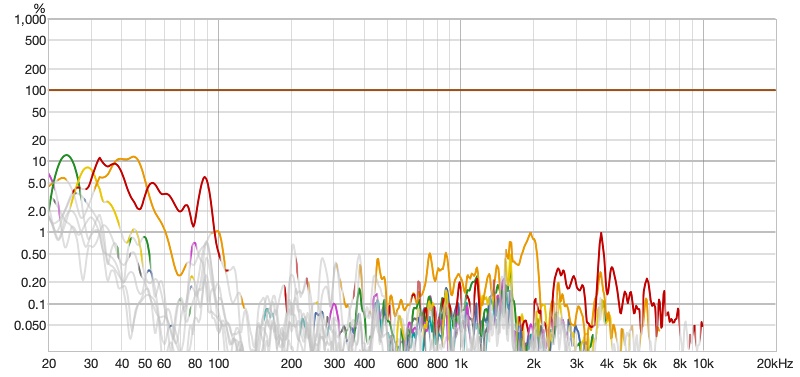
I also ran a quick in-room distortion sweep. It is not a controlled anechoic measurement — there is some obvious desk and furniture resonance feeding into it — but it confirms nothing untoward is happening at normal desktop listening levels:
 |
 |
| Specification | Value |
|---|---|
| Type | 2-way active studio monitor |
| Drivers | 5″ honeycomb woofer (1.5″ voice coil) + HEDD AMT tweeter |
| Amplification | 2 × 100 W ICEpower (85–264 V) |
| Crossover | 2,500 Hz |
| Frequency range | 45 Hz – 40 kHz (LFE mode: 38 Hz – 40 kHz) |
| Maximum SPL | 112 dB SPL per pair at 1m |
| DSP | 32-bit SHARC; 96 kHz / 32-bit AD/DA converter |
| DSP features | Lineariser, CoP, LFE/bass-extension, desk and shelf filters |
| Inputs | Analog XLR (22 kΩ); Digital 2-channel AES (XLR) |
| Output | Digital AES pass-through via XLR |
| Dimensions | 308 × 180 × 245 mm |
| Weight | 6.4 kg per unit |
| Finishes | White, Black |
| Origin | Assembled in Berlin |
| Warranty | 5 years (after registration) |
| Price | €849 per speaker (EU); US retail varies by dealer |
Rating Explanation
The Pragmatic Rating of 5 reflects a monitor that gets useful 40 Hz in-room output and a flat, well-behaved response out of a 5″ cabinet small enough to sit on a desk. The AMT tweeter is the standout, and the low end has real weight rather than the thin bass a cabinet this size usually settles for.
The Price Rating of 4 is simply that €849 per speaker — the better part of €1,700 for the pair you actually need — is a real investment, even if it is competitive for what you get. The Measurement Rating of 4 rests on the independently measured A-CORE sibling plus my own in-room sweeps of the MK2’s DSP controls, both pointing to a speaker that needs only modest correction.
This one is for the home-studio owner, editor or serious desktop listener who wants reference-grade monitoring in a footprint that fits a real desk, and who will use the DSP to tune it to the room.
Conclusion
The Type 05 MK2 puts full-range monitoring behaviour into a cabinet you can fit either side of a screen. The handmade AMT tweeter alone makes it worth hearing — detailed and open without a hint of harshness — and the bass, once tuned, is the best I have heard from a sub-$1000 speaker this size. The DSP toolkit is not a gimmick either: the desk filter and shelving controls land right on the modest corrections this driver set is shown to benefit from.
It is not cheap for a pair, but if the budget stretches, this is a fantastic studio monitor for a serious home setup. And if your collection ever grows past a desktop pair, the position assignment in CTRL means these can become part of a multichannel or Atmos build rather than being replaced.
If I am honest, I am a little jealous of anyone who can justify more than a pair. My modest setup would never warrant the four-speaker surround system these would open up, and that is exactly what this hardware is waiting for.